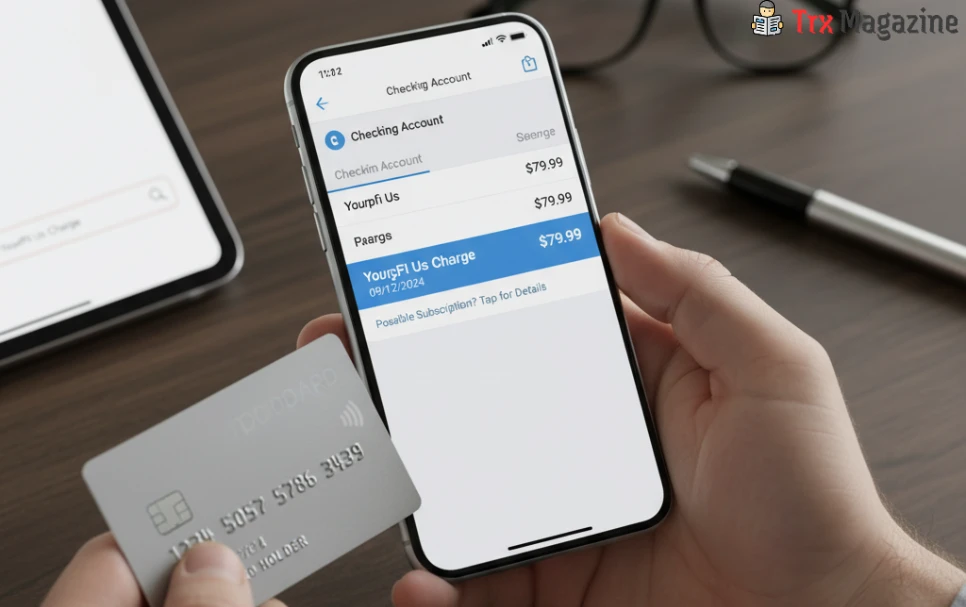
Have you ever spotted a charge labeled “Yourpfi Us” Charge on your debit card statement and wondered what it means? It’s confusing and can even be a little worrying when you don’t recognize a transaction.
But don’t panic this charge might be perfectly legitimate, and understanding where it comes from can save you time and stress. You’ll learn exactly what the “Yourpfi Us” charge means, how to verify if it’s yours, and what steps to take if something seems off.
Keep reading to take control of your finances and avoid surprises on your next statement.
Identifying Yourpfi Us Charge on Debit Card
Identifying Yourpfi US charges on your debit card can be confusing. These charges may appear unfamiliar at first. Understanding where they come from helps you manage your finances better. You can take simple steps to verify these transactions quickly.
Start by checking your card statement carefully. Look for details that might explain the charge. Use online resources to learn more about the merchant. Payment processor tools can also provide helpful information.
Check Your Statement Details
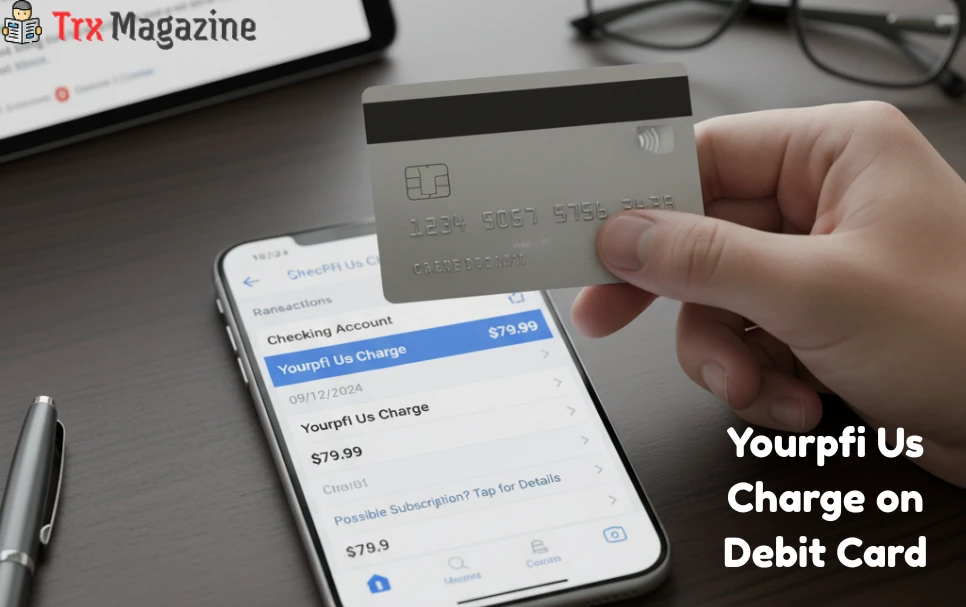
Review your debit card statement closely. Note the date, amount, and merchant name. Sometimes the merchant name looks different than expected. Check if the charge matches any recent purchases. Look for recurring charges that might be subscriptions.
Search Merchant Names Online
Enter the merchant name from your statement into a search engine. This can reveal the business behind the charge. Some merchant names belong to payment processors or holding companies. Searching helps you find the real source of the transaction.
Use Payment Processor Tools
Some payment processors offer online tools for charge lookup. These tools allow you to enter transaction details for identification. They often show the merchant’s full name and contact info. Using these tools makes tracking charges easier and faster.
Common Reasons For Yourpfi Charges
Understanding the common reasons behind Yourpfi US charges on your debit card helps clear confusion. Many cardholders see this unfamiliar name and worry. These charges often appear due to several typical scenarios. Knowing these can help you track your spending and avoid surprises.
Subscriptions And Recurring Payments
One frequent cause of Yourpfi charges is subscriptions. Many services bill monthly or yearly using your card. Streaming platforms, fitness apps, or software often use this method. Sometimes, you forget to cancel, and the charge repeats. These recurring payments show up under different merchant names, including Yourpfi.
Third-party Payment Processors
Yourpfi may also represent a third-party payment processor. Many businesses use processors to handle payments safely. The processor’s name, not the business itself, appears on your statement. This can confuse cardholders, as the actual seller’s name is missing. These processors help keep your payment information secure.
Hidden Or Holding Company Names
Sometimes, companies use holding company names on transactions. Yourpfi might be a parent company or a hidden name behind a brand. This practice is common in large corporations with many subsidiaries. It can make identifying the charge tricky. Checking your recent purchases or emails helps match the charge to a product or service.
Steps To Verify Unknown Charges
Discovering an unknown charge on your debit card can be unsettling. Taking clear steps helps you verify these charges quickly. Acting fast reduces the chance of fraud or errors. Follow these simple methods to understand the charge and protect your account.
Review Receipts And Order History
Start by checking your receipts for recent purchases. Match the transaction date and amount with your statement. Look through your online order history on shopping websites. Sometimes, merchant names appear differently on statements. This step often clears up confusion about unfamiliar charges.
Contact Your Bank Or Card Issuer
Call your bank if you still don’t recognize the charge. They can provide more details about the transaction. Ask for the merchant’s contact information or transaction location. Your bank also helps you report and dispute fraudulent charges. Acting quickly can prevent further unauthorized use.
Use Online Charge Lookup Services
Use online tools designed to identify unknown charges. Enter the transaction details like merchant name and amount. These services can show the business behind the charge. Some payment processors offer official charge lookup tools. This method saves time and helps you understand your statement better.
Handling Unauthorized Or Fraudulent Charges
Handling unauthorized or fraudulent charges on your debit card is critical. These charges can cause financial loss and stress. Acting fast helps protect your money and your account. Knowing the right steps ensures you manage these issues effectively.
Report Suspicious Transactions Quickly
Check your debit card statements regularly. Spot any charges you do not recognize. Contact your bank immediately if something seems wrong. Early reporting helps prevent further unauthorized use. Banks can freeze or block your card to stop fraud.
Dispute Charges With Your Issuer
Inform your card issuer about the suspicious charge. Provide details like the date and amount. Ask them to investigate the transaction. Many banks have a dispute process to protect you. Follow their instructions carefully to resolve the issue.
Monitor Your Account For Future Activity
Keep an eye on your account after reporting fraud. Watch for any new unauthorized transactions. Set up alerts for large or unusual purchases. Monitoring helps catch problems early. Stay vigilant to keep your money safe.
Preventing Unexpected Charges
Unexpected charges on your debit card can cause stress and confusion. Taking steps to prevent these surprises helps protect your money. Staying alert and organized reduces the chance of unknown fees.
Simple habits can keep your finances clear and under control. Understanding where charges come from is key to avoiding surprises.
Keep Track Of Subscriptions
Write down all your subscriptions in one place. Include the service name, cost, and billing date. This way, you know what to expect each month.
Cancel any subscriptions you no longer use. This stops unwanted charges from showing up later.
Understand Merchant Billing Names
Merchants may use different names on your statement. The name might not match the service you recognize. Look up unfamiliar names online to learn more about them.
This helps you spot legitimate charges and avoid confusion with unknown merchants.
Regularly Review Bank Statements
Check your bank statements often, at least once a week. Look for any charges you don’t recognize or expect. Early detection helps you report problems fast.
Contact your bank immediately if you see suspicious activity. Quick action can prevent further unauthorized charges.
Frequently Asked Questions
How Do I Figure Out Where A Charge On My Card Came From?
Review your card statement for the merchant’s name, date, and amount. Search the merchant online or check receipts. Contact your card issuer for help or dispute unknown charges.
Why Is There A Random Charge On My Debit Card?
Random debit card charges often come from subscriptions, pending authorizations, or merchant billing under different names. Always check your statement, receipts, and order history. Contact your bank immediately if you suspect fraud or cannot identify the charge.
What Do I Do If I Don’t Recognize A Charge On My Debit Card?
Check your statement for merchant details and transaction date. Search the merchant online. Review receipts and order history. Contact your bank immediately to report or dispute unrecognized charges.
How Do I Stop Unknown Charges On My Debit Card?
Monitor your statements regularly and report unfamiliar charges to your bank immediately. Block your card and request a replacement. Use secure websites for transactions and avoid sharing card details. Enable transaction alerts to detect unauthorized activity quickly.
Conclusion
Understanding the “Yourpfi US charge on debit card” helps you track spending. Check your statement for details like date and merchant name. Search the business online if the charge seems unclear. Compare with receipts or order history to confirm. Contact your bank if you still have doubts or suspect fraud.
Staying aware protects your money and prevents surprises. Keep a close eye on your transactions regularly. This simple habit keeps your finances safe and clear.