Have you ever tried to make an online payment, only to have your bank reject it without a clear explanation? It’s frustrating and confusing, especially when you need to complete a purchase quickly.
You might wonder, “Why is my bank blocking my transaction? ” or “Did I do something wrong? ” The truth is, banks reject online payments for several important reasons—some are about protecting your money, while others involve technical limits or security checks.
Understanding why these rejections happen can save you time, stress, and even prevent future payment failures. Keep reading to discover the most common causes behind online payment rejections and how you can avoid them, so your next transaction goes through smoothly.
Common Card Issues
Online payment rejections often happen due to common card issues. These problems usually involve the card details, permissions, or limits set by the bank. Understanding these issues helps avoid payment failures and smooth online purchases.
Expired Or Incorrect Details
One main reason banks reject payments is expired cards. Cards have a valid date, and payments fail if the card is past this date. Incorrect details also cause declines. Entering the wrong card number, CVV, or billing address leads to rejection. Double-check all information before submitting payments.
Card Not Enabled For Online Use
Many cards require activation for online transactions. Some banks block online or international payments by default. Cardholders must contact their bank to enable these features. Without activation, online payments will not go through. This security step protects against unauthorized use.
Daily And Transaction Limits
Banks set limits on daily spending and single transaction amounts. Payments over these limits get rejected automatically. These rules help control spending and reduce fraud risk. Check your card’s limits and keep payments within allowed amounts to avoid issues.
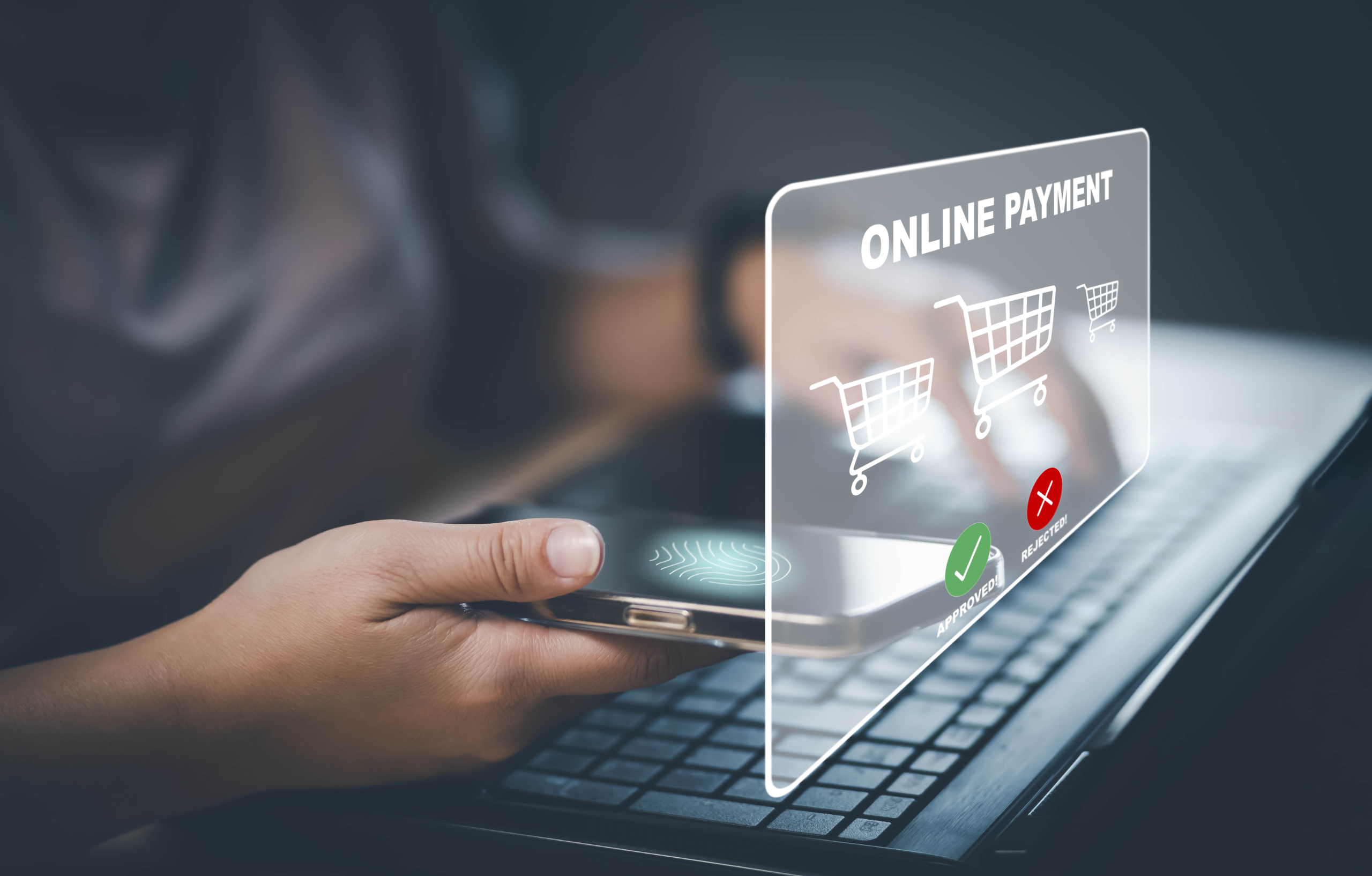
Credit: www.gpayments.com
Insufficient Funds
One of the main reasons banks reject online payments is insufficient funds. This means the account linked to your card does not have enough money to cover the transaction. Banks check your available balance before approving payments. If your balance is too low, the payment will be declined instantly.
Insufficient funds cause frustration and delay. Knowing the specific reasons helps you avoid payment failures. Two common cases are a low account balance and exceeding your credit limit.
Low Account Balance
When your bank account balance is below the amount needed for a purchase, the payment fails. Banks do not allow overdrawing without prior approval. This protects both you and the bank from potential losses.
Many people forget to check their balance before shopping online. Some also have pending transactions that reduce their available funds. Always verify your balance to ensure payments go through smoothly.
Over Credit Limit
Credit cards have a spending limit set by the bank. When you try to pay more than this limit, the transaction is declined. Banks enforce this limit strictly to avoid excessive debt.
Going over the credit limit risks penalties and interest charges. It also lowers your credit score. Keep track of your credit card usage to prevent declines during online payments.
Fraud Prevention
Banks use strict fraud prevention rules to protect your money. They watch every online payment closely. Suspicious signs can stop a payment immediately. This helps avoid theft and unauthorized use.
Fraud prevention keeps both banks and customers safe. It reduces the risk of losing funds to criminals. Banks reject payments that seem risky or unclear. Understanding these rules helps you avoid payment declines.
Suspicious Activity Flags
Banks scan for unusual patterns in your transactions. Large or sudden purchases may raise alarms. Payments from strange locations or devices trigger alerts. Banks block these payments to prevent fraud.
Repeated failed attempts or quick multiple purchases are risky signs. Banks see these as possible hacking attempts. When flagged, the bank may reject the payment or contact you. This stops fraud before it happens.
Address And Cvv Mismatches
Correct address and CVV codes verify the cardholder’s identity. Banks compare the payment details with what they have on file. If the billing address does not match, the payment may fail.
CVV is a security code on the card. Missing or wrong CVV makes banks suspicious. These mismatches suggest the card might be stolen or used fraudulently. Banks reject such payments to keep your account safe.
Bank Policies
Banks have strict policies to protect customers and their money. These rules affect online payments. Sometimes, payments are rejected because they do not follow bank policies. Understanding these policies helps explain why banks reject some online transactions.
Banks watch transactions carefully. They want to stop fraud and unauthorized use. This leads to delays or payment rejections. The bank’s policies set the rules for reviewing and handling payments.
Manual Transaction Reviews
Banks often review some transactions manually. This happens when the payment looks unusual or risky. A large amount or new merchant can trigger a review. Bank staff check if the payment is safe before approval.
This review can take time. The bank may contact the customer to confirm the payment. If the customer does not respond, the payment may be rejected. Manual reviews protect customers from fraud but can cause delays.
Blocked Or Frozen Cards
Banks block or freeze cards for security reasons. This happens if they detect suspicious activity. The cardholder cannot use the card until the bank lifts the block. A frozen card will always cause payment rejection.
Blocks also happen if the card is reported lost or stolen. Banks want to prevent fraud by stopping all transactions. Customers must contact their bank to resolve the issue and reactivate the card.
Technical Problems
Technical problems often cause banks to reject online payments. These issues disrupt the flow of transaction data between your device, the merchant, and the bank’s systems. When technical glitches occur, the bank may not receive the correct information needed to approve the payment.
Such problems can be frustrating because they happen without warning. They can delay your purchase or stop it entirely. Understanding the common technical hurdles helps you troubleshoot or seek help quickly.
Network Issues
Network problems are a major cause of payment rejection. Slow or unstable internet connections can interrupt the payment process. If the connection drops while sending payment details, the bank may not get the full information.
This disruption can trigger a security alert or cause the system to time out. Banks prefer to reject transactions rather than risk incomplete or corrupted data. Public Wi-Fi or mobile networks often have unstable signals, increasing chances of failure.
Payment Gateway Errors
Payment gateways act as the bridge between your bank and the merchant. Errors in the gateway software can block transactions from completing. These issues might be due to maintenance, server overload, or bugs in the system.
When the payment gateway fails to process the request, the bank does not receive authorization details. The transaction then appears invalid or suspicious to the bank’s system. This leads to automatic rejection to protect against fraud or errors.
Security Protocols
Security protocols play a key role in online payment approvals. Banks use strict rules to protect customers from fraud and theft. These rules check the authenticity of every transaction. If a payment fails these checks, banks often reject it. Understanding these protocols can explain why some payments do not go through.
Even small gaps in security can cause a transaction to be declined. Banks want to make sure only the rightful owner makes the payment. This makes the process safer but sometimes more complex.
Inadequate Verification Steps
Banks require clear confirmation before approving payments. If the verification process is weak, banks will block the transaction. This can happen if a user skips some security steps. Missing or incorrect information also leads to rejection. Banks aim to avoid risks by enforcing strong checks.
3d Secure And Otp Failures
3D Secure adds an extra layer of protection during payments. It asks users to enter a password or code sent to their phone. This is called an OTP (One-Time Password). If the OTP is not entered correctly or times out, banks reject the payment. These failures protect accounts from unauthorized use but can cause frustration.
User Errors
User errors are a common cause of online payment rejections by banks. Simple mistakes during payment entry can block your transaction. These errors confuse the bank’s system, causing it to flag or deny the payment. Understanding these mistakes helps avoid payment failures and saves time.
Mistyped Payment Information
Entering wrong card details often leads to payment rejection. A single digit error in the card number can stop the bank from verifying your card. Mistakes in the CVV or expiration date cause similar issues. Always double-check each field before submitting payment.
Incorrect Billing Address
Banks verify the billing address with the card issuer. If the address does not match, the payment gets declined. This mismatch is a security measure to prevent fraud. Make sure your billing address matches exactly what your bank has on file.

Credit: www.freepik.com
Tips To Avoid Rejection
Online payment rejections cause frustration and delay purchases. Banks often block transactions to prevent fraud and protect your account. You can reduce the chance of rejection by following simple steps. These tips help ensure smooth and successful online payments every time.
Enable Cards For Online Use
Many banks require you to activate your card for online payments. Call your bank or use their app to enable this feature. Without activation, online purchases may get automatically rejected. This step adds security and confirms your consent for e-commerce transactions.
Keep Information Updated
Incorrect card details often cause payment failures. Always double-check your card number, expiry date, and CVV code. Keep your billing address current with your bank. Even small mistakes can trigger rejection. Accurate information helps banks verify your identity quickly.
Monitor Spending Limits
Banks set daily or transaction limits on cards for safety reasons. Check your card’s spending limits regularly. Avoid transactions that exceed these limits to prevent declines. You can request limit increases if needed. Staying within limits ensures payments go through smoothly.

Credit: www.shutterstock.com
Frequently Asked Questions
Why Is My Bank Not Allowing Online Transactions?
Your bank may block online transactions due to incorrect card details, insufficient funds, daily limits, or suspected fraud. Activate your card for online use and verify your information to resolve issues.
Why Is My Bank Blocking Online Payments?
Banks block online payments due to suspected fraud, incorrect card details, insufficient funds, or exceeded spending limits. Sometimes, cards need activation for online use.
Why Is My Bank Declining Online Transactions?
Your bank may decline online transactions due to insufficient funds, incorrect card details, expired card, spending limits, or suspected fraud. Ensure your card is enabled for online use and verify all payment information to avoid declines.
Why Does My Bank Keep Declining My Online Purchases?
Your bank may decline online purchases due to incorrect card details, insufficient funds, exceeded limits, or suspected fraud. Verify your information and contact your bank.
Conclusion
Banks reject online payments for many reasons. Errors in card details cause frequent declines. Insufficient funds or exceeded limits also block payments. Banks protect customers from fraud with strict checks. Sometimes, cards need activation for online use. Understanding these reasons helps avoid payment problems.
Always double-check your payment information before buying. Contact your bank if issues persist or seem unclear. Staying informed keeps your transactions smooth and secure.