When you run a business, financial risks are always around the corner. They can impact your profits, cash flow, and even the future of your company.
But what if you could spot these risks early and handle them before they become a problem? Managing business risks isn’t just about avoiding losses—it’s about protecting your hard work and making smart decisions that keep your business strong. You’ll discover simple yet powerful ways to take control of your financial risks.
Ready to safeguard your business and boost your confidence? Keep reading, because what you learn here could change how you manage your money forever.
Types Of Business Risks
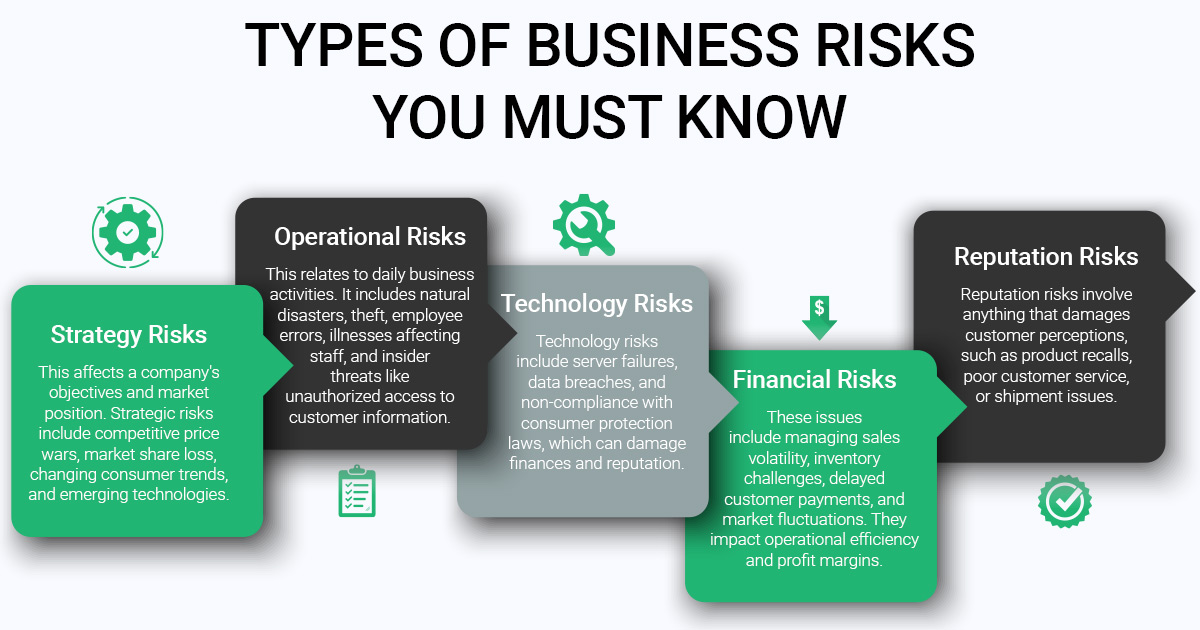
Business risks come in many forms. Understanding the types helps protect your company. Each risk affects your business differently. Identifying them early can save money and time. Let’s explore the main types of business risks you might face.
Market Risks
Market risks involve changes in the economy and industry. Prices may drop, or demand may fall. Competitors can also impact your market share. These risks can reduce your sales and profits. Businesses must watch market trends closely.
Operational Risks
Operational risks come from internal processes and systems. Equipment failure, human error, or supply chain issues can disrupt work. These risks can slow production or increase costs. Strong procedures help reduce operational risks.
Financial Risks
Financial risks relate to money management and funding. They include cash flow problems, debt, and credit risks. Poor financial control can lead to losses or bankruptcy. Careful budgeting and monitoring are key to managing these risks.
Compliance Risks
Compliance risks come from breaking laws or regulations. Fines and legal issues can harm your business. Staying updated on rules and training staff helps avoid compliance risks. It protects your reputation and operations.
Risk Assessment Techniques
Assessing risks is a key step in managing business finances. Risk assessment techniques help identify possible problems before they happen. These techniques guide businesses in making safer decisions. There are different ways to assess risks. Each method gives a unique view of potential threats. Understanding these methods helps businesses protect their money and assets.
Qualitative Methods
Qualitative methods use descriptions to assess risks. They focus on the nature and impact of risks. Experts discuss risks and their possible effects. Tools like interviews and checklists are common. This method helps understand risks that numbers alone cannot show. It is useful for new or unclear risks. It brings out opinions and experiences from people involved.
Quantitative Methods
Quantitative methods use numbers to measure risks. They calculate the likelihood and impact of risks. Data, charts, and statistics are key tools. This method helps put a value on possible losses. It is useful for financial risks with clear data. Models and simulations predict what might happen. This approach makes risk assessment more precise and objective.
Risk Prioritization
Risk prioritization ranks risks by their importance. It helps focus on the biggest threats first. Businesses look at how likely each risk is to occur. They also consider the cost if the risk happens. Prioritizing risks saves time and resources. It ensures the strongest risks get attention. This step helps create a clear action plan for managing risks.
Financial Planning For Risk
Financial planning helps businesses prepare for risks that can affect money flow and profits. It builds a strong base to face unexpected costs. A clear plan guides decisions and keeps the business stable during tough times.
Smart financial planning focuses on controlling costs, ensuring enough cash, and saving for emergencies. These steps reduce stress and protect the company from sudden losses.
Budgeting Strategies
Start by setting a clear budget for all business activities. Track income and expenses closely. Cut unnecessary costs to free up resources. Use realistic numbers based on past data. Review the budget often to adjust for changes. A good budget helps avoid overspending and keeps goals on track.
Cash Flow Management
Monitor cash flow daily to see money coming in and going out. Make sure bills get paid on time to avoid penalties. Speed up customer payments by offering easy options. Delay non-essential expenses during slow periods. Healthy cash flow keeps the business running smoothly and avoids shortages.
Contingency Funds
Set aside money for emergencies or sudden risks. Aim to save enough to cover several months of expenses. Use this fund only for urgent needs. Building a contingency fund gives peace of mind. It helps the business stay afloat during crises without borrowing.
Insurance Options
Managing financial risks is vital for any business. Insurance helps protect your company from unexpected losses. It offers a safety net to handle accidents, lawsuits, or damages. Choosing the right insurance plan can save money and reduce stress.
Types Of Business Insurance
Several insurance types cover different risks. General liability insurance protects against lawsuits and injuries. Property insurance covers damage to buildings and equipment. Workers’ compensation helps employees injured at work. Professional liability insurance protects against mistakes in services. Cyber insurance covers data breaches and online threats.
Choosing The Right Coverage
Assess your business risks before selecting insurance. Consider your industry, size, and location. Match coverage to your company’s specific needs. Avoid buying unnecessary policies that increase costs. Review policies regularly to keep coverage up to date. Consult an insurance agent to clarify policy details.
Cost Vs. Benefit Analysis
Compare insurance costs against potential losses. Higher premiums may provide better protection. Lower premiums might leave gaps in coverage. Calculate the value of assets needing protection. Factor in legal and medical expenses. Choose coverage that balances cost and benefit effectively.
Investment Strategies
Investment strategies help businesses protect their money and grow it safely. These strategies focus on reducing risks while aiming for good profits. Choosing the right approach can keep your business stable during tough times. Understanding key concepts like diversification and risk-adjusted returns improves decision-making.
Diversification
Diversification means spreading money across different investments. This lowers the chance of losing all funds if one investment fails. A mix of stocks, bonds, and real estate can balance risk. Avoid putting all money in one place. A varied portfolio helps keep your business safer.
Risk-adjusted Returns
Risk-adjusted returns measure how much profit comes from taking certain risks. It helps compare investments fairly. Higher returns may come with higher risks. Aim for investments that offer good returns without too much risk. This balance keeps business finances healthy.
Long-term Vs. Short-term
Long-term investments grow steadily over years. They are less affected by market ups and downs. Short-term investments can bring quick profits but carry more risk. Choose based on your business needs and goals. Combining both types can protect and grow your money.
Credit: www.trueprojectinsight.com
Debt Management
Managing debt is a key part of handling financial risks in business. Debt can help grow a company but must be controlled carefully. Poor debt management can lead to serious problems. Understanding the types of debt and how to reduce and use it wisely can keep a business stable and strong.
Types Of Business Debt
Businesses borrow money in different ways. Common types include loans, credit lines, and bonds. Loans have fixed terms and payments. Credit lines offer flexible borrowing up to a limit. Bonds are long-term debts sold to investors. Each type has benefits and risks for the business.
Debt Reduction Plans
Reducing debt lowers financial stress and interest costs. Plans often start by listing all debts and their interest rates. Focus on paying off high-interest debts first. Some businesses negotiate for lower rates or longer terms. Consistent payments and budgeting are essential to reduce debt steadily.
Leveraging Debt Wisely
Debt can support growth if used smartly. Borrow to invest in new equipment or expand markets. Avoid borrowing for daily expenses or unnecessary costs. Always keep track of how much is owed. Wise borrowing increases profits without risking the company’s future.
Technology And Risk Mitigation
Technology plays a crucial role in reducing financial risks for businesses. It helps track money flows and spot problems early. Smart tools and secure systems lower the chance of errors and fraud. Automation also saves time and cuts costs.
Financial Software Tools
Financial software tools help manage budgets and expenses. They provide real-time data on cash flow and profits. These tools make it easier to plan and forecast. Quick access to reports helps businesses react fast to changes. Many tools also support tax compliance and audit preparation.
Data Security Measures
Strong data security protects sensitive financial information. Encryption and firewalls block unauthorized access. Regular backups keep data safe from loss or damage. User permissions limit who can see or change financial records. These measures build trust with clients and partners.
Automation Benefits
Automation reduces manual entry mistakes in financial tasks. It speeds up invoicing, payroll, and payment processing. Automated alerts remind staff of deadlines and unusual activity. This lowers the risk of late payments or fraud. Overall, automation improves accuracy and efficiency.

Credit: www.pwc.com
Monitoring And Review
Monitoring and review are vital parts of managing financial risks in business. They help spot problems early and keep your finances healthy. This process involves checking key numbers, auditing risks regularly, and changing plans as needed.
Key Financial Indicators
Track important numbers like cash flow, profit margins, and debt levels. These indicators show how well your business handles money. Watch for sudden changes that could signal trouble. Staying aware helps make smart decisions fast.
Regular Risk Audits
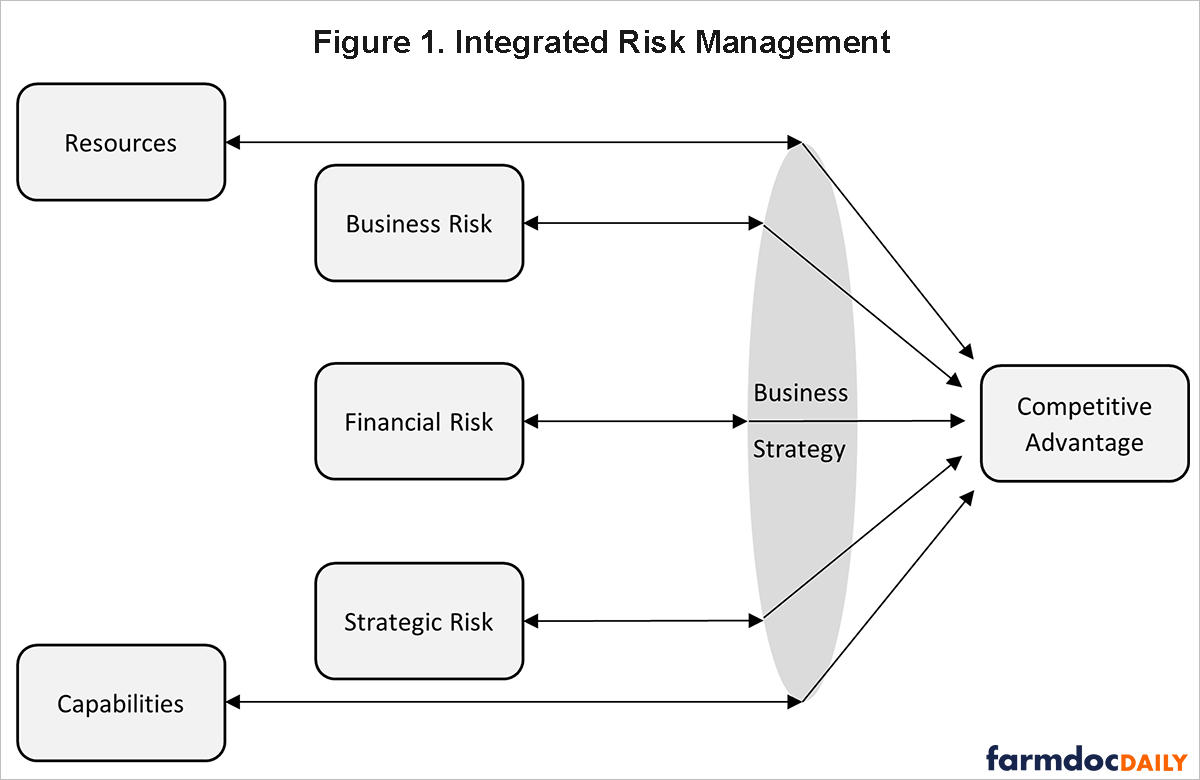
Set a schedule to review financial risks often. Look at your spending, income, and investments closely. Identify any new threats or weak spots. Regular audits keep your risk management up to date and effective.
Adjusting Strategies
Use audit results and financial data to update your plans. Change your budget, reduce costs, or shift investments if needed. Being flexible helps your business stay safe and grow. Adapt quickly to keep risks under control.
Credit: farmdocdaily.illinois.edu
Frequently Asked Questions
What Are Common Financial Risks For Businesses?
Common financial risks include cash flow problems, credit risks, market fluctuations, and unexpected expenses. Identifying these helps businesses prepare and minimize losses.
How Can Businesses Manage Financial Risks Effectively?
Businesses can manage risks by diversifying income, maintaining reserves, monitoring expenses, and using insurance. Regular financial reviews also help spot potential problems early.
Why Is Cash Flow Management Crucial In Risk Control?
Cash flow management ensures businesses have enough liquidity to meet obligations. Proper control prevents insolvency and supports smooth operations during financial uncertainties.
How Does Insurance Help In Managing Financial Risks?
Insurance protects against significant losses from events like theft, liability, or property damage. It transfers risk and provides financial stability during crises.
Conclusion
Managing financial risks helps keep your business stable and strong. Planning ahead reduces surprises and big losses. Use clear budgets and track money regularly. Make smart choices about loans and investments. Always review your plans and adjust them as needed.
Staying aware of risks protects your company’s future. Small actions today can save big problems tomorrow. Keep learning and adapting to handle changes well. Risk management is a key part of business success. Simple steps lead to safer financial health.