Nothing beats biting into a juicy, sweet watermelon on a hot day—but how can you be sure you’re picking the best one every time? You don’t want to end up with a bland or underripe melon that leaves you disappointed.
The good news is, choosing a perfect watermelon isn’t just luck. By learning a few simple tricks, you can spot the sweetest, most flavorful melon right off the shelf. Keep reading, and you’ll discover easy, foolproof tips that will make picking your next watermelon a breeze—and your taste buds will thank you.
Credit: www.eagleeyeproduce.com
Field Spot Importance
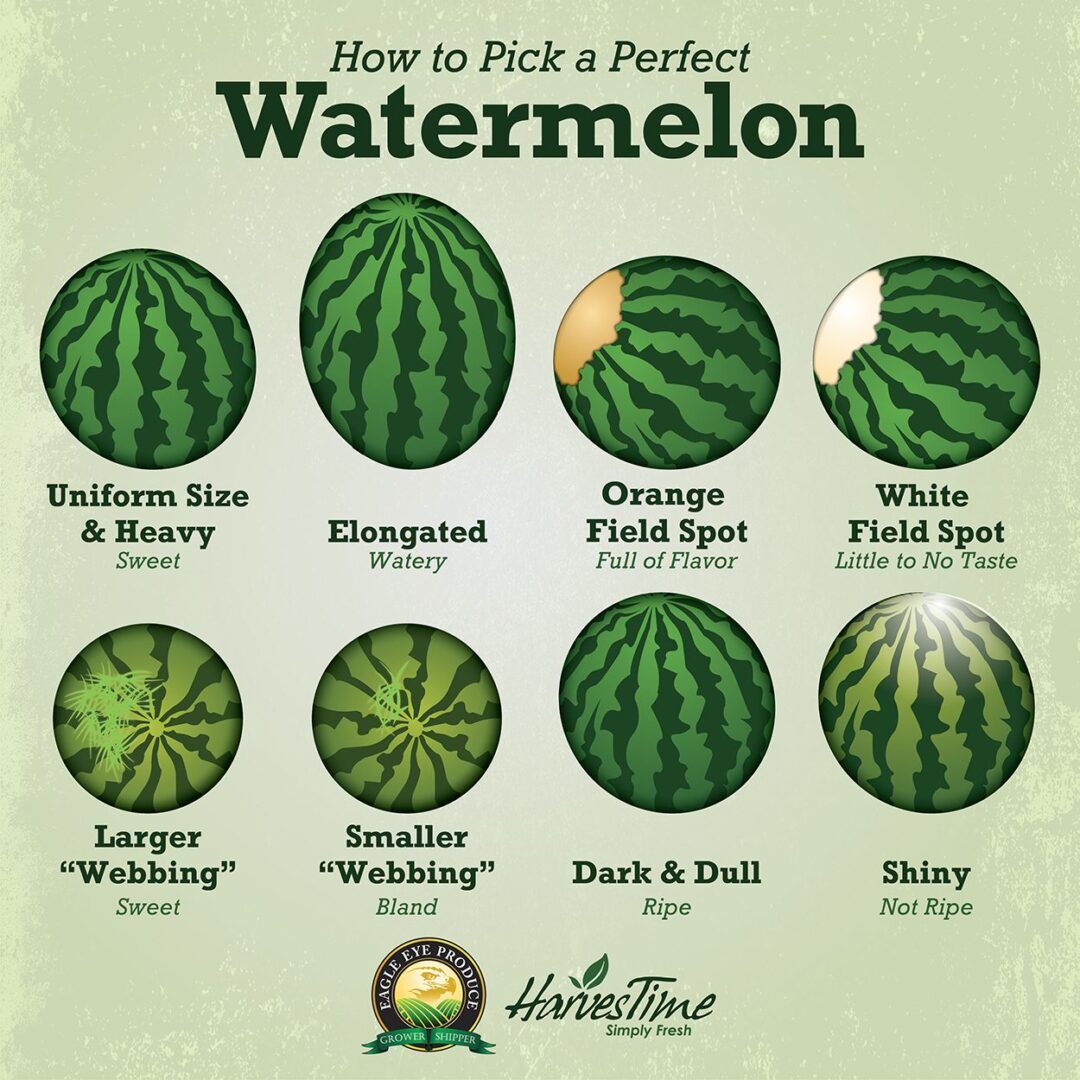
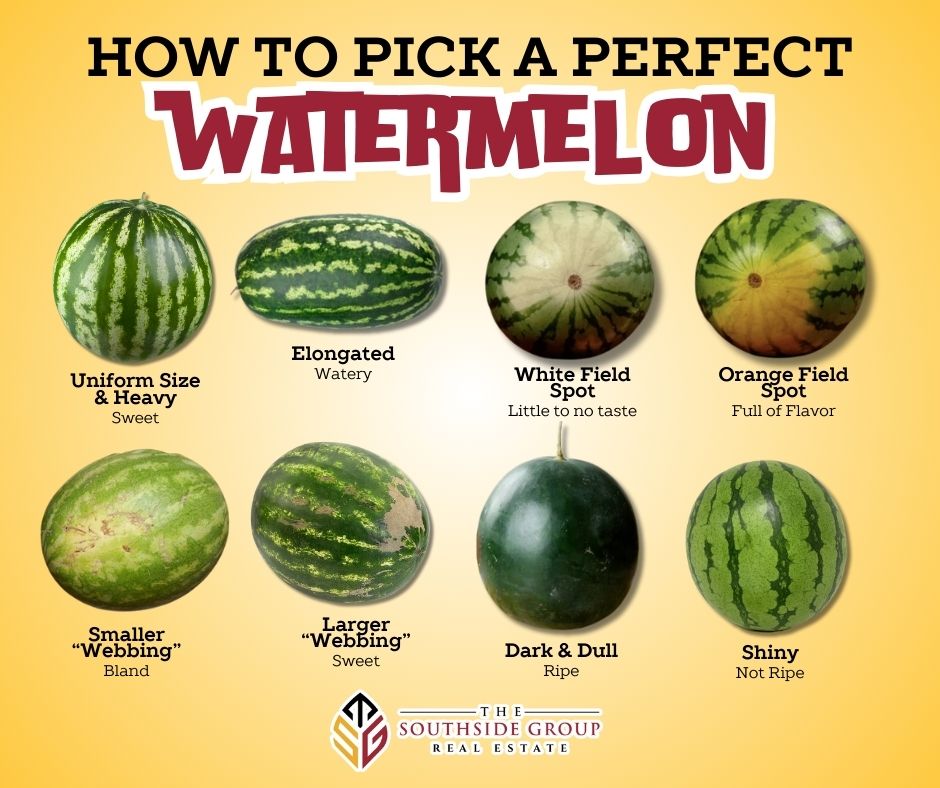
The field spot on a watermelon is a key sign of ripeness. This spot shows where the watermelon rested on the ground. Its color and size tell you if the fruit is sweet and ready to eat. A good field spot means the watermelon grew long enough to ripen fully. Avoid watermelons with very small or white field spots. These may be underripe and less sweet.
Color And Size
The best field spot has a creamy yellow or light orange color. This means the watermelon sat on the ground longer and ripened well. A pale or white field spot shows the fruit was picked too early. The size of the spot matters too. A larger field spot often means a sweeter watermelon. It had more time to develop sugars while growing.
What White Spots Mean
White field spots are a warning sign. They mean the watermelon did not ripen fully on the vine. These watermelons tend to be hard and less juicy. The flavor may be bland or even a bit sour. Avoid picking watermelons with white spots. Choose those with creamy yellow or orange patches instead.
Webbing And Sugar Spots
Knowing how to spot webbing and sugar spots on a watermelon helps find the sweetest fruit. These natural signs show the melon’s sugar level and ripeness. Understanding these details makes choosing a juicy watermelon easier.
How Webbing Indicates Sweetness
Webbing looks like brown, rough lines on the watermelon’s skin. These lines form where bees touched the flower. More webbing means the flower was pollinated well. Good pollination helps the fruit develop more sugar. So, lots of webbing usually means the watermelon is sweeter.
Spotting Sugar Seepage
Sugar spots are small, dark dots on the watermelon’s rind. These spots show where sugar has leaked out. Sugar seepage happens naturally in very sweet melons. Finding these spots means the watermelon is ripe and full of flavor. Avoid melons with many large cracks near sugar spots. They may be overripe or spoiled.
Weight And Juiciness
Weight and juiciness are key factors in choosing a good watermelon. A watermelon that feels heavy usually has more water inside. This means it will be juicy and refreshing. Juiciness makes eating watermelon more enjoyable, especially on hot days. Checking the weight helps you avoid dry or bland melons.
Feeling Heavy For Size
Pick up the watermelon and feel its weight. Compare it to other melons of the same size. The heavier one is likely to have more juice. A light watermelon may be dry or underripe. Weight gives a simple clue about the fruit’s water content. Always trust your hands when selecting melons.
Why Weight Matters
Watermelons are mostly water, about 90% of their weight. A heavier melon means it is full of water and juice. Juicy watermelons taste sweeter and fresher. Weight also shows if the melon is ripe and grown well. Avoid melons that feel light or hollow inside. Weight is an easy test for juiciness and quality.

Credit: www.purveyd.com
Rind Appearance
The rind appearance is a key factor in choosing a good watermelon. It gives clues about the fruit’s ripeness and sweetness. Paying attention to the rind helps avoid watery or underripe melons. The rind’s look and feel reveal much about the watermelon inside.
Dull Vs Shiny Rind
A dull rind usually means the watermelon is ripe and sweet. It shows the fruit has matured under the sun. Shiny rinds often indicate the melon is underripe or picked too early. Choose watermelons with a matte or slightly rough surface for better taste.
Rind Texture Tips
The rind should feel firm and slightly coarse. Avoid watermelons with soft spots or cracks. These signs can mean the fruit is overripe or damaged. A good watermelon rind feels solid and consistent. Light pressure on the rind should not leave dents.
Sound Test
The sound test is a simple way to check watermelon ripeness. It involves tapping the watermelon and listening carefully to the sound it makes. This method helps to find a melon that is juicy and sweet. It is an easy test anyone can do before buying a watermelon.
Tapping Techniques
Use your fingers or palm to tap the watermelon gently. Tap different spots on the melon, especially near the center. Avoid tapping too hard as it can damage the fruit. Listen closely to the sound each tap produces. Practice tapping a few watermelons to get used to the sounds.
What A Hollow Sound Means
A ripe watermelon will produce a deep, hollow sound when tapped. This hollow sound means the fruit is full of water and juice inside. If the sound is dull or flat, the melon may be underripe or dry. A hollow sound usually indicates sweetness and ripeness. Choose melons with this sound for the best taste.
Credit: www.exploremdhomes.com
Stem Condition
The stem condition of a watermelon reveals much about its ripeness and sweetness. Checking the stem helps you avoid unripe or overripe fruit. It also indicates how long the watermelon has been off the vine.
Pay close attention to the color and dryness of the stem. These signs help you pick a watermelon that tastes good and has the best texture.
Dry Brown Stem Benefits
A dry brown stem means the watermelon is ripe and ready to eat. It shows the fruit has fully matured on the vine. This dryness happens when the watermelon naturally separates from the plant.
Watermelons with dry brown stems usually taste sweeter. The sugars have had time to develop fully. Also, these melons tend to have a better texture and juiciness.
Choosing a watermelon with a dry brown stem reduces the chance of buying an underripe fruit. It is a simple way to improve your selection and enjoy a delicious treat.
Avoiding Green Stems
A green stem indicates the watermelon was picked too early. The fruit may be underripe and less sweet. It might also have a harder texture and less juice.
Green stems mean the watermelon is still growing or just removed from the vine. These melons have not fully developed their sugars. This results in a bland taste and less enjoyable experience.
Avoid watermelons with green stems to ensure you pick a ripe and tasty fruit. The stem color is an easy signal to help you choose better.
Shape And Symmetry
The shape and symmetry of a watermelon reveal much about its quality. A good watermelon usually has a consistent shape. This indicates even growth and ripeness. Checking these features helps you avoid melons that may taste bland or be underripe.
Choosing Uniform Melons
Pick watermelons that look balanced and smooth all around. Uniform shapes, like round or oval, show steady growth. These melons often have better texture and flavor. Irregular shapes can mean uneven ripening inside.
Avoiding Odd Bumps
Check the surface for any bumps or dents. Odd bumps might signal poor growing conditions or damage. These parts can be tough or hollow inside. A smooth, even rind usually means the watermelon is juicy and sweet.
Additional Picking Tips
Choosing the right watermelon involves more than just spotting the right color or shape. Additional tips help ensure the fruit is ripe, tasty, and lasts longer. These tips include understanding the best time to pick and how to store your watermelon properly.
Timing And Seasonality
Watermelons taste best during their peak season. In most places, this means summer months. Picking a watermelon too early may result in less sweetness and a hard texture. Late-season watermelons can become watery and lose flavor. Visit local markets when watermelons are freshly harvested. This improves your chances of finding a juicy, ripe melon.
Storage Suggestions
Store whole watermelons at room temperature until ready to eat. Avoid placing them in direct sunlight or very cold spots. Once cut, wrap the watermelon tightly in plastic wrap or place it in an airtight container. Keep cut pieces in the refrigerator. Consume within 3 to 4 days to enjoy the best flavor and freshness.
Frequently Asked Questions
How Do You Pick Out A Good Watermelon?
Choose a watermelon heavy for its size with a creamy yellow field spot. Look for brown webbing, a dull rind, and a dry brown stem. Tap it; a ripe one sounds deep and hollow. Select a symmetrical shape for the best taste and juiciness.
How To Tell Which Is The Sweetest Watermelon?
Choose a watermelon with a creamy yellow or orange field spot, heavy weight, brown webbing, dull rind, and a deep hollow sound when tapped. A dry brown stem and a symmetrical shape also indicate sweetness and ripeness.
What Is The 2 Finger Rule For Watermelon?
The 2 finger rule for watermelon means the rind should be about two fingers thick. This indicates ripeness and sweetness.
How To Tell If A Watermelon Is Ripe By The Stripes?
Check watermelon stripes for contrast; ripe melons have clear, dark green and light green stripes. Faded or dull stripes indicate underripe fruit.
Conclusion
Choosing a good watermelon is simple with these tips. Check for a creamy yellow field spot and brown webbing. Pick a watermelon that feels heavy for its size. Tap it gently and listen for a deep, hollow sound. A dull rind and a dry, brown stem help too.
These signs show a sweet, ripe watermelon ready to enjoy. Use these easy steps to pick the best watermelon every time. Enjoy juicy, fresh watermelon with confidence.