If you’ve spotted mice scurrying around your home, you know how quickly these tiny invaders can turn into a big problem. Mice aren’t just a nuisance—they can damage your belongings, contaminate your food, and even pose health risks.
But don’t worry, you’re not alone, and getting rid of them is easier than you might think. You’ll discover simple, effective ways to stop mice in their tracks and keep your home mouse-free for good. From quick tricks to long-term solutions, you’ll learn exactly what to do to protect your space—and your peace of mind.
Keep reading, because the sooner you act, the faster you’ll reclaim your home.
Credit: www.homedepot.com
Quick Mouse Removal
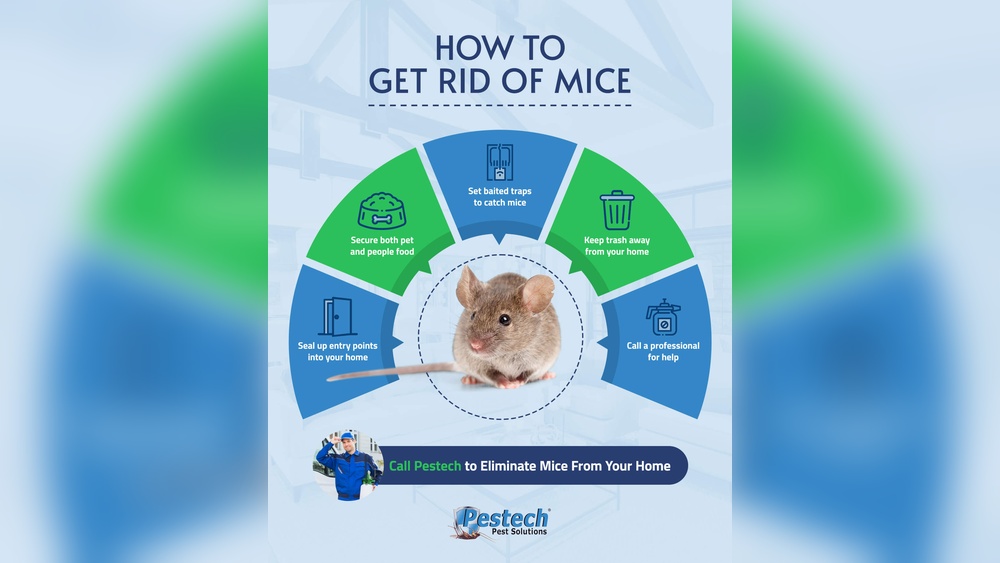
Quick mouse removal is essential to protect your home and health. Mice multiply fast and cause damage. Act swiftly to stop their spread. Use effective methods to catch and block them. Focus on traps, baiting, and sealing entry points. These steps help reduce mice quickly and safely.
Effective Trap Types
Snap traps kill mice instantly. Place them near walls and dark corners. Electric traps are clean and fast. They deliver a quick shock. Live catch traps trap mice without harm. Release them far from your home. Choose traps based on your preference and safety needs.
Baiting Tips
Use peanut butter or cheese as bait. These smells attract mice easily. Place bait in the trap’s center. Check traps every day to remove caught mice. Replace bait if it loses scent. Avoid touching bait with bare hands. Use gloves to keep scent strong.
Sealing Entry Points
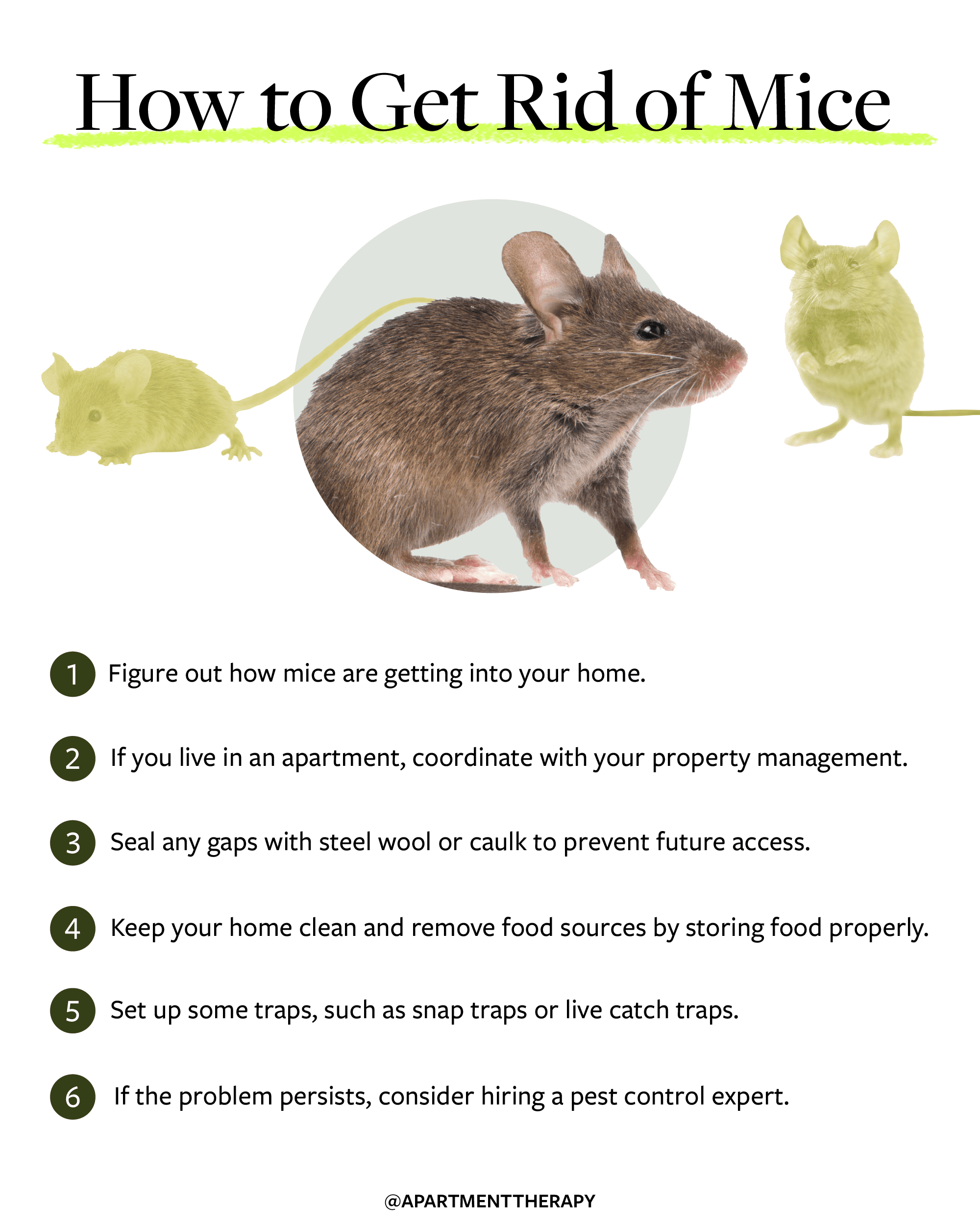
Find holes and cracks mice use to enter. Seal gaps with steel wool or caulk. Mice cannot chew through steel wool. Check doors, windows, and vents carefully. Seal gaps around pipes and cables too. Closing entry points stops new mice from entering. This step keeps your home mouse-free long term.
Credit: www.apartmenttherapy.com
Food And Nest Control
Controlling food and nesting areas is crucial to stop mice from invading your home. Mice enter homes mainly in search of food and cozy places to build nests. Removing these attractants makes your home less inviting to them. Focus on keeping food clean and stored properly. Also, clear clutter that provides hiding or nesting spots. These simple steps limit mice access and reduce the chance of an infestation.
Cleaning Food Spills
Clean all food spills immediately. Crumbs and small bits attract mice. Wipe kitchen counters, floors, and dining areas every day. Use a vacuum or mop to remove tiny particles. Don’t leave dirty dishes out overnight. Pay special attention to pet food bowls and areas where snacks are eaten. Keeping these places spotless denies mice easy food sources.
Sealed Food Storage
Store all food in sealed containers. Use airtight plastic or glass jars with tight lids. Avoid paper or thin plastic bags that mice can chew through. Keep pantry items like cereal, flour, and sugar locked up. Refrigerate leftovers and pet food if possible. Proper storage stops mice from accessing your food and reduces their motivation to stay.
Reducing Clutter
Reduce clutter inside and outside your home. Piles of boxes, papers, and fabrics create perfect hiding and nesting spots. Organize storage areas and dispose of unnecessary items. Keep garages, basements, and attics neat and clean. Cut back dense vegetation near your house. Less clutter means fewer safe places for mice to live and breed.
Natural Repellents
Natural repellents provide a safe and eco-friendly way to keep mice away. They use scents and substances that mice find unpleasant. These repellents do not harm pets or humans. You can use them around your home to prevent mice from entering. Natural methods work best combined with good sanitation and sealing entry points.
Strong Scents Mice Avoid
Mice dislike strong smells that irritate their sensitive noses. Peppermint oil is a popular choice. Its sharp scent confuses and repels mice effectively. Cloves and cinnamon also create odors mice want to escape. Cayenne pepper adds a spicy touch that mice avoid. Place cotton balls soaked in these oils near doors, windows, and holes. Refresh the scents every few days to keep mice away.
Diy Repellent Sprays
Making your own repellent spray is easy and cheap. Mix hot pepper flakes with water and add a few drops of dish soap. The soap helps the mixture stick to surfaces. Spray this solution around mouse entry points and nesting spots. The spicy smell and taste deter mice from returning. Reapply the spray regularly, especially after cleaning or rain. This spray is safe for your family and pets.

Credit: fox-pest.com
Signs Of Infestation
Detecting mice early helps stop infestations before they grow. Look for clear signs that mice have entered your home. These signs show where they live and move. Check your home regularly for evidence. Spotting these clues lets you act quickly and protect your space.
Droppings And Gnaw Marks
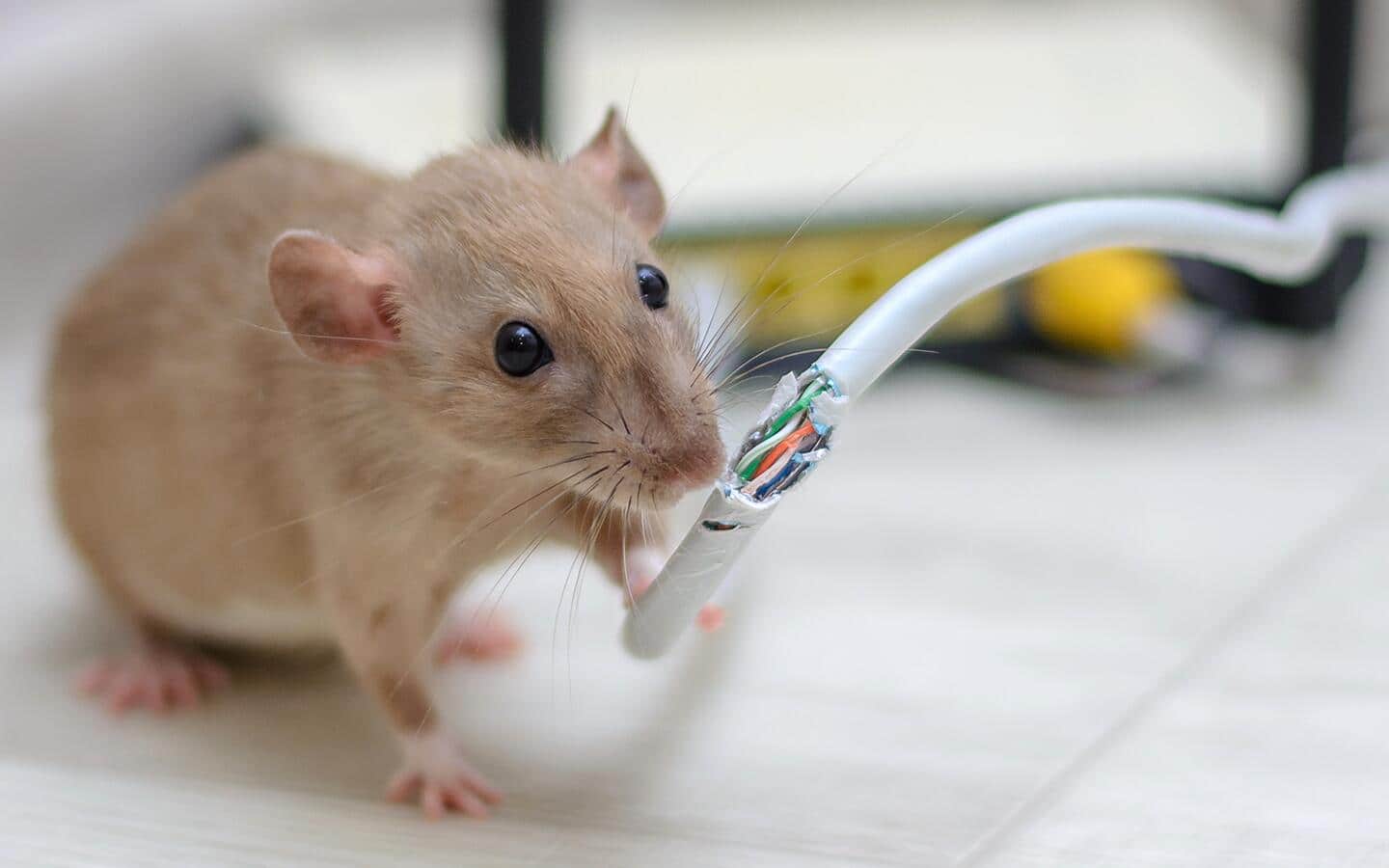
Mice leave small, dark droppings near food and hiding spots. These droppings are about the size of a grain of rice. You may find them in cupboards, drawers, or along walls. Gnaw marks appear on wood, plastic, and wires. These marks are rough and fresh ones look lighter. Both droppings and gnaw marks show active mice nearby.
Nesting Areas
Mice build nests from shredded paper, fabric, and insulation. They hide these nests in quiet, dark places like behind appliances. Look inside boxes, closets, and under furniture. Nests often contain soft materials shaped into small balls. Finding a nest means mice feel safe in your home. Removing nests helps reduce their comfort and presence.
Professional Help
Dealing with mice can quickly become overwhelming. Sometimes, professional help offers the most effective solution. Experts bring knowledge, tools, and experience that ensure complete removal. They also prevent future infestations by identifying weak spots in your home. Hiring professionals saves time and reduces stress for homeowners.
When To Call Exterminators
Call an exterminator if you find many droppings or nests. If traps and DIY methods fail, it is time to get help. Large infestations spread fast and cause more damage. Professionals handle these situations quickly and safely. They also respond if you spot mice during the day. Active daytime mice often mean a serious problem.
Benefits Of Professional Services
Experts use strong, safe products that are not available to the public. They find hidden entry points and seal them properly. Professionals offer thorough inspections and long-term solutions. They reduce risks of disease and damage caused by mice. Their work provides peace of mind and a mouse-free home. Hiring them saves effort and ensures results.
Post-removal Cleanup
Removing mice is only the first step. Post-removal cleanup is critical to prevent health risks and new infestations. Mice carry bacteria and viruses that linger in your home. Their droppings, urine, and nesting materials can cause serious illness.
Proper cleanup helps restore safety and hygiene. It also stops other pests from coming back. Focus on thorough sanitizing and careful disposal of contaminated items. This keeps your home clean and safe after mice removal.
Sanitizing Affected Areas
Wear gloves and a mask before cleaning areas where mice were present. Avoid sweeping or vacuuming droppings to reduce airborne particles. Use a disinfectant or a bleach solution to clean surfaces.
Spray the solution generously and let it sit for at least five minutes. Wipe the area with disposable towels and dispose of them safely. Clean floors, countertops, walls, and any place with droppings or urine stains.
Sanitizing stops bacteria and viruses from spreading. It also removes odors that attract other pests. Repeat the cleaning process if you see any new droppings or signs of mice.
Disposal Of Contaminated Materials
Remove all nesting materials, droppings, and contaminated items carefully. Place them in a sealed plastic bag to avoid spreading germs. Double-bagging is best to prevent leaks or spills.
Dispose of the sealed bags in an outdoor trash bin with a tight lid. Do not reuse contaminated items like cardboard, fabric, or paper. These can harbor germs and encourage mice to return.
After disposal, wash your hands thoroughly with soap and water. Clean and disinfect gloves and tools used during cleanup. Proper disposal ensures your home stays safe and healthy after mice removal.
Preventive Measures
Preventive measures play a key role in keeping mice away from your home. Taking steps to block their entry and remove attractions stops infestations before they start. These actions create a strong barrier against mice and reduce the chance of damage and health risks.
Home Mouse-proofing
Seal all holes and cracks around your house. Use steel wool or caulk to block small gaps. Check doors and windows for proper fitting. Install door sweeps to close gaps under doors. Repair torn screens and vents. Mice can squeeze through holes as small as a dime. Preventing entry is the first line of defense.
Maintaining Cleanliness
Keep your home free of food crumbs and spills. Store food in airtight containers. Take out trash regularly and use bins with tight lids. Clean kitchen counters and floors daily. Remove clutter where mice can hide or nest. A clean environment leaves no food or shelter for mice. This discourages them from settling inside.
Cheap And Easy Methods
Cheap and easy methods help control mice without spending much money. These options use simple tools and items found at home. They work well for small mouse problems. Use these ideas to keep your space mouse-free quickly and affordably.
Diy Trap Options
You can make traps with materials you already have. Snap traps are the most common and effective. Bait them with peanut butter or small pieces of cheese. Place traps along walls or where you see mouse droppings.
Another option is a bucket trap. Put bait inside a deep bucket. Use a ramp to help the mouse enter. The mouse falls in and cannot escape. Check traps daily and dispose of caught mice safely.
Electric traps kill mice instantly. They cost a bit more but are reusable. Set them in active areas for better results. Always follow safety instructions when using traps.
Common Household Items
Certain household items help repel mice naturally. Peppermint oil is a popular choice. Soak cotton balls and place them near mouse entry points. The strong smell keeps mice away.
Cloves and cayenne pepper also deter mice. Sprinkle them in corners and cupboards. Mice dislike these scents and avoid treated areas. Vinegar can clean surfaces and reduce scent trails left by mice.
Another tip is to seal food tightly in containers. This stops mice from finding easy meals. Clean up crumbs and spills quickly. Less food means fewer mice in your home.
Frequently Asked Questions
What Is The Fastest Way To Get Rid Of Mice?
Use snap or electric traps baited with peanut butter near walls. Seal entry points and remove food sources. Clean and declutter to prevent nesting.
What Do Mice Hate The Most?
Mice hate strong smells like peppermint oil, cloves, cinnamon, vinegar, eucalyptus, and predator scents such as cats. These odors repel them effectively.
How Do I Permanently Get Rid Of My Mouse?
Set traps baited with peanut butter and place them near walls. Seal all entry points tightly. Remove food sources and clutter to eliminate nesting spots. Use peppermint oil or cayenne pepper to repel mice. For large infestations, contact a professional exterminator.
Maintain cleanliness to prevent return.
How Many Mice Are In Your House If You See One?
Seeing one mouse usually means 2 to 5 mice live in your house. Mice are social and rarely travel alone.
Conclusion
Getting rid of mice takes patience and steady effort. Set traps and seal all entry points quickly. Keep your home clean and remove food sources. Use natural repellents to keep mice away longer. Watch for signs of a big infestation.
Call a professional if mice keep coming back. Regularly check and maintain your home’s defenses. Taking these steps helps protect your space from mice. Stay consistent and stay mouse-free.