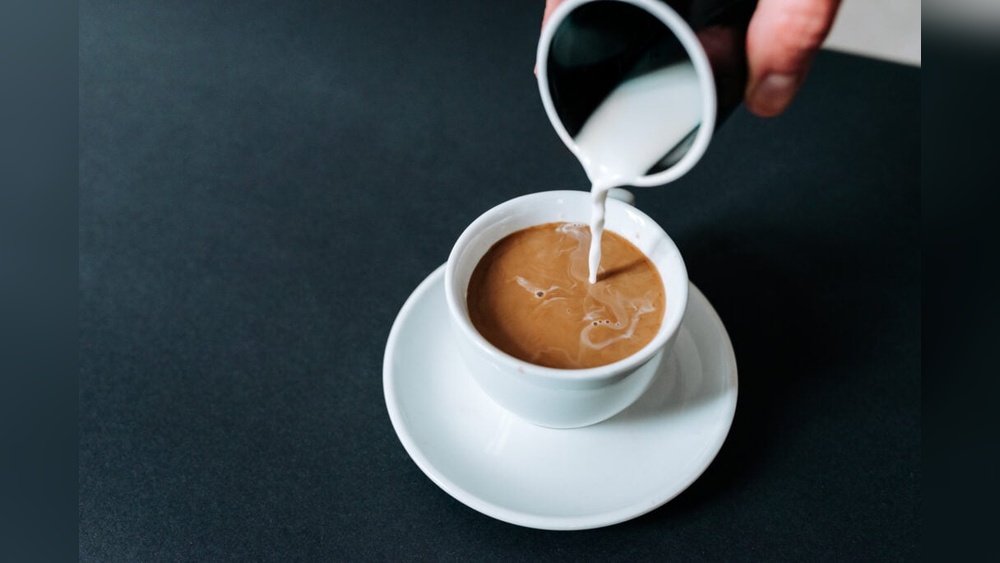
You’ve probably left milk out on the counter and wondered, “Is it still safe to drink?” Knowing exactly how long milk can sit out before spoiling is crucial—not just to avoid wasting food but to protect your health. Milk doesn’t just spoil because of time; temperature plays a huge role, and harmful bacteria can grow quickly if it’s left too warm.
But how long is too long? And can you always trust your nose or taste buds to spot spoiled milk? Keep reading to discover the real answers, learn the safe time limits, and find out what to do if your milk has been sitting out longer than it should.
Don’t risk food poisoning—get the facts now to keep your milk fresh and your kitchen safe.
Milk Spoilage Time
Milk spoilage time depends on how long it stays out at room temperature. Milk can go bad quickly if left unrefrigerated. Understanding the spoilage time helps prevent foodborne illness and waste. Bacteria grow fast in warm milk, causing it to sour and curdle. Knowing safe durations and the effect of temperature is key to keeping milk fresh.
Safe Duration At Room Temperature
Milk should not sit out longer than two hours at room temperature. After two hours, bacteria multiply rapidly. This increases the risk of food poisoning. In warmer conditions above 90°F (32°C), this time reduces to one hour. Leaving milk out overnight is unsafe and leads to spoilage. Always return milk to the fridge after using it.
Effect Of Temperature On Spoilage
Temperature controls how fast milk spoils. The ideal fridge temperature is below 40°F (4°C). At this temperature, milk stays fresh for about 5 to 7 days. Higher temperatures speed up bacterial growth. Milk left at room temperature enters the “danger zone” between 40°F and 140°F. Bacteria multiply quickly here. Ultra-high temperature (UHT) milk lasts longer without refrigeration due to special processing. Regular milk needs constant cold storage to stay safe.
Bacterial Growth Risks
Milk is a perfect place for bacteria to grow quickly. Leaving milk out of the fridge allows bacteria to multiply. This can happen very fast, especially in warm temperatures. Understanding bacterial growth risks helps keep you safe from spoiled milk.
Bacteria in milk can cause it to spoil and lead to health problems. Spoiled milk may look and smell bad, but not always. Dangerous bacteria can be present even if milk seems fine. Always handle milk carefully to avoid risks.
Danger Zone Temperatures
Bacteria grow fastest between 40°F and 140°F (4°C to 60°C). This range is called the “danger zone.” Milk left in this temperature range for more than two hours can spoil. Warmer temperatures speed up bacterial growth. Keep milk below 40°F to slow bacteria.
At room temperature, bacteria double every 20 minutes. This means milk can become unsafe quickly. Avoid leaving milk out on the counter for long periods. Always return milk to the fridge after use.
Health Hazards From Spoiled Milk
Drinking spoiled milk can cause stomach pain, diarrhea, and vomiting. Some bacteria produce toxins that harm your body. Symptoms can start within hours after drinking bad milk. Children, elderly, and sick people are more at risk.
Not all spoiled milk shows clear signs. It may look and smell normal but still cause illness. Never taste milk to check if it is safe. The best choice is to discard milk left out too long.
Signs Of Spoiled Milk
Milk spoils quickly once left out of the refrigerator. Knowing how to spot spoiled milk helps avoid foodborne illness. Some signs are easy to notice and warn you before drinking.
Checking milk carefully can save you from upset stomachs or worse. Pay attention to smell, taste, texture, and appearance. These clues show if milk has gone bad.
Changes In Smell And Taste
Fresh milk has a mild, slightly sweet smell. Spoiled milk smells sour or like yogurt. The odor can be strong and unpleasant.
Tasting a small amount may confirm spoilage. Spoiled milk tastes sour or bitter. Never swallow large amounts if it tastes off.
Texture And Appearance Indicators
Look for lumps or clumps in the milk. Spoiled milk often thickens or curdles. The texture changes from smooth to chunky.
The color may change too. It can turn yellowish or have a cloudy look. Fresh milk is usually white and smooth.
Storage Best Practices
Proper storage of milk helps keep it fresh and safe to drink longer. Milk spoils faster if left out too long or stored incorrectly. Following good storage practices slows bacterial growth and maintains quality. Cold temperatures are essential to prevent milk from going bad quickly.
Ideal Refrigerator Placement
Keep milk in the coldest part of the fridge. Usually, this is the middle or bottom shelves. Avoid storing milk in the door. The door temperature changes often and is warmer. This causes milk to spoil faster. Store milk away from strong-smelling foods to prevent odor absorption. Use airtight containers to keep milk fresh and free from contamination.
Prompt Refrigeration Tips
Always return milk to the fridge immediately after use. Do not leave milk out on counters or tables for more than two hours. In warm weather, reduce this time to one hour. Closing the milk container tightly helps keep air out. Avoid pouring milk into a separate container and leaving it out. These steps help maintain milk’s freshness and safety.
Handling Milk Left Out
Handling milk that has been left out requires care and attention. Milk spoils quickly at room temperature. Bacteria grow fast, making the milk unsafe to drink. Knowing when to discard milk is important to avoid illness. Sometimes, slightly warm milk may still be usable in cooking. Understanding these details helps reduce waste and keeps food safe.
When To Discard
Milk should be discarded if left out for more than two hours. Warm temperatures speed up spoilage. If milk smells sour or has lumps, throw it away. Do not taste milk that looks or smells off. Trust your senses but remember some bacteria cannot be detected this way. When in doubt, it is safer to discard the milk.
Using Slightly Warm Milk In Cooking
Slightly warm milk may be safe for cooking if used immediately. Baking or cooking at high heat can kill some bacteria. Only use milk that smells normal and shows no signs of spoilage. Avoid using warm milk for drinking or cold recipes. Using it right away in cooked dishes can reduce waste but still carries some risk.
:max_bytes(150000):strip_icc()/How-Long-Can-Milk-Be-Left-Out-3x2-1-04bfa21dfeb24cd9a5d4220e37dff5a8.png)
Credit: www.allrecipes.com
Milk Preservation Methods
Milk preservation methods help keep milk safe and fresh longer. Different techniques slow down bacterial growth and spoilage. Understanding these methods can explain why milk lasts differently in various places. Proper preservation also affects how long milk can sit out before spoiling.
Uht Pasteurization Benefits
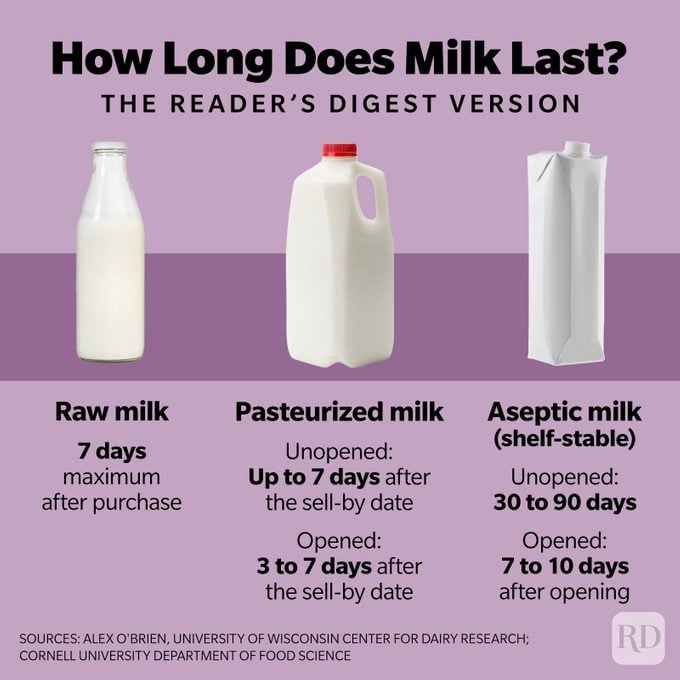
Ultra-high temperature (UHT) pasteurization heats milk to about 135°C (275°F) for a few seconds. This process kills almost all bacteria and spores. Milk treated this way can last for months without refrigeration. UHT milk often comes in sealed, sterile containers. It is popular in places where refrigeration is less common. The long shelf life makes it convenient and reduces waste.
Differences In Milk Storage Across Regions
Milk storage varies worldwide due to climate and technology. In many European countries, UHT milk is common. People store it at room temperature until opened. In the United States, fresh pasteurized milk needs constant refrigeration. The warm climate in some countries requires faster consumption or better cooling. Local habits and infrastructure influence how milk is preserved and stored.
Common Mistakes In Milk Storage
Storing milk properly is key to keeping it fresh and safe to drink. Many people make simple mistakes that cause milk to spoil faster. These common errors often reduce milk’s shelf life and can lead to waste or illness. Understanding these mistakes helps in preserving milk better and avoiding unnecessary spoilage.
Avoiding Frequent Temperature Changes
Milk spoils faster when its temperature changes often. Taking milk out and putting it back in the fridge repeatedly warms it slightly each time. This creates a perfect environment for bacteria to grow. Always take out only the amount of milk you need. Keep the rest cold and stable in the fridge. Store milk in the main body of the fridge, not the door, where temperature fluctuates more.
Misjudging Milk Freshness By Smell Or Taste
Many people trust their nose or taste to check if milk is fresh. This can be risky. Milk may look and smell fine but still have harmful bacteria. Relying on smell or taste alone can lead to drinking spoiled milk unknowingly. Always check the expiration date and how milk was stored. When in doubt, it’s safer to discard milk than risk food poisoning.
Credit: www.rd.com

Credit: riversfamilyfarm.com
Frequently Asked Questions
Can I Drink Milk Left Out For 4 Hours?
Milk left out for 4 hours is unsafe to drink. Bacteria grow quickly at room temperature, risking food poisoning. Always refrigerate milk promptly.
How Long Can Milk Stay Unrefrigerated Before It Spoils?
Milk spoils if left unrefrigerated for more than two hours at room temperature. Bacteria grow rapidly above 40°F (4°C). Always refrigerate milk promptly to keep it safe and fresh. Discard milk showing sour smell, curdling, or off taste to avoid food poisoning.
Why Does Europe Not Refrigerate Their Milk?
Europe uses ultra-high temperature (UHT) pasteurization to kill bacteria. This process keeps milk safe without refrigeration for months.
At What Temperature Does Milk Start To Spoil?
Milk starts to spoil above 40°F (4°C). Bacteria multiply quickly in this “danger zone,” causing sour smell and curdling. Always refrigerate milk below 40°F to keep it fresh and safe.
Conclusion
Milk spoils quickly when left out at room temperature. Bacteria grow fast, making it unsafe after two hours. Trusting smell or taste is risky, as harmful germs may not be obvious. Always refrigerate milk promptly and store it in the coldest fridge spot.
If milk smells sour or looks lumpy, throw it away. Using spoiled milk can cause stomach problems. It’s better to be safe than sorry. Keep milk cold to enjoy it fresh and avoid illness. Small actions protect your health every day.