Imagine waking up each day without money worries holding you back. Financial freedom isn’t just a dream—it’s something you can achieve with the right plan.
This step-by-step guide will walk you through clear, simple actions you can take to take control of your money and build the life you want. Whether you’re just starting out or looking for a fresh approach, these steps are designed to help you break free from stress and step into true financial independence.
Ready to change your future? Let’s dive in.

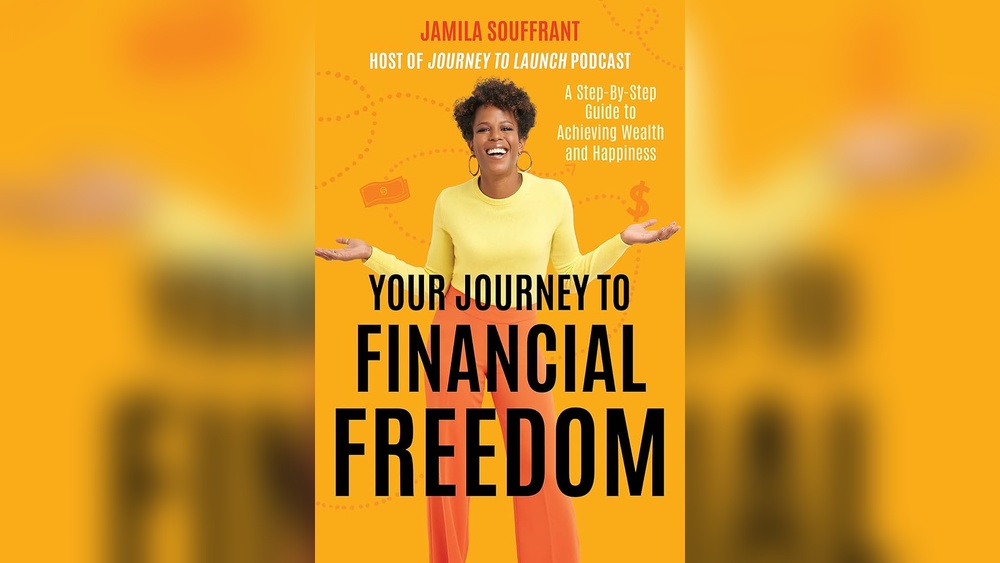
Credit: www.mahoganybooks.com
Set Clear Financial Goals
Setting clear financial goals creates a strong foundation for your money journey. Goals give your efforts direction and purpose. They help you track progress and stay motivated.
Without clear goals, managing money feels like guesswork. Defining what you want to achieve makes planning easier. It also shapes your saving and spending habits.
Short-term Vs Long-term Goals
Short-term goals focus on what you want in a few months or years. Examples include saving for a vacation or paying off a credit card. These goals keep you motivated daily.
Long-term goals are bigger and need more time. They include buying a home, retirement savings, or funding education. These require steady planning and patience.
Both types matter. Balancing them helps you enjoy life now and secure your future.
Prioritize Your Objectives
List your goals by importance and urgency. Decide which need immediate attention and which can wait. Prioritizing avoids feeling overwhelmed and guides your spending wisely.
Focus on high-priority goals first. For example, clearing debt before luxury purchases. This approach builds a stable financial base quickly.
Revisit your priorities regularly. Life changes, and so will your goals. Adjusting plans keeps you on the right path.

Credit: bookshop.org
Create A Budget Plan
Creating a budget plan is the foundation of financial freedom. It helps you control your money and make smart choices. A clear budget shows where your money comes from and where it goes. This clarity guides your saving and spending habits. Start by understanding your income and expenses. Then, find patterns in your spending to adjust your habits. A budget plan keeps your goals on track and reduces money stress.
Track Income And Expenses
Begin by listing all sources of income. Include salary, bonuses, and any side earnings. Next, record every expense. Track bills, groceries, transport, and small purchases. Use a notebook, app, or spreadsheet for accuracy. Check regularly to avoid missing items. Tracking helps see the real flow of money. It stops surprises and prepares you for expenses ahead.
Identify Spending Patterns
Look at your tracked expenses closely. Find where most money goes. Notice habits like dining out or impulse buys. Spot fixed costs like rent and utilities. Identify areas to cut back or adjust. Patterns show if you spend more than you earn. Adjusting these habits frees up money for savings. This step builds the path to financial freedom.
Build An Emergency Fund
Building an emergency fund is a crucial step toward financial freedom. It acts as a safety net during unexpected events. This fund prevents you from falling into debt when emergencies arise. Start by setting aside small amounts regularly. Over time, these amounts grow into a reliable financial cushion. Having this fund brings peace of mind and financial stability.
Importance Of Savings
Savings provide security in uncertain times. Emergencies like job loss or medical bills can happen anytime. Without savings, you may rely on credit cards or loans. This leads to more financial stress and debt. An emergency fund helps you cover costs without borrowing. It keeps your financial goals on track. Saving money also builds good financial habits. These habits support long-term financial freedom.
How Much To Save
Financial experts recommend saving three to six months of expenses. Calculate your monthly costs for rent, food, utilities, and transportation. Multiply this by the number of months you want to cover. For example, if your monthly expenses are $1,000, aim to save $3,000 to $6,000. Start with a smaller goal if this seems hard. Gradually increase your savings as you can. The key is consistency and patience. Every dollar saved strengthens your emergency fund.
Eliminate Debt Strategically
Eliminating debt is a key step toward financial freedom. It frees your income and reduces stress. A clear plan helps you pay off debt faster and smarter. Focus on debts that cost you the most money first. Use a method that fits your style and keeps you motivated.
Types Of Debt To Target
Start with high-interest debts like credit cards. They grow quickly and drain your money. Next, look at personal loans and payday loans. These often have high rates too. Avoid ignoring small debts; they add up over time. Mortgage and student loans usually have lower rates. Pay these off last unless you can clear them quickly.
Debt Repayment Methods
The debt avalanche method targets the highest interest first. Pay extra on that debt while making minimum payments on others. It saves money on interest over time. The debt snowball method focuses on the smallest debts first. Clearing small debts gives quick wins and motivation. Choose a method that matches your personality and budget. Track your progress monthly to stay on course.
Increase Income Streams
Increasing your income streams is a key step toward financial freedom. Relying on a single paycheck limits your growth. Multiple income sources create stability and faster wealth-building. You gain financial security and more opportunities to save and invest. Diversifying income reduces risks if one source stops. Explore practical ways to add new income streams that fit your skills and lifestyle.
Side Hustles And Freelancing
Side hustles offer extra cash beyond your main job. Choose tasks you enjoy or skills you already have. Examples include tutoring, pet sitting, or selling handmade goods. Freelancing lets you sell services like writing, design, or programming. Use online platforms to find clients easily. Set clear goals and manage your time well. Side hustles and freelancing boost income and build new skills.
Investing For Passive Income
Investing creates income with little ongoing effort. Start with small amounts in stocks, bonds, or real estate. Dividend stocks pay regular cash to shareholders. Rental properties generate monthly rent payments. Peer-to-peer lending offers interest income. Passive income adds money steadily without daily work. Research investments carefully to reduce risks. Patience and consistency grow your wealth over time.
Invest Wisely
Investing wisely is a key step toward financial freedom. Making smart choices with your money helps it grow over time. Careful investing reduces risks and increases the chance of good returns. Knowing where and how to invest builds a solid financial future.
Understand Different Investment Options
Investments come in many forms. Stocks let you own parts of companies. Bonds are loans you give to governments or businesses. Real estate means buying property to earn rental income or sell at a profit. Mutual funds pool money from many investors to buy a mix of assets. Each option has different risks and rewards. Learn about each before you invest.
Some investments offer quick returns but come with higher risks. Others grow slowly but are safer. Choose options that match your goals and risk comfort. Understanding your choices helps you make better decisions.
Diversify Your Portfolio
Don’t put all your money in one place. Spreading investments across different types reduces risk. If one investment falls, others may stay stable or grow. Diversification protects your money from market ups and downs. Mix stocks, bonds, real estate, and other assets. This balance helps steady your returns over time.
A diverse portfolio fits different market conditions. It can improve your chances of steady growth. Regularly review and adjust your investments to keep them balanced. Wise diversification supports long-term financial success.
Manage Risks Effectively
Managing risks effectively is a key part of building financial freedom. It means protecting your money and assets from unexpected problems. Careful risk management helps keep your financial plan on track. It reduces the chance of losing money due to accidents, illness, or bad choices.
By managing risks, you create a safety net. This allows you to focus on growing your wealth without constant worry. Smart steps in risk management give you peace of mind. They also help you avoid setbacks that can slow your progress.
Insurance And Protection
Insurance is a powerful tool to protect your finances. It covers costs in case of accidents, health issues, or property damage. Health insurance helps pay medical bills. Life insurance supports your family if you pass away. Home and auto insurance protect your valuable property.
Choose insurance plans that match your needs and budget. Review them regularly to ensure proper coverage. Insurance reduces financial stress during tough times. It stops unexpected costs from wiping out your savings.
Avoiding Financial Pitfalls
Financial pitfalls are mistakes that can cost you money and time. Avoiding these errors is crucial for financial freedom. Don’t take on debt that you can’t repay easily. High-interest loans and credit card debt can trap you.
Watch out for scams and get-rich-quick schemes. These often lead to big losses. Build an emergency fund to cover unexpected expenses. This fund helps you stay on track without borrowing money.
Stay disciplined with your budget and spending habits. Small careless choices can add up and hurt your progress. Protect your future by making smart and cautious financial decisions today.

Credit: rep.club
Develop Positive Money Habits
Developing positive money habits forms the foundation of financial freedom. Habits shape daily decisions that impact your money future. Building good habits takes time and effort. Yet, the benefits last a lifetime. Small changes in how you save and spend create big results over time. Consistency matters more than perfection. This section covers key habits for lasting financial health.
Consistent Saving And Spending Discipline
Saving money regularly builds a safety net for emergencies. Set a fixed amount to save every month. Treat saving like a bill that must be paid. Track your spending to avoid overspending. Use a budget to plan your expenses. Prioritize needs over wants. Avoid impulse purchases by waiting before buying. Discipline in spending keeps your finances under control. Over time, savings grow and reduce money stress. This habit creates freedom from debt and financial worries.
Continuous Financial Education
Learning about money helps you make smarter choices. Read books, articles, and reliable online resources. Understand concepts like budgeting, investing, and credit scores. Keep updated on changes in the economy and finance rules. Join workshops or webinars if possible. Ask questions to financial experts or advisors. Education helps avoid costly mistakes. It builds confidence in managing money. The more you learn, the better your financial decisions become.
Monitor Progress Regularly
Monitoring your progress regularly is essential on the path to financial freedom. It helps you stay focused and aware of your financial status. Regular checks show you what is working and what is not. This way, you can make smart choices to keep moving forward.
Adjusting Plans As Needed
Your financial plan is not set in stone. Life changes and so do your goals. Check your progress often to see if your plan still fits your needs. If you find some steps are hard to follow, adjust them. Change your budget, savings, or investment methods if needed. Small changes can make a big difference over time. Stay flexible and open to new ideas.
Celebrating Milestones
Recognize and celebrate each milestone you reach. It could be paying off a debt or reaching a savings goal. Celebrations keep you motivated and positive. They remind you that your hard work pays off. Simple rewards, like a nice meal or a day off, encourage you to keep going. Enjoy every success, no matter how small.
Frequently Asked Questions
What Is Financial Freedom And Why Is It Important?
Financial freedom means having enough income to cover expenses without stress. It allows independence, reduces worry, and enables pursuing goals freely.
How Can I Start My Journey To Financial Freedom?
Begin by budgeting, reducing debt, and saving consistently. Set clear goals and track progress regularly for motivation and success.
What Are The Key Steps To Achieve Financial Freedom?
Key steps include managing expenses, building emergency savings, investing wisely, and diversifying income sources steadily over time.
How Long Does It Take To Achieve Financial Freedom?
Time varies based on income, spending habits, and goals. Consistent saving and smart investing can shorten the journey significantly.
Conclusion
Achieving financial freedom takes time and steady effort. Start small, focus on saving, and reduce debt. Build good habits and track your progress regularly. Stay patient and keep learning about money management. Your future self will thank you for the smart choices.
Financial freedom is possible for everyone willing to try. Begin your journey today and take control of your life.