Imagine having complete control over your bank account right at your fingertips, anytime and anywhere. That’s exactly what net banking offers you—a simple, fast, and secure way to manage your money online without stepping into a bank.
Whether you want to check your balance, transfer funds, or pay bills, net banking makes it effortless. But how does it actually work? And what do you need to get started? Keep reading to discover everything you need to know about net banking and how it can make your financial life easier.
Credit: www.sketchbubble.com
Net Banking Basics
Net banking basics are essential to understand how banks offer online services. It allows users to handle banking tasks without visiting a branch. This section explains what net banking means, who can use it, and its core features.
What Net Banking Means
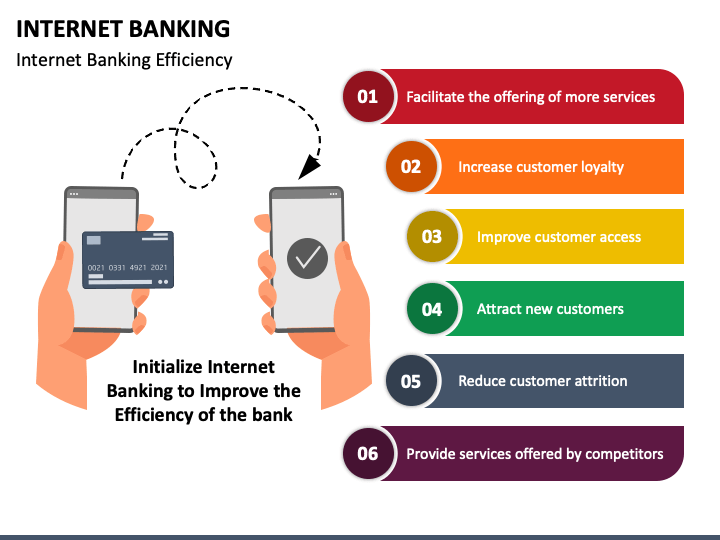
Net banking, also called online banking, lets you access your bank account through the internet. You can check balances, transfer money, and pay bills anytime. It uses a secure website or app to protect your data. Net banking simplifies managing money with just a few clicks.
Who Can Use It
Anyone with a bank account can use net banking. The bank usually requires you to register for the service. You need a computer, smartphone, or tablet with internet access. Basic knowledge of using apps or websites helps. Net banking is designed for all age groups and skill levels.
Core Features
Net banking offers many useful features. You can view account statements and transaction history easily. It allows instant money transfers within the same bank or to others. Bill payments, loan applications, and fixed deposits are available online. Some banks provide customer support and alerts through net banking.
How Net Banking Works
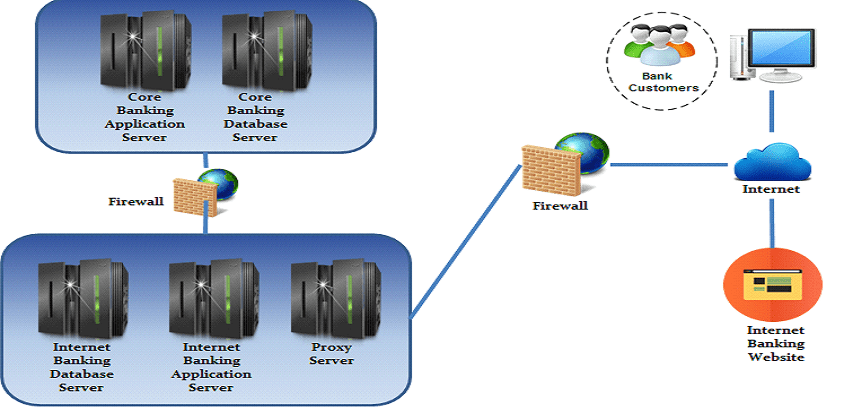
Net banking allows users to handle banking tasks online. It works through a secure platform provided by banks. This system connects your bank account to the internet for easy access. Understanding how net banking works helps users make the most of it. Below are the main steps involved in net banking.
Account Setup
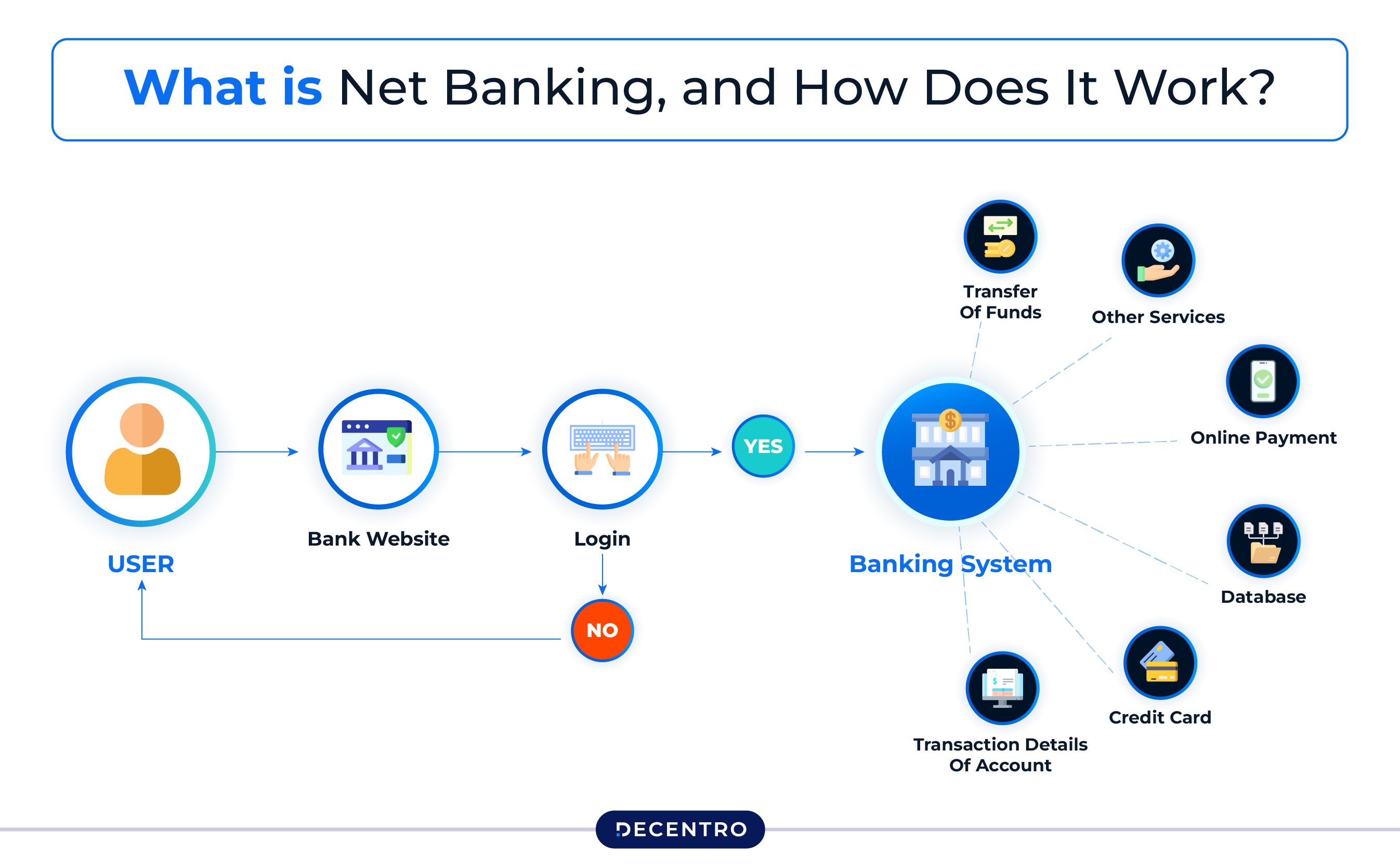
First, you need a bank account. Next, register for net banking with your bank. Banks often provide a form or online option to apply. You must provide details like your account number and mobile number. After verification, the bank activates your net banking service. You will get a user ID and password to access your account.
Login Process
Visit your bank’s official website or mobile app. Enter your user ID and password carefully. Some banks use additional security steps, like OTPs sent to your phone. This extra step protects your account from unauthorized access. After successful login, you reach your net banking dashboard.
Performing Transactions
From the dashboard, you can check your balance and transaction history. You can transfer money to other accounts instantly. Many banks allow bill payments and mobile recharges online. You can also set up fixed deposits or request cheque books. Each action requires confirming your identity, often by entering a PIN or OTP.
Key Services Offered
Net banking offers a range of services that simplify how people manage their money. These services help users save time and avoid visits to the bank. Each service is designed to be simple and secure. Understanding these key services helps users get the most from net banking.
Fund Transfers
Fund transfers let users send money quickly between accounts. Transfers can be within the same bank or to different banks. Users enter the recipient’s account details and the amount to send. Most banks support instant transfers through systems like NEFT, RTGS, or IMPS. This service eliminates the need to visit a branch or write checks.
Bill Payments
Bill payments allow users to pay utility bills online easily. Electricity, water, gas, and phone bills can all be paid through net banking. Users can set up one-time or recurring payments. This service ensures bills are paid on time, avoiding late fees. It also provides a digital record of payments for future reference.
Account Management
Account management tools help users keep track of their finances. Users can check account balances and view transaction history anytime. They can also download statements for record-keeping or tax purposes. Some banks offer options to update personal details or request new chequebooks online. These features give users full control over their accounts without visiting the bank.
Credit: www.nelito.com
Security Measures
Security measures play a crucial role in net banking. They protect your money and personal information. Banks use strong technology and rules to keep your data safe. Understanding these security steps helps you trust online banking services.
Encryption Technology
Encryption scrambles your data during online transactions. It converts your information into code. Only the bank’s system can decode this code. This process stops hackers from stealing your data. Encryption creates a secure link between you and the bank.
Two-factor Authentication
Two-factor authentication adds an extra layer of security. It asks for two types of identification before access. Usually, you enter a password and a unique code sent to your phone. This step ensures only you can log in. It reduces the risk of unauthorized access.
Fraud Prevention Tips
Never share your passwords or PINs with others. Use strong, unique passwords for your bank account. Update your passwords regularly to stay secure. Avoid using public Wi-Fi for online banking. Always log out after finishing your session. Watch for suspicious emails or messages asking for your details.
Benefits Of Net Banking
Net banking offers many benefits that make managing money simple and fast. It removes the need to visit bank branches. Many tasks can be done with just a few clicks. Security features protect your financial information. These advantages help millions handle their banking needs online every day.
Convenience And Accessibility
Net banking allows you to access your account anytime, anywhere. Use a computer or smartphone with internet access. Check balances, transfer funds, and pay bills easily. No need to wait in long bank lines or follow branch hours. This ease of use suits busy schedules and remote locations.
Time And Cost Savings
Online banking saves time by completing transactions quickly. Avoid travel costs to visit the bank. Payments and transfers occur instantly or within minutes. It reduces paperwork and manual errors. This efficiency lowers overall banking costs for customers.
24/7 Availability
Banking services are available 24 hours a day, seven days a week. Perform transactions at night or during weekends without restrictions. Emergency payments or transfers can be made anytime. This constant access ensures your money management is flexible and reliable.
Challenges And Risks
Net banking offers great convenience but comes with challenges and risks. Users must understand these to protect their finances. Banks work hard to keep systems safe, but threats still exist. Being aware helps users avoid problems and use net banking wisely.
Cybersecurity Threats
Cyber attacks target online banking systems frequently. Hackers try to steal passwords and personal data. Phishing emails trick users into giving away information. Malware can infect devices and capture login details. Banks use encryption to protect data. Users should avoid clicking unknown links or sharing passwords. Regularly updating passwords adds security.
Technical Issues
System downtime can disrupt banking services. Server errors may prevent access to accounts. Slow internet can delay transactions or cause timeouts. Software bugs might create glitches during payments. Banks perform regular maintenance to reduce problems. Users need patience during updates. Using reliable internet helps smooth transactions.
User Errors
Users may enter wrong account numbers or amounts. Forgetting passwords can lock accounts temporarily. Sharing login details risks unauthorized access. Ignoring security alerts increases vulnerability. Mistakes can cause delays or failed transactions. Double-check information before submitting payments. Use strong, unique passwords and keep them private.
Registration And Activation
Registration and activation are the first steps to start using net banking. Without completing these steps, you cannot access online banking services. The process is simple and secure. It ensures only authorized users can manage their accounts online.
After registration, you gain the ability to check balances, transfer money, and pay bills from anywhere. The activation process usually involves verifying your identity and setting up secure login credentials.
Required Information
To register for net banking, you need specific details. These include your bank account number and registered mobile number. You also need your Customer Information File (CIF) number. Some banks require your debit card details like card number and expiry date. Keep your personal identification documents handy as some banks ask for them.
Step-by-step Registration
Start by visiting your bank’s official website or mobile app. Find the net banking registration link. Enter your account number and registered mobile number carefully. Provide the CIF number when asked. Next, enter your debit card details if required. Create a username and password for login. Complete the verification process by entering the one-time password (OTP) sent to your phone. After submitting, your registration will be processed by the bank.
Troubleshooting Activation
Activation may fail due to incorrect information or network issues. Double-check all entered details for accuracy. Ensure your registered mobile number is active to receive OTP. Clear your browser cache or try a different device if problems persist. Contact your bank’s customer support for help if activation does not complete. They can assist with resetting your credentials or unlocking your account.
Tips For Smooth Usage
Using net banking is simple and saves time. Following some key tips helps keep your online banking smooth and safe. These tips protect your money and personal details from threats. They also make your banking experience more reliable and stress-free.
Maintaining Password Security
Choose a strong password with letters, numbers, and symbols. Avoid easy words or dates. Change your password often to block hackers. Do not share your password with others. Use different passwords for different accounts. Enable two-factor authentication for extra safety.
Regular Account Monitoring
Check your bank statements and transactions regularly. Look for any unusual or unauthorized activity. Report suspicious transactions to your bank immediately. Regular monitoring helps catch problems early. It keeps your account secure and under your control.
Updating Contact Information
Keep your phone number and email updated with your bank. This ensures you get all alerts and notifications on time. Quick updates help banks contact you if needed. It also makes password recovery easier in case you forget it.
Future Of Net Banking
The future of net banking looks promising as technology advances and user needs evolve. Banks are continuously adapting to offer faster, safer, and more convenient services. Digital banking will become more integrated into daily life, making it easier to manage money anytime and anywhere.
Security will improve with smarter authentication methods. Services will expand to include personalized financial advice and seamless payment options. The aim is to provide a smooth, user-friendly experience for all customers.
Integration With Mobile Apps
Mobile apps will play a key role in net banking’s future. Banks are designing apps that work smoothly on smartphones and tablets. These apps allow users to check balances, transfer funds, and pay bills quickly.
Apps will include features like fingerprint login and face recognition. This makes access faster and more secure. Push notifications will alert users about transactions and offers immediately.
Emerging Technologies
New technologies like artificial intelligence and blockchain will shape net banking. AI can help detect fraud and offer personalized financial advice. Chatbots will assist users 24/7 with their banking needs.
Blockchain technology will improve transaction transparency and security. It will reduce fraud and speed up payments. These technologies will make net banking safer and smarter.
Growing User Trends
The number of net banking users is growing rapidly worldwide. More people prefer digital banking over visiting branches. Younger generations expect easy-to-use online services at their fingertips.
Users want instant transactions and simple interfaces. They also seek multi-device access, using laptops, phones, and tablets interchangeably. Banks will focus on meeting these trends to stay relevant.
Credit: decentro.tech
Frequently Asked Questions
What Is Net Banking With An Example?
Net banking lets you access and manage your bank account online. For example, you can transfer funds using your bank’s website anytime.
What Is Required For Net Banking?
To use net banking, you need an active bank account, registered mobile number, account details, and internet access. Register online or at your bank branch.
What Are The Disadvantages Of Netbanking?
Netbanking risks include security threats, technical issues, limited personal support, and potential hidden fees. It may confuse new users.
What Is The Main Purpose Of Net Banking?
Net banking enables secure online access to bank accounts. It allows users to check balances, transfer funds, pay bills, and manage finances anytime.
Conclusion
Net banking makes managing money simple and quick. It saves time by letting you do banking tasks online. You can check balances, transfer money, and pay bills anytime. The system uses strong security to keep your data safe. Learning to use net banking is easy with practice.
It helps you avoid long lines at the bank. Many people now prefer net banking for its convenience. Start using net banking to enjoy these benefits today.