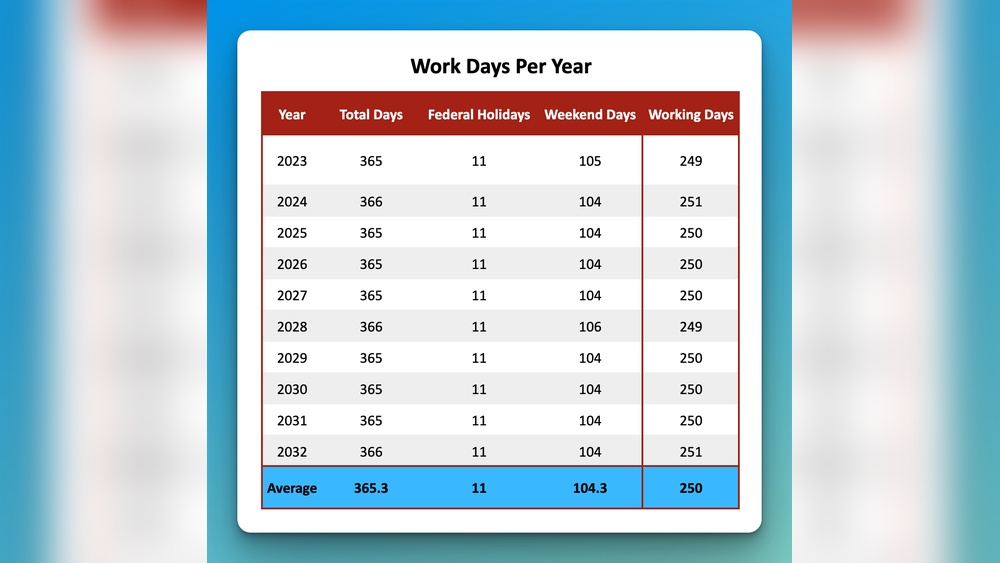
Are you curious about how many business days you actually have in a year? Whether you’re planning projects, calculating payroll, or setting goals, knowing the exact number of business days can make a big difference in your success.
You might assume it’s just the total days minus weekends, but holidays and regional differences can change the count—and that affects your planning and productivity. Keep reading to discover how to accurately figure out the business days in a year, so you can make smarter decisions and get the most out of your work schedule.
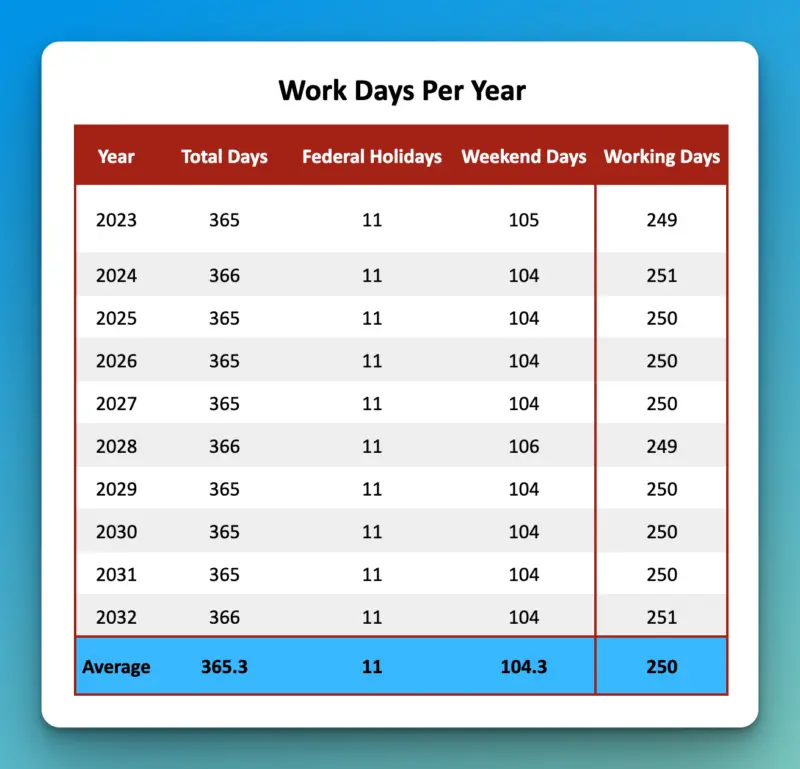
Credit: buildremote.co
Business Days Defined
Business days are the days companies operate and conduct transactions. They exclude weekends and certain holidays. Understanding business days helps in planning projects and setting deadlines.
Many people confuse business days with weekdays. Knowing the difference is important for accurate scheduling.
Weekdays Vs Business Days
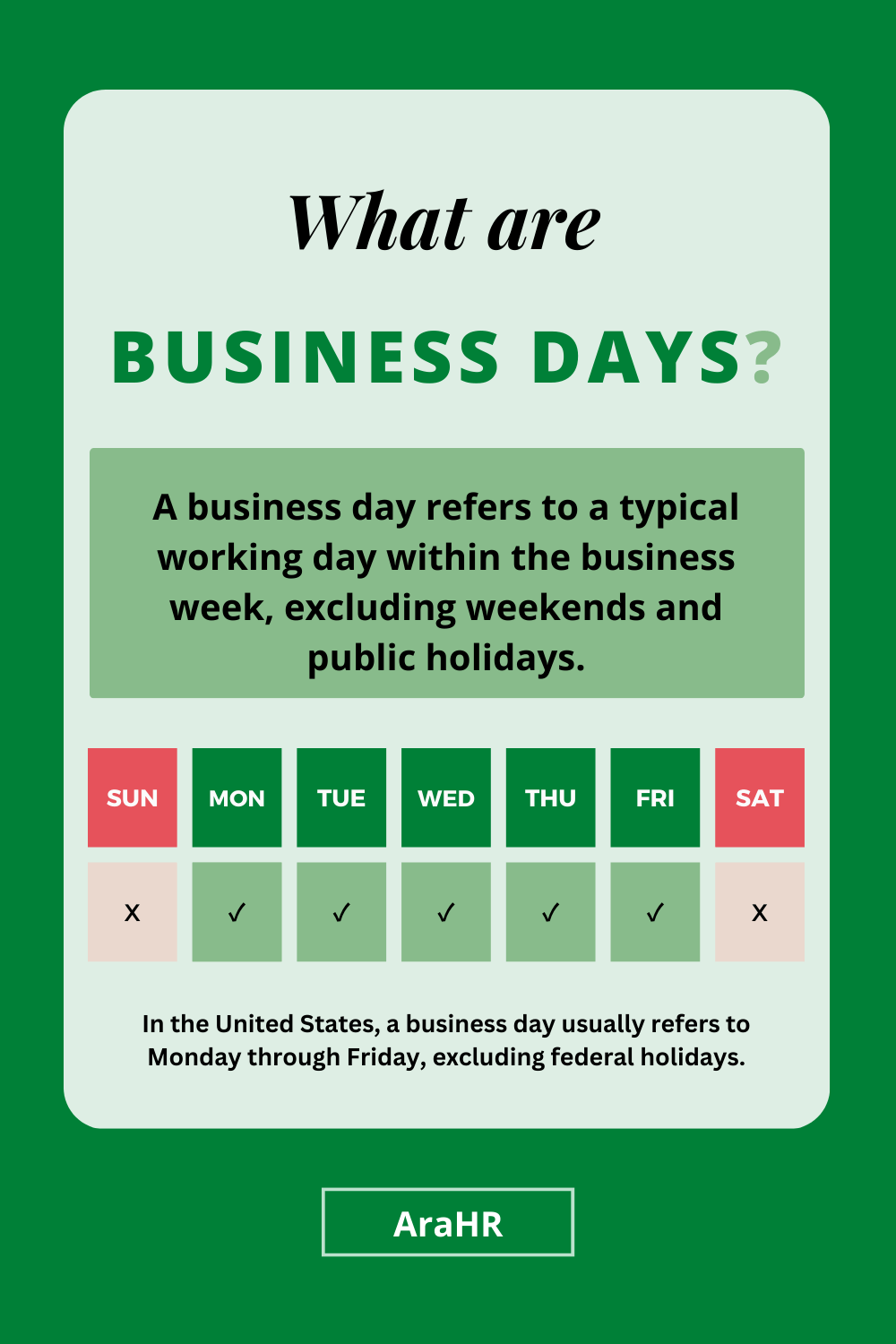
Weekdays are Monday through Friday. Business days usually mean the same but can vary. Some businesses count Saturday as a business day. Weekends, Saturday and Sunday, are typically not business days.
Public Holidays Impact
Public holidays reduce the number of business days. These holidays differ by country and region. When a public holiday falls on a weekday, that day is not a business day. This affects work schedules and delivery times.
Regional Variations
Business day definitions vary across regions. Some countries have different weekends, like Friday and Saturday. Public holidays also differ by location. Always check local calendars for accurate business day counts.
Calculating Business Days
Calculating business days in a year helps plan work schedules and deadlines. Business days exclude weekends and public holidays. Knowing the exact number of business days aids in project management and payroll calculations.
Standard Year Calculations
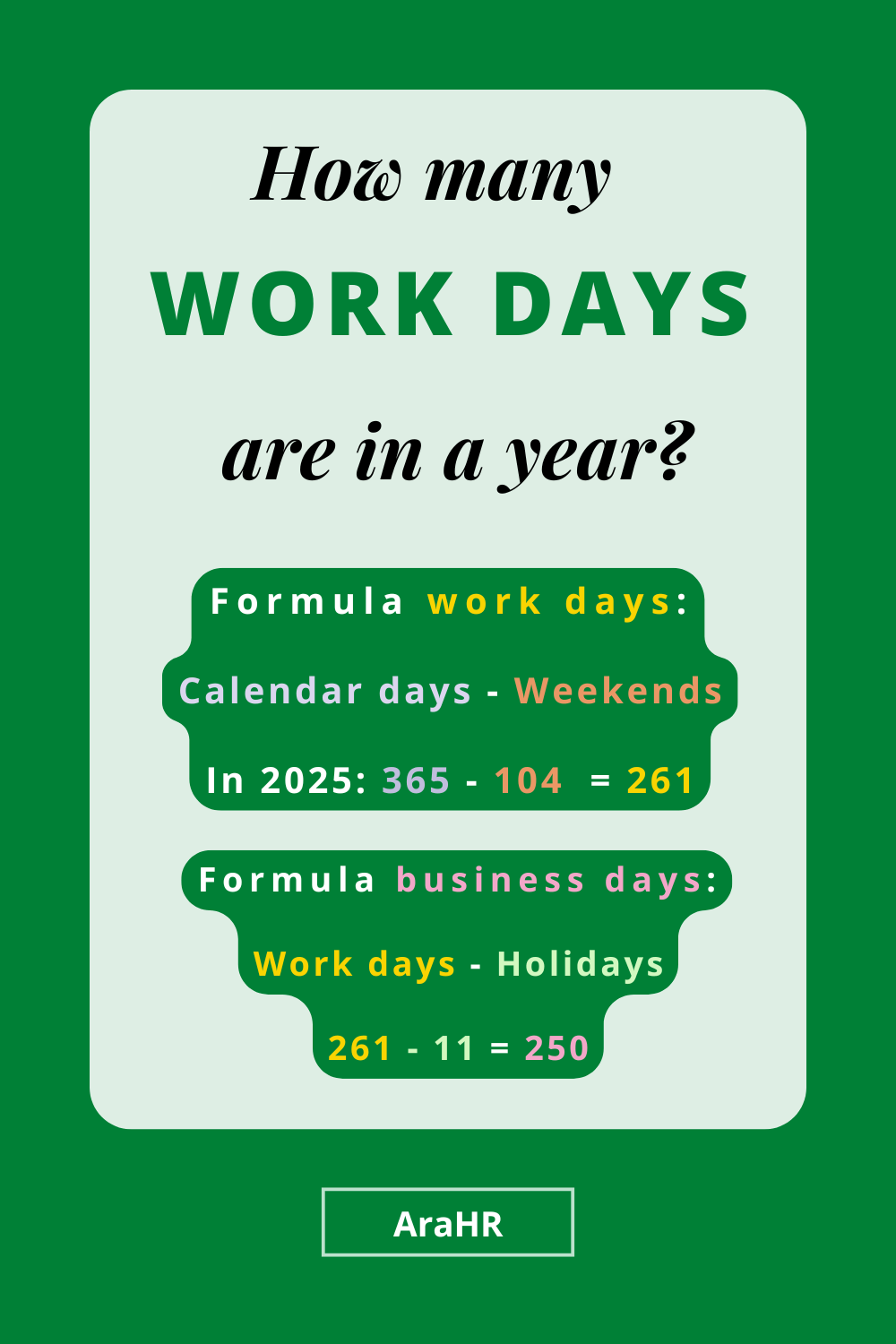
A standard year has 365 days. It includes 52 weeks and 1 day. Each week has 5 business days, Monday through Friday. Multiply 52 weeks by 5 days to get 260 business days. The extra day usually falls on a weekday or weekend, changing the total slightly.
Leap Year Adjustments
Leap years have 366 days due to February 29. This adds one extra day to the year. If this day is a weekday, add it to the business days count. Usually, leap years have 261 business days. Adjust calculations based on the day of the week the leap day falls on.
Excluding Weekends And Holidays
Weekends always reduce total business days. Saturdays and Sundays are non-working days in most cases. Public holidays also subtract from business days. These holidays vary by country and region. Subtract holidays from the total business days to get an accurate count.
Business Days By Country
Business days vary significantly across countries. The total count depends on weekends and public holidays. Each nation follows its own calendar for official off days. Understanding these differences helps in planning international business activities. Below is a brief overview of business days by region.
United States
The US typically has 260 business days per year. This count excludes weekends and federal holidays. Common holidays include New Year’s Day, Independence Day, and Thanksgiving. Some states observe additional holidays. Businesses often consider about 250 to 255 working days yearly.
European Countries
European countries usually have around 250 business days annually. Weekends are generally Saturday and Sunday off. Public holidays vary widely between countries. For example, France has more holidays than the UK. Countries like Germany and Spain have regional holidays that affect business days.
Asia-pacific Regions
Business days in Asia-Pacific differ due to cultural and religious holidays. Countries like Japan have about 245 business days. Australia typically counts around 250 days. India has many regional holidays, reducing business days to roughly 240. Weekends may vary; some countries observe Friday-Saturday weekends.
Credit: arahr.com
Tools For Calculation
Calculating the number of business days in a year can save time and reduce errors. Many tools exist to help with this task. These tools consider weekends, holidays, and custom work schedules. They make planning and reporting easier for businesses and individuals.
Online Calculators
Online calculators provide a quick way to find business days. Users enter the year and specify holidays or weekends. The tool then counts the working days automatically. These calculators work well for simple and fast calculations. Many websites offer free business day calculators.
Spreadsheet Methods
Spreadsheets like Excel or Google Sheets help calculate business days with formulas. The NETWORKDAYS function counts workdays between two dates. You can add holiday dates to exclude them from the count. Spreadsheets allow customization and easy updates. They are great for ongoing tracking and reports.
Software Solutions
Dedicated software often includes business day calculations. Time tracking and project management tools use these features. They integrate calendars and holiday lists automatically. Software solutions are useful for businesses with complex schedules. They improve accuracy and save manual effort.
Business Days And Work Hours
Understanding business days and work hours helps companies and employees plan better. Business days usually exclude weekends and public holidays. Work hours define how long employees work each business day. Together, these factors shape work schedules and expectations.
Converting Days To Hours
Most businesses count 8 work hours per business day. To find total work hours yearly, multiply business days by 8. For example, 250 business days equal 2,000 work hours. This number changes if companies have different work hours or shifts.
Impact On Payroll
Payroll depends on accurate work hours and business days. Salaries and wages are often based on hours worked or fixed days. Knowing exact business days prevents errors in paychecks. It also helps calculate overtime or leave days correctly.
Project Planning
Project timelines depend on available business days and work hours. Teams use this data to set realistic deadlines. It helps avoid delays caused by weekends or holidays. Proper planning ensures efficient use of work hours and smooth project flow.
Business Days In Different Industries
Business days vary across industries due to different work schedules and operational needs. Understanding these differences helps in planning and setting realistic expectations. Each sector adapts business days to fit its unique demands and customer interactions.
Corporate Sector
The corporate sector usually follows a standard Monday to Friday schedule. Employees work about five days each week. Holidays and weekends are generally non-working days. This sector typically counts around 250 business days per year. Meetings, deadlines, and client interactions align with these days.
Retail And Service
Retail and service industries often operate beyond standard business hours. Many stores open on weekends and holidays. Staff may work in shifts to cover all hours. Business days for these industries can include weekends, increasing the count. Flexibility in workdays helps meet customer demand.
Manufacturing
Manufacturing plants often run on strict schedules. Some operate five days a week, while others run continuously. Shift work is common to keep production steady. Business days depend on the plant’s operational hours. Maintenance and holidays can reduce the total working days annually.
Tips To Manage Business Days
Managing business days well can boost your company’s success. Planning tasks and schedules improves work quality. Time management helps meet deadlines and reduce stress.
Organizing business days allows teams to focus on important work. Efficient use of time increases productivity. This section gives tips on managing business days effectively.
Maximizing Productivity
Start each day with clear goals. Break work into small, manageable tasks. Use tools like calendars and task lists to stay on track. Avoid multitasking to keep focus sharp. Regular breaks help maintain energy and focus.
Handling Holidays Efficiently
Plan ahead for holidays to avoid last-minute rushes. Mark holidays on shared calendars for team awareness. Adjust project timelines around holiday dates. Use holiday periods for training or planning. Communicate holiday schedules clearly to all employees.
Remote Work Considerations
Set clear work hours for remote staff. Use video calls to maintain team connection. Provide tools for easy communication and collaboration. Encourage regular updates on work progress. Balance flexibility with accountability for best results.
Credit: arahr.com
Frequently Asked Questions
How Many Business Days Per Year?
There are typically 260 business days in a year, excluding weekends. This number may vary with holidays.
Does 260 Work Days Include Holidays?
The 260 work days typically exclude holidays. It counts only weekdays, not public or company holidays.
How Many Work Days Are There In A 365 Day Year?
A 365-day year typically has about 260 workdays, excluding weekends. Public holidays may reduce this number.
How Many Working Days Are In A Year If You Work 5 Days A Week?
A typical year has about 260 working days if you work five days a week. This excludes weekends.
Conclusion
Counting business days in a year helps plan work and deadlines well. Typically, there are about 250 business days, excluding weekends and holidays. This number can change based on country and specific holidays. Knowing the exact count supports better time management and productivity.
Use this info to set realistic goals and schedules. Keeping track of business days avoids confusion and missed deadlines. Simple but useful for anyone managing work or projects.