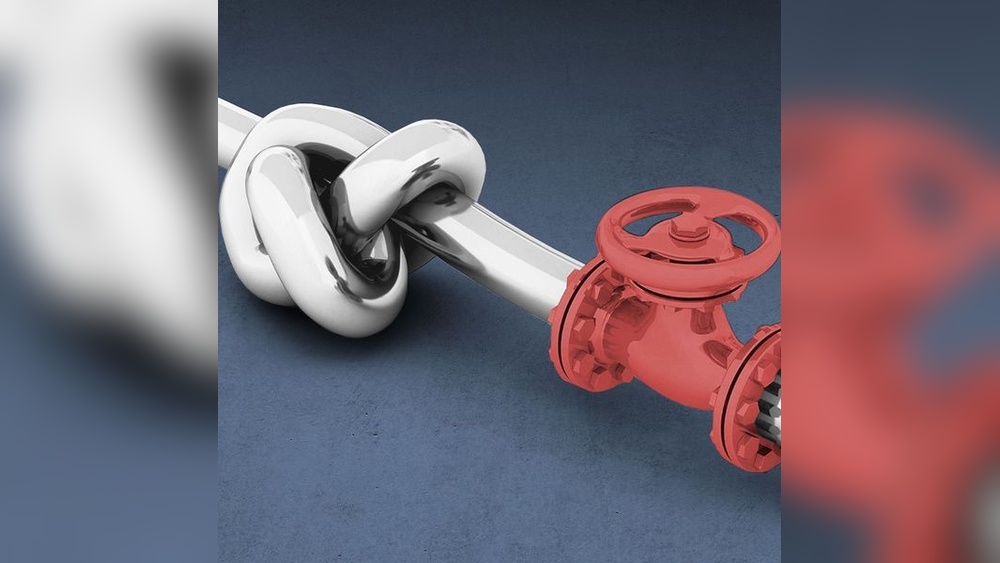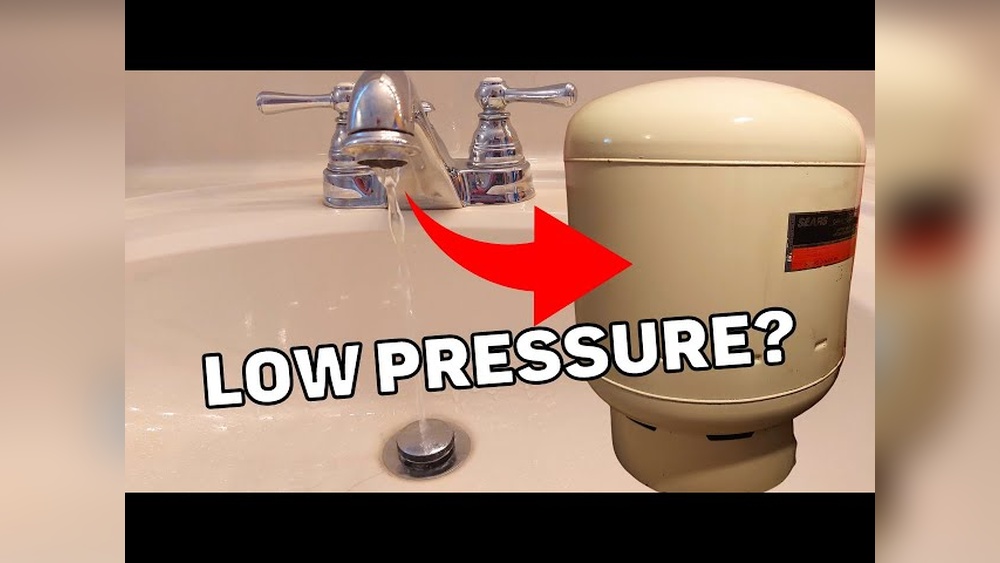
Have you noticed your water pressure suddenly dropping and wondered why your shower or faucets just don’t feel the same anymore? Low water pressure can be frustrating, especially when you rely on a steady flow for daily tasks like showering, cooking, or cleaning.
But don’t worry—you’re not alone, and this problem usually has clear causes that you can identify and fix. You’ll discover the common reasons why your water pressure might have taken a sudden dive and simple steps you can take to restore it.
Keep reading, because understanding what’s behind that weak flow can save you time, money, and stress.
Credit: www.reddit.com
Common Reasons For Low Water Pressure
Low water pressure can disrupt daily tasks like showering and washing dishes. Several common issues cause this sudden drop in pressure. Identifying the exact reason helps in fixing the problem quickly and efficiently.
Clogged Aerators And Showerheads
Aerators and showerheads collect minerals and debris over time. This buildup blocks water flow, lowering pressure. Cleaning or replacing these parts restores normal flow instantly.
Partially Closed Valves
Valves control water flow into your home and fixtures. Sometimes, valves are not fully open after maintenance or repairs. Checking and opening valves fully can improve water pressure immediately.
Faulty Pressure-reducing Valve
Pressure-reducing valves manage water pressure entering your home. A malfunctioning valve can lower pressure excessively. Replacing or adjusting the valve fixes this issue and balances pressure.
Pipe Corrosion And Mineral Buildup
Old pipes may corrode or gather mineral deposits inside. This narrows the pipe’s interior, restricting water flow. Inspecting and replacing corroded pipes can restore proper pressure.
Leaks And Burst Pipes
Leaks or bursts waste water and reduce pressure throughout your home. Look for damp spots, water stains, or unusual sounds. Repairing leaks quickly prevents further damage and restores pressure.
Identifying The Source Of The Problem
Sudden low water pressure can disrupt daily routines. Finding the exact cause helps fix the issue quickly. This section guides you to identify where the problem starts. Step-by-step checks reveal if the problem is in a faucet, pipe, or water heater.
Checking Individual Faucets And Showerheads
Test each faucet and showerhead one by one. Some may have blockages or buildup inside. Remove the aerator or screen and clean it. Dirt or mineral deposits often reduce water flow. If only one fixture has low pressure, focus repairs there.
Testing Hot Vs Cold Water Pressure
Turn on both hot and cold taps to compare pressure. If hot water pressure is low, the water heater may be the issue. Cold water problems often point to the main supply or pipes. This test narrows down the source of pressure loss.
Listening For Unusual Sounds
Listen carefully for dripping or rushing sounds inside walls. These noises can signal hidden leaks or pipe damage. Unusual sounds often occur before visible signs appear. Early detection prevents bigger water damage and costly repairs.
Inspecting For Visible Leaks Or Water Damage
Check walls, ceilings, and floors for wet spots or stains. Look under sinks and around pipes for dripping water. Even small leaks cause pressure drops over time. Spotting leaks early helps maintain steady water pressure and saves water.
Simple Fixes You Can Try
Low water pressure can disrupt your daily routine. Before calling a plumber, try some simple fixes. These easy steps often restore strong water flow. They require minimal tools and little time. Start with these quick checks to solve the problem yourself.
Cleaning Aerators And Showerheads
Aerators and showerheads collect mineral deposits over time. These deposits block water flow and lower pressure. Remove aerators and soak them in vinegar for a few hours. Use a brush to clean small holes. Rinse well and reinstall. For showerheads, soak them in vinegar overnight. Wipe away buildup and rinse thoroughly. This simple cleaning often improves pressure instantly.
Ensuring All Valves Are Fully Open
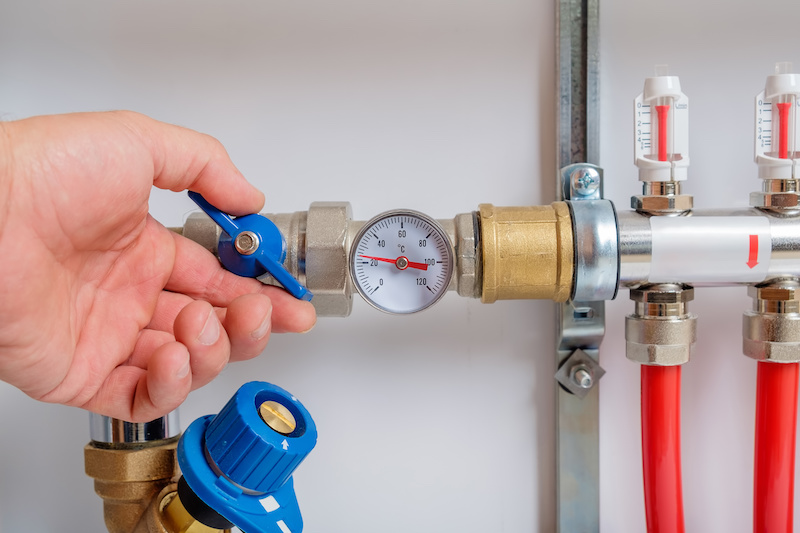
Valves control water flow throughout your home. Sometimes, they are partially closed after repairs or maintenance. Check the main water valve and valves near fixtures. Turn each valve counterclockwise to open fully. Even one slightly closed valve can reduce pressure. Confirm all valves are fully open for maximum water flow.
Removing Blockages From Pipes
Pipes may clog with rust, debris, or mineral buildup. These blockages restrict water flow and lower pressure. Use a plumbing snake or flexible brush to clear pipes. Flush pipes with water after clearing blockages. In some cases, professional pipe cleaning may be needed. Regular maintenance helps prevent future clogs and pressure drops.
Replacing Shower Cartridges
Shower cartridges control water mix and flow inside the faucet. Worn or damaged cartridges cause low pressure and leaks. Turn off the water supply before starting. Remove the shower handle and access the cartridge. Replace it with a new one matching your model. Reassemble the faucet and test water pressure. A new cartridge often restores strong water flow quickly.
Credit: www.steamboatsprings-realestate.com
When To Call A Plumber
Knowing when to call a plumber saves time and prevents damage. Some water pressure issues need professional help. Early action protects your home’s plumbing system and avoids costly repairs.
Here are key signs that mean it’s time to call a plumber.
Persistent Low Pressure Throughout The House
Low pressure in every faucet often means a main plumbing issue. It may be a problem with the water supply or pipes. A plumber can quickly find the root cause. Trying to fix it yourself can make things worse.
Suspected Faulty Pressure-reducing Valve
The pressure-reducing valve controls water pressure entering your home. If it fails, pressure drops suddenly. A plumber can test and replace this valve safely. This task requires special tools and knowledge.
Signs Of Pipe Corrosion Or Burst Pipes
Corroded or burst pipes cause leaks and low pressure. Look for damp spots, stains, or strange sounds in walls. These signs need urgent plumber attention. Ignoring them risks water damage and mold growth.
Complex Repairs And Pipe Replacement
Some issues need pipe repairs or full replacement. These jobs are complicated and need a plumber’s expertise. They use proper materials and ensure the system works well again. DIY attempts can cause bigger problems later.
Preventing Future Water Pressure Issues
Preventing future water pressure issues helps keep your plumbing working well. Small problems today can stop big trouble tomorrow. Taking simple steps saves time, money, and stress. Focus on regular care and smart upgrades to avoid sudden drops in water pressure.
Regular Maintenance Of Fixtures
Check faucets, showerheads, and valves often. Clean aerators to remove mineral build-up. Tighten loose parts to prevent leaks. Replace worn washers and seals on time. This keeps water flowing smoothly and avoids blockages.
Monitoring For Early Signs Of Leaks
Watch for damp spots on walls or floors. Listen for unusual dripping or running water sounds. Check your water meter for unexpected changes. Early leak detection stops water waste and damage. Fix leaks quickly to keep pressure steady.
Upgrading Old Plumbing Systems
Old pipes can clog or corrode inside. Replace galvanized or rusty pipes with modern materials. New pipes improve water flow and pressure. Upgrades lower the chance of sudden pressure drops. Consult a plumber to plan updates safely.
Installing Pressure Regulators
Pressure regulators control water force entering your home. They protect pipes and fixtures from high pressure damage. Install regulators to keep pressure stable and safe. This helps avoid bursts and reduces wear on plumbing parts.

Credit: www.parkerandsons.com
Frequently Asked Questions
How Do You Fix A Sudden Low Water Pressure?
Remove and clean faucet aerators or filters to clear blockages. Ensure all indoor water valves are fully open. Check for leaks by listening for running water sounds. Inspect pipes for corrosion or damage. Call a plumber if the problem persists or affects the entire house.
Why Has My Water Pressure Dropped All Of A Sudden?
A sudden drop in water pressure often results from closed valves, clogged aerators, pipe leaks, or corroded plumbing. Check faucets, valves, and pipes promptly.
Does Low Water Pressure Mean A Burst Pipe?
Low water pressure does not always mean a burst pipe. It can result from clogged aerators, closed valves, or pipe corrosion. Listen for leaks, check for water stains, and monitor your water bill to detect possible pipe bursts early.
Why Is The Water Pressure Suddenly Low In My Shower?
Low shower water pressure often results from clogged showerheads, partially closed valves, faulty pressure-reducing valves, or shower cartridge issues. Check and clean the showerhead, fully open all valves, and inspect for leaks or pipe corrosion. Persistent problems may require professional plumbing help.
Conclusion
Sudden low water pressure can have many causes. Check for closed valves or clogged aerators first. Look for leaks or damaged pipes that reduce flow. Older pipes may corrode and limit pressure. If the problem affects only hot water, inspect the water heater.
Fixing these issues can restore normal pressure quickly. Regular maintenance helps prevent future problems. Stay alert to changes in water flow to protect your home.