Imagine your business can adapt quickly when the market changes, outpace competitors, and seize new opportunities before anyone else does. That’s the power of business agility.
If you want to stay ahead and grow steadily, mastering agility isn’t just an option—it’s your secret weapon. You’ll discover exactly why business agility gives you a real edge and how it can transform your company’s future. Ready to unlock your competitive advantage?
Keep reading.
Credit: businessmap.io
The Need For Speed In Business
Speed is vital in today’s business world. Companies must act fast to survive and grow. Slow decisions and slow responses can cost money and customers. Being quick allows businesses to seize chances and avoid risks. This need for speed pushes companies to become more agile.
Shifting Market Demands
Markets change fast. New trends appear and disappear quickly. Competitors introduce new products all the time. Businesses must adapt to stay relevant. Fast response to market shifts helps companies keep their edge. Waiting too long means losing customers to faster rivals.
Customer Expectations Today
Customers want quick answers and fast service. They expect products that match their needs now. Slow delivery or outdated products cause disappointment. Speed builds trust and loyalty. Meeting customer expectations promptly leads to repeat business and positive reviews.
Core Elements Of Business Agility
Business agility depends on key elements that shape how a company responds to change. These elements help a business stay strong and ready for challenges. Understanding these parts is important for any company aiming to compete well.
Flexible Processes
Flexible processes let companies change their methods quickly. This means teams can adjust to new rules or customer needs without delays. Simple steps and clear roles make processes easy to shift. Flexibility reduces waste and keeps work efficient.
Adaptive Leadership
Adaptive leaders guide their teams through change smoothly. They listen carefully and decide fast. These leaders encourage learning and trying new ideas. They create trust and support, helping everyone stay focused on goals.
Collaborative Culture
A collaborative culture brings people together to solve problems. Team members share ideas and help one another. This openness leads to better solutions and faster decisions. Trust and respect are the base of this culture.
How Agility Drives Competitive Edge
Business agility gives companies an important competitive edge. It means adapting quickly to changes in markets, technology, and customer needs. Agile businesses respond faster and stay ahead of competitors. They can innovate, satisfy customers, and manage risks better.
Agility is not just about speed. It is about being flexible and ready to change direction. This ability helps companies improve their processes and products continuously.
Faster Innovation Cycles
Agile businesses develop new ideas faster. They test and launch products quickly. This reduces the time between concept and market.
Fast innovation helps companies meet changing customer demands. It also lets them explore new opportunities before others do.
Improved Customer Responsiveness
Agility lets companies listen and respond to customers promptly. They can adjust products or services based on feedback.
Quick responses build trust and loyalty. Customers feel valued and stay with the brand longer.
Risk Management Benefits
Agile companies spot risks early. They adapt plans to avoid or reduce problems.
This approach lowers losses and keeps operations stable. It supports long-term success in uncertain markets.

Credit: www.salesforce.com
Real-world Success Stories
Real-world success stories show how business agility creates clear advantages. Companies that adapt quickly often outperform their competitors. These examples prove agility is not just theory, but a practical strength. Let’s explore how different industries use agility to thrive.
Tech Industry Breakthroughs
Tech companies constantly face fast changes. Agile teams respond to customer needs in days, not months. One software firm cut product release time by half. This speed helped them attract more users and grow revenue.
Startups use agile methods to test ideas quickly. They learn from early feedback and improve products fast. This reduces risks and saves money. Agile practices also encourage better teamwork and creativity in tech firms.
Agility In Traditional Sectors
Traditional businesses like manufacturing and retail also benefit from agility. A factory used agile techniques to fix supply chain delays. They improved efficiency and reduced costs significantly. Retailers adapt their stock based on real-time sales data.
Such quick changes help companies meet customer demands better. Agility supports growth and resilience in many traditional sectors. It allows firms to stay competitive even in tough markets.
Steps To Boost Agility Quickly
Boosting business agility is essential to stay ahead in today’s fast market. Small changes can lead to big improvements in how quickly your business adapts. These steps help your company move fast and make smart choices. Follow these ideas to increase your agility quickly.
Empowering Teams
Teams work best when they feel trusted and able to act. Give your employees clear goals but let them decide how to reach them. Encourage collaboration and open communication. When teams have control, they solve problems faster and create better results.
Streamlining Decision-making
Cut down on layers of approval that slow you down. Allow decisions to be made closer to the work. Use simple rules to guide choices without long meetings. Faster decisions help your business react to changes immediately.
Leveraging Technology
Use tools that improve communication and speed up tasks. Cloud software and automation reduce manual work and errors. Choose technology that fits your needs and is easy to use. This helps your team focus on important work and adapt quickly.

Credit: www.amazon.com
Measuring Agility Impact
Measuring the impact of business agility helps companies see their true progress. It shows how well agile methods improve work and results. Tracking agility makes sure changes bring real benefits. It helps teams stay focused on goals and keep growing.
Key Performance Indicators
Key Performance Indicators (KPIs) reveal how agile a business is. These are clear numbers that show success or problems. Examples include delivery speed, customer satisfaction, and team productivity. KPIs should match company goals and reflect agility efforts. Regularly checking KPIs helps spot trends and adjust plans fast.
Continuous Improvement
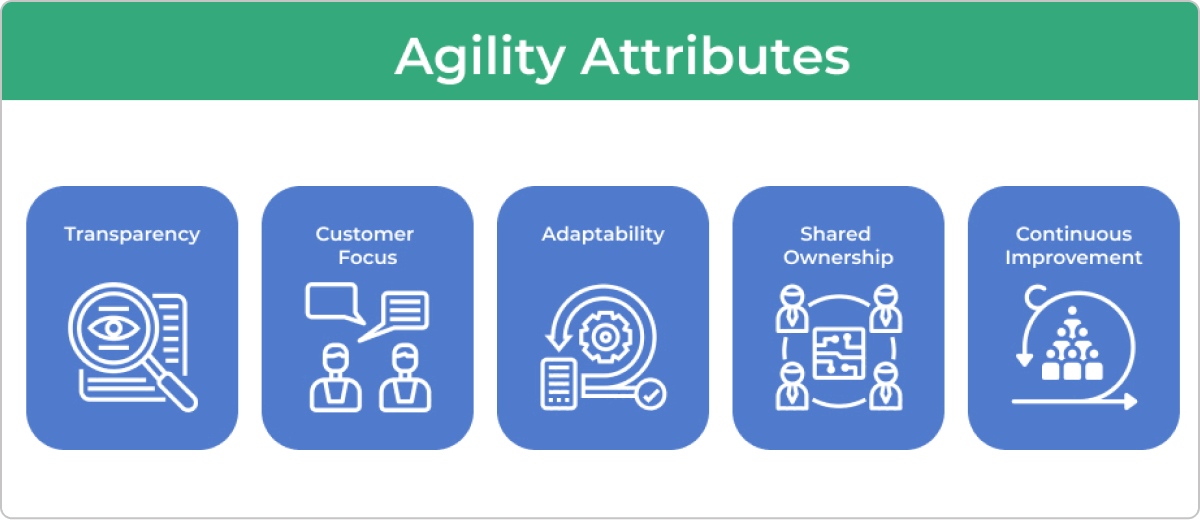
Continuous improvement means always looking for ways to get better. It is a core part of business agility. Teams review their work and find small changes that add up. Feedback loops and retrospectives support this process. The goal is steady progress, not perfect results at once. This mindset keeps companies flexible and ready for change.
Frequently Asked Questions
What Is Business Agility And Why Does It Matter?
Business agility is the ability to quickly adapt to market changes. It matters because it helps companies stay competitive and meet customer needs faster.
How Does Business Agility Improve Competitive Advantage?
Business agility speeds up decision-making and innovation. This leads to better products, faster responses, and a stronger market position.
What Are Key Practices To Enhance Business Agility?
Key practices include flexible workflows, continuous learning, and cross-functional teams. These help organizations respond quickly to change and improve performance.
Can Business Agility Increase Customer Satisfaction?
Yes, agility allows businesses to adapt products and services swiftly. This results in improved customer experiences and higher satisfaction levels.
Conclusion
Business agility helps companies adapt fast to change. It improves how teams work and make decisions. This leads to better products and happier customers. Being agile means staying ahead of competitors. It also saves time and cuts costs. Every business can benefit from being more flexible.
Start small, learn, and grow your agility step by step. The future belongs to those who move quickly and smartly. Will your business be ready to take that step?