Have you ever wondered how places and locations are tracked so accurately on your phone or computer? Beacon GIS is one of the key technologies making this possible.
But what exactly is Beacon GIS, and how does it work to provide precise location data? If you want to understand how this system can impact your daily life, business, or projects, keep reading. By the end of this article, you’ll have a clear picture of Beacon GIS and how it can be useful for you.
Beacon Gis Basics
Beacon GIS Basics introduce a powerful tool for mapping and spatial analysis. It helps collect, manage, and display geographic data clearly. This technology supports many types of projects across different fields. Understanding the basics of Beacon GIS helps users use it better and see its full potential.
Here, we break down what Beacon GIS is, its key features, and common uses. This overview makes the topic easy to grasp for beginners and those new to GIS technology.
What Is Beacon Gis
Beacon GIS is a geographic information system designed for precise location tracking. It uses signals from small devices called beacons. These beacons send data to a central system. The system then maps the exact position of objects or people. This helps in navigation and monitoring in real time.
Key Features
Beacon GIS offers several important features. It provides real-time tracking with high accuracy. The system can work indoors and outdoors. It supports multiple beacon types and flexible data collection. Users can customize maps and get alerts for specific events. It also integrates easily with other software tools.
Common Applications
Beacon GIS has many practical uses. It helps in asset tracking within large buildings or factories. Retail stores use it to improve customer experience. Emergency services rely on it for quick location finding. It also supports urban planning and transportation management. These applications show the system’s wide range of benefits.
How Beacon Gis Operates
Understanding how Beacon GIS operates helps grasp its role in location tracking. It uses several key technologies to collect and process data accurately. Each step ensures precise mapping and real-time updates.
Core Technologies
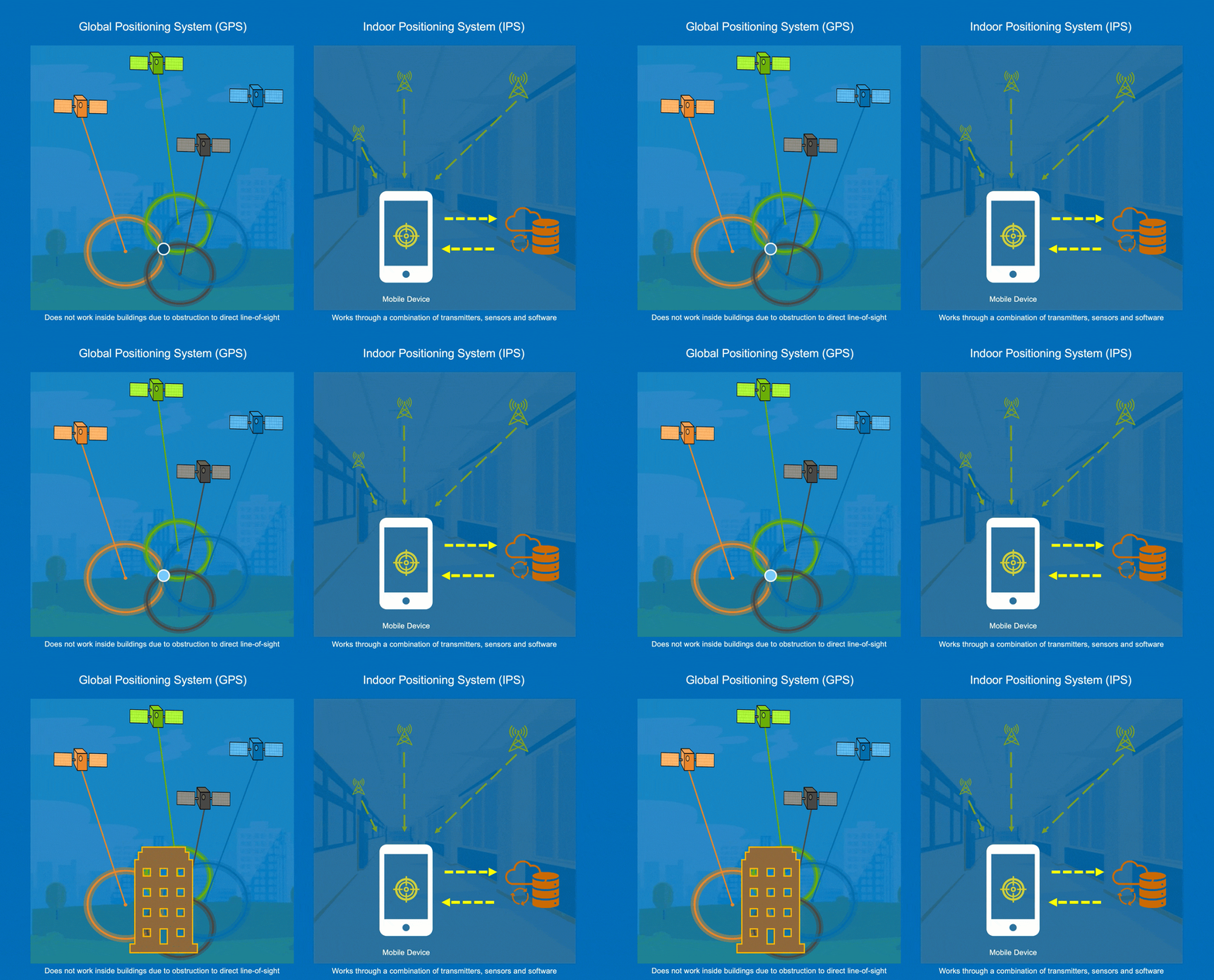
Beacon GIS relies on Bluetooth beacons and GPS signals. These beacons send signals to nearby devices, allowing precise location tracking. GPS helps by providing global positioning data. The system combines these technologies to improve accuracy.
Data Collection Methods
Devices receive signals from multiple beacons in a specific area. The system collects data about signal strength and timing. This data helps determine the exact position of the device. Sensors and mobile devices work together to gather this information.
Signal Processing
After data collection, signal processing begins. The system filters noise and interference from the raw data. It calculates distances based on signal strength and time delay. This process helps create accurate location maps. The results update in real time for precise tracking.
Integration With Other Systems
Beacon GIS can work smoothly with many other systems. This makes it a flexible tool for many users. Integration means connecting Beacon GIS with other software and devices. This connection helps share data and improve workflows. It also saves time and reduces errors. The system works well with GIS platforms and mobile apps.
Compatibility With Gis Platforms
Beacon GIS supports many popular GIS platforms. It can exchange data easily with software like ArcGIS and QGIS. This helps users combine maps and data from different sources. The system uses standard formats like shapefiles and GeoJSON. This makes data transfer simple and fast. Users can update maps and layers without issues. It keeps all data accurate and up-to-date.
Mobile And Web Integration
Beacon GIS works well on mobile devices and web browsers. This allows users to access maps from anywhere. Field workers can collect data on smartphones or tablets. The data syncs automatically with the main system. Web integration lets users view and edit maps online. It supports real-time updates and collaboration. This improves communication and decision-making in projects.

Credit: beacon.schneidercorp.com
Benefits Of Using Beacon Gis
Beacon GIS offers many benefits for businesses and organizations. It helps in mapping and tracking with great ease. This technology improves how users handle geographical data. The advantages of using Beacon GIS make it a valuable tool in many fields.
Accuracy And Efficiency
Beacon GIS provides precise location data. It reduces errors in mapping and tracking tasks. Users save time by getting accurate results quickly. This efficiency helps teams work faster and smarter. Accurate data means better decision-making for projects.
Real-time Data Insights
The system delivers live updates on geographic changes. Users can monitor locations as events happen. This feature helps in managing resources and responding to issues fast. Real-time data keeps teams informed and prepared. It improves communication and coordination on the ground.
Cost-effectiveness
Beacon GIS lowers expenses by cutting down manual work. It reduces the need for expensive equipment and software. The system helps avoid costly mistakes with better data. Businesses save money on time and resources. Overall, it offers a budget-friendly solution for mapping needs.
Challenges And Limitations
Beacon GIS offers many benefits, but it faces some challenges and limits. These challenges affect its accuracy, usability, and privacy. Understanding these issues helps users make better decisions.
Technical Constraints
Beacon GIS depends on hardware like beacons and sensors. These devices have limited battery life and range. Signal interference can cause data errors or loss. System setup and maintenance require skilled personnel. Software bugs and updates may disrupt operations.
Environmental Factors
Physical obstacles such as walls and buildings block signals. Weather conditions like rain or fog reduce signal strength. Crowded places cause signal overlap and confusion. Changes in the environment need constant system adjustment. These factors lower the system’s overall performance.
Privacy Concerns
Beacon GIS collects location and movement data. This raises worries about unauthorized tracking. Data breaches can expose sensitive information. Clear policies and user consent are necessary. Users must trust the system to protect their privacy.
Future Trends In Beacon Gis
Beacon GIS is evolving fast. New trends will shape how it works and what it can do. These changes will affect many fields and everyday life. Understanding future trends helps businesses and users stay prepared. Let’s explore key areas driving Beacon GIS forward.
Advancements In Technology
Beacon devices are becoming smaller and more energy-efficient. This allows longer use without charging. Improved sensors boost location accuracy and data quality. Integration with AI helps analyze spatial data quickly. Cloud computing makes real-time data access easier. These tech upgrades expand Beacon GIS capabilities.
Potential New Use Cases
Beacon GIS will find new roles in smart cities and healthcare. It can track assets in hospitals and guide visitors inside buildings. Retailers may use it for personalized shopping experiences. Agriculture could benefit from precise field mapping. Emergency services might improve response times with better location data. New uses will emerge as technology improves.
Impact On Industry
Industries like logistics and transportation will gain efficiency. Beacon GIS enables better route planning and inventory tracking. Construction projects will use it for site management and safety. Tourism can offer interactive maps and tours. Real estate agents may provide detailed property information. Overall, Beacon GIS will support smarter decisions and operations.
Getting Started With Beacon Gis
Getting started with Beacon GIS is easier than many think. This technology helps users collect and analyze geographic data accurately. Before diving in, it is important to prepare the right tools and knowledge. The steps below guide beginners to set up their Beacon GIS system smoothly.
Choosing The Right Hardware
Select hardware that fits your project needs. A GPS receiver with good accuracy is essential. Tablets or laptops with strong processors help run the software smoothly. Durable devices work best outdoors. Battery life matters for long fieldwork sessions. Check device compatibility with Beacon GIS before buying.
Software Setup Tips
Install the latest Beacon GIS software version. Follow step-by-step instructions during installation. Configure settings for your region and data type. Keep software updated for new features and fixes. Use simple templates to start mapping quickly. Back up your data regularly to avoid loss.
Training And Resources
Training improves your confidence and skills. Use official tutorials and user guides. Practice basic tasks before complex projects. Join online forums for questions and tips. Watch videos to see real examples. Learning this way saves time and reduces errors.
Credit: www.esri.com

Credit: baldwincity.substack.com
Frequently Asked Questions
What Is Beacon Gis Technology?
Beacon GIS is a location-based system combining GPS and Bluetooth beacons. It enhances indoor and outdoor positioning accuracy. This technology helps track objects, people, and assets in real-time using geospatial data and beacon signals.
How Does Beacon Gis Improve Location Accuracy?
Beacon GIS improves accuracy by using Bluetooth signals alongside GPS data. Beacons provide precise indoor positioning where GPS signals weaken. This combination offers reliable, real-time location tracking in complex environments, such as malls or warehouses.
What Are Common Uses Of Beacon Gis?
Beacon GIS is widely used in retail, logistics, and urban planning. It enables asset tracking, navigation, and location-based marketing. Additionally, it supports emergency response and smart city applications with accurate spatial data.
Can Beacon Gis Work Indoors And Outdoors?
Yes, Beacon GIS works both indoors and outdoors. GPS handles outdoor positioning, while Bluetooth beacons enhance indoor accuracy. This dual system ensures seamless location tracking across different environments.
Conclusion
Beacon GIS helps track locations with precise, real-time data. It uses signals from beacons and maps to show exact positions. This technology supports many industries like navigation, retail, and safety. It makes finding places and objects faster and easier. Understanding how Beacon GIS works can improve how you use maps and location services.
This simple tool brings complex data to your fingertips. It shows how technology and geography work together well. Keep exploring to see how it fits your needs.