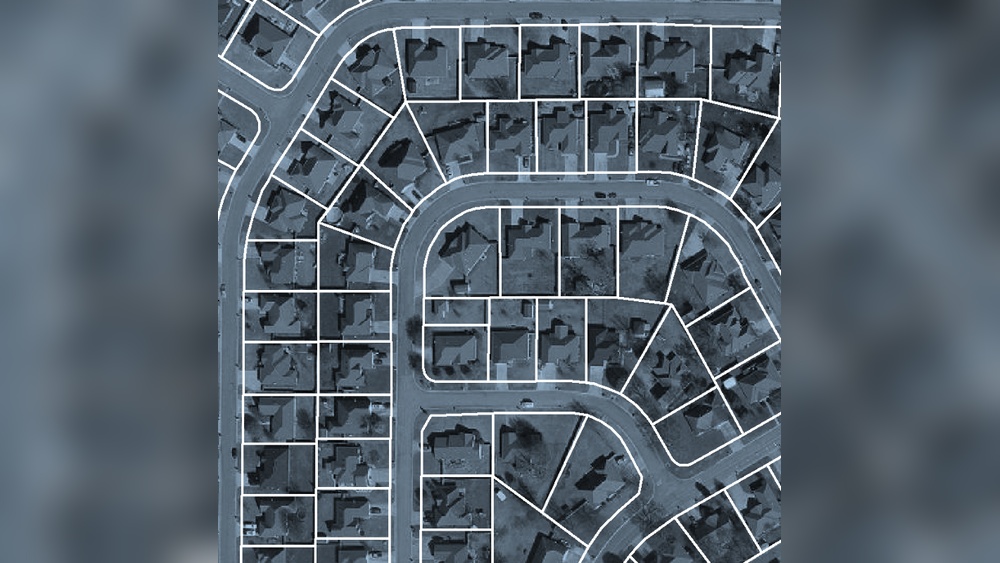
Have you ever wondered how land boundaries are decided or how your property is officially marked on a map? Understanding what a property parcel map is can give you clear insight into your land’s exact size, shape, and location.
Whether you’re buying a home, planning a construction project, or simply curious about your property, knowing how to read and use a parcel map can save you time, money, and headaches. Keep reading to discover how these maps work and why they matter for your property decisions.
Credit: www.precisely.com
Property Parcel Map Basics
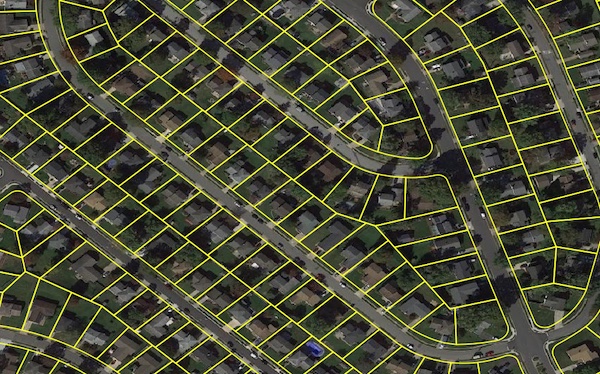
A property parcel map is a simple yet powerful tool for understanding land ownership. It shows the division of land into pieces called parcels. Each parcel has clear boundaries that mark its size and shape. These maps help people see who owns what land and how each parcel fits with nearby properties.
Knowing the basics of a property parcel map can help you in many ways. Whether you want to buy land, check property lines, or plan a project, these maps offer clear, easy-to-read information. The map uses symbols and lines to show important details about each parcel.
What A Parcel Map Shows
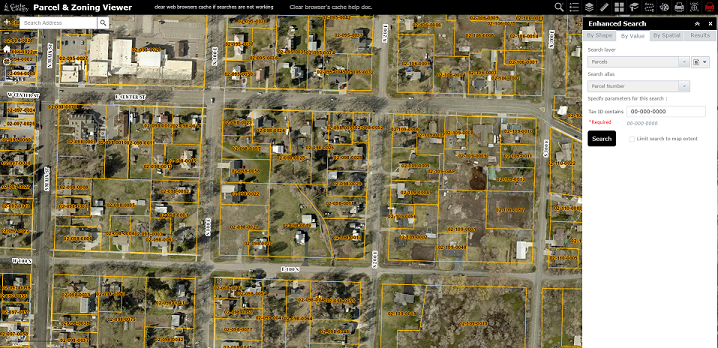
Parcel maps display each piece of land as a separate area. They outline property boundaries with clear lines. The map also lists parcel numbers or IDs for easy identification. You can see streets, roads, and natural landmarks around the parcels. Some maps include information about land use or zoning rules. These details help people understand what can be built or done on each parcel.
Key Features To Spot
Look for boundary lines that separate parcels from each other. Parcel numbers or labels help identify each piece of land. Roads and highways show access to parcels. Sometimes, the map shows measurements like parcel size or length of boundaries. Check for symbols that mark landmarks such as rivers or parks. These features make the map easier to read and use.
Credit: www.cachecounty.gov
Types Of Parcel Maps
Property parcel maps come in different types. Each type shows specific details about land and ownership. Understanding these types helps in many real estate and legal matters. Below are the main types of parcel maps used by surveyors and planners.
Cadastral Maps
Cadastral maps show property boundaries and ownership. They detail land divisions for legal use. These maps help identify who owns each parcel. They are essential for property taxes and land disputes. Cadastral maps often include lot numbers and dimensions.
Subdivision Maps
Subdivision maps show how large land is divided into smaller lots. These maps guide new housing developments or commercial projects. They outline streets, easements, and lot sizes. Local governments use subdivision maps for planning and permits. They make sure the land is split correctly.
Topographic Parcel Maps
Topographic parcel maps combine property lines with land features. They show hills, valleys, and water bodies. These maps help in land use and environmental planning. Builders use them to understand the land’s shape and slope. Topographic maps add important detail to parcel information.
How Parcel Maps Are Created
Parcel maps show the exact boundaries of a property. Creating these maps requires careful work. Experts use special methods to measure and record land details. This process ensures the maps are accurate and useful for landowners and planners.
Surveyors and mapping professionals gather information from many sources. They combine data and measurements to create clear, precise maps. The result helps people understand property lines and land divisions.
Surveying Techniques
Surveyors use tools like GPS, total stations, and drones. These tools measure distances and angles on the land. Surveyors walk the property to check corners and boundaries. They record exact points to map the parcel correctly.
Modern technology makes surveying faster and more accurate. GPS gives precise location data. Total stations help measure angles and distances between points. Drones capture aerial images to see the whole property.
Data Sources Used
Surveyors use public records such as deeds and previous maps. These documents show past property boundaries and ownership. They also use satellite images and aerial photos for a clear view.
Local government offices provide important land information. This data helps verify survey findings. Combining all sources gives a complete picture of the parcel.
Importance For Landowners
Property parcel maps hold great value for landowners. They provide clear and precise information about land. This helps owners understand what they own and manage their property better. Knowing the exact details prevents many common problems.
Property Boundaries
Parcel maps show the exact edges of a property. This helps landowners see where their land starts and ends. Clear boundaries avoid accidental trespassing on neighbors’ land. It also guides owners in planning fences or buildings.
Ownership Details
These maps list who owns each piece of land. This information is important during buying or selling property. It confirms legal ownership and reduces confusion. Landowners can easily check who holds rights to nearby land.
Resolving Disputes
Disputes often arise over unclear property lines. Parcel maps serve as official records to solve such conflicts. They provide evidence in legal cases or discussions. Using these maps saves time and money for landowners.
Accessing Parcel Maps
Accessing parcel maps helps you see property boundaries and details. These maps show land divisions and ownership. Many sources provide easy access to these maps. You can find parcel maps through public records or special online tools. These methods give clear views of property lines and sizes.
Public Records And Online Portals
Public records often hold parcel maps. Local government offices like the county recorder or assessor store these maps. Many counties offer online portals to search for parcel maps. You can enter an address or parcel number to find the map. These portals update regularly and provide official information. Visiting these sites helps you get accurate, up-to-date maps fast.
Using Gis Tools
GIS tools let you explore parcel maps interactively. These tools use maps layered with property data. You can zoom in and out to see details clearly. GIS tools often include search features by address or owner name. They provide extra information like zoning and land use. Many local governments offer free GIS access online. GIS maps help you understand how parcels relate to each other.
Legal And Planning Uses
Property parcel maps play a key role in legal and planning activities. They provide clear details about land boundaries and ownership. This helps local governments, developers, and property owners make informed decisions. Understanding how these maps support zoning, real estate, and development is essential.
Zoning And Land Use
Parcel maps show exact property lines and sizes. This helps officials decide what types of buildings or activities can take place. Zoning rules protect neighborhoods and guide growth. They separate homes, shops, and factories to keep areas safe and organized. These maps make zoning clearer for everyone involved.
Real Estate Transactions
Buyers and sellers rely on parcel maps to see what land they are dealing with. The maps confirm property boundaries and size. They also help identify easements or rights of way. This information is key to avoiding disputes and ensuring clean ownership during sales. Parcel maps add trust to every deal.
Development Planning
Developers use parcel maps to plan new projects carefully. The maps show land shapes and nearby roads or utilities. This data helps in designing buildings, parking, and open spaces. Planners can check if the land fits the project’s needs. Parcel maps make development smoother and more efficient.
Common Challenges With Parcel Maps
Parcel maps are important tools in real estate and land management. They show property boundaries and details. Despite their value, parcel maps often have common challenges. These issues can cause confusion and delays in property transactions. Understanding these challenges helps users avoid problems and make better decisions.
Outdated Information
Parcel maps may not always reflect recent changes. New construction, property splits, or mergers might be missing. This outdated data can lead to errors in identifying property lines. Relying on old maps causes legal issues or disputes. Always check the date and source of the map before use.
Boundary Conflicts
Sometimes, parcel maps show overlapping or unclear boundaries. This creates conflicts between neighbors or owners. Boundary conflicts can delay sales or development projects. Survey errors or changes in land use often cause these problems. Professional surveys help resolve conflicts and clarify lines.
Interpreting Complex Maps
Parcel maps can be complex and hard to read. They use symbols, lines, and codes that may confuse users. Poor map design or small text makes interpretation difficult. Misunderstanding maps leads to mistakes in land use or planning. Seek help from experts or guides to read complex parcel maps correctly.
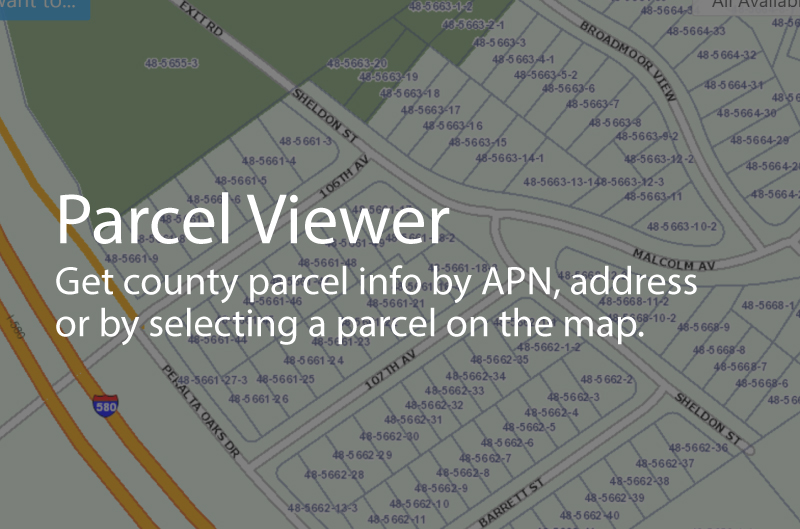
Credit: www.acgov.org
Frequently Asked Questions
What Is A Property Parcel Map Used For?
A property parcel map shows land boundaries and divisions. It helps buyers, sellers, and developers understand property size and location. It’s essential for legal, planning, and zoning purposes.
How Do Property Parcel Maps Differ From Plat Maps?
Parcel maps focus on individual land ownership and boundaries. Plat maps show subdivisions of larger land areas. Parcel maps are more detailed for property-specific information.
Where Can I Find A Property Parcel Map?
You can find parcel maps at local government offices or online GIS portals. Many counties provide free access to property parcel maps for public use.
Why Are Property Parcel Maps Important In Real Estate?
They clarify property lines and ownership, preventing disputes. Parcel maps aid in property valuation, zoning compliance, and development planning.
Conclusion
A property parcel map shows land boundaries clearly. It helps people know exact property sizes and locations. These maps guide buyers, sellers, and builders alike. They prevent confusion about where one property ends and another begins. Understanding parcel maps makes land deals easier and safer.
Keep a parcel map handy when dealing with property. It saves time and avoids costly mistakes. Knowing this tool helps you handle land with confidence. Simple but important for anyone involved in property matters.