Have you ever wondered what really happens if you don’t update your iPhone for years? It might seem easier to skip those annoying update notifications, but ignoring them can quietly cause big problems.
From security risks that put your personal data in danger to apps suddenly refusing to work, the effects add up over time. If you want to keep your iPhone running smoothly and protect your information, it’s important to know what you’re risking by avoiding updates.
Keep reading to discover why those updates matter more than you think—and what could happen if you don’t act.
Security Risks Of Skipping Updates
Skipping iPhone updates creates serious security risks. Apple releases updates to fix security holes. Without these fixes, your iPhone becomes an easy target. Hackers find and exploit weaknesses in older software. This puts your personal information in danger.
Malware also poses a big threat to outdated iPhones. Malware can steal data, damage files, or control your device. Updates help protect your phone from these harmful programs. Ignoring updates means exposing your iPhone to these risks.
Vulnerability To Hacks
Updates close security gaps that hackers use to break in. Skipping them leaves your iPhone open to attacks. Cybercriminals can steal passwords, photos, and other private data. They may also use your phone for illegal activities. This can harm your privacy and security.
Exposure To Malware
Old iPhone software lacks defenses against new malware threats. Viruses, ransomware, and spyware can infect your device easily. Malware can slow down your phone or cause it to crash. It can also steal sensitive information without your knowledge. Regular updates help block these malicious programs.
Credit: www.slashgear.com
Performance Issues Over Time
Performance issues gradually affect iPhones that do not receive updates. Over time, the device may slow down and act unpredictably. This happens because apps and the operating system rely on updates to work well together. Ignoring updates can cause several problems that reduce the phone’s usability and user experience.
App Compatibility Problems
Apps on your iPhone often need the latest iOS version to run smoothly. Without updates, many apps will stop working or fail to open. Developers design apps with new system features in mind. Older iPhones miss these improvements, causing apps to crash or freeze. This limits what you can do with your phone.
Increased Glitches And Crashes
System bugs and errors build up without regular updates. Your iPhone may freeze, restart, or shut down unexpectedly. These glitches happen because old software cannot handle new data or app demands. The phone’s stability weakens, leading to frequent crashes. It feels frustrating and unreliable for daily use.
Missing New Features
Software updates bring new tools and improvements to your iPhone. Without updates, you lose access to these handy features. Innovations like better battery management, security improvements, and enhanced camera functions remain locked out. Your phone remains stuck with old capabilities, making it less enjoyable to use.
Impact On Device Longevity
Not updating your iPhone for years affects how long it stays useful. The device will age faster in performance and security. This reduces its overall lifespan and limits its capabilities. Many hidden issues build up over time without updates.
Updates keep your iPhone running smoothly and protect it from risks. Without these, the device struggles to keep up with new apps and features. This causes frustration and may force an early replacement.
Reduced Functional Lifespan
Your iPhone’s software controls how well it works. Skipping updates means missing important fixes and improvements. Over time, apps and features stop working properly. The phone becomes slower and less responsive.
Battery life worsens without updates optimizing power use. Security gaps grow, making the device vulnerable to attacks. These problems reduce the phone’s useful life. It may stop meeting basic needs sooner than expected.
Challenges In Later Updating
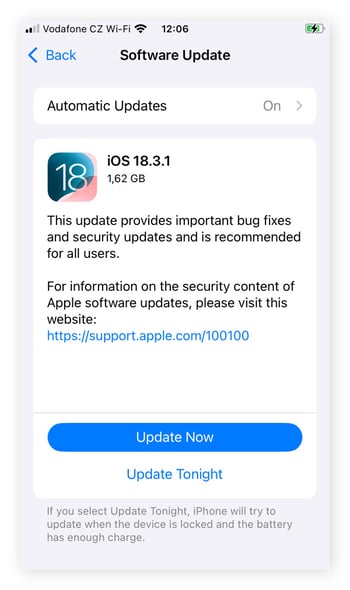
Updating after years can be difficult. Large jumps between software versions may cause errors. The phone might freeze or fail during the process. Some updates require free storage space that old phones lack.
Older devices may no longer support the newest updates. This leaves the phone stuck on outdated software. Repair and support options also decrease over time. These factors make catching up on updates harder.
Credit: www.avast.com
User Experience Decline
Not updating your iPhone for years leads to a clear drop in user experience. The device slows down and becomes less responsive. Features that once made your phone enjoyable fade away. Using an outdated iPhone feels frustrating and limited.
Many changes in apps and settings rely on the latest iOS updates. Without these updates, your phone can’t keep up with new apps or improvements. This decline affects how smoothly your phone runs and how much you can customize it.
Slower Performance
Old iOS versions do not run as efficiently on newer hardware. The phone may freeze or lag during simple tasks. Apps take longer to open and sometimes crash unexpectedly. Over time, this slowdown becomes noticeable and annoying. Your iPhone uses more battery power trying to keep up.
Limited Personalization
Skipping updates means missing new customization options. You cannot use the latest wallpapers, widgets, or themes. New settings to improve usability or accessibility remain unavailable. Personalizing your device feels stuck in the past. The phone loses its appeal and feels less yours.
Risks Compared To Immediate Effects
Not updating your iPhone for years carries risks that differ from immediate effects. Some problems show up fast, while others develop over time. Understanding the difference helps you decide when to update your device.
Skipping updates might seem harmless at first. The phone may work fine for a while. But behind the scenes, risks increase as your device grows older without support.
Short-term Vs Long-term Consequences
Short-term effects usually include minor bugs and app glitches. Some apps may stop working correctly or crash. Performance might slow down a bit, causing frustration.
Long-term consequences are more serious. Your iPhone becomes vulnerable to hackers and malware. Security holes go unpatched, exposing personal data and privacy risks. You lose access to new features and improvements. Over time, outdated software can cause major stability problems.
When Issues Begin To Appear
Problems often start with small glitches and app errors. You might notice some apps refusing to open or update. Battery life may worsen as software ages without optimization.
After months or years, security risks increase sharply. Cybercriminals target devices with old software. Malware infections and unauthorized access become real threats. You may find it difficult to update later due to big software gaps.

Credit: www.youtube.com
Frequently Asked Questions
What Happens If You Don’t Update Your Iphone For A Long Time?
Not updating your iPhone risks security breaches, malware attacks, app incompatibility, bugs, and slower performance. New features and fixes get missed. Over time, device stability and lifespan decrease.
What Happens If You Never Update Your Phone?
Neglecting phone updates risks security breaches, malware attacks, app incompatibility, and slower performance. Missing updates also blocks new features and may shorten device lifespan.
Is It Okay To Skip Updates On Iphone?
Skipping iPhone updates risks security vulnerabilities, app incompatibility, and bugs. Your device may run slower and miss new features. Regular updates keep your phone secure and functioning well.
Can I Still Use My Iphone Without Updates?
You can use your iPhone without updates, but security risks increase. Apps may stop working, and bugs can cause crashes or slow performance. Missing updates also means losing new features and improvements. Over time, your device becomes vulnerable and less reliable.
Conclusion
Not updating your iPhone for years puts your data at serious risk. Hackers can exploit old software to steal personal information. Apps may stop working or crash frequently. Your phone might slow down and become unstable over time. Missing updates also means losing useful features and improvements.
Catching up later can be difficult and time-consuming. Regular updates keep your iPhone safer and running smoothly. Staying current helps protect your device and personal data. Don’t ignore updates if you want your phone to last longer.