Are you ready to transform the way your global enterprise works in 2025? Remote work is no longer just a perk—it’s becoming a powerful force shaping business success worldwide.
Imagine boosting your team’s productivity, cutting costs, and attracting top talent from anywhere on the planet. But to make this happen, you need to stay ahead of the latest trends that are changing the remote work game. You’ll discover the key remote work trends that will redefine how your enterprise operates next year.
Keep reading, because what you learn here could give your business the edge it needs to thrive.
Remote Work Evolution
Remote work is no longer just a temporary fix. It has become a key part of how global companies operate. Businesses worldwide are adapting to this change by creating new ways to support employees working from different locations.
This shift impacts tools, management styles, and company culture. It also opens doors to hiring talent from anywhere, breaking old boundaries.
From Pandemic To Permanent
The pandemic forced many companies to try remote work quickly. At first, it was about keeping business running. Now, many see remote work as a long-term option.
More companies offer flexible schedules and home office support. This helps employees balance work and life better. Remote work is no longer a backup plan but a core strategy.
Shifts In Global Workforce
Remote work changes where and how people work. Companies hire from a larger pool of candidates worldwide. This creates diverse teams with different skills and experiences.
It also means workers can live in places they prefer. Many choose lower-cost or quieter areas. This shift affects local economies and global job markets.
Technological Advances
Technology shapes the future of remote work. Global enterprises depend on new tools to stay productive. Advances in technology make teamwork easier and safer across distances. These tools help companies adapt fast to change and keep employees connected.
Ai And Automation Tools
AI helps automate repetitive tasks, saving time for workers. It can analyze data quickly and offer useful insights. Automation tools reduce errors and speed up workflows. These technologies support teams by handling routine jobs. Employees focus more on creative and strategic work.
Virtual Collaboration Platforms
Virtual platforms connect team members worldwide. They offer video calls, chat, and file sharing in one place. These tools create a sense of presence despite physical distance. Collaboration becomes smoother with real-time updates and easy access. Teams stay organized and work together effectively.
Cybersecurity Enhancements
Remote work needs strong security to protect data and privacy. New cybersecurity tools detect threats and stop attacks quickly. Enterprises use multi-factor authentication to secure access. Encryption keeps sensitive information safe during transmission. These measures help build trust and protect company assets.
Workplace Flexibility
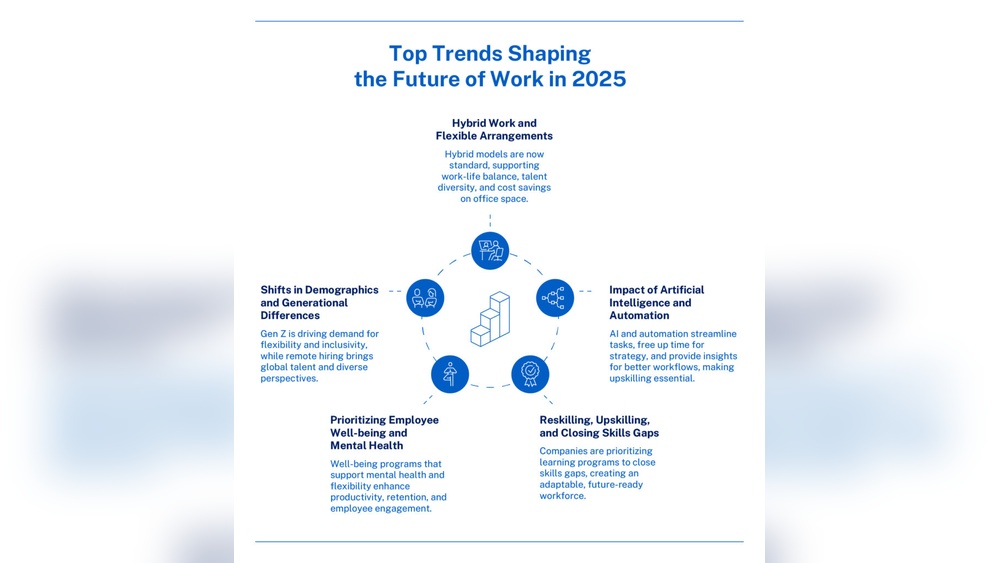
Workplace flexibility is a key trend shaping remote work in 2025. It gives employees more control over how and where they work. This approach helps companies keep their teams happy and productive across the globe.
Flexibility supports different work styles and personal needs. It helps reduce stress and improves work-life balance. Global enterprises are adopting flexible policies to attract and keep top talent.
Hybrid Work Models
Hybrid work blends office and remote work. Employees can choose days to work from home or the office. This balance helps maintain team connection and personal focus time.
Enterprises use hybrid models to save office costs and boost employee satisfaction. Teams stay connected with regular meetings and shared tools. Hybrid work also supports diverse time zones and lifestyles.
Customized Work Schedules
Customized schedules let employees pick work hours that fit their lives. Not everyone works best from 9 to 5. Flexibility allows staff to manage family, health, and personal time better.
Companies benefit from higher productivity and lower burnout rates. Customized schedules help match global time zones for smoother collaboration. This trend shows respect for individual needs and promotes trust.

Credit: www.gartner.com
Employee Experience
Employee experience is a key focus for global companies in 2025. Remote work changes how employees feel about their jobs. Employers must create a positive and supportive work environment. This helps keep workers happy and productive. Understanding employee needs is essential for success in remote work.
Mental Health Support
Remote work can cause stress and loneliness. Companies now offer mental health programs to help workers. Online counseling and wellness apps are popular options. Regular check-ins with managers also improve mental well-being. A healthy mind leads to better work results.
Remote Engagement Strategies
Keeping employees connected is a challenge in remote settings. Virtual team-building activities build strong bonds. Frequent video calls create a sense of community. Recognition programs motivate employees and boost morale. Engaged workers contribute more to company goals.
Career Development Opportunities
Career growth remains important despite remote work. Online training and skill-building courses are widely used. Mentorship programs help employees gain new knowledge. Clear paths for promotion keep workers motivated. Investing in growth attracts and retains talent.
Global Talent Access
Global talent access is shaping how companies hire in 2025. Companies no longer limit hiring to local candidates. They seek skilled professionals worldwide. This broad reach helps businesses find the best talent. It also brings fresh ideas and diverse perspectives into teams.
Diverse Hiring Practices
Enterprises now use diverse hiring methods. They include virtual interviews and online skill tests. This approach helps evaluate candidates fairly. Hiring from different cultures improves creativity and innovation. It also builds stronger teams with varied experiences.
Cross-border Employment Challenges
Hiring globally comes with challenges. Companies face legal and tax issues across countries. Payroll and work permits can be complex. Communication barriers may slow down projects. Firms need clear policies and reliable tools to manage these hurdles efficiently.

Credit: travel-code.com
Data-driven Management
Data-driven management is shaping the future of remote work for global companies. It helps leaders make smart decisions using facts and numbers. This method removes guesswork and supports clear, fair evaluations.
By focusing on data, companies can track real results. They see what works and what needs change. This leads to better team performance and happier employees.
Performance Analytics
Performance analytics collects data on employee tasks and outcomes. It shows how well individuals and teams meet their goals. Leaders use this data to improve workflows and training.
Analytics reveal strengths and weaknesses in remote setups. Companies can spot trends and adjust strategies fast. This keeps teams productive and aligned with company goals.
Remote Productivity Metrics
Remote productivity metrics measure work done outside the office. These include time spent on tasks, project completion rates, and communication frequency. Metrics provide a clear picture of daily work habits.
Managers can compare data across teams and locations. This helps identify best practices and areas needing support. Using these metrics builds trust and accountability in remote teams.
Sustainability And Remote Work
Sustainability and remote work are closely linked in 2025. Global enterprises focus on reducing their environmental footprint. Remote work helps companies meet green goals while supporting employees worldwide.
Remote work lowers energy use in offices and cuts travel emissions. Many businesses adopt policies that promote eco-friendly work habits. This trend supports a cleaner planet and boosts company reputation.
Environmental Impact Reduction
Remote work cuts commuting, reducing air pollution and fuel use. Less office space means lower energy consumption and waste. Digital tools replace paper, saving trees and reducing landfill.
Companies track their carbon footprint and report progress transparently. Employees use energy-efficient devices and sustainable internet services. All these efforts add up to a smaller environmental impact.
Corporate Social Responsibility
Enterprises include remote work in their social responsibility plans. They support community programs and green initiatives. This shows care for people and the planet.
Companies encourage remote workers to adopt sustainable habits at home. They offer resources for energy saving and waste reduction. This strengthens the company’s ethical image and builds trust.
Future Outlook
The future of remote work for global enterprises looks dynamic and full of change. Companies will keep adapting to new tools and ways to connect teams. The demand for flexibility will grow stronger than ever. This outlook helps businesses prepare better strategies.
Enterprises must stay alert to new trends that shape remote work. They will need to balance technology with human needs. The focus will be on creating smooth, productive work environments across borders.
Emerging Trends To Watch
Artificial intelligence will play a bigger role in managing remote teams. Smart tools will help track tasks and support communication. Virtual reality may start to offer more immersive meetings. Hybrid work models will become the norm for many companies. Cybersecurity will gain more attention as risks grow. Employee well-being programs will include mental health support online.
Preparing For Continuous Change
Businesses must build flexible policies that can evolve quickly. Training programs should focus on digital skills and remote collaboration. Leaders will need to develop stronger communication habits. Feedback loops will help improve remote work setups continuously. Investing in reliable technology infrastructure is critical. Keeping employee engagement high requires new, creative approaches.

Credit: www.allaroundworlds.com
Frequently Asked Questions
What Are The Top Remote Work Trends In 2025?
Remote work in 2025 focuses on hybrid models, AI-driven tools, flexible schedules, and global talent integration. Enterprises prioritize employee well-being and digital collaboration for productivity. Cybersecurity and data privacy also gain importance to support secure remote environments.
How Will Ai Impact Remote Work For Enterprises?
AI enhances remote work by automating tasks, improving communication, and personalizing workflows. It helps analyze productivity and supports decision-making. Enterprises use AI to streamline operations and foster better remote team collaboration, making work more efficient and adaptive.
Why Is Hybrid Work Popular Among Global Enterprises?
Hybrid work offers flexibility, combining remote and in-office work benefits. It boosts employee satisfaction, reduces commuting stress, and attracts diverse talent worldwide. Enterprises can optimize office space and maintain team cohesion while supporting varied work preferences.
What Cybersecurity Measures Are Essential For Remote Teams?
Enterprises must implement VPNs, multi-factor authentication, and regular security training. Protecting sensitive data and devices is critical. Strong cybersecurity practices prevent breaches and ensure compliance with regulations, maintaining trust in remote work environments.
Conclusion
Remote work continues to shape global business in 2025. Companies must adapt to new trends to stay competitive. Embracing flexible schedules helps attract top talent worldwide. Technology keeps teams connected across different time zones. Security remains a top priority for all enterprises.
Investing in employee well-being boosts productivity and morale. Clear communication tools reduce misunderstandings and delays. Remote work is no longer a temporary fix but a lasting strategy. Businesses that adjust quickly will thrive in the evolving market. The future of work is remote, diverse, and dynamic.