Where do you see your organization, business, team, or community in the next 5, 10, or even 20 years?
Most planning methods start with today’s situation and move forward, step by step. This is called forecasting. But what if we flipped the process?
Backcasting is a future-driven strategy where we begin by defining a desirable future—and then work backward to identify the steps needed to achieve it.
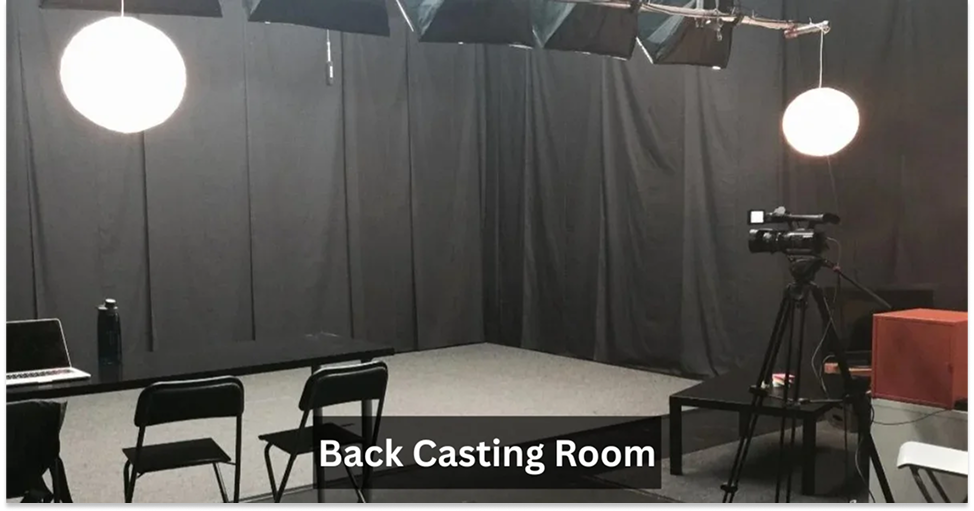
This is where the idea of a Back Casting Room comes in — a dedicated space (physical or virtual) for structured future visioning, creativity, and strategic action planning.
What is a Back Casting Room?
A Back Casting Room is a specially designed space (physical or digital) where individuals, teams, or stakeholders gather to collaboratively design a future and reverse-engineer a roadmap to reach it.
Features of a Back Casting Room
| Feature | Purpose |
|---|---|
| Whiteboards / Digital Smart Boards | Future mapping & milestone planning |
| Idea Mapping Tools | Brainstorming & vision designing |
| Comfortable Creative Space | Encourages imagination and reflection |
| Collaboration Software (Miro, Notion, Zoom, FigJam) | Virtual Backcasting sessions |
Unlike normal meeting rooms, this room supports long-term thinking, innovation, team collaboration, and strategic planning.
Backcasting vs Forecasting – What’s the Difference?
| Forecasting | Backcasting |
|---|---|
| Starts with current trends | Starts with an ideal future |
| Moves forward step-by-step | Works backward from future to present |
| Focused on prediction | Focused on transformation |
| Incremental improvements | Breakthrough innovation |
Backcasting is best for planning significant change — innovation, sustainability, digital transformation, policy-making, organizational shifts, and long-term business vision.
How a Back Casting Room Session Works
Step-by-Step Backcasting Process
1️⃣ Define the Ideal Future
Example: “By 2030, our company will be the leading eco-friendly packaging brand with zero waste.”
2️⃣ Describe What That Future Looks Like
What will exist in 2030?
✓ Technology? ✓ Culture? ✓ Laws? ✓ Market position? ✓ Social impact?
3️⃣ Work Backwards to Identify Milestones
Break the journey into stages:
- 2028 — Product fully biodegradable
- 2026 — AI-based waste reduction system
- 2025 — Green manufacturing certification
- Today — Start research and planning
4️⃣ Identify Required Actions
Policy changes, training, tech investment, partnerships, budgeting, etc.
5️⃣ Design a Practical Roadmap
Turn milestones into strategic steps, timelines, and team responsibilities.
Applications of Back Casting Room
| Area | How Backcasting Helps |
|---|---|
| Business Strategy & Innovation | Long-term product or organization transformation |
| Sustainability Planning | Zero waste, climate action, green energy goals |
| Government & Urban Planning | Smart cities, education reforms, public policy |
| Personal Development | Career planning, financial goals, lifestyle design |
| Technology & Digital Agencies | Scaling services, AI adoption, international expansion |
Benefits of Using a Back Casting Room
Why Organizations Use It
| Benefit | Explanation |
|---|---|
| Future Clarity | Everyone aligns with a shared vision |
| Innovation Catalyst | Encourages bold, breakthrough thinking |
| Strategic Direction | Turns long-term goals into clear action plans |
| Team Collaboration | Engages multiple departments & stakeholders |
| Better Decision Making | More focus on long-term impact, not just trends |
Challenges & Limitations
| Challenge | How to Overcome |
|---|---|
| Hard to visualize long-term future | Use visual tools & expert facilitation |
| Unrealistic future goals | Combine vision with feasibility research |
| Requires time & stakeholder commitment | Use structured workshops & planning frameworks |
| Complex dependencies | Use milestone mapping & scenario planning |
Backcasting works best when realistic research, diverse perspectives, and creative facilitation are combined.
Best Practices for Running an Effective Back Casting Room
🔹 Use storyboards, future timelines, digital planning tools
🔹 Involve stakeholders from different departments
🔹 Set a clear, measurable future goal (Vision)
🔹 Break the future down into milestones
🔹 Keep the session imaginative, not restricted by today’s limitations
🔹 Convert ideas into action with responsibilities and timelines
🔹 Revisit and update the roadmap quarterly or annually
Example Scenario: Backcasting for a Digital Agency (SEO, AI, Automation)
Future Vision (2030):
“Our agency will be a global AI-powered SEO automation brand serving 50+ countries with full digital operations and virtual teams.”
Milestones:
| Year | Milestone |
|---|---|
| 2029 | Full AI content & backlink automation |
| 2027 | International expansions (US, UK, UAE) |
| 2026 | Launch SaaS SEO automation platform |
| 2025 | Offering AI-based backlink services |
| Today | Build future roadmap & partnerships |
This is how backcasting turns a bold dream into a realistic, step-by-step growth plan.
Conclusion
A Back Casting Room is more than just a physical space. It is a creative engine, a strategic lab, and a future-building workshop. Whether used by governments, businesses, educators, or innovators — it transforms long-term visions into achievable roadmaps.
In a fast-changing world, the power to imagine the future — and build a roadmap backward — is a competitive advantage.
FAQ
Q1. What is a Back Casting Room?
A Back Casting Room is a dedicated space (physical or virtual) for future planning where teams imagine a desirable future and work backward to design a roadmap to achieve it.
Q2. What is the difference between forecasting and backcasting?
Forecasting starts from the present and predicts the future, while backcasting starts from a desired future and works backward to determine required actions.
Q3. Where is backcasting used?
Backcasting is used in sustainability planning, innovation strategy, policy-making, business growth, organizational transformation, and long-term project planning.
Q4. Why is the Back Casting Room important?
It encourages collaborative vision-building, strategic thinking, innovation, and actionable roadmap creation for long-term success.