Are you wondering when the right time is to take your business digital? Understanding the Technology Adoption Curve can be the key to making that decision with confidence.
This curve shows how different groups of people adopt new technology at different times. By knowing where your business fits on this curve, you can avoid costly mistakes and seize opportunities before your competitors do. Keep reading to discover exactly when and how you should embrace digital tools to boost your growth and stay ahead in your industry.
Your future success might depend on it.
Credit: buzzclan.com
The Technology Adoption Curve Explained
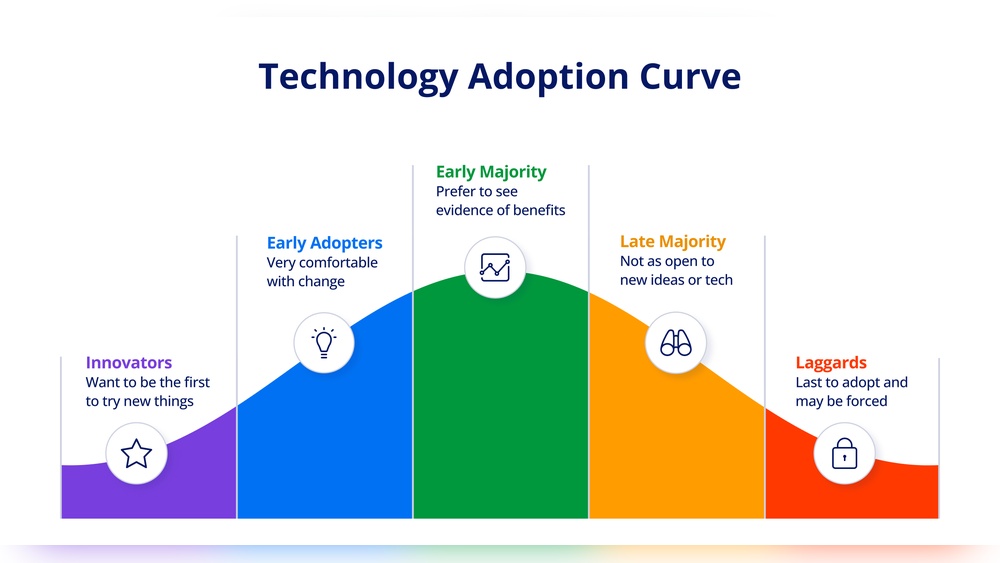
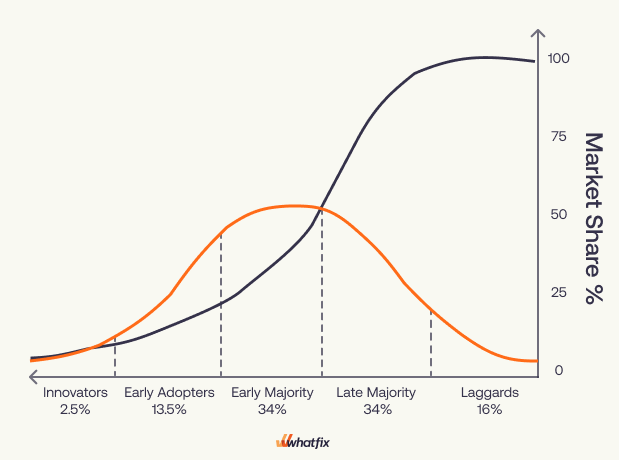
The Technology Adoption Curve shows how people start using new technology over time. It splits users into groups based on when they adopt technology. Understanding this curve helps businesses decide the right time to go digital. Each group has different traits and impacts on the success of new tech.
Knowing these groups helps tailor business strategies and avoid costly mistakes. It also guides communication and product development to fit each group’s needs.
Innovators And Early Adopters
Innovators are the first to try new technology. They enjoy taking risks and exploring new ideas. Early adopters follow soon after. They are more careful but still open to change. These groups influence others by showing the benefits of new tech. They help create initial buzz and trust.
Early Majority And Late Majority
The early majority adopts technology after seeing proof of its value. They prefer to wait and avoid risks. The late majority is more skeptical and only adopts when most others have. These groups make up the largest portion of users. Their adoption often decides if technology becomes mainstream.
Laggards And Resistance
Laggards resist change and adopt technology last. They prefer traditional methods and avoid new tools. Resistance can slow down adoption in some industries. Understanding their concerns helps businesses address fears and provide support. This group needs simple solutions and clear benefits to switch.
Credit: businessmap.io
Signs Your Business Needs Digital Transformation
Recognizing the signs that your business needs digital transformation is key to staying relevant. Change is constant in today’s market. Businesses that adapt quickly survive and grow. Digital tools can improve many parts of your business. From customer service to operations, the impact is clear. Watch for these signs that indicate it is time to go digital.
Customer Expectations Shifting
Customers want faster and easier service. They expect to interact online, anytime and anywhere. Mobile access and quick responses are no longer bonuses. They have become necessities. If your customers are moving online but your business isn’t, you lose their interest. Meeting these new expectations is crucial to keep them happy and loyal.
Competitive Pressure Increasing
Competitors using digital tools often gain an edge. They reach customers faster and manage costs better. If your rivals offer online services or use automation, you may fall behind. Digital technology helps businesses innovate and respond quickly. Staying competitive means adopting new technologies before you lose market share.
Operational Inefficiencies
Manual processes waste time and increase errors. Paperwork, slow communication, and outdated systems slow your team. Digital tools automate repetitive tasks and streamline workflows. This saves money and improves accuracy. When operations become a bottleneck, digital transformation can boost productivity and reduce costs.
Benefits Of Going Digital Early
Going digital early offers many benefits for businesses. It helps companies stay ahead in a fast-changing market. Early adoption allows you to use new tools and methods before others do. This can lead to better results and growth. Below are some key benefits of going digital early.
Gaining Competitive Advantage
Adopting technology early helps your business stand out. You can offer new services faster than competitors. It lets you respond quickly to market changes. This agility attracts more customers. Staying ahead means you set trends, not follow them.
Improving Customer Experience
Digital tools make it easier to meet customer needs. You can provide faster and more personalized service. Customers enjoy smooth and convenient interactions. This builds trust and loyalty. Happy customers often become repeat buyers.
Boosting Operational Efficiency
Technology automates many daily tasks. This saves time and reduces errors. Your team can focus on more important work. Processes become faster and less costly. Efficient operations improve overall business performance.
Risks Of Delaying Digital Adoption
Delaying digital adoption poses serious risks to any business. Staying offline or using outdated technology slows growth and limits opportunities. The longer a company waits, the harder it becomes to catch up with others. Digital tools improve efficiency, customer experience, and decision-making. Avoiding these tools can create many problems that hurt business health.
Falling Behind Competitors
Competitors who adopt technology early gain a strong advantage. They work faster, serve customers better, and reach new markets. Businesses that delay fall behind in quality and speed. Customers notice and switch to more advanced competitors. The gap grows wider over time, making it tough to recover. Staying current with technology keeps businesses in the race.
Losing Customer Loyalty
Customers expect quick, easy service through digital channels. Without online options, customers get frustrated and leave. Digital tools help businesses respond faster and personalize experiences. Falling behind means missing these chances to connect and satisfy customers. Loyalty decreases when competitors offer better digital experiences. Keeping customers means keeping up with technology trends.
Higher Long-term Costs
Waiting to adopt new technology often costs more later. Older systems require more maintenance and cause inefficiencies. Digital upgrades done late need more time and money. Early adoption spreads costs and reduces risks. Delays can lead to costly errors and lost sales. Investing in technology early saves money and effort in the long run.
Key Technologies Driving Digital Change
Digital change is driven by key technologies that transform how businesses operate.
These technologies improve efficiency, reduce costs, and open new opportunities.
Understanding these tools helps businesses decide the right time to go digital.
Cloud Computing
Cloud computing lets businesses store data and run apps online.
No need for expensive hardware or maintenance on-site.
It offers flexibility, easy access, and scales with business growth.
Artificial Intelligence
Artificial intelligence helps analyze data and automate tasks.
It improves decision-making and personalizes customer experiences.
AI supports businesses in saving time and reducing errors.
Internet Of Things
The Internet of Things connects devices and collects real-time data.
It helps monitor operations and improve efficiency.
IoT allows businesses to respond quickly to changes and needs.
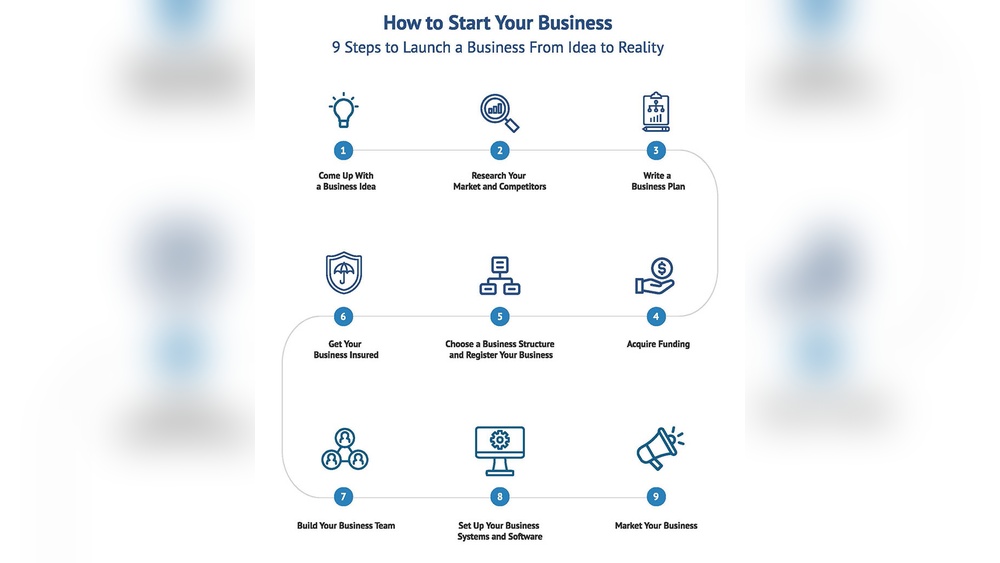
Steps To Start Your Digital Journey
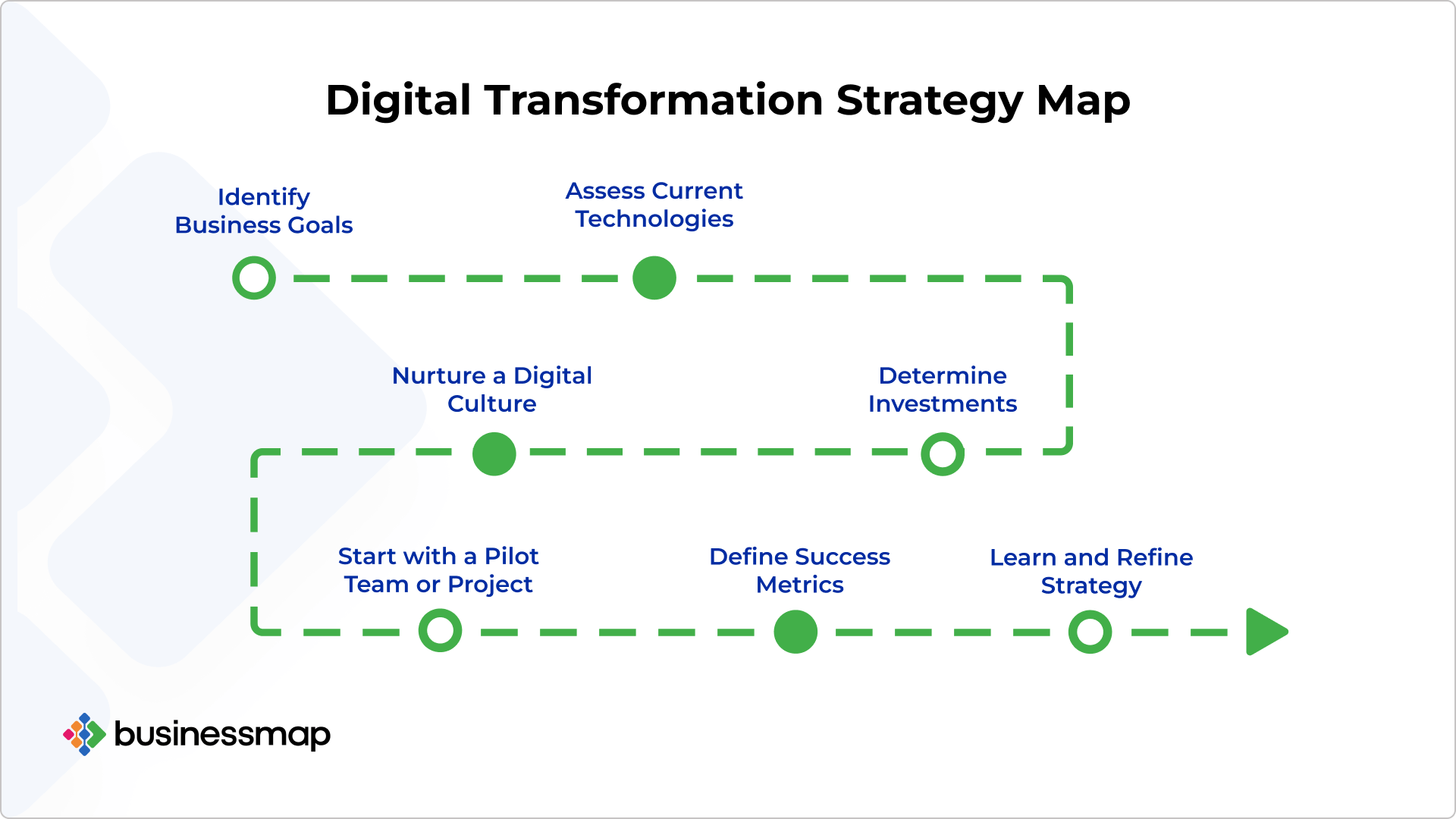
Starting a digital journey can seem hard. Breaking it down into simple steps helps. Each step builds a strong base for your business. Clear actions guide your path to digital success.
Focus on what you have, what you want, and who helps you. This approach makes the process smooth and effective.
Assess Current Technology Landscape
Look at the technology your business uses now. Identify tools that work well and those that do not. Understand your digital strengths and weaknesses. This check helps decide what needs change or upgrade. Knowing this saves time and money later.
Set Clear Digital Goals
Define what your business wants to achieve with digital tools. Goals can be simple, like faster communication or better sales tracking. Clear goals guide your choices in software and hardware. They also help measure progress and success.
Invest In Employee Training
Your team uses new technology every day. Train them well to avoid confusion and mistakes. Training builds confidence and skills. It makes new tools easy to use and more effective. Happy, skilled employees improve your digital journey.
Measuring Success In Digital Adoption
Measuring success in digital adoption is key for any business going digital. It helps understand if new technology meets goals. Tracking progress ensures resources are well spent and guides future changes. Here are ways to measure digital adoption effectively.
Tracking Key Performance Indicators
Key Performance Indicators (KPIs) show how well digital tools work. Common KPIs include user engagement, task completion rates, and system uptime. Track these regularly to spot trends. Use data to compare before and after digital adoption. This reveals real impact on business operations.
Gathering Customer Feedback
Customer feedback reveals user experience and satisfaction. Use surveys, interviews, or feedback forms to collect opinions. Simple questions uncover issues and improvement areas. Act on feedback quickly to keep users happy. This builds trust and encourages more digital use.
Continuous Improvement Strategies
Digital adoption is not a one-time event. Keep updating systems based on data and feedback. Train staff regularly to improve skills and confidence. Test new features on small groups first. Adjust strategies to overcome challenges and increase success. Continuous improvement keeps your business competitive.
Credit: whatfix.com
Frequently Asked Questions
What Is The Technology Adoption Curve In Business?
The technology adoption curve shows how different groups accept new tech over time. It helps businesses plan digital transformation by identifying early adopters and laggards. Understanding this curve guides when to invest in digital tools for maximum impact and competitive advantage.
When Is The Best Time For Businesses To Go Digital?
The best time to go digital is during the early majority phase. At this stage, technology becomes more reliable and affordable. Businesses can gain a competitive edge by adopting digital solutions before the late majority catches up.
How Does Digital Adoption Impact Business Growth?
Digital adoption boosts efficiency, customer reach, and innovation. It streamlines operations and opens new market opportunities. Businesses that go digital early often experience faster growth and improved profitability compared to those who delay.
What Are Common Challenges In Technology Adoption?
Common challenges include resistance to change, high costs, and lack of skills. Businesses must address employee training, budget planning, and clear communication to overcome these hurdles successfully during digital adoption.
Conclusion
Digital adoption helps businesses stay competitive and grow steadily. Start small and learn what works best for your team. Timing matters; don’t wait too long or jump too soon. Watch your customers and market trends closely. Change takes effort but brings lasting benefits.
Embrace technology as a tool, not a quick fix. Your business can adapt and thrive in the digital world. Take one step at a time, and keep moving forward.