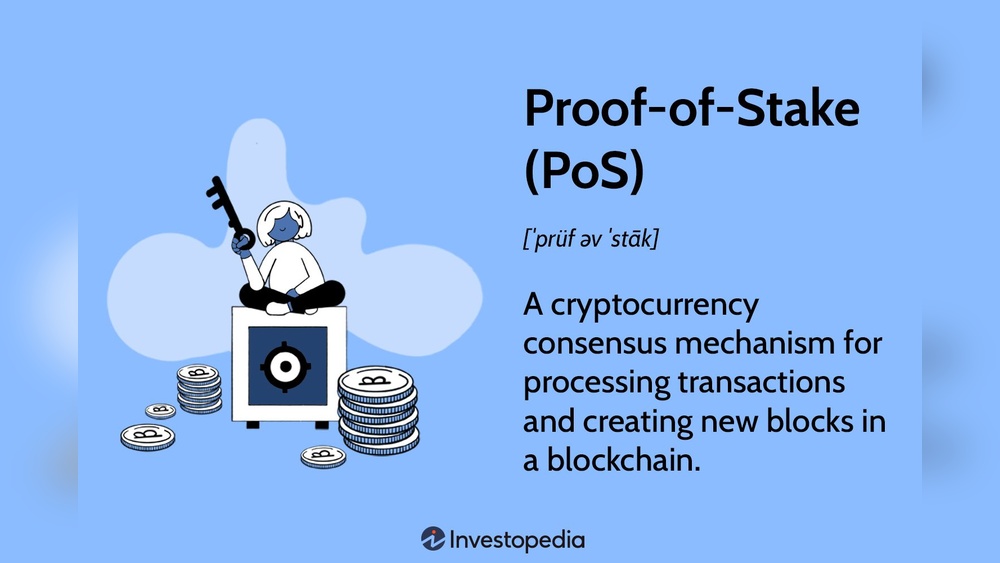
Are you curious about how cryptocurrencies stay secure and what impact they have on the environment? You’ve probably heard about Proof of Work and Proof of Stake, two popular ways blockchain networks protect themselves.
But which one is truly better for our planet? Understanding the difference can help you make smarter choices about the crypto you support. Keep reading to discover which method is more sustainable and why it matters to you and the future of digital money.
Basics Of Proof Of Work
Proof of Work (PoW) is one of the oldest methods used in blockchain networks. It helps keep the system secure and trustworthy. PoW requires miners to solve complex puzzles to add new blocks. This process uses a lot of computing power and energy. Understanding PoW is key to comparing its sustainability with other methods.
How Pow Secures The Network
PoW secures the blockchain by making it hard to change data. Miners compete to solve math problems. The first miner to solve the puzzle adds a new block. This requires a lot of work and time. Changing any information means redoing this work for all blocks. This makes attacks very costly and unlikely.
Energy Consumption In Pow
PoW uses a large amount of electricity. Mining machines run non-stop to solve puzzles. This high energy use leads to big electricity bills. Some networks use as much power as small countries. The environmental impact is a major concern for many people. Energy use is a key factor in sustainability debates.
Mining Hardware And Costs
Mining needs special hardware called ASICs or GPUs. These machines are expensive and use much power. Miners must invest a lot to stay competitive. Hardware also gets old fast and needs replacement. High costs make mining difficult for small players. This affects how decentralised the network can be.

Credit: www.bitwave.io
Basics Of Proof Of Stake
Proof of Stake (PoS) is a popular method used by many blockchains to confirm transactions. It offers an alternative to the traditional Proof of Work (PoW) system. PoS aims to be faster and more energy-friendly. Understanding its basics helps to see why it is often called more sustainable.
Mechanics Of Pos Consensus
In PoS, validators create new blocks based on their stake. Validators are chosen randomly but with higher chances given to those with larger stakes. The process avoids intense computing tasks. It focuses on ownership rather than solving complex puzzles. This method helps keep the network secure and efficient.
Energy Efficiency In Pos
PoS uses far less electricity than PoW. It does not require heavy computer power to solve cryptographic puzzles. This lowers the environmental footprint of blockchain operations. Many experts praise PoS for its low energy consumption. This efficiency makes it more sustainable for long-term use.
Staking Requirements And Rewards
To participate, users must lock up a specific amount of cryptocurrency. This is called staking. Stakers help secure the network and validate transactions. In return, they earn rewards proportional to their stake. This system encourages honest behavior and long-term commitment.
Environmental Impact Comparison
Choosing between Proof of Stake (PoS) and Proof of Work (PoW) involves understanding their environmental effects. Both systems secure blockchain networks but differ greatly in energy use. This section compares their impact on the planet through carbon footprint, sustainability benefits, and real energy data.
Carbon Footprint Of Pow
Proof of Work uses powerful computers to solve complex problems. These machines run non-stop, consuming large amounts of electricity. The energy often comes from fossil fuels, which produce high carbon emissions. Bitcoin mining, a popular PoW example, uses as much electricity as some countries. This high energy use leads to a big carbon footprint. Many experts worry about its effects on climate change.
Sustainability Benefits Of Pos
Proof of Stake relies on validators holding coins, not heavy computing. It requires far less electricity since it does not need constant problem-solving. This reduces the carbon emissions drastically compared to PoW. PoS networks promote energy efficiency and reduce environmental harm. They offer a cleaner way to secure blockchains. PoS aligns better with global sustainability goals.
Real-world Energy Usage Data
Studies show PoW networks like Bitcoin use over 100 terawatt-hours yearly. PoS networks use only a small fraction of that energy. For example, Ethereum’s switch to PoS cut energy use by around 99.95%. This change saves as much electricity as some small countries consume. Real data confirms PoS is far more eco-friendly than PoW. Energy savings in PoS can help reduce global carbon emissions.
Security And Decentralization
Security and decentralization are vital for blockchain networks. They keep the network safe and open to many users. Both Proof of Work (PoW) and Proof of Stake (PoS) offer ways to protect the blockchain. Yet, they differ in how they guard against attacks and maintain fairness. Examining these differences helps us understand which method is more sustainable.
Attack Vectors In Pow
Proof of Work relies on miners solving puzzles to add blocks. This process uses high computing power. Attackers might try a 51% attack by gaining most mining power. This lets them control transactions and create false blocks. Mining pools can centralize power, making attacks easier. PoW also wastes a lot of energy, which is a security concern.
Security Measures In Pos
Proof of Stake uses validators who lock coins to create blocks. Validators lose their coins if they cheat. This penalty discourages bad behavior. PoS reduces the chance of 51% attacks because attackers must own most coins. The cost to attack is very high. PoS systems use random selection to pick validators, adding fairness and safety.
Effects On Network Decentralization
PoW can lead to centralization because mining needs expensive hardware. Few large miners control the network power. This weakens decentralization. PoS lowers entry barriers, allowing more people to participate with coins. This helps spread control among many users. Still, very rich holders can influence the network more in PoS. Both systems face challenges in keeping true decentralization.
Economic Factors
Economic factors shape the sustainability of blockchain technologies. These factors influence how networks attract users, secure transactions, and maintain long-term growth. Comparing Proof of Stake (PoS) and Proof of Work (PoW) reveals key differences in their economic models. Understanding these helps to evaluate which system supports a healthier digital economy.
Incentive Models In Pow
Proof of Work rewards miners for solving complex puzzles. This process uses powerful computers and lots of electricity. Miners earn coins as a prize for their work. The more they invest in hardware and energy, the higher their chances of winning rewards. This creates strong financial motivation to keep mining. But the high energy cost impacts overall profitability. Smaller miners may struggle to compete. Big mining farms often dominate the market. This concentration can affect network security and fairness.
Economic Risks In Pos
Proof of Stake relies on validators who lock up coins as a stake. Validators earn rewards based on their stake size and activity. This method uses far less energy than PoW. It lowers operational costs significantly. Yet, PoS carries economic risks like wealth centralization. Rich participants can gain more rewards, increasing their stake. This may discourage new or smaller validators. Slashing penalties also pose financial risks for validators. They lose part of their stake for bad behavior or errors. Such risks require careful management to protect the network.
Long-term Viability
PoW’s energy demands raise concerns about sustainability. Rising electricity costs could reduce mining profitability. This might shrink the network’s security over time. PoS offers a more energy-efficient approach. It reduces costs and environmental impact. Lower entry barriers attract a diverse group of validators. This diversity can strengthen network resilience. However, PoS needs robust governance to avoid centralization. Both systems face unique economic challenges. Their long-term success depends on adapting to these issues.

Credit: atomicwallet.io
Adoption And Future Trends
The debate between Proof of Stake (PoS) and Proof of Work (PoW) extends beyond technology. Adoption and future trends shape their real-world impact. This section explores how these consensus methods spread across markets. It also looks at upcoming changes and new models combining both systems.
Current Market Adoption
Proof of Work remains popular among many established cryptocurrencies. Bitcoin, the largest, still uses PoW. It secures the network through mining, which requires high energy. Proof of Stake, meanwhile, grows fast in newer projects. Ethereum’s switch to PoS shows this trend clearly. Many developers choose PoS for its energy efficiency and lower costs. Businesses and investors watch PoS closely as a sustainable option. Adoption varies by use case and community trust.
Upcoming Protocol Upgrades
Several major blockchains plan upgrades to improve sustainability. Ethereum’s upgrade to PoS is a key example. This reduces energy use dramatically without losing security. Other networks explore similar changes or improvements. These upgrades aim to boost speed and lower fees too. They signal a shift toward greener blockchain solutions. Developers focus on making these protocols more user-friendly. The goal is wider adoption and better performance.
Potential For Hybrid Models
Some projects test hybrid models combining PoW and PoS. These systems try to get the best of both worlds. PoW offers strong security through mining. PoS brings energy savings and faster processing. Hybrid models may help solve current system limits. They can balance decentralization, security, and sustainability. Experimentation with hybrids could lead to new standards. This approach attracts interest from developers and users alike.

Credit: www.rockitcoin.com
Frequently Asked Questions
What Is The Main Difference Between Proof Of Stake And Proof Of Work?
Proof of Work requires solving complex puzzles to validate transactions. Proof of Stake selects validators based on coin ownership. PoS consumes less energy, making it more sustainable than PoW, which is energy-intensive.
Why Is Proof Of Stake Considered More Sustainable?
Proof of Stake uses significantly less electricity by avoiding heavy computations. It relies on validators staking coins instead of mining. This reduces environmental impact and lowers carbon footprint compared to Proof of Work.
How Does Proof Of Work Impact The Environment?
Proof of Work consumes massive electricity due to mining hardware. It often depends on fossil fuels, increasing carbon emissions. This leads to higher environmental degradation and sustainability concerns.
Can Proof Of Stake Maintain Blockchain Security Effectively?
Yes, Proof of Stake ensures security by requiring validators to stake coins. Dishonest behavior risks losing their stake, encouraging honest validation. This maintains network integrity without high energy costs.
Conclusion
Proof of Stake uses less energy than Proof of Work. This makes it a greener choice for the future. Many experts believe it supports sustainability better. Yet, Proof of Work has proven security and trust. Each method has its strengths and challenges.
Choosing the right one depends on goals and needs. Sustainability matters more as technology grows. Cleaner, energy-saving solutions will shape tomorrow’s blockchain. The debate between these two will continue. But the shift toward eco-friendly options is clear.