Choosing between outsourcing and handling tasks in-house can feel overwhelming. You want what’s best for your business, but which option truly saves time, cuts costs, and boosts efficiency?
The answer isn’t one-size-fits-all. You’ll discover clear, simple insights to help you decide what fits your unique business needs. By the end, you’ll feel confident about making the right choice that drives your success forward. Let’s dive in and find the perfect solution for your operations.
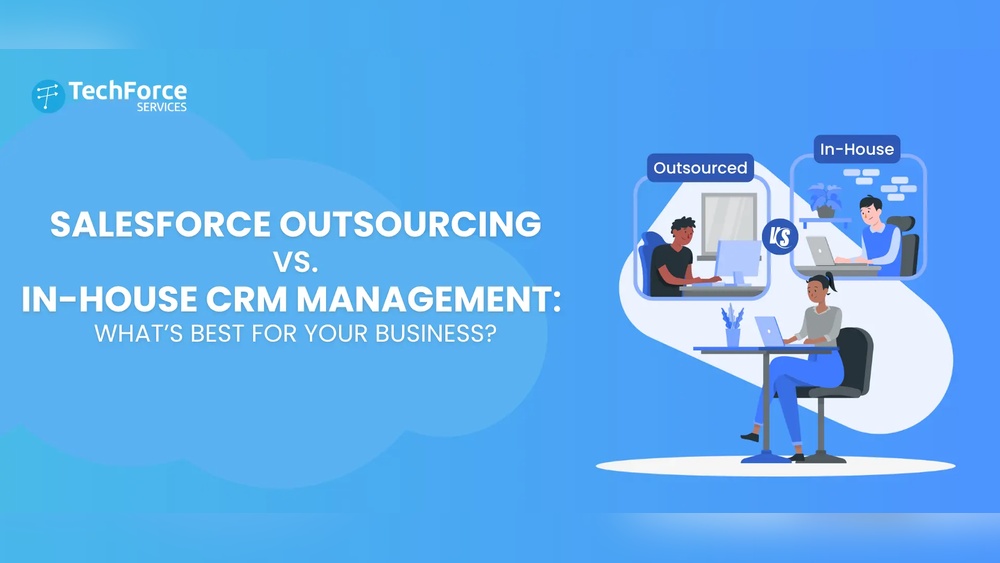
Comparing Outsourcing And In-house Models
Choosing between outsourcing and in-house models is a key decision for business operations. Each option has its own benefits and challenges. Understanding these differences helps in making the right choice. Let’s compare these models across important factors.
Cost Implications
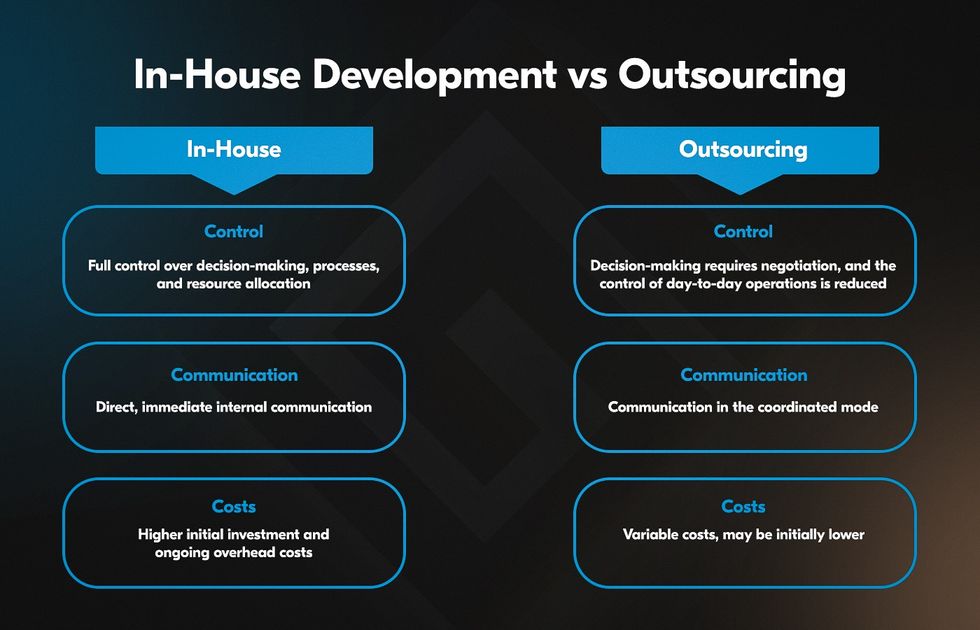
Outsourcing often reduces direct costs like salaries and training. Businesses pay only for the services they need. It cuts expenses on office space and equipment. In-house teams require fixed salaries and benefits. These can add up, especially with larger staff. Budget control can be easier with outsourcing. Yet, hidden costs might appear, such as management fees. Both models need careful cost analysis.
Control And Flexibility
In-house teams give full control over processes and schedules. Quick changes and adjustments are easier to make. Outsourcing means relying on external providers. This can limit day-to-day control. Flexibility depends on contract terms with vendors. Some outsourcing firms offer scalable services. Adjusting team size or tasks can be faster. Businesses must weigh control against flexibility needs.
Quality And Expertise
In-house staff often understand company culture and goals deeply. They can focus solely on one business. Outsourcing providers bring specialized skills and experience. They serve many clients and stay updated on trends. Quality depends on hiring the right team or vendor. Training and communication play big roles. Both models can deliver high-quality results with proper management.
Key Factors Influencing The Choice
Choosing between outsourcing and in-house operations depends on several key factors. These factors help businesses decide what fits their needs best. Understanding these elements can save time and money. It also improves efficiency and growth potential.
Business Size And Growth Stage
Small businesses may find outsourcing more affordable. It allows access to expert services without hiring full-time staff. Startups often prefer outsourcing to stay flexible. Larger companies might benefit from in-house teams. They can manage complex tasks internally. Growth stage matters too. Early-stage companies need agility. Mature businesses require stability and control.
Nature Of Operations
Simple, repetitive tasks suit outsourcing well. These tasks include customer support or data entry. Complex or strategic tasks often need in-house handling. For example, product development or core business functions. Sensitive operations may require direct oversight. Outsourcing such tasks could risk confidentiality. Understanding the operation’s nature guides the best choice.
Resource Availability
Available resources impact the decision greatly. Skilled staff and technology support favor in-house teams. Limited resources push businesses toward outsourcing. Outsourcing providers offer specialized tools and expertise. Budget constraints also play a role. Choosing the right option depends on what resources exist.
Benefits Of Outsourcing
Outsourcing offers many benefits for business operations. It helps companies save time and money while improving efficiency. Choosing to outsource certain tasks can bring fresh skills and new ideas to your team. Many businesses find outsourcing a smart way to stay flexible and competitive.
Access To Skilled Talent
Outsourcing gives you entry to experts in different fields. These professionals have specialized knowledge and experience. They stay updated with industry trends and best practices. This access helps your business complete tasks with high quality and speed. You do not need to hire full-time staff for every skill.
Scalability
Outsourcing allows your business to grow or shrink quickly. You can add more resources during busy times without long hiring processes. It also helps reduce costs when demand is low. This flexibility supports better management of work and budgets. Your business stays agile and ready to adapt.
Focus On Core Business
Outsourcing routine or specialized tasks frees up your team’s time. Your employees can concentrate on main business goals and strategies. This focus improves productivity and innovation. Delegating non-core work helps avoid distractions and burnout. It keeps your business moving forward efficiently.

Credit: transcom.com
Advantages Of In-house Operations
Choosing in-house operations offers clear benefits for many businesses. It allows direct control over tasks and processes. Teams work closely, which helps maintain strong company values. Communication flows quickly, helping solve problems faster.
Direct Oversight
Managing tasks within the company ensures full control. You can watch every step and make quick changes. This direct oversight reduces mistakes and keeps projects on track. It also builds accountability among employees.
Company Culture Alignment
In-house teams share the same goals and values. This alignment boosts teamwork and motivation. Staff understand the company’s mission deeply. It creates a strong, unified work environment that supports growth.
Faster Communication
Working under one roof speeds up conversations. Teams can ask questions and get answers immediately. Quick communication stops delays and confusion. It keeps projects moving smoothly and efficiently.
Common Challenges With Each Approach
Choosing between outsourcing and in-house work is not easy. Both have challenges that affect business operations. Understanding these common issues helps in making better decisions. Challenges can impact costs, quality, and control over work.
Outsourcing Risks
Outsourcing can save money but brings some risks. Communication problems happen often. Time zone differences slow down responses. Quality control is harder when tasks are done outside. Data security and privacy might be at risk. Dependence on a third party can reduce flexibility. Hidden costs may appear in contracts. These risks need careful management for success.
In-house Limitations
Running tasks in-house gives control but also limits. Hiring skilled staff takes time and money. Training employees can slow down projects. High overhead costs affect budgets. Scaling operations quickly is difficult. Limited resources can reduce innovation. Internal conflicts or low motivation may lower productivity. These issues require strong leadership and planning.

Credit: wowremoteteams.com
Industry-specific Considerations
Different industries have unique needs when choosing between outsourcing and in-house teams. Business operations vary widely. What works well in one sector might not fit another. Understanding these specific needs helps make the best choice.
Some industries require strict control over processes. Others benefit from flexible, cost-effective solutions. The nature of work, skill requirements, and customer expectations all play a role.
Tech Sector
The tech industry demands fast innovation and deep expertise. In-house teams allow better control over product development. They help protect intellectual property and maintain quality standards.
Outsourcing can speed up projects and reduce costs. It offers access to global talent pools. Yet, communication gaps and time zone differences may slow progress.
Manufacturing
Manufacturing needs precise control over production and quality. In-house operations ensure compliance with safety and industry standards. They help monitor the supply chain closely.
Outsourcing manufacturing can lower costs and increase capacity. It works well for non-core components or seasonal spikes. Risks include less control and potential delays.
Customer Service
Customer service relies on clear communication and empathy. In-house teams can better represent the brand’s voice and values. They understand the company culture and products deeply.
Outsourcing customer service reduces overhead and offers 24/7 support options. It suits businesses with high call volumes. Challenges include maintaining service quality and customer satisfaction.
Making The Decision
Deciding between outsourcing and keeping work in-house is a key choice for any business. This decision affects daily operations and future growth. It needs clear thought about your company’s needs and resources. Consider what fits best with your team, budget, and goals. Understanding these factors helps you pick the right path.
Evaluating Business Goals
Start by listing your main business goals. Are you aiming to cut costs or improve quality? Maybe speed or flexibility matters most. Define what success looks like for your operation. This clarity guides whether outsourcing or in-house work suits you better. Align your choice with your company’s mission and values.
Assessing Long-term Impact
Think about how your decision affects the future. Will outsourcing save money over years or add hidden costs? Can your in-house team grow with your business needs? Consider risks like losing control or facing delays. Weigh benefits against possible challenges. A long-term view helps avoid costly mistakes.
Hybrid Models
Many businesses choose a mix of both methods. Use outsourcing for tasks that require special skills or are time-consuming. Keep core activities inside your company for better control. A hybrid model offers flexibility and balance. It allows you to adjust as your business changes.
Credit: acropolium.com
Frequently Asked Questions
What Are The Main Benefits Of Outsourcing Business Operations?
Outsourcing reduces costs, improves efficiency, and provides access to expert skills. It allows businesses to focus on core activities while external providers handle specialized tasks, enhancing overall productivity and flexibility.
When Should A Business Choose In-house Operations Over Outsourcing?
In-house operations suit businesses needing full control, confidentiality, and quick communication. It works best when tasks require close collaboration, customization, or sensitive data management, ensuring alignment with company culture and goals.
How Does Outsourcing Impact Business Scalability And Growth?
Outsourcing supports scalability by offering flexible resources without heavy investment. It enables rapid expansion, adapts to market changes, and helps businesses manage fluctuating workloads efficiently, promoting faster growth.
What Are Common Risks Of Outsourcing Business Functions?
Risks include loss of control, quality issues, and data security concerns. Poor vendor selection or communication gaps can harm operations, so careful planning and strong contracts are essential to mitigate these risks.
Conclusion
Choosing between outsourcing and in-house depends on your business needs. Consider costs, control, and skill availability carefully. Outsourcing can save money and time but may reduce control. In-house teams offer more control but can be costly and slower to scale.
Think about your long-term goals and resources. Balance is key. Use what fits your business best. This decision shapes how your operations grow and succeed. Take time to review options before deciding. Your choice matters for future success.