Have you ever wondered who really owns a digital artwork? With the rise of NFTs and blockchain technology, the way creative ownership works is changing fast—and it could change everything for you as an artist or collector.
Imagine having clear proof that your digital creation is truly yours, or knowing exactly where your digital purchase came from. This new world of digital art opens doors to opportunities and challenges you might not expect. Keep reading to discover how blockchain is reshaping ownership, value, and trust in the creative space—and why it matters to you.
Credit: flourishprosper.net
Nfts And Digital Art
Digital art has taken a new shape with NFTs. These tokens allow artists to sell their work online with proof of ownership. Blockchain technology supports this by making each artwork unique and secure. This changes how artists share and earn from their creations.
NFTs bring fresh opportunities and challenges for creators and collectors. The art world is shifting toward digital spaces where ownership is clear and verifiable. Let’s explore what NFTs mean for artists, the rise of digital collectibles, and popular marketplaces where these artworks trade.
What Nfts Mean For Artists
Artists can now sell digital art directly to buyers worldwide. NFTs provide proof of authenticity and ownership. This stops copying and fake sales. Artists keep control over their work and can earn royalties on future sales. It opens new income streams beyond traditional galleries.
Rise Of Digital Collectibles
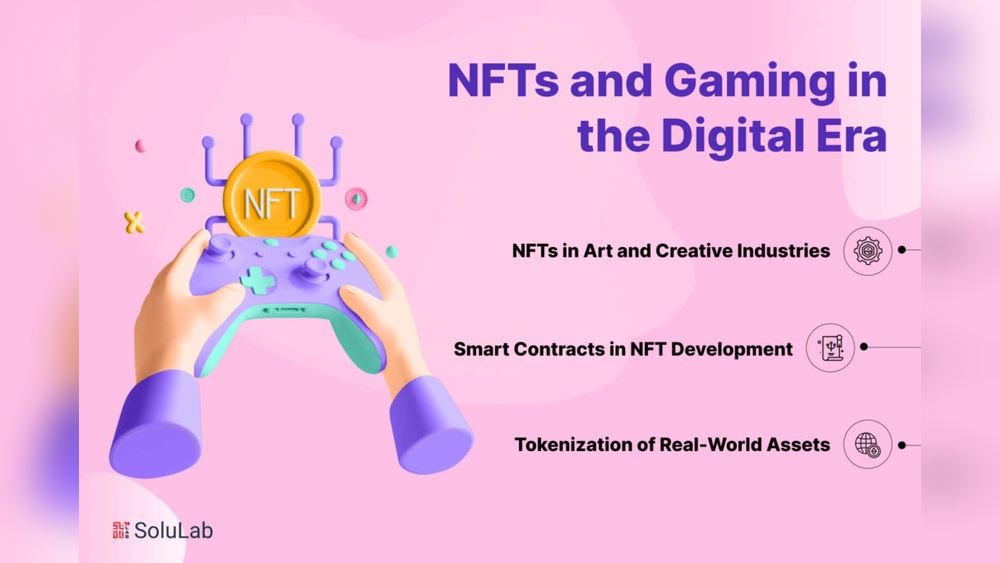
Digital collectibles are rare items stored on the blockchain. These include art, music, and virtual goods. Collectors value their uniqueness and scarcity. NFTs make it easy to trade and display collections online. This trend grows as more people embrace digital ownership.
Popular Nft Marketplaces
Many platforms host NFT sales. OpenSea, Rarible, and Foundation are top marketplaces. They offer easy ways to buy and sell digital art. Artists showcase their work to a global audience. These sites support secure transactions using cryptocurrency.

Credit: www.smu.edu
Blockchain And Ownership
Blockchain changes how artists prove and protect their work. It offers clear records of who owns digital art. This system helps creators keep control over their pieces online. It also stops copying and fraud. Ownership on blockchain is open and easy to check.
Immutable Proof Of Ownership
Blockchain stores ownership details permanently. Once recorded, these details cannot change. This makes ownership proof very reliable. Anyone can verify who owns a digital artwork. No one can alter or erase this information. This trust helps artists and buyers feel safe.
Smart Contracts In Art Sales
Smart contracts automate art sales on blockchain. They handle payments and transfer ownership instantly. This reduces the need for middlemen or agents. Artists receive payment automatically after a sale. Buyers get ownership rights without delays. Smart contracts also ensure fair deals for all parties.
Decentralized Art Registries
Decentralized registries store art ownership records on many computers. This avoids a single point of failure or control. Records stay accessible even if one server fails. This system increases transparency and security. Artists and collectors can trust these registries to keep data safe. It helps build a stronger digital art market.
Impact On Creative Economy
The rise of NFTs and blockchain technology is reshaping the creative economy. Artists and creators gain new ways to earn and control their work. This change affects how money flows and who holds power in the art world. The impact touches creators, collectors, and galleries alike.
Blockchain brings transparency and security to creative ownership. Each digital artwork has a unique record, proving authenticity. This shift encourages more trust in buying and selling art online. It also opens doors for smaller artists to reach global markets.
New Revenue Streams For Creators
Blockchain creates fresh income paths for artists. They can sell digital works directly to fans worldwide. Without middlemen, creators keep more of their earnings. Some platforms allow selling limited editions or exclusive content.
Artists can also offer special experiences or memberships as digital assets. These new models help build closer connections with audiences. They also diversify how artists earn money beyond traditional sales.
Artist Royalties And Resale
NFTs enable automatic royalties for artists on resales. Each time a work is sold again, the creator receives a percentage. This system runs through smart contracts on the blockchain.
It ensures artists benefit from increasing value over time. This was difficult in traditional art markets. Royalties provide steady income and reward long-term creativity.
Changing Role Of Galleries
Galleries must adapt to blockchain and digital art trends. They can act as curators for NFT collections. Some galleries create virtual exhibitions accessible worldwide.
Galleries also help verify digital art and assist with sales. Their role shifts from gatekeepers to facilitators. This new role supports artists in reaching broader audiences.
Challenges And Controversies
Digital art and NFTs offer new opportunities for artists and collectors. Still, this space faces many challenges and controversies. These issues affect creators, buyers, and the environment. Understanding these concerns helps us see the full picture of NFTs and digital art.
Environmental Concerns
Many blockchains use a lot of energy to verify transactions. This process can increase carbon emissions. Some NFTs are linked to these energy-heavy blockchains. Artists and buyers worry about the environmental impact. Some platforms now use greener blockchains to reduce harm.
Copyright And Authenticity Issues
Digital art can be copied easily. NFTs claim to prove ownership, but copyright laws are unclear. Some artists find their work sold without permission. Buyers risk buying fake or stolen art. Clear rules and better tools are needed to protect creators.
Market Speculation Risks
NFT prices can rise and fall very fast. Some buyers treat NFTs as quick investments. This creates a risky market with high uncertainty. Many people lose money in NFT trading. Understanding market risks is important before buying NFTs.
Future Of Digital Art Ownership
The future of digital art ownership is changing fast. Blockchain technology creates new ways for artists and buyers to connect. This shift gives more control to creators over their work. It also helps protect their rights and earnings. Digital art will become easier to buy, sell, and prove ownership of.
New tools and platforms will support this growth. The digital art world will become more open and secure. This will benefit artists, collectors, and art lovers alike.
Integration With Virtual Worlds
Virtual worlds are expanding quickly. These spaces allow users to explore, create, and trade digital goods. Digital art can be displayed in these worlds as NFTs. Owners can show their collections in virtual galleries. This creates a new way to enjoy and share art. Virtual worlds make art more social and interactive.
Evolving Legal Frameworks
Legal rules around digital art are developing. Governments and organizations work on new laws to protect digital creators. These laws will clarify ownership rights and copyright issues. Clear rules help reduce disputes and fraud. They also encourage artists to enter the digital space. Legal clarity builds trust in digital art markets.
Innovations In Nft Technology
NFT technology keeps improving. New features add more value to digital art. Smart contracts automate royalties for artists on every resale. This ensures artists earn money over time. Advances in NFT standards improve security and reduce costs. These changes make NFTs more useful and accessible to all.
Credit: flourishprosper.net
Frequently Asked Questions
What Are Nfts In Digital Art?
NFTs, or Non-Fungible Tokens, are unique digital assets verified using blockchain technology. They represent ownership of digital art pieces, ensuring authenticity and scarcity. This helps artists protect their work and allows collectors to invest in one-of-a-kind creations securely.
How Does Blockchain Ensure Creative Ownership?
Blockchain records every transaction in a secure, transparent ledger. This prevents duplication and forgery of digital art. Artists can prove ownership and track sales, while buyers get verifiable proof of authenticity and provenance, enhancing trust in digital art markets.
Can Nfts Increase Artists’ Income?
Yes, NFTs enable artists to sell digital art directly without intermediaries. Artists also earn royalties automatically from secondary sales via smart contracts. This creates new revenue streams and continuous income opportunities beyond the initial sale.
Are Nfts Changing Traditional Art Markets?
NFTs disrupt traditional art markets by digitizing ownership and sales. They broaden access to global audiences and lower entry barriers for artists. This shift promotes more diverse art collections and reshapes how art is bought, sold, and valued worldwide.
Conclusion
Blockchain changes how artists control their work and get paid. NFTs let creators prove ownership clearly and sell their art digitally. This new method helps artists keep rights and earn more. Collectors also gain confidence in buying original digital pieces.
Challenges remain, but the future looks bright for digital art. Artists and fans both benefit from this shift. Creativity meets technology in fresh, exciting ways. The art world is evolving fast, and blockchain plays a key role.