Thinking about placing your laundry room in the bathroom? It might sound like a smart space-saving move, especially if you have a small home or want to keep everything convenient.
After all, bathrooms already have the plumbing and ventilation needed for washing machines and dryers. But before you start stacking laundry baskets next to your sink, there are important pros and cons you should know. Could this combo make your daily routine easier, or will it bring unexpected hassles?
Keep reading to discover how a laundry room in your bathroom could impact your home’s comfort, functionality, and style—so you can decide if it’s the right fit for you.
Benefits Of Bathroom Laundry Combo
Combining a laundry area with a bathroom offers several clear benefits. It uses existing plumbing and ventilation, reducing installation costs. This combo creates a practical space that serves two purposes in one room. It suits small homes or apartments where space is limited. The convenience of doing laundry near the bathroom simplifies daily chores. Below are key advantages of a bathroom laundry combo.
Plumbing And Ventilation Advantages
Bathrooms already have water supply and drainage systems. Adding laundry appliances here lowers plumbing installation costs. Ventilation systems in bathrooms help remove moisture from washers and dryers. Proper ventilation prevents mold and mildew buildup. This setup reduces the need for extra vents or pipes. It makes maintenance easier and more efficient.
Space Saving Solutions
A bathroom laundry combo saves valuable floor space in the home. It fits well in compact houses and apartments. Instead of a separate laundry room, both functions share one area. This setup frees up other rooms for different uses. It also reduces clutter by centralizing laundry activities. Using vertical storage can maximize the limited space further.
Convenience Of Dual-purpose Area
Having laundry facilities in the bathroom makes chores simpler. Dirty clothes can go directly into the washer after a shower. Clean clothes are easy to sort and fold nearby. It cuts down on carrying laundry between rooms. The combo supports multitasking, like brushing teeth while waiting for a load. This design suits busy lifestyles and small households.
Challenges And Risks
Placing a laundry room inside a bathroom brings specific challenges and risks. These issues can affect the room’s safety, comfort, and durability. Understanding these concerns helps in making a smart choice for your home.
Moisture And Mold Concerns
Bathrooms are naturally moist spaces. Adding laundry machines increases humidity levels. Excess moisture can cause mold growth on walls, ceilings, and floors. Mold harms health and damages surfaces. Proper ventilation is crucial to control moisture. Waterproof materials help protect against water damage. Regular cleaning and maintenance reduce mold risks.
Electrical Safety Requirements
Bathrooms require special electrical safety rules. Water and electricity together pose shock hazards. Laundry appliances need grounded outlets with GFCI protection. Wiring must follow local safety codes. Installing machines needs a licensed electrician. Proper placement avoids water contact with electrical parts. Safety measures prevent fires and electrical accidents.
Noise And Privacy Issues
Laundry machines generate noise during operation. Washing and spinning can disturb bathroom users. Noise may affect other rooms nearby. Privacy may be compromised if the bathroom is busy. Soundproofing or placing machines away from sleeping areas helps. Scheduling laundry at quiet times reduces inconvenience. Thoughtful layout improves comfort for everyone.
Design Tips For Efficiency
Designing a laundry area within a bathroom can save space and add convenience. Planning this combined space requires smart choices to keep it efficient and functional. Efficiency means easy access, proper airflow, and organized storage. These tips help create a laundry bathroom that works well without feeling cramped or cluttered.
Layout Ideas For Small Spaces
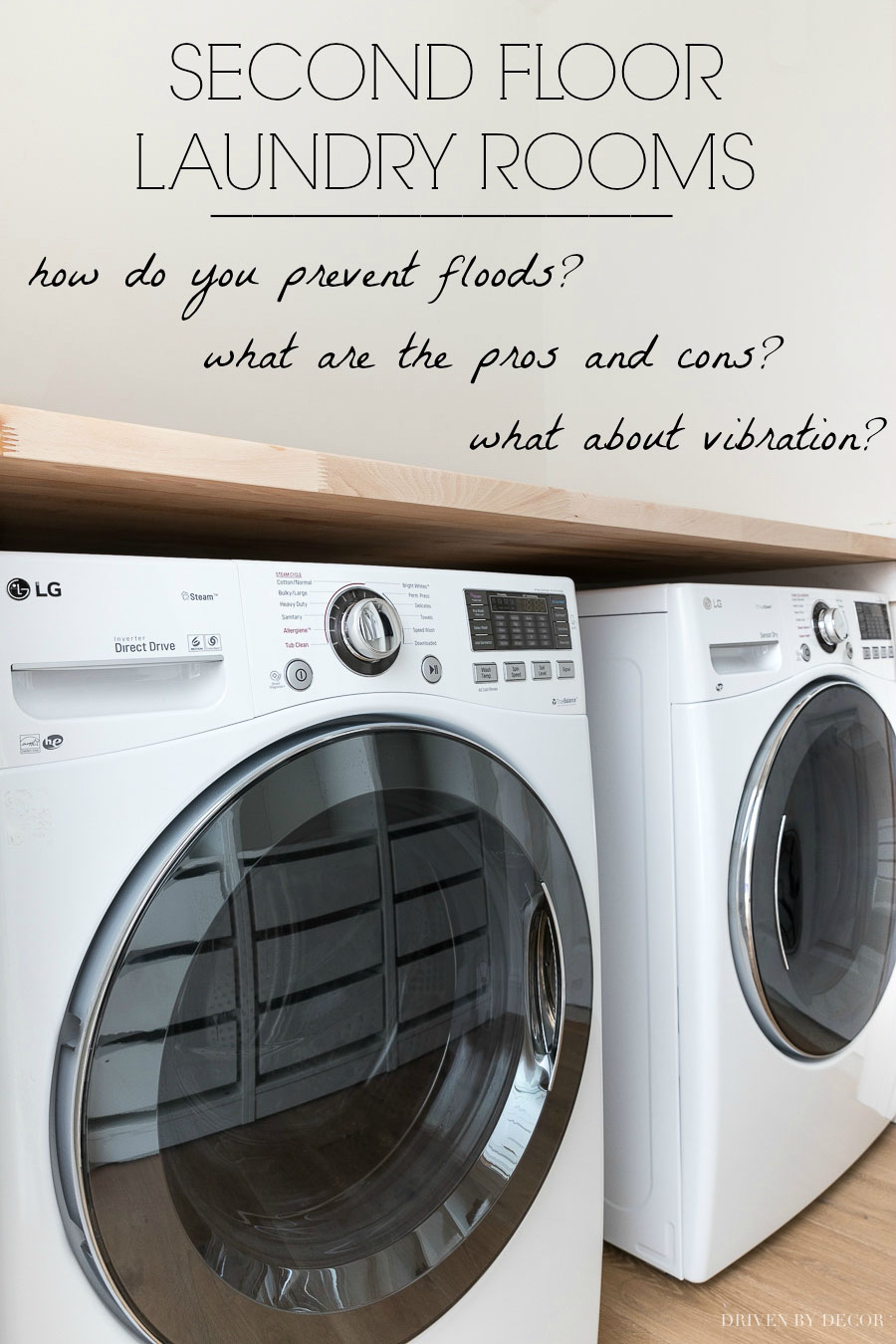
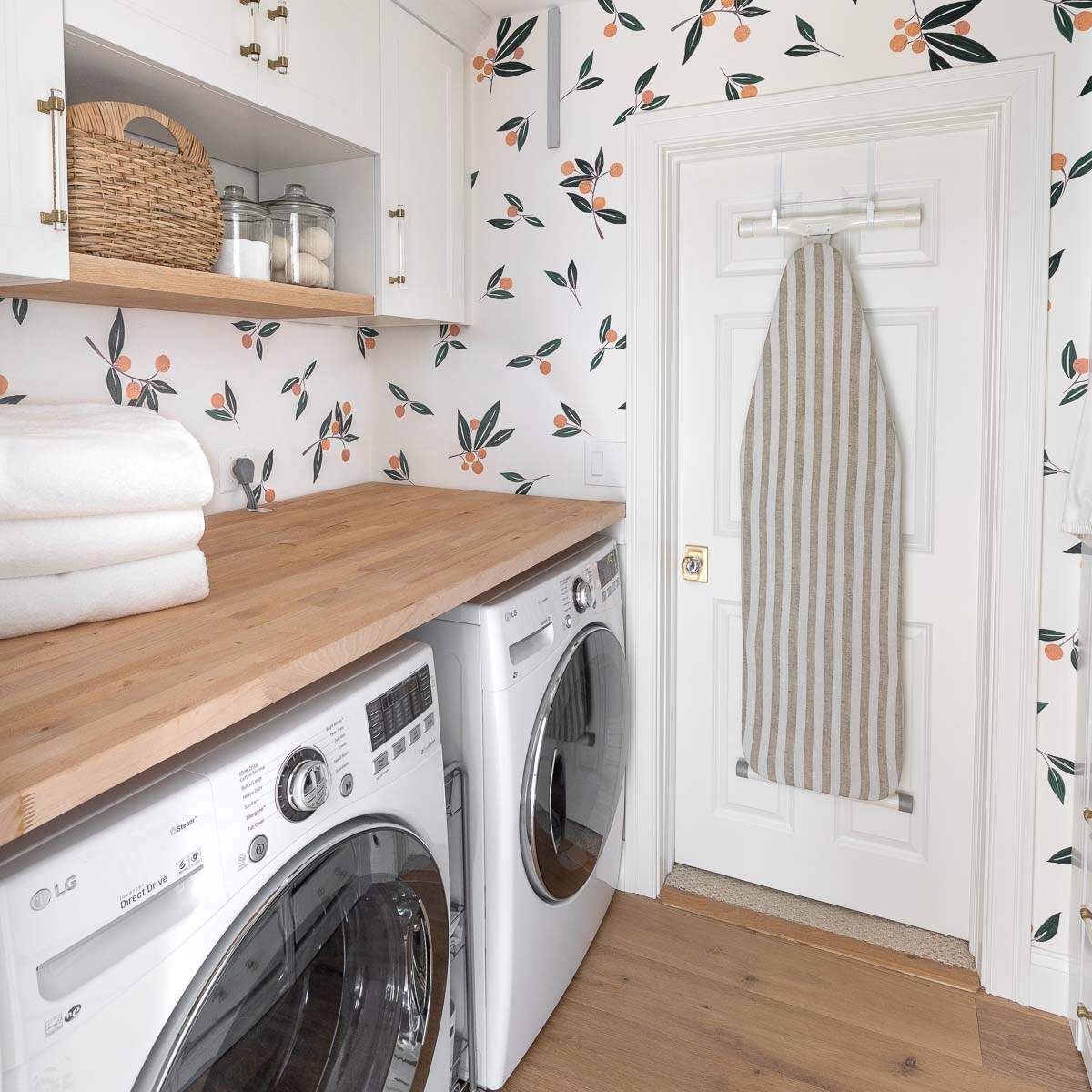
Use vertical space with stacked washer and dryer units. Place appliances under a countertop to create folding space. Position the laundry area near the bathroom entrance to separate it from the main bathroom zone. Compact appliances fit well in narrow spaces. Sliding doors or curtains can hide laundry appliances when not in use. Keep clear pathways for easy movement and safety.
Waterproofing And Ventilation Strategies
Bathrooms are moist, so waterproof surfaces prevent damage. Use water-resistant paint and flooring materials around laundry machines. Install a powerful exhaust fan to remove humidity fast. Make sure dryer vents lead outside to avoid mold growth. Seal all gaps around appliances to stop water leaks. Regularly check plumbing connections to prevent water damage. Good ventilation keeps the space dry and fresh.
Storage And Organization Hacks
Add shelves above the washer and dryer for detergents and supplies. Use baskets or bins to keep items tidy and easy to find. Install hooks or racks on walls for hanging clothes or laundry bags. A fold-down table can add workspace without taking much room. Keep cleaning tools and laundry items separate from bathroom products. Label containers to speed up laundry tasks. Organizing small items reduces clutter and saves time.
Credit: www.drivenbydecor.com
Comparing Laundry Room Locations
Choosing where to place your laundry room affects daily routines and home comfort. Different spots offer unique benefits and challenges. Compare popular locations to find the best fit for your needs.
Near Bedrooms Vs. Kitchen Or Mudroom
Locating the laundry near bedrooms means less carrying clothes. You can quickly move laundry between rooms. It saves time and effort for families. Kitchens or mudrooms work well too. These areas handle dirty or outdoor clothes easily. Plumbing is often already installed. Laundry near the kitchen lets you multitask while cooking or cleaning. Mudrooms provide a space to clean up before entering the main home.
Basement And Hallway Closet Options
Basements keep laundry noise away from living areas. They offer more space for sorting and folding. Stairs can make carrying laundry harder. Hallway closets save valuable floor space. They hide machines behind doors, keeping the area tidy. Closets may have limited room for appliances and storage. Both options require good ventilation to prevent moisture problems.
Impact On Workflow And Accessibility
Easy access to the laundry room improves daily chores. Close proximity to bedrooms or entry points reduces trips with heavy loads. Workflow flows smoother with enough space to sort and fold. Consider noise levels, especially near living or sleeping areas. Efficient layouts prevent bottlenecks and keep laundry tasks less stressful. Choose a spot that fits your home’s design and your routine.
Safety And Maintenance
Combining a laundry room with a bathroom creates unique safety and maintenance challenges. Proper attention to electrical systems, moisture control, and cleanliness helps keep the space safe and functional. Without these precautions, risks like electrical hazards and water damage rise significantly.
Proper Electrical Setup With Gfcis
Bathrooms and laundry areas both need strong electrical safety measures. Ground Fault Circuit Interrupters (GFCIs) are essential. They cut power quickly if water contacts electrical parts. Installing GFCIs near washers and dryers reduces shock risk. Always use outlets rated for wet environments. Hiring a licensed electrician ensures all wiring meets local codes. Proper setup protects users and devices alike.
Preventing Water Damage
Water spills and leaks happen often in combined laundry-bathroom spaces. Waterproof flooring helps stop damage to subfloors. Sealing gaps around machines prevents water seepage. Installing a drain pan under washers adds extra protection. Ventilation is critical to reduce moisture buildup. Humidity can cause mold and weaken walls. Check hoses and connections regularly for leaks. Quick repair prevents costly structural problems.
Regular Cleaning And Upkeep
Keeping the area clean is vital for safety and hygiene. Lint buildup in dryers can cause fires if ignored. Clean lint traps after every use. Wipe down surfaces to avoid mold growth. Inspect appliances for wear and tear monthly. Replace damaged hoses and cords immediately. Clear drains and vents to maintain airflow. Consistent maintenance extends appliance life and keeps the space safe.
Cost Considerations
Cost is a key factor when adding a laundry area to your bathroom. Understanding the expenses helps plan your budget well. Several costs arise from installation to future savings. We break down the main financial points to consider.
Installation Expenses
Installing laundry appliances in a bathroom needs plumbing and electrical work. Moving water lines or adding outlets can increase costs. Appliances themselves vary in price depending on size and features. Compact models may save space but sometimes cost more. Labor charges for professionals add to the total. Expect higher expenses if your bathroom needs upgrades to support machines.
Potential Renovation Costs
Renovations may be necessary to fit laundry machines safely. Waterproofing walls and floors protects against moisture damage. Ventilation improvements prevent mold and keep air fresh. Adjusting cabinets or counters might be needed to fit appliances. Flooring may require stronger materials to hold heavier machines. These changes add to your remodeling budget and take time to complete.
Long-term Savings And Efficiency
Combining laundry and bathroom spaces can reduce utility bills. Shared water and drainage lines lower plumbing costs. Efficient appliances save energy and water over time. Saving space may reduce heating and cooling needs in your home. Having laundry close to bedrooms cuts down on carrying clothes. These benefits can balance some upfront expenses with ongoing savings.
Common Mistakes To Avoid
Adding a laundry area in the bathroom can be handy but tricky. Many homeowners make mistakes that cause problems later. Avoiding these errors will save time, money, and stress. Focus on ventilation, space, and noise control to create a smooth setup.
Ignoring Ventilation Needs
Bathrooms already have some ventilation. Laundry machines add more moisture and heat. Without proper vents, mold and mildew can grow fast. Always install strong fans or windows that open. Keep air flowing to stop dampness and keep the room fresh.
Poor Space Planning
Space in bathrooms is often limited. Placing washers and dryers without measuring can block doors or sinks. Leave enough room to open machines and move freely. Use vertical storage or stackable units to save floor space. Plan carefully to keep the bathroom comfortable and functional.
Overlooking Noise Control
Washing machines and dryers can be loud. Noise can disturb sleep or relax time. Think about soundproofing walls or doors near the laundry area. Choose quieter models if possible. A noise-free bathroom makes doing laundry less stressful for everyone.
Credit: www.drivenbydecor.com
Credit: www.mcadamsremodeling.com
Frequently Asked Questions
Is Laundry In The Bathroom A Good Idea?
Laundry in the bathroom saves space and uses existing plumbing. Ensure proper waterproofing, ventilation, and GFCI outlets to avoid moisture and electrical risks. This setup suits small homes but requires careful layout to separate laundry and bathroom functions efficiently.
Can A Laundry Room Be In A Bathroom?
Yes, a laundry room can be in a bathroom if it has proper waterproofing, ventilation, and grounded electrical outlets. This setup saves space and uses existing plumbing efficiently. Ensure clear separation between laundry and bathroom areas to maintain hygiene and functionality.
Where Is The Best Place To Put A Laundry Room?
Place the laundry room near bedrooms or the main floor mudroom/kitchen for easy access. Ensure plumbing, electrical setup, and noise control. Basements or hallway closets work well to save space and reduce noise, depending on your home’s layout and family needs.
Where Not To Put A Washing Machine?
Avoid placing a washing machine in unventilated spaces, near electrical outlets without grounding, on uneven floors, in direct sunlight, or where water damage risk is high.
Conclusion
A laundry room in the bathroom offers clear benefits and some challenges. It saves space and uses existing plumbing well. Yet, moisture and noise can cause issues if not managed. Planning for proper ventilation and electrical safety matters a lot.
Consider your home’s layout and daily habits carefully. This setup works best in smaller homes or apartments. Think about how often you do laundry and bathroom use times. Balancing comfort and function will help you decide smartly.