Have you ever noticed a mysterious charge labeled “Hvublxa5Dzwrgk7” on your debit card statement and wondered what it means? You’re not alone, and understanding these unfamiliar charges is crucial to keeping your finances safe and under control.
You’ll discover exactly what an Hvublxa5Dzwrgk7 charge on debit card means, why it shows up on your statement, and the simple steps you can take to verify or dispute it. By the end, you’ll feel confident managing unfamiliar charges and protecting yourself from unexpected fees or potential fraud.
Keep reading to take charge of your financial security today!
Debit Card Charge Basics
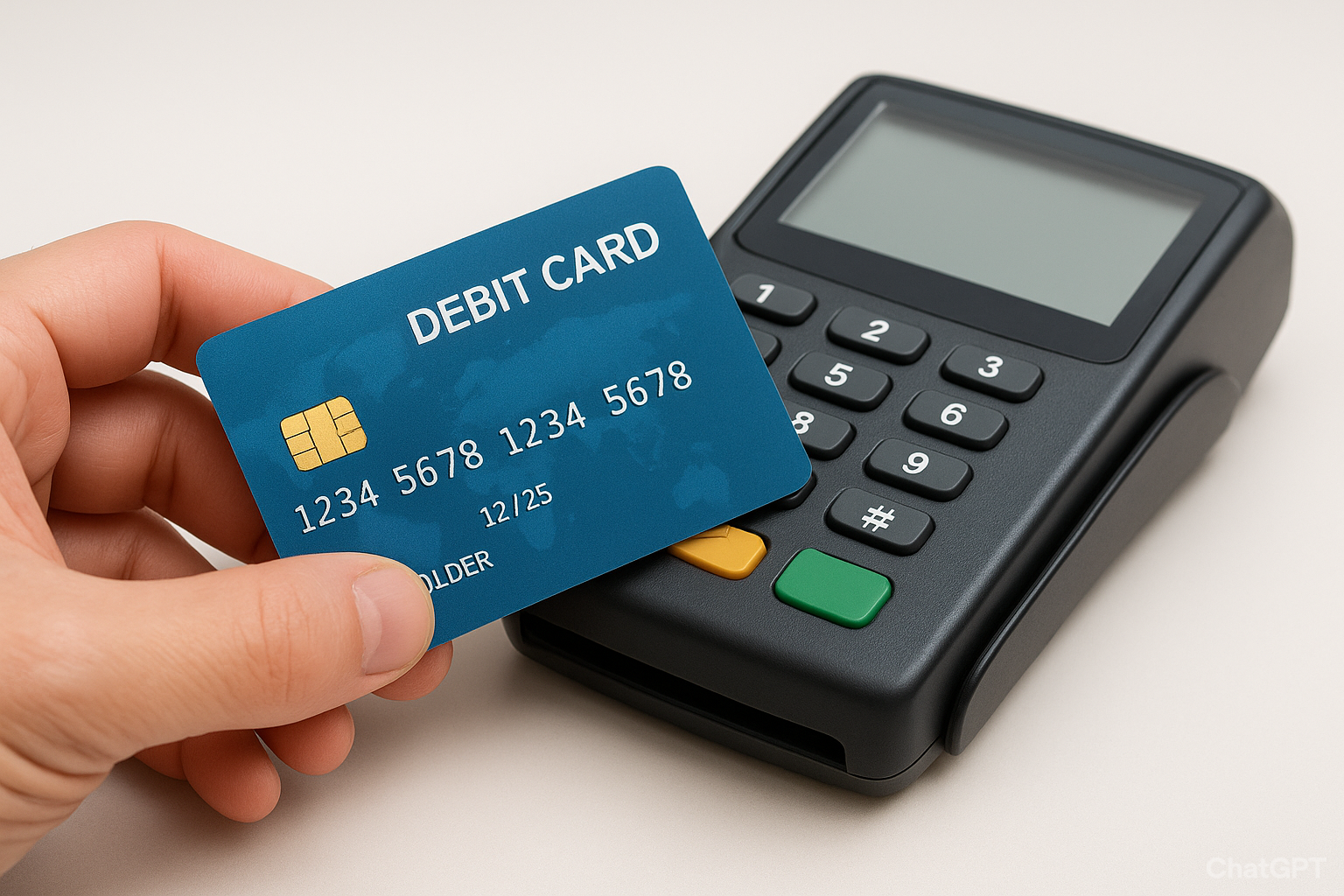
Understanding debit card charges helps you manage your money better. Charges appear each time you use your debit card for purchases or payments. Knowing the basics can prevent confusion and avoid mistakes on your bank statement.
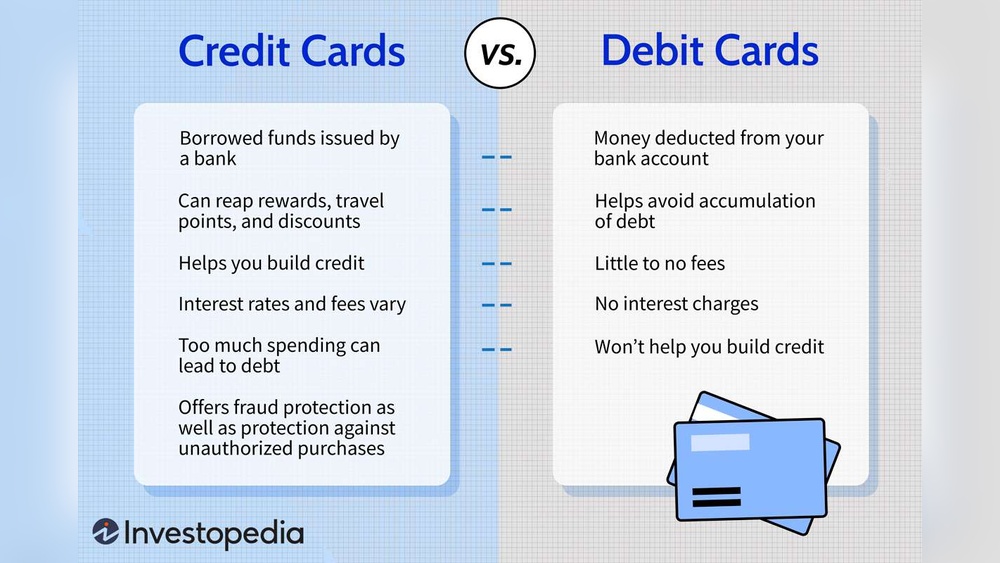
Debit card charges are usually immediate deductions from your bank account. The process is simple but knowing the types and how they show up is important for tracking your expenses.
Why You Shouldn’t Ignore an Hvublxa5Dzwrgk7 Charge on Debit Card
If you’ve recently noticed an Hvublxa5Dzwrgk7 charge on debit card, it’s important not to ignore it. Such charges can be linked to legitimate services, hidden subscriptions, or even unauthorized transactions. Taking the time to investigate where this charge came from helps you determine whether it’s a valid payment or a sign of potential fraud. By understanding how to trace and verify the source, you gain control over your finances and reduce the risk of unexpected losses.
Common Charge Types
There are several types of charges on a debit card. The most common is a purchase at stores or online. Another type is ATM withdrawals. Some charges include fees for services or account maintenance. Recurring charges from subscriptions also appear regularly. Sometimes, holds or pre-authorizations may show up, especially with hotels or car rentals.
How Charges Appear On Statements
Charges on your bank statement usually show the merchant’s name and transaction date. The name might look different from the store name. It could be a payment processor or a parent company. The amount deducted from your account is also listed. Sometimes, pending charges appear before the final amount is posted. This helps you track your spending before the charge is complete.
Identifying Unknown Charges
Unknown charges on your debit card can cause worry and confusion. Identifying these charges quickly helps protect your money. Understanding how to check and verify transactions is essential. It keeps your finances safe and avoids unnecessary stress.
Below are simple steps to identify unknown charges on your debit card. These tips help you recognize where the money went and if the charge is valid.
Checking Transaction Details
Start by reviewing your debit card statement carefully. Look for the merchant’s name, transaction date, and amount. This information gives clues about the charge.
Many banks let you click on a transaction online for more details. Sometimes, you will find a phone number or an address of the merchant. Keep this information handy for further investigation.
Recognizing Recurring Payments
Some charges may come from subscriptions or services you forgot. These include streaming platforms, apps, or gym memberships. Check if the charge repeats monthly or yearly.
Remember past purchases or free trials that became paid subscriptions. Cancel any services you no longer use to avoid future charges.
Searching Merchant Names Online
If the merchant name looks strange, search it on the internet. Many times, the name on your statement may be a payment processor, not the actual seller.
Use search engines to find reviews or websites linked to the merchant name. This helps confirm if the charge is legitimate or suspicious.
Using Merchant And Bank Tools
Using merchant and bank tools helps you understand unfamiliar charges on your debit card. These tools give clear details about transactions. They help identify where a charge came from and if it is valid. Accessing these resources can save time and avoid confusion.
Payment Processor Lookup Tools
Payment processors handle many transactions for different businesses. Sometimes your statement shows the processor’s name, not the merchant’s. Online lookup tools let you enter the charge info. These tools show the actual business behind the charge. Stripe and PayPal offer such services. Use them to confirm the merchant’s identity quickly.
Reviewing Receipts And Order History
Always keep receipts after purchases. Check them against your bank statement date and amount. Online stores let you view past orders in your account. This can explain charges from online shopping. Receipts and order history help match charges to real purchases. They reduce the chance of mistaken or fraudulent charges.
Accessing Additional Transaction Info
Many banks provide more transaction details online. Clicking on a charge in your account may show phone numbers or merchant addresses. This extra info helps confirm the charge’s origin. If details are unclear, contact your bank directly. They can explain charges and help you dispute any wrong ones.
Steps To Take If Charge Is Unfamiliar
Finding an unfamiliar charge on your debit card can be stressful. Act quickly to protect your money and personal information. Follow clear steps to address the issue and reduce potential losses.
Contacting Your Bank Or Card Issuer
Start by calling your bank or card issuer immediately. Use the customer service number on the back of your debit card. Explain that you see an unfamiliar charge on your account. Ask for details about the transaction. Your bank can often provide the merchant’s information and transaction time.
Keep your account information ready for verification. The faster you contact them, the better they can help prevent further unauthorized use.
Reporting Unauthorized Charges
Tell your bank if the charge is unauthorized or fraudulent. They may block your card to stop more charges. Request a new debit card with a new number. Reporting quickly can limit your liability for the unauthorized charge.
Make sure to ask how the bank handles such cases. Follow their instructions carefully to ensure your claim is processed smoothly.
Disputing Fraudulent Transactions
File a formal dispute with your bank for any fraudulent transactions. Submit any evidence you have, such as receipts or account activity records. The bank will investigate and may refund the disputed amount.
Monitor your account regularly after the dispute. Report any new suspicious activity right away to keep your account safe.
Preventing Unwanted Debit Card Charges
Unwanted debit card charges can cause frustration and financial stress. Taking steps to prevent these charges helps protect your money and peace of mind. Simple habits and smart choices reduce the risk of unauthorized or mistaken payments.
Being proactive about your debit card use keeps your finances safe. Small actions add up to strong protection against fraud and errors.
Monitoring Your Statements Regularly
Check your bank statements often. Look for any charge you do not recognize. Early detection helps you act fast and limit damage. Many banks offer alerts for transactions. Set these up to get notified instantly. This keeps you aware of every debit card use.
Managing Subscriptions And Authorizations
Keep track of all subscriptions linked to your debit card. Cancel those you no longer need. Review authorizations before giving your card details. Avoid saving card info on websites unless necessary. This lowers the chance of recurring or hidden charges.
Enhancing Card Security
Use strong PINs and change them regularly. Never share your debit card details with others. Avoid using your card on public Wi-Fi networks. Consider activating two-factor authentication if your bank offers it. These steps build a safer shield for your card.
Frequently Asked Questions
How Do I Figure Out Where A Charge On My Card Came From?
Check your card statement for the merchant’s name, date, and amount. Search the merchant online or review receipts and order history. Use payment processor tools like Stripe’s lookup. Contact your card issuer for details or to dispute unfamiliar charges.
What If I Have A Weird Charge On My Debit Card?
Check your statement for merchant details and transaction date. Search the merchant online or review receipts. Contact your bank immediately to report or dispute suspicious charges.
What Is Amazon Marketplace On My Bank Statement?
Amazon Marketplace on your bank statement shows purchases from third-party sellers on Amazon’s platform. It represents payments for goods sold by these sellers.
Can I Find Out Who Used My Debit Card?
Check your debit card statement for transaction details and merchant names. Search unfamiliar names online or review receipts. Contact your bank immediately for suspicious or unknown charges to get more information or report fraud.
Conclusion
Understanding charges on your debit card helps you stay in control of your money. Always check your statement carefully for any unfamiliar transactions. Use online tools or search the merchant’s name if needed. Keep your receipts and order history handy for quick reference.
Contact your bank promptly if something looks wrong. Taking these simple steps protects you from fraud and keeps your finances safe. Stay alert and informed to manage your debit card charges wisely.