
Have you ever wondered why some crypto projects skyrocket while others fade away? The secret often lies in tokenomics—the way a project designs and manages its tokens.
Your understanding of tokenomics can be the key to spotting winning projects and making smarter investments. You’ll discover how tokenomics directly impacts a crypto project’s success and what you should look for to protect and grow your assets. Keep reading, because mastering this could change the way you approach crypto forever.
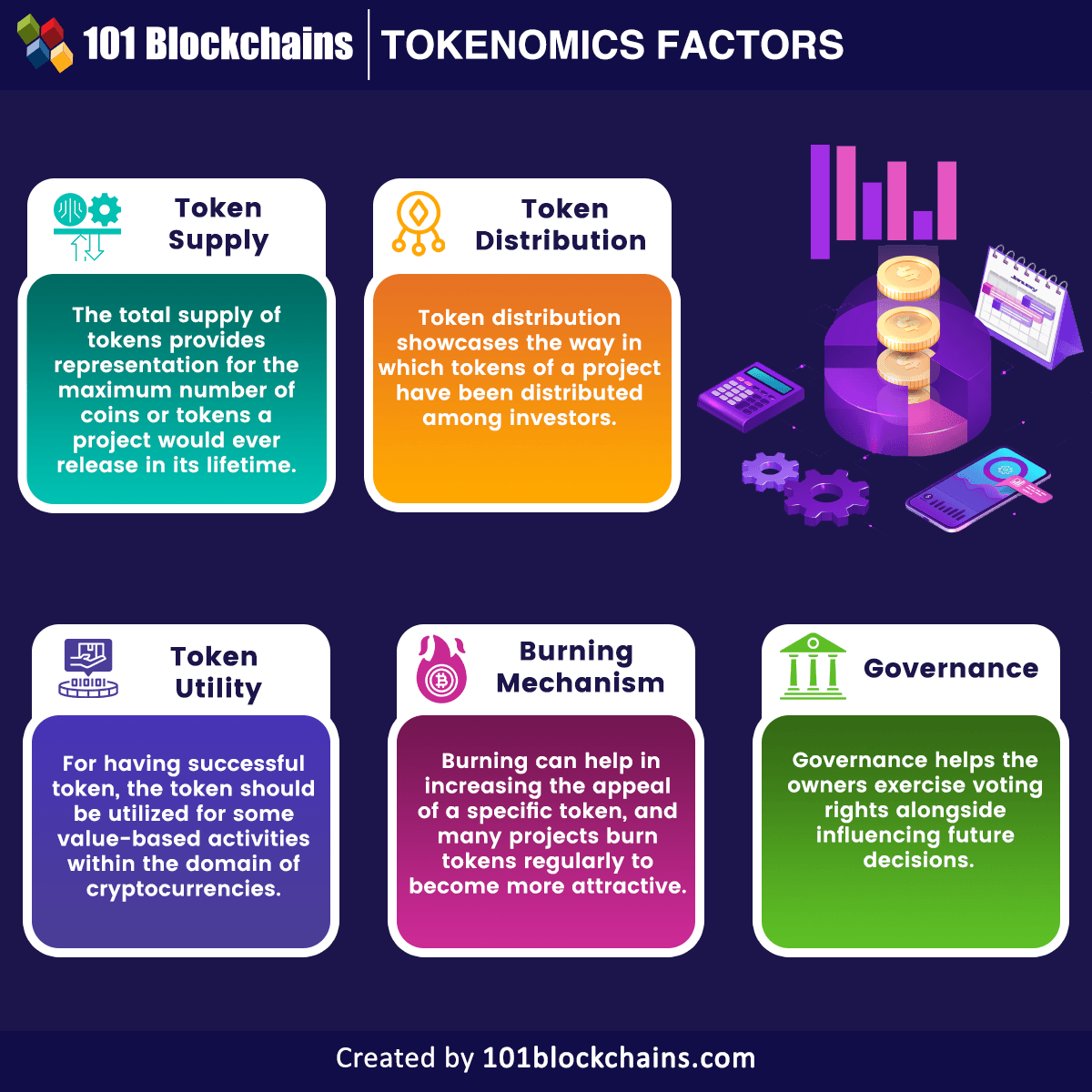
Credit: 101blockchains.com
Tokenomics Basics
Understanding tokenomics is key to grasping how crypto projects succeed. Tokenomics means the rules and design behind a crypto token. It affects the token’s value and the project’s growth.
Good tokenomics creates trust and interest among users and investors. It shapes how tokens are made, used, and shared. The basics include token supply, utility, and incentives.
Token Supply And Distribution
Token supply means how many tokens exist. Some tokens have a fixed supply. Others can create more tokens over time. Supply affects scarcity and price.
Distribution shows who owns the tokens. Fair distribution means many people have tokens. This prevents too much power in few hands. It helps create a strong community.
Utility And Functionality
Utility means what the token can do. Tokens with clear use cases attract more users. They might pay for services or give voting rights. Functionality shows how the token works in the system.
A token with real use has better chances to grow. It adds value beyond just trading.
Incentive Structures
Incentives motivate people to join and stay. Rewards can be in tokens or other benefits. They encourage users to hold, use, or promote the token.
Good incentive structures keep the network active. They align interests of developers, users, and investors. This balance supports long-term success.
Impact On User Adoption
User adoption plays a big role in the success of any crypto project. Tokenomics shapes how users interact with the project. It influences their trust and long-term involvement. Projects with clear and fair tokenomics attract more users and keep them interested. Below are key ways tokenomics impacts user adoption.
Reward Mechanisms
Reward systems encourage users to take part in the project. Tokens can be given for actions like trading or holding. These rewards make users feel valued. They also motivate users to stay active. A good reward plan can increase user numbers fast. It creates a positive cycle of growth and engagement.
Staking And Governance
Staking lets users lock tokens for benefits. This reduces token supply and can raise value. It also builds loyalty as users commit to the project. Governance gives token holders voting power. This makes users feel involved and responsible. They help shape the project’s future. Both staking and governance bring users closer to the project.
Community Engagement
Strong communities attract more users. Tokenomics can support community events and rewards. This creates a sense of belonging. Users are more likely to stay and invite others. Active communities share ideas and help solve problems. This keeps the project lively and growing. Good tokenomics supports this by rewarding community actions.
Market Dynamics
Market dynamics play a vital role in the success of any crypto project. They shape how tokens move and how users perceive value. Understanding these forces helps in designing better tokenomics models. It also guides investors and developers to make smarter decisions. Market dynamics focus on several key factors that influence price and demand.
Price Stability Factors
Price stability helps build trust among users. Large price swings often scare away investors. Tokenomics can include mechanisms to reduce volatility. Examples are locking tokens or setting price floors. Stable prices encourage long-term holding and use.
Liquidity Considerations
Liquidity means how easily tokens can be bought or sold. High liquidity ensures smooth trading without big price changes. Tokenomics can promote liquidity by rewarding liquidity providers. Low liquidity can cause price manipulation and poor user experience.
Inflation Vs Deflation
Inflation increases token supply over time. It can lower token value if unchecked. Deflation reduces supply and may raise token value. Balanced inflation and deflation rates keep the market healthy. Tokenomics must carefully choose between these to match project goals.
Project Sustainability
Project sustainability is key to a crypto project’s long life and success. It means the project can keep running and growing without running out of resources. Tokenomics plays a big role in this by shaping how funds are raised, used, and managed over time. It also impacts how well the project stays aligned with its goals and handles risks.
Funding And Development
Strong tokenomics ensures steady funding for development. Tokens can raise money through sales or staking. This money pays developers and covers costs. A clear plan for spending funds helps avoid waste. Constant funding keeps improvements and updates on track. Without enough funds, a project may slow down or stop.
Long-term Vision Alignment
Tokenomics should support the project’s future goals. It encourages users and investors to stay involved. This alignment helps the project grow steadily. Tokens often include incentives for long-term holding or participation. This creates a stable community focused on shared success. Projects without vision alignment risk losing support quickly.
Risk Management
Good tokenomics reduces financial risks for the project. It controls token supply to avoid inflation or crashes. It sets rules for fair distribution and use. This protects investors and users from sudden losses. Risk management builds trust and confidence in the project. A risky or unfair token model can cause failure.
Case Studies
Case studies show how tokenomics shapes crypto project success. Real examples reveal what works and what does not. Learning from these stories helps new projects design better token systems.
Successful Tokenomics Models
One strong example is Ethereum. Its token, Ether, powers the network and rewards miners. The clear use of tokens keeps demand steady. Ethereum’s tokenomics supports growth and user trust.
Another case is Binance Coin (BNB). BNB has clear uses like paying fees and participating in sales. Binance also reduces token supply over time. This controlled approach raises token value and interest.
These projects show token utility and scarcity build long-term success. They balance supply and demand well. Strong tokenomics encourages user engagement and investment.
Lessons From Failures
Some projects failed due to poor tokenomics. One issue was oversupply, which lowered token value quickly. Without limits, tokens lost their worth fast.
Another problem was unclear token use. Tokens without real purpose lost user interest. Lack of incentives led to weak community support.
These failures highlight the need for clear token roles and smart supply control. Good tokenomics must match the project’s goals. Without this, projects risk losing users and investors.
Credit: www.tokenmetrics.com
Future Trends
The future of tokenomics holds new paths for crypto projects. Changes in token design will shape how projects grow and succeed. New trends will blend technology and economics in fresh ways. These trends will affect user engagement, value, and project sustainability.
Evolving Token Models
Token models are shifting to meet new needs. More projects use dynamic supply mechanisms to control inflation. Some tokens gain value by linking to real-world assets or services. Utility tokens now offer more functions to increase user activity. Projects test new rewards systems to encourage long-term holding. These models aim to balance growth with fairness and security.
Integration With Defi And Nfts
DeFi and NFTs are changing token utility and value. Tokens now work in lending, staking, and yield farming platforms. NFTs add uniqueness, creating new ways to use tokens as collectibles or access keys. This integration helps projects attract diverse users. It also builds strong communities and new income streams. The mix of DeFi and NFTs will continue to grow and influence tokenomics.

Credit: ecos.am
Frequently Asked Questions
What Is Tokenomics In Cryptocurrency Projects?
Tokenomics refers to the economic design of a crypto token. It includes supply, distribution, incentives, and utility. Proper tokenomics ensures sustainable growth, user engagement, and project longevity. It directly impacts a project’s success and investor confidence.
How Does Token Supply Affect Crypto Project Success?
Token supply controls scarcity and value. Limited supply can increase demand and price. Oversupply may cause inflation and reduce token value. Balanced supply management attracts investors and supports project stability.
Why Is Token Distribution Important For Crypto Projects?
Token distribution determines fairness and decentralization. Equitable distribution prevents centralization risks and promotes community trust. It encourages wider participation and reduces manipulation chances, boosting project credibility.
How Do Incentives Impact User Engagement In Crypto Projects?
Incentives motivate users to participate actively. Rewards, staking, and governance rights encourage holding and using tokens. Effective incentives enhance network security and community growth, driving project success.
Conclusion
Tokenomics shapes how a crypto project grows and lasts. Strong token design builds trust and attracts users. Poor tokenomics can cause value to drop fast. Clear rules for tokens help keep the system fair. Every project should plan token supply and rewards carefully.
Success depends on smart token choices and good management. Watch tokenomics closely before joining a crypto project. It tells a lot about future chances and risks. Simple, fair token rules help projects stay healthy and strong.