Are you ready to turn your business idea into reality? Writing a business plan that truly stands out can be the key to attracting investors who believe in your vision.
But how do you create a plan that grabs attention and builds trust right from the start? You will discover simple yet powerful steps to craft a compelling business plan that speaks directly to investors’ needs. By following these tips, you’ll not only clarify your goals but also boost your chances of securing the funding you need.
Keep reading to unlock the secrets that make your business plan impossible to ignore.
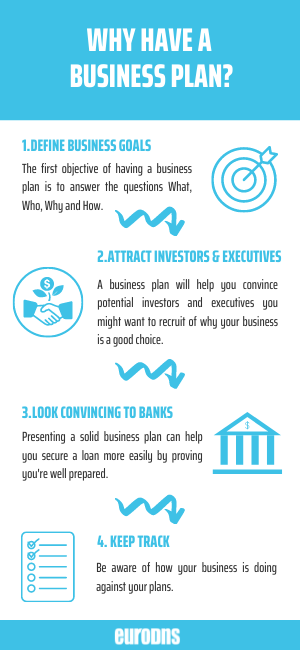
Credit: www.eurodns.com
Crafting A Clear Executive Summary
The executive summary is the first part investors read in your business plan. It sets the tone and gives a quick overview of your business idea. A clear executive summary helps investors understand your goals fast. It should highlight the most important points without overwhelming the reader. Writing it well increases the chance of gaining investor interest.
Key Elements To Include
Start with your business name and location. Describe your product or service in simple terms. Explain the market need you aim to fill. Highlight your target customers and how you will reach them. Summarize your business goals and vision. Include a brief overview of your team’s skills. Mention key financial highlights, like expected revenue or profits. Keep each element focused and easy to grasp.
Making It Engaging And Concise
Use clear and direct language. Avoid jargon or technical terms. Write short sentences that are easy to follow. Capture attention with a strong opening statement. Use active voice to make your writing lively. Keep the summary to one page or less. Edit carefully to remove unnecessary details. Make every word count to keep investors interested.
Credit: www.walmart.com
Defining Your Business Vision
Defining your business vision is the first step to a strong business plan. It shows investors what your company aims to achieve. A clear vision guides every decision and action your business takes. It helps others understand your purpose and future direction.
Setting Clear Goals
Clear goals make your vision real and practical. They describe what your business wants to accomplish. Goals should be specific, measurable, and time-bound. This way, investors see your plan is organized and achievable. Clear goals also keep your team focused and motivated.
Aligning Vision With Market Needs
Your business vision must fit the market’s needs. Study your target customers and their problems. Show how your business solves those problems. Investors want to know your idea works in the real world. A vision that matches market demand increases your chance of success.
Conducting Market Analysis
Conducting market analysis is a key part of writing a business plan. It shows investors you understand the market and its needs. This section helps you find who your customers are, learn about competitors, and see gaps in the market.
Identifying Target Audience
Start by defining your ideal customers. Think about their age, location, and interests. Knowing who needs your product makes your plan stronger. It helps you focus marketing efforts and product features. Clear audience insight shows investors you have a solid customer base.
Analyzing Competitors
Study businesses offering similar products or services. Note their strengths and weaknesses. Find what they do well and where they fall short. This helps you position your business differently. Showing awareness of competitors builds trust with investors.
Spotting Market Opportunities
Look for gaps where customer needs are not met. Find trends that you can use to your advantage. New technology or changing habits often create openings. Highlighting opportunities shows your plan has growth potential. Investors want to see a clear path to success.
Detailing Products And Services
Detailing your products and services clearly is key to attracting investors. This section shows what your business offers and why it matters. Investors want to see exactly what you sell and how it stands out.
Highlighting Unique Selling Points
Focus on what makes your products or services different. Mention features that your competitors do not have. Explain why these features matter to customers. Show how your offering solves a problem better than others. Clear unique points catch investors’ attention fast.
Demonstrating Value To Customers
Explain how your products or services improve customers’ lives. Share benefits like saving time, cutting costs, or boosting comfort. Use simple examples that show real value. Investors want proof that customers will pay for what you offer. Value drives sales and growth.
Developing A Marketing Strategy
Developing a marketing strategy is a key part of a business plan. It shows investors how you will reach customers and grow sales. A clear marketing plan builds trust and proves you understand your market. It also helps you set realistic goals and use your budget wisely.
Choosing The Right Channels
Select channels where your target customers spend time. Social media, email, or search engines might work. Each channel has strengths and costs. Pick the ones that fit your product and budget. Focus on a few channels to avoid spreading yourself too thin. Track results to see which channels bring the best return.
Planning Customer Acquisition
Customer acquisition means gaining new buyers for your product. Define who your ideal customers are. Plan how to attract and convince them to buy. Use offers, content, or ads to get their attention. Set clear steps for converting interest into sales. Estimate the cost per customer and how many you need. This shows investors you can grow your business smartly.
Outlining Operational Plans
Outlining your operational plans is vital for a strong business plan. It shows investors you understand how your business works daily. Clear operational plans prove your business can run smoothly and grow over time.
Defining Daily Operations
Describe the tasks your business performs every day. Explain how work flows from one step to the next. Show how you deliver products or services to customers. Include details on hours of operation and key processes. This helps investors see your business in action.
Resource And Staffing Needs
List the resources needed to run your business. This includes equipment, technology, and supplies. Identify the number of staff and their roles. Clarify skills or experience required for each position. This section proves you have plans to manage your team and resources well.
Building A Strong Management Team
Building a strong management team is crucial for attracting investors. Investors want to see leaders with skills and experience. A solid team shows your business can succeed. It also builds trust and confidence in your plan.
A strong team brings diverse skills. Each member should add clear value. Investors look for leaders who can solve problems and grow the business. Highlighting your team’s strengths will make your plan stand out.
Showcasing Expertise
Present each team member’s background clearly. Include their education, work history, and achievements. Focus on relevant experience that supports your business goals. Show how their skills help solve key challenges. Use simple language to explain their expertise. This makes it easy for investors to understand their value.
Clarifying Roles And Responsibilities
Define each person’s role in the business. Explain who handles what tasks and decisions. Clear roles prevent confusion and overlap. Investors want to see organized leadership. Show how the team works together to reach goals. This clarity proves your business runs smoothly and efficiently.
Preparing Financial Projections
Preparing financial projections is a crucial step in writing a business plan. These projections show investors the future financial health of your business. They help predict income, costs, and profits. Clear financial forecasts build trust and show you understand your market well.
Financial projections include detailed estimates of revenue and expenses. They also highlight important numbers that investors watch closely. Presenting these projections clearly makes your business plan stronger and more convincing.
Forecasting Revenue And Expenses
Start by estimating your sales for the next few years. Use data from market research and your business experience. Be realistic about how fast your sales will grow. Include all sources of income.
Next, list your expenses. Separate fixed costs like rent and salaries from variable costs like materials. Track monthly and yearly expenses carefully. This helps show how much money you need to run your business.
Highlighting Key Financial Metrics
Focus on important numbers that investors check first. Show your gross profit margin to prove you can make money after costs. Include net profit to reveal your true earnings.
Cash flow is another key metric. It shows if your business can pay bills on time. Also, calculate your break-even point. This tells when your business will start making a profit.
Present these numbers in simple charts or tables. Clear visuals make your plan easier to understand and more attractive.
Addressing Risks And Challenges
Addressing risks and challenges is a key part of a strong business plan. Investors want to see that you know what problems might come up. They also want to know you have plans to handle these problems. This section shows that you are prepared and thoughtful.
Identifying Potential Obstacles
Start by listing all possible risks your business might face. Think about market changes, financial issues, and competition. Consider problems with suppliers or technology. Also, include legal or regulatory challenges. Being clear about obstacles builds trust with investors. It shows you understand your business environment well.
Planning Mitigation Strategies
Next, explain how you will reduce or avoid these risks. Describe specific steps you will take for each problem. For example, plan backup suppliers or flexible budgets. Show how you will adjust if the market shifts. Clear strategies make your plan stronger. Investors feel safer knowing you have solutions ready.
Tailoring The Plan For Investors
Tailoring a business plan for investors means focusing on what matters most to them. Investors want clear, direct information that shows your plan’s value. Your goal is to make the plan easy to read and convincing. This approach helps you stand out and gain their trust.
Focusing On Investor Priorities
Investors care about risk, growth, and market opportunity. Highlight these points clearly in your plan. Show how your business solves a real problem or meets a demand. Use data and facts to back your claims. Avoid vague promises and focus on solid evidence.
Presenting A Clear Return On Investment
Investors want to see how they will earn money. Show profits and timelines clearly. Use charts or numbers to explain expected returns. Be honest about risks but emphasize potential rewards. Make it easy for investors to understand their benefits.

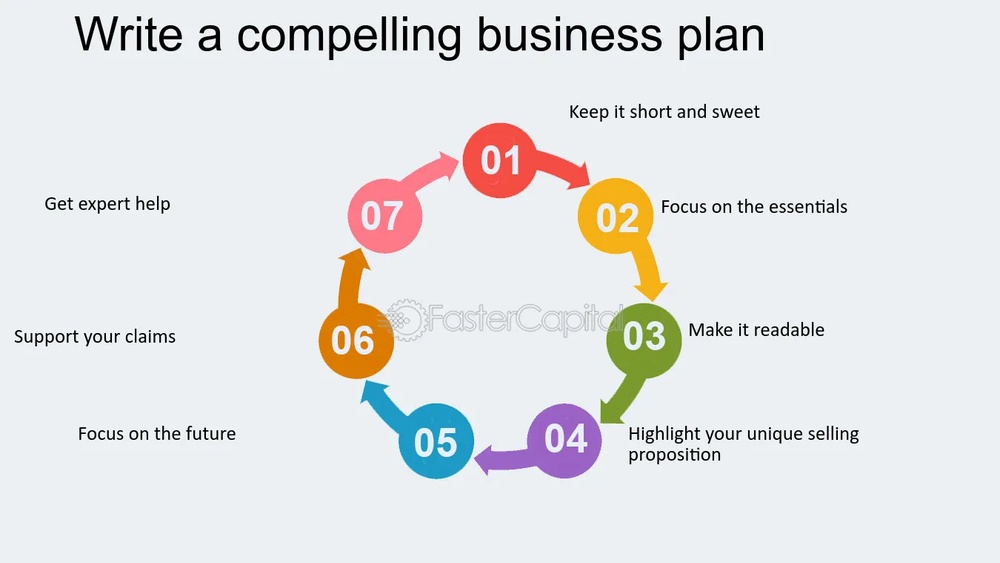
Credit: fastercapital.com
Frequently Asked Questions
What Key Elements Attract Investors In A Business Plan?
A strong business plan includes a clear value proposition, market analysis, financial projections, and a solid marketing strategy. Investors seek proof of profitability and growth potential. Highlighting your unique selling points and management team also builds confidence.
How Detailed Should Financial Projections Be?
Financial projections should cover at least three to five years. Include income statements, cash flow, and balance sheets. Use realistic assumptions and explain them clearly. Accurate projections help investors understand your business’s future profitability and funding needs.
Why Is Market Analysis Important In A Business Plan?
Market analysis shows investors you understand your industry and target customers. It highlights market size, trends, and competitors. This information proves your business can capture market share and adapt to changes, increasing investor confidence.
How Can A Business Plan Demonstrate Growth Potential?
Showcase scalability through clear milestones and growth strategies. Include product development, market expansion, and revenue forecasts. Demonstrating a path to increased profits reassures investors that your business can deliver strong returns.
Conclusion
A strong business plan opens doors to investors’ trust and interest. Clear goals and detailed strategies show you know your market. Keep your plan simple, honest, and focused on results. Investors want to see how you will grow and succeed.
Take time to revise your plan and make it easy to read. A well-written plan can make a big difference for your business future. Start writing today and bring your ideas to life.