Is your sink or shower drain backing up and causing frustration? You’re not alone, and luckily, unclogging a drain is something you can often fix yourself without calling a plumber.
Imagine how satisfying it will feel to see water flowing freely again after just a few simple steps. In this guide, you’ll discover easy, effective methods—from natural remedies like baking soda and vinegar to using a plunger or drain snake—that anyone can do with common household tools.
Stick with me, and you’ll learn how to tackle stubborn clogs quickly and confidently, saving time, money, and stress. Ready to clear that drain once and for all? Let’s get started.

Credit: www.youtube.com
Common Causes
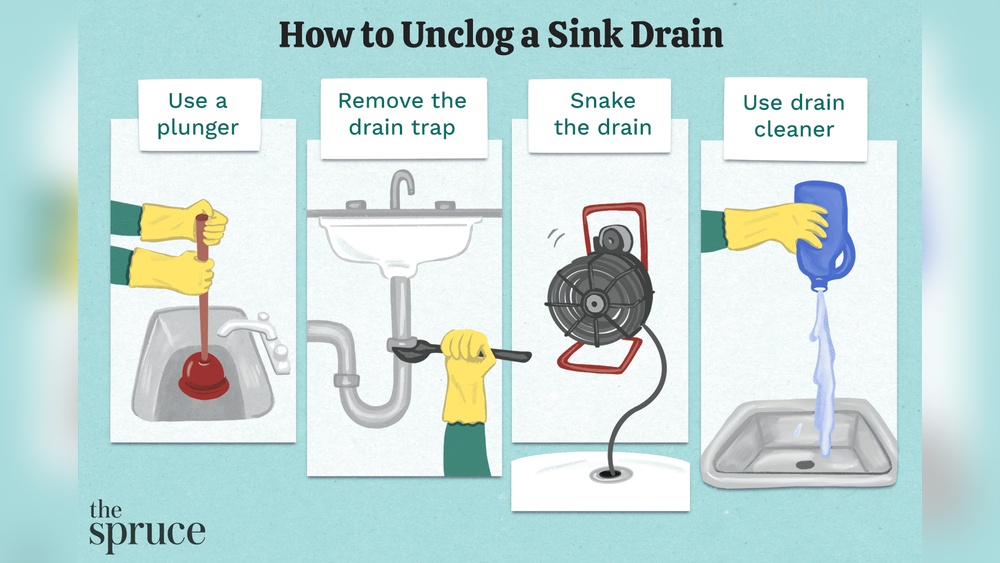
The drain snake method is a practical way to clear stubborn clogs. This tool reaches deep inside pipes to break up blockages. It works well when plungers or chemical cleaners fail. Using a drain snake requires some care but is straightforward. Follow these steps to unclog your drain effectively.
Choosing The Right Snake
Select a snake size that fits your drain pipe. Smaller snakes work well for sinks and showers. Larger snakes suit floor drains and main sewer lines. Choose a manual or electric snake based on your skill and clog severity. Manual snakes offer control, while electric ones provide power for tough clogs.
Inserting And Rotating
Insert the snake’s end into the drain opening slowly. Push gently until you feel resistance from the clog. Turn the snake’s handle clockwise to hook or break the blockage. Keep rotating and pushing carefully to avoid damaging pipes. Continue until the snake moves freely, signaling the clog is cleared.
Removing The Clog
Slowly pull the snake out while continuing to rotate it. This helps bring the debris up and out of the drain. Dispose of any material caught on the snake properly. Run hot water down the drain to flush away remaining particles. Repeat the process if water still drains slowly.
Credit: pghphoto.org
Basic Tools
Chemical cleaners offer a quick fix for clogged drains. They use strong chemicals to dissolve hair, grease, and other blockages. Many people prefer them because they require less effort than manual methods. However, they must be used carefully to avoid damage and health risks.
Safe Usage Tips
Always read the label before use. Use gloves and eye protection. Pour the cleaner slowly into the drain. Avoid mixing different chemical products. Let the cleaner sit for the recommended time. Flush the drain with hot water after treatment. Keep children and pets away during use.
When To Avoid
Do not use chemical cleaners on old or damaged pipes. Avoid using them if the clog is caused by solid objects. If the drain is completely blocked, chemicals may not work. Do not use chemicals after trying mechanical methods. Avoid overuse, as it can harm your plumbing system.
Environmental Considerations
Chemical cleaners can harm the environment. They may pollute water sources if not used properly. Choose eco-friendly products when possible. Dispose of any leftover cleaner safely. Consider natural alternatives for frequent clogs. Protect local wildlife and water quality by using less harsh chemicals.
Simple Diy Fixes
Preventing drain clogs saves time and reduces plumbing problems. Simple daily habits keep drains flowing smoothly. Focus on regular care and smart usage to avoid blockages.
Regular Cleaning
Clean drains weekly with warm water and mild soap. This removes soap scum and small debris. Use a brush or cloth to scrub around the drain opening. Avoid harsh chemicals that can damage pipes.
Drain Covers
Install drain covers to catch hair and large particles. Clean covers often to keep water flowing freely. Covers are easy to remove and prevent many clogs. They protect pipes from buildup over time.
Proper Waste Disposal
Never pour grease or oil down drains. These substances solidify and block pipes. Dispose of food scraps in the trash, not the sink. Use a strainer to catch solids from washing dishes. Proper disposal habits keep drains clear and working well.
Using A Plunger
Knowing when to call a professional plumber is key to solving drain problems safely. Some blockages need expert tools and skills. Calling a pro can save time and prevent damage.
Signs Of Severe Blockage
Water drains very slowly or not at all. Strange noises come from the pipes. Bad odors linger near the drain. Water backs up into sinks or tubs. These signs show a serious clog. A professional can diagnose and fix these issues properly.
Risks Of Diy Methods
Using harsh chemicals can harm your pipes. Tools like drain snakes may cause damage if used wrong. DIY fixes might push clogs deeper. This leads to bigger problems and costly repairs. Some blockages need special equipment only plumbers have.
Finding A Reliable Plumber
Check reviews and ratings online. Ask friends or family for recommendations. Verify the plumber is licensed and insured. Get a clear estimate before work begins. A good plumber works fast and keeps your home clean.

Credit: www.familyhandyman.com
Frequently Asked Questions
How To Quickly Unclog A Drain?
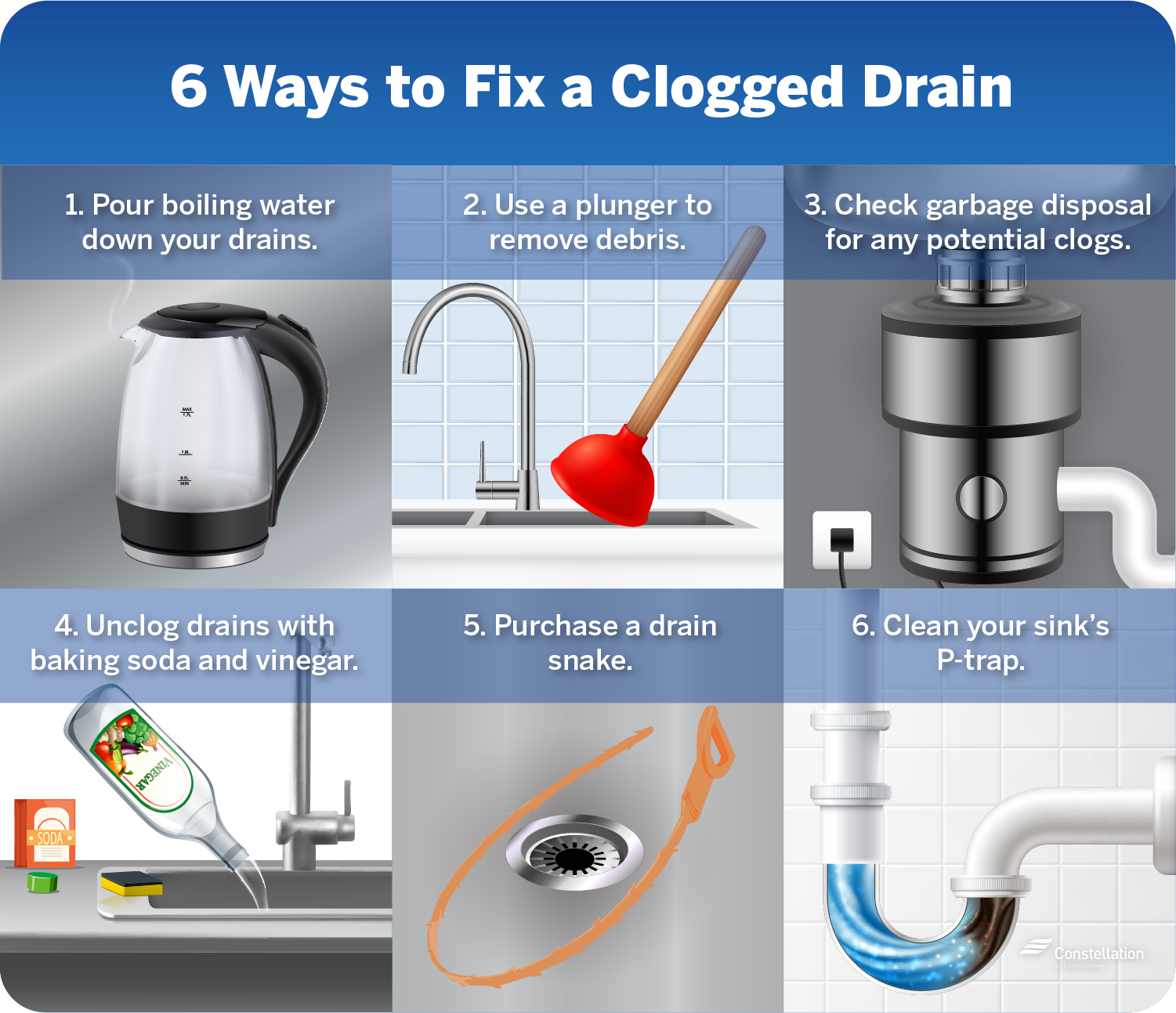
Pour boiling water slowly down the drain to dissolve grease. Use a baking soda and vinegar mix, then flush with hot water. Apply a plunger firmly to create suction and dislodge clogs. For stubborn blocks, use a drain snake or clean the U-bend trap manually.
How Do You Unblock A Badly Blocked Drain?
Pour boiling water slowly to dissolve grease. Use baking soda and vinegar to fizz clogs. Apply a plunger firmly, pump to loosen blockage. Insert a drain snake to break deeper clogs. Remove and clean the U-bend trap for stubborn blockages.
Call a plumber if needed.
What Will Dissolve Hair In A Drain?
Enzyme-based drain cleaners and chemical solutions dissolve hair clogs effectively. Hot water, baking soda, and vinegar help soften hair buildup. Mechanical tools like a drain snake also remove hair physically from drains.
How Can I Unclog My Main Drain?
Pour boiling water slowly to dissolve grease. Use baking soda and vinegar for natural cleaning. Apply a plunger to create suction and dislodge clogs. For deeper blockages, insert a drain snake to break debris. Remove and clean the U-bend trap if needed.
Call a plumber for severe clogs.
Conclusion
Clearing a clogged drain need not be stressful or costly. Simple tools like boiling water, baking soda, and a plunger often do the trick. Regular maintenance helps prevent future blockages and keeps water flowing smoothly. Always try gentle methods before using harsh chemicals.
For tough clogs, a drain snake or professional help may be needed. Taking quick action saves time and protects your plumbing. Keep these easy steps in mind for a clean, clear drain every time.