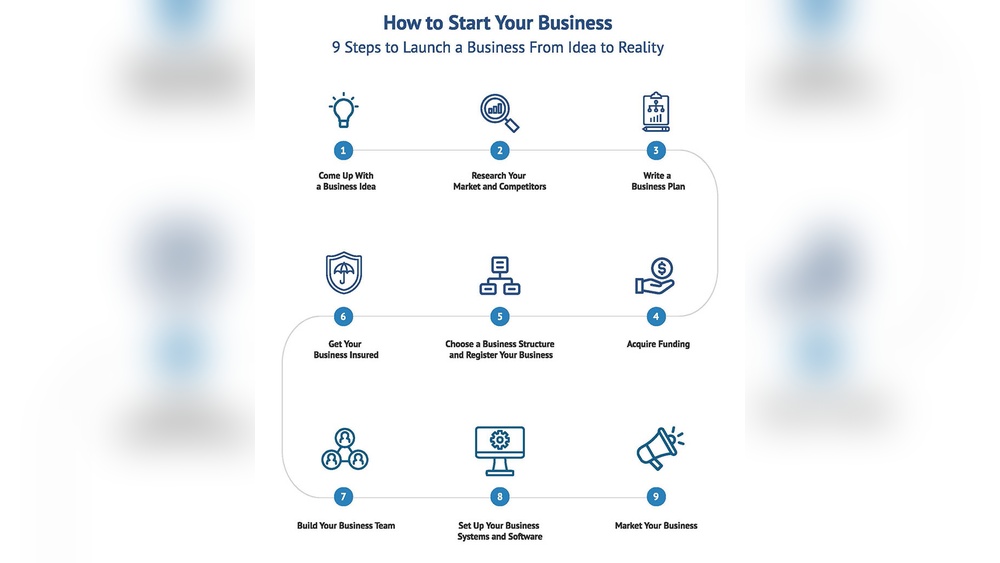
Starting a small business from scratch might feel overwhelming, but it doesn’t have to be. Imagine turning your idea into a real, thriving company—step by step, with clear guidance that removes the guesswork.
You’re about to discover a straightforward path that covers everything you need: finding your niche, planning smartly, handling legal stuff, securing funds, and reaching your customers. By following these simple steps, you’ll gain the confidence and tools to build your business the right way.
Ready to take control of your future and make your business dream a reality? Let’s dive in and get started!
Find Your Niche
Finding your niche is a crucial step when starting a small business. It helps you focus on a specific market segment. This focus allows you to serve customers better and stand out from competitors. Choosing the right niche can increase your chances of success.
Identify Market Needs
Start by researching the market to find gaps or unmet demands. Look for areas where customers want better products or services. Use surveys, online forums, and social media to gather insights. Pay attention to trends and changes in customer preferences. Narrowing down to a niche with real demand reduces risk and builds customer loyalty.
Analyze Customer Problems
Understand the common problems your potential customers face. Identify pain points that current solutions do not fully address. Talk directly to people in your target group through interviews or feedback forms. Focus on solving these problems with your product or service. A clear problem-solution fit makes your business more attractive and needed.
Credit: www.amazon.com
Conduct Market Research
Conducting market research is a vital step in starting a small business from scratch. It helps you understand your industry, customers, and competition. This knowledge guides your decisions and lowers risks. Research provides clear insight into what works and what does not in your chosen market.
Use market research to gather data about your target audience’s needs and preferences. This helps create products or services that customers want. It also reveals gaps in the market where your business can fit and succeed.
Study Competitors
Analyze businesses that offer similar products or services. Look at their strengths and weaknesses. Note their prices, marketing methods, and customer feedback. This information shows how you can differentiate your business.
Identify what makes competitors popular and what customers dislike. Use this to improve your offerings. Avoid repeating others’ mistakes and focus on adding value.
Assess Market Viability
Evaluate if the market can support your business idea. Check the size of your potential customer base. Estimate demand and purchasing power. Consider trends that affect the industry.
Look for barriers like high costs or strict regulations. Assess if your business can compete and grow in this environment. This step prevents investing in unprofitable ventures.
Create A Business Plan
Creating a business plan is a vital step when starting a small business. It acts as a roadmap for your venture and guides your decisions. A clear plan helps you understand your goals and how to reach them. It also shows investors and lenders that you are serious and prepared.
A good business plan covers your goals, strategies, and financial outlook. It should be simple and easy to follow. Writing it carefully increases your chance of success.
Set Goals And Objectives
Start by defining what you want to achieve with your business. Goals give you direction and purpose. Make your goals clear, specific, and measurable. For example, “Reach 100 customers in six months” is better than “Get more customers.”
Objectives break down your goals into smaller steps. These are the actions you will take to meet your goals. Setting deadlines for each objective helps keep you on track.
Outline Strategies
Describe how you will reach your goals. List the methods and actions you will use. This could include marketing plans, sales tactics, and product development.
Identify your target customers and explain how you will attract them. Think about pricing, promotion, and distribution channels. A clear strategy shows you understand your market and competition.
Prepare Financial Projections
Estimate your business’s future income and expenses. Include sales forecasts, cost of goods, and operating costs. This helps you see if your business can be profitable.
Prepare cash flow statements to track money coming in and going out. Financial projections also help you plan for funding needs and manage risks. Keep your numbers realistic and based on research.
Credit: store.nolo.com
Choose Legal Structure
Choosing the right legal structure is a key step in starting your small business. It affects taxes, liability, and how you manage your company. Each type of structure has its own rules and benefits. Understanding these options helps you make the best decision for your business goals and needs.
Sole Proprietorship
A sole proprietorship is the simplest business form. You are the only owner and control everything. It has low setup costs and fewer regulations. You report business income on your personal taxes. The downside is that you are personally liable for all debts and legal issues.
Partnership
A partnership involves two or more people who share ownership. Partners share profits, losses, and responsibilities. It is easy to form with a written agreement. Taxes are passed through to each partner’s personal return. Partners are personally liable for business debts and actions of others.
Llc
A Limited Liability Company (LLC) combines benefits of corporations and partnerships. It protects your personal assets from business debts. Taxes can be flexible, often avoiding double taxation. It requires more paperwork than a sole proprietorship or partnership. An LLC suits small businesses wanting liability protection and tax options.
Corporation
A corporation is a separate legal entity owned by shareholders. It offers strong personal liability protection. Corporations pay corporate taxes, and shareholders pay taxes on dividends. This can lead to double taxation. Setting up a corporation involves complex rules and higher costs. It fits businesses planning to raise capital or grow big.
Register Your Business
Registering your business is a crucial step to make it official and legal. It gives your business a unique identity. This step helps protect your brand and builds trust with customers.
Proper registration also allows you to pay taxes and follow state and federal laws. Taking time to register your business correctly sets a strong foundation for growth.
Select Business Name
Choose a name that reflects your business and is easy to remember. Check if the name is available in your state. Avoid names already taken by other businesses.
Make sure your name is simple and clear for your target customers. You can search online databases or use state websites to verify name availability. Registering a unique name prevents legal issues later.
Complete Legal Registration
Decide your business structure, like sole proprietorship, LLC, or corporation. Each has different legal and tax rules. File the necessary paperwork with your state’s business office.
Get any required licenses or permits for your industry. You may also need a federal Employer Identification Number (EIN). This number is used for taxes and hiring employees.
Keep copies of all registration documents safe. Follow all local laws to avoid fines or penalties. Legal registration makes your business official and ready to operate.
Calculate Startup Costs
Calculating startup costs is essential to start a small business. It helps you understand how much money you need. This step avoids surprises and keeps your plans realistic.
Knowing your costs also helps you find the right funding. It guides your spending and ensures you allocate resources wisely. Let’s break down how to calculate these costs effectively.
Estimate Expenses
List all possible expenses to start your business. Include items like equipment, licenses, and office space.
Think about one-time costs and ongoing expenses. One-time costs are things you buy once, like furniture. Ongoing expenses include rent and utilities.
Don’t forget marketing, insurance, and initial inventory. Estimate each cost carefully to avoid underestimating your needs.
Plan Budget Allocation
Divide your total budget into clear categories. Assign amounts to each expense based on your estimates.
Prioritize essential costs first, such as legal fees and equipment. Set aside funds for unexpected expenses too.
Review your budget often and adjust as needed. Proper allocation keeps your business financially healthy from day one.
Secure Funding
Securing funding is a crucial step in starting a small business. Without enough money, your business idea cannot take shape or grow. Finding the right source of funds helps you cover initial costs like equipment, rent, and marketing. It also ensures you have money to manage daily operations until your business earns profit.
Various options exist to secure funding. Each option has pros and cons. You must choose the one that fits your needs and goals. Here are some common ways to get funds for your small business.
Explore Loan Options
Business loans are a popular choice for funding. Banks and credit unions offer different loan types. These loans usually require good credit and a solid business plan.
Government-backed loans provide lower interest rates and longer repayment terms. They are easier to qualify for than regular loans. Microloans are small loans for startups and new businesses.
Loans help you keep full control of your business. You repay the money in fixed installments. Interest rates and repayment periods vary by lender.
Use Personal Savings
Using your own money is the simplest way to fund your business. This method avoids debt and interest payments. It shows lenders and investors that you believe in your idea.
Carefully plan how much money you can safely invest. Avoid risking money needed for personal emergencies. Using savings gives you full control without outside interference.
Personal funds often cover small startup costs. Combine savings with other funding sources for larger needs.
Seek Investors
Investors provide money in exchange for ownership or future profits. They can be friends, family, or professional investors. Angel investors and venture capitalists look for high-growth potential businesses.
Prepare a clear pitch to explain your business idea and financial needs. Show them how they will benefit from investing. Investors often bring valuable advice and connections.
Giving up some ownership means sharing decision-making. Consider if this suits your business goals before seeking investors.
Set Up Accounting
Setting up accounting is a crucial step when starting a small business. It helps track money, manage expenses, and prepare for taxes. Good accounting keeps your business organized and avoids future problems.
Clear records show how your business performs. They help you make smart decisions and plan for growth. Accounting also builds trust with banks and investors.
Implement Bookkeeping
Bookkeeping means recording all financial transactions. This includes sales, purchases, payments, and receipts. Keep these records daily or weekly to stay updated.
Organize your receipts and invoices carefully. Use folders or digital storage to avoid losing important papers. Accurate bookkeeping saves time during tax season and audits.
Choose Accounting Tools
Select simple accounting tools that fit your business size. Many small businesses use software like QuickBooks or Xero. These tools automate calculations and generate reports.
Choose software with features like invoicing, expense tracking, and bank integration. Look for easy-to-use options with good customer support. This reduces errors and saves time.
Decide Business Location
Choosing the right location for your business is a crucial step. It affects your visibility, customer reach, and overall success. Whether you want a physical space or an online presence, your choice shapes how customers find and interact with your business.
Physical Storefront
A physical storefront allows customers to visit and shop in person. Pick a location with good foot traffic and easy access. Consider nearby competitors and complementary businesses. Rent costs should fit your budget to avoid financial stress. The neighborhood’s safety and parking availability matter too. A welcoming storefront builds trust and encourages repeat visits.
Online Presence
An online presence lets you reach customers anywhere, anytime. Build a user-friendly website that shows your products or services clearly. Use social media to engage with your audience and share updates. Choose a domain name that is simple and matches your business. Consider platforms like Shopify or Etsy for easier setup. A strong online presence expands your market beyond your local area.
Develop Marketing Plan
Developing a marketing plan is essential to grow your small business. It helps you reach the right customers and build your brand. A clear plan guides your efforts and budget. It ensures your message connects with the people who matter most.
Identify Target Audience
Start by finding who needs your product or service. Think about their age, location, and interests. Know their problems and what they want. This helps you create offers that attract them. Understanding your audience saves time and money in marketing.
Choose Marketing Channels
Select where to promote your business. Options include social media, email, websites, and local ads. Pick channels your audience uses often. Focus on a few channels to keep efforts strong. Consistency on chosen channels builds trust and recognition.
Create Promotional Content
Make clear and simple messages that show your value. Use images, videos, or words that catch attention. Explain how your product solves problems or improves life. Keep content honest and easy to understand. Good content encourages people to take action.
Build Your Team
Building your team is a crucial step in starting a small business. A strong team supports daily operations and helps your business grow. Choosing the right people and advisors shapes your company’s future success.
Hire Employees
Hire employees who share your vision and work ethic. Start with clear job descriptions to attract suitable candidates. Look for skills that match your business needs. Small teams benefit from versatile workers who can handle multiple tasks. Interview carefully to find reliable and motivated individuals. Consider part-time or freelance help to save costs early on.
Find Mentors And Advisors
Mentors guide you through challenges and offer valuable advice. Seek experienced business owners or professionals in your industry. Advisors can help with legal, financial, and marketing decisions. Join local business groups or online communities to meet mentors. Their insights improve your decision-making and boost confidence. A strong support network reduces risks and speeds up growth.

Credit: www.amazon.com
Launch Your Business
Launching your business is an exciting and crucial step in your small business journey. This phase moves your plans into action. It involves introducing your products or services to real customers. Careful preparation helps reduce risks and improve your chances of success. Testing and feedback are key parts of launching well.
Test Products Or Services
Before a full launch, test your products or services. Offer them to a small group of people. This could be friends, family, or potential customers. Observe how they use your product or service. Note any problems they face or questions they ask. Testing helps find issues early. It allows you to make improvements. A smooth experience builds customer trust.
Gather Customer Feedback
Collect honest feedback from your test users. Ask simple questions about their experience. What did they like or dislike? Was the product easy to use? Did the service meet their needs? Use surveys, calls, or face-to-face chats. Listen carefully and avoid defending your product. Feedback guides changes that make your business better. It helps you understand customer needs clearly.
Grow And Adapt
Growing and adapting are crucial for your small business survival and success. The market changes fast. Customer needs evolve. Your business must keep up to thrive.
Growth means more customers, sales, and reach. Adaptation means changing your methods to meet new challenges. Both work together to build a stronger business.
Solve Customer Problems
Customers want solutions that fit their needs. Listen carefully to their feedback. Find out what problems they face with your product or service. Fix those issues quickly.
Offer support that helps customers feel valued. This builds trust and loyalty. Happy customers tell others about your business. This leads to natural growth without extra cost.
Adjust Strategies As Needed
Keep an eye on your business results. Track sales, customer feedback, and market trends. Use this data to see what works and what does not. Change your marketing, pricing, or products if needed.
Try new ideas on a small scale first. Learn from failures and successes. Staying flexible lets you avoid big losses. It keeps your business ready for any challenge.
Frequently Asked Questions
How Do I Start A Small Business For Beginners?
Start by researching your market and defining a clear business idea. Create a detailed business plan. Choose a legal structure and register your business. Calculate startup costs and secure funding. Set up bookkeeping and develop marketing strategies to attract customers and grow your business.
What Is The 6 Month Rule In Business?
The 6 month rule in business requires maintaining consistent operations and financial activity for six months before qualifying for certain benefits or status. It helps establish business legitimacy and stability in legal, tax, or funding contexts.
Why Do 95% Of Startups Fail?
Startups fail mainly due to poor market fit, lack of funding, weak business models, poor management, and inadequate marketing strategies.
What Is The Easiest Small Business To Start?
The easiest small business to start often includes service-based ventures like freelancing, tutoring, or cleaning. These require low startup costs and minimal legal steps. Focus on skills you already have to launch quickly and attract local customers with simple marketing.
Conclusion
Starting a small business takes clear steps and steady effort. Begin with a solid plan and know your market well. Choose the right legal structure and register your business properly. Secure enough funding to cover costs and operations. Set up your daily activities, like managing money and hiring staff.
Focus on attracting customers with good marketing. Keep learning and adjusting as you grow. Success comes from patience, hard work, and smart choices. Follow these steps to turn your idea into a real business. Your small business journey starts now.