Thinking about starting your own business but don’t know where to begin? You’re not alone—and the good news is, starting a business is more achievable than you might think.
Whether you want to turn a passion into profit, build financial freedom, or create something meaningful, this guide is for you. You’ll discover simple, practical steps that anyone can follow, even if you have no money or experience. By the end, you’ll have a clear path to launch your business confidently and avoid common pitfalls.
Ready to take control of your future? Keep reading to learn how to start a business that works for you.
Credit: smart.dhgate.com
Business Ideas With No Money
Starting a business without money is possible. Focus on ideas that require little to no upfront costs. Use your skills and creativity to begin small. Many entrepreneurs start with service-based models or digital products. Others use dropshipping or print-on-demand to sell without inventory. These methods help you build a business step-by-step. They require minimal investment but offer room to grow.
Service-based Models
Service-based businesses sell your time and skills. Examples include freelancing, consulting, and virtual assistance. You can offer writing, graphic design, or coaching services. These ideas need only your expertise and a computer. Use free platforms to find clients and showcase work. This model keeps costs low and income steady. It suits people who want quick business setup.
Digital Products
Digital products include e-books, courses, and printables. Create once and sell many times without extra cost. Use simple tools to design and publish your work. This model has no physical inventory to manage. Promote your products on social media and marketplaces. Digital products are scalable and flexible. They fit creators who enjoy sharing knowledge or art.
Dropshipping And Print-on-demand
Dropshipping and print-on-demand let you sell physical goods without stock. Suppliers handle storage and shipping for you. You focus on marketing and customer service. Design custom products like t-shirts or mugs with print-on-demand. Dropshipping offers a wide range of items to sell online. These models reduce financial risk and startup costs. They work well for beginners testing product ideas.
Choosing A Low-cost Model
Starting a business with low costs helps reduce risks and manage finances better. Choosing a low-cost model lets you begin without large investments. It focuses on skills, creativity, and smart choices. This approach suits beginners and those with limited budgets. Here are some options that keep expenses low and potential high.
Time And Expertise Sales
Selling your time and skills is the easiest way to start. Services like writing, coaching, or graphic design need little money upfront. You use what you know to help others. It requires no inventory or expensive tools. Clients pay for your knowledge and effort directly. This model builds trust and steady income fast.
Creating Scalable Digital Goods
Digital products like e-books, courses, and printables cost little to make. Create once, sell many times without extra work. No shipping or storage needed, so costs stay low. Use free or cheap tools to design and market. Digital goods reach a global audience easily. This model grows income without growing expenses.
Inventory-free Physical Sales
Dropshipping and print-on-demand let you sell physical items without stock. A supplier ships products directly to customers. You handle sales and marketing only. No need for storage space or large upfront orders. This lowers financial risk and startup costs. It works well for unique designs or trending products.
Free Resources For Startups
Starting a business requires many tools and connections. Free resources help reduce costs for new startups. These resources offer support in marketing, design, and networking. They allow you to grow your business without large expenses. Using free tools is smart for any entrepreneur.
Social Media Marketing
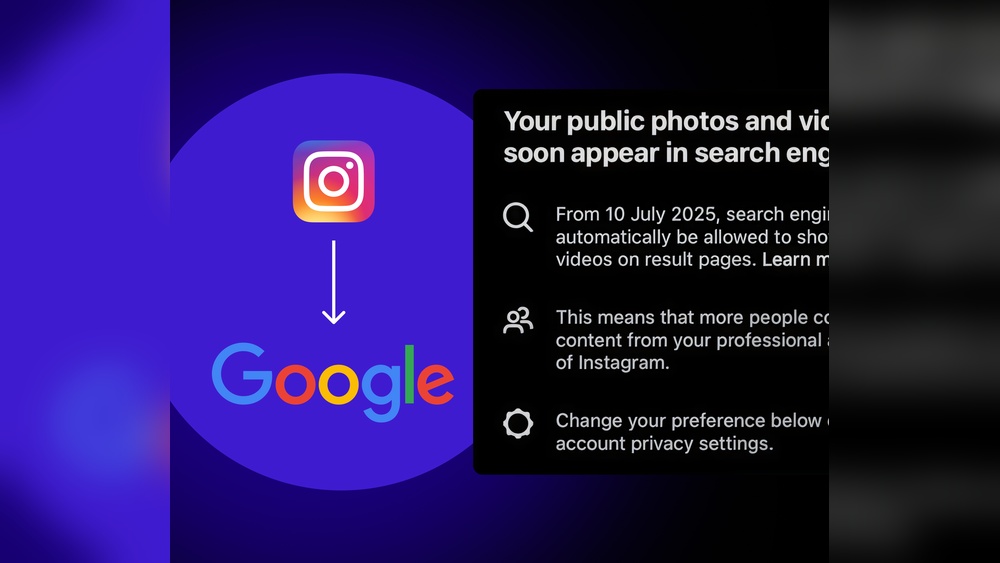
Social media platforms are powerful for promoting your business. Use Instagram, Facebook, TikTok, and LinkedIn to reach customers. These sites let you post updates, share offers, and connect directly. Many platforms offer free business profiles and advertising credits. Regular posting builds your brand and attracts followers. Engage with your audience to create trust and loyalty.
Graphic And Website Tools
Creating logos, flyers, and websites can be expensive. Free tools like Canva help you design professional graphics easily. They offer templates for social media posts, business cards, and more. For websites, use platforms like WordPress.com or Wix. These provide free plans with simple drag-and-drop editors. You can start a site without coding skills. Good design improves your business image and customer experience.
Networking And Mentorship
Building connections is vital for business success. Join free local groups, chambers of commerce, or online forums. These communities share advice and support for new entrepreneurs. Mentorship programs connect you with experienced business owners. They offer guidance on challenges and growth strategies. Networking helps find partners, clients, and funding opportunities. Stay active and open to learning from others.
:max_bytes(150000):strip_icc()/starting-own-business-1200678-Final-edit-050e3ef116174733a310b081c943fb37.jpg)
Credit: www.thebalancemoney.com
Landing First Customers
Landing your first customers is a key step in starting a business. These early clients help build trust and prove your product or service works. They also provide feedback to improve your offering. Focus on simple, clear ways to attract those first buyers.
Skill Identification
Know what you can do well. List your skills related to the business idea. Skills show what value you can offer customers. Use your strengths to solve real problems. This makes your service or product more attractive and easier to sell.
Pro Bono And Discounts
Offer your service for free or at a lower price at first. This builds experience and trust with clients. Pro bono work or discounts can lead to referrals and testimonials. These are important for gaining credibility and attracting more customers later.
Pre-selling Services
Sell your product or service before it is fully ready. This shows demand and helps fund your business. Pre-selling reduces risk and tests the market interest. Use simple offers and clear promises to attract early buyers.
Growth And Reinvestment
Growing your business starts with smart reinvestment. Early success means new chances to improve your product, reach more customers, and build a stronger brand.
Reinvesting profits carefully helps your business stay stable and expand. It also builds a solid foundation for future growth. Focus on making decisions that bring lasting value and avoid quick fixes.
Using Early Profits Wisely
Put your early profits back into your business. Buy better tools or improve your website. Invest in marketing to attract more buyers. Save some money for emergencies. Small steps can lead to big results over time.
Balancing Job And Business
Many new owners keep their day job at first. This gives steady income and lowers risk. Plan your time carefully. Work on your business during evenings or weekends. Stay organized to avoid burnout and keep progress steady.
Sales Skill Development
Learn how to sell your product or service well. Strong sales skills help you find customers and close deals. Practice clear communication and listen to feedback. Improving sales skills boosts confidence and grows your business faster.

Credit: smart.dhgate.com
Alternative Funding Options
Finding the right funding is key to starting your business. Traditional loans can be hard to get. Alternative funding options offer new ways to raise money. These methods fit different needs and business types. Explore these options to find what suits you best.
Crowdfunding Platforms
Crowdfunding lets many people invest small amounts. You present your idea on a platform. Supporters donate or pre-order products. Popular sites include Kickstarter and Indiegogo. This method builds a community around your business. It also tests market interest before launch.
Grants For Entrepreneurs
Grants provide money that you do not repay. Many governments and organizations offer grants. They target startups, especially in tech, health, or green sectors. Application processes can be competitive but worth the effort. Grants boost credibility and ease early financial pressure.
Partnering For Capital
Partnering means joining forces with others who invest money. You share risks and rewards. Partners bring skills and networks too. Choose partners who share your vision. Clear agreements prevent future conflicts. This option reduces the burden on one person.
Frequently Asked Questions
How Can I Start A Business With No Money Down?
Start with skills-based services like freelancing or consulting to avoid upfront costs. Use free tools for marketing and websites. Offer irresistible deals to attract first customers. Reinvest profits to grow. Validate your idea and build a community before scaling your business.
Is $1000 Enough To Start A Business?
Yes, $1000 can start a low-cost business. Focus on service-based or digital products and use free marketing tools. Reinvest profits to grow gradually.
How Do I Start A Small Business?
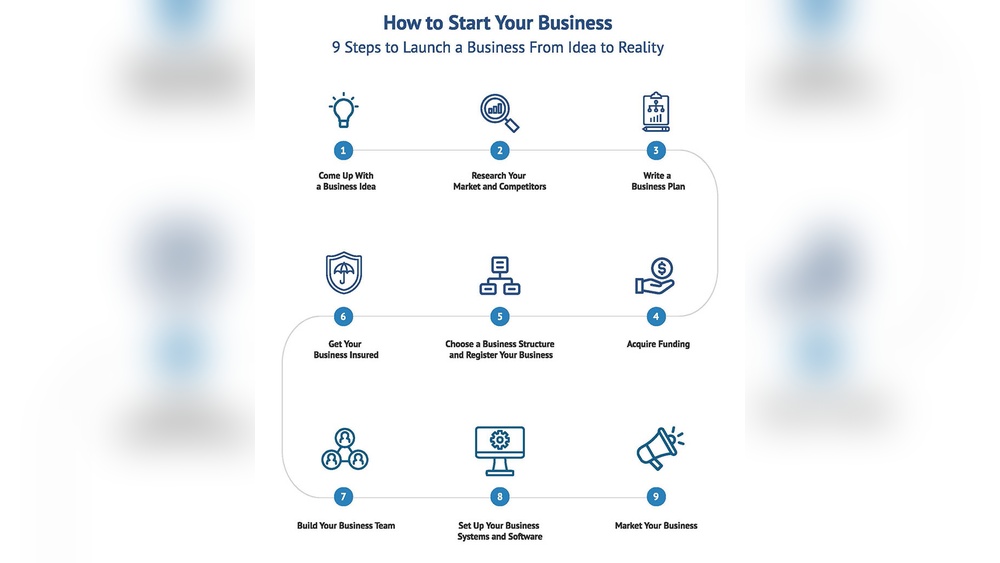
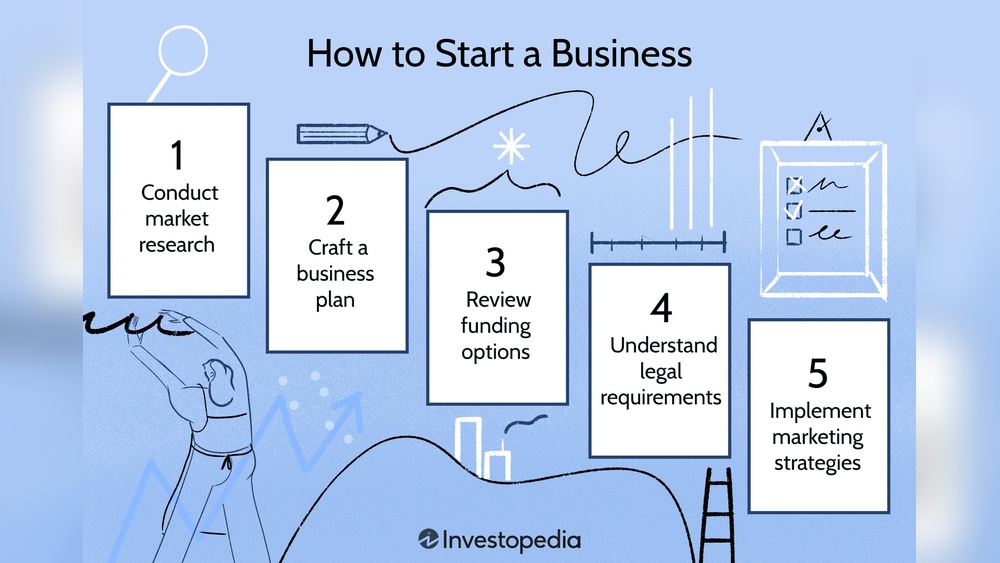
Start by identifying a market need and your skills. Register your business, create a plan, and secure funding. Build a brand, market effectively, and get your first customers. Reinvest profits to grow steadily.
Which Is The Best Business To Start For Beginners?
The best business for beginners often includes service-based ventures like freelancing, consulting, or virtual assistance. Digital products and dropshipping also suit beginners due to low startup costs and easy scalability. Start small, use free online tools, and focus on skills you already have to gain customers and grow steadily.
Conclusion
Starting a business takes planning and steady effort. Begin by choosing a simple, low-cost business idea. Use free tools and social media to spread the word. Connect with others for advice and support. Test your idea by working with a few customers first.
Keep learning and adjusting as you go. Stay patient and focused on your goals. Every small step moves you closer to success. With clear action and persistence, your business can grow well over time.