Are outside noises creeping into your space? Or maybe your music and movies are disturbing others?
You don’t have to spend a fortune to fix this. Soundproofing a room cheaply is easier than you think. With simple tricks and everyday items, you can create a quieter, more peaceful environment in your home or office. Imagine enjoying your favorite activities without interruptions or distractions.
This guide will show you how to block noise, absorb sound, and seal gaps—all without breaking the bank. Ready to transform your room into a calm retreat? Keep reading to discover smart, budget-friendly soundproofing tips you can start using today.

Credit: www.hugsconstruction.com
Seal Gaps
Sealing gaps is a key step in soundproofing a room cheaply. Small cracks and openings let noise travel easily. Closing these gaps stops sound from passing through. It also improves the room’s quietness without costly materials. Focus on doors and windows first, as they often have the biggest gaps. Use simple tools and affordable materials to seal these spaces. This method is quick, effective, and fits any budget.
Doors And Windows
Doors and windows are main entry points for noise. Check around their edges for cracks or spaces. Use weatherstripping tape to cover gaps around door frames. It is cheap and easy to apply. For windows, try foam tape or draft stoppers. These block air and sound leaks well. Make sure doors close tightly against the frame. Replace old, worn-out seals to improve sound blocking. Even small gaps can let a lot of noise in.
Acoustic Caulk
Acoustic caulk is a special sealant made to stop sound. It stays soft and flexible after drying. This lets it fill gaps without cracking. Use it around window frames, door frames, and baseboards. Apply it in cracks and holes that let noise pass. Acoustic caulk works better than regular caulk for soundproofing. It is affordable and easy to find at hardware stores. A tube lasts long and covers many gaps. Seal all visible openings to make your room quieter.
Add Mass And Absorption
Adding mass and absorption to a room helps reduce sound waves. Thick, dense materials block sound from passing through walls and ceilings. Soft, porous items absorb echoes and lower noise levels inside the room. Both methods work together to create a quieter space without spending much money.
Heavy Furniture
Large pieces of furniture add weight to walls and floors. Bookcases filled with books act as sound barriers. Sofas and armchairs help absorb sound in the room. Place furniture against walls that face noisy areas. This simple step reduces noise transmission effectively.
Textiles
Thick curtains and blankets soften sound reflections. Hang heavy curtains over windows and doors to block noise. Use fabric wall hangings to absorb sound waves. Choose textiles with dense fibers for better sound absorption. These materials improve room acoustics and lower outside noise.
Rugs And Carpets
Hard floors reflect sound, making rooms louder. Rugs and carpets absorb sound and reduce echoes. Cover as much floor space as possible with thick rugs. Layer rugs for extra sound absorption. This method is affordable and easy to apply in any room.
Target Key Areas
To soundproof a room cheaply, focus on the main areas where sound leaks the most. These key spots are usually walls, doors, windows, and floors. Treating these places first gives the best results. You can reduce noise without spending much by using simple materials and smart fixes.
Walls
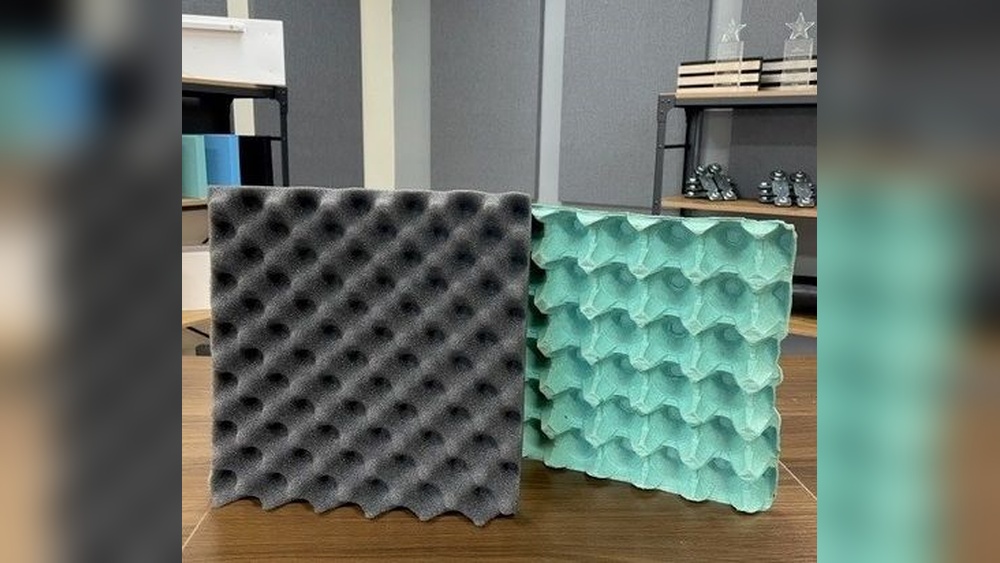
Walls carry a lot of noise between rooms. Adding thick blankets or moving heavy furniture against walls helps absorb sound. You can also hang quilts or tapestries to reduce echoes. For a stronger fix, try using foam panels or egg cartons. These materials trap sound and lower noise levels cheaply.
Doors And Windows
Doors and windows let in a lot of outside noise. Use weatherstripping tape around door frames to block gaps. Place draft stoppers at the bottom of doors to stop sound from sneaking in. For windows, hang thick curtains or blankets to dull noise. Sealing cracks with caulk around window frames also helps keep sound out.
Floors
Floors reflect sound, especially hard ones like wood or tile. Lay down thick rugs or carpets to soften the noise. If you can, add a foam mat or underlay beneath rugs for extra sound absorption. Avoid walking with hard shoes inside to keep noise low. These simple steps make floors quieter and improve overall soundproofing.

Credit: www.youtube.com
Use Affordable Materials
Using affordable materials can greatly reduce noise without spending much money. Many common household items absorb sound well. They block echoes and lower outside noise. This method helps improve room quietness fast and easy. It suits renters and budget-conscious people.
Simple materials often work better than expensive soundproofing products. Focus on thick, dense, or soft items. These stop sound waves from bouncing or passing through walls and windows. You can also make your own soundproofing tools with low-cost supplies. These ideas save money and add comfort.
Heavy Blankets And Curtains
Heavy blankets and curtains are great for soundproofing. Hang thick blankets on walls or doors to block noise. Use blackout or thermal curtains on windows to reduce sound outside. The thicker the fabric, the better it absorbs sound. These materials also improve room warmth and privacy.
Look for blankets made of wool, fleece, or quilted layers. Hang curtains close to the window frame to seal gaps. Attach blankets with hooks or nails for easy removal. This is a simple way to add soundproofing without construction.
Weather Stripping And Foam Tape
Weather stripping and foam tape block sound leaks around doors and windows. These materials fill gaps where noise enters. Apply foam tape along door edges and window sashes for a tight seal. Weather stripping comes in adhesive strips or rolls for easy use.
Choose dense foam or rubber types for better sound blocking. This method also improves energy efficiency by stopping drafts. It costs just a few dollars and takes little time to install. Seal all edges carefully for best results.
Diy Sound Panels
DIY sound panels absorb echoes and reduce noise reflection. Make panels by wrapping foam or thick fabric around wooden frames. Use inexpensive materials like egg crate foam or old mattress foam. Cover panels with cloth to improve appearance and sound absorption.
Mount panels on walls where sound bounces most. Place panels near speakers or noisy appliances. These panels help control sound inside the room for clearer audio. Building your own panels is a cheap and creative way to improve acoustics.
Prevent Noise At Source
Stopping noise before it enters a room saves effort and money. Preventing noise at its source reduces how much soundproofing material you need. This method targets noises outside or inside near walls and windows. It helps create a quieter space without big changes. Simple steps can make a big difference.
Outdoor Noise Reduction
Block noise from outside before it reaches your room. Planting trees or tall bushes near windows can absorb sound. Use thick curtains or outdoor shades to reduce noise. Seal gaps around doors and windows with weatherstripping. Installing door sweeps stops noise from slipping underneath. These fixes cost little but cut outdoor sounds well.
Room Layout Adjustments
Place noisy equipment away from shared walls. Move beds, desks, or sofas to quieter spots. Fill empty corners with bookshelves or heavy furniture to block sound paths. Use rugs and carpets to soften floor noise. Rearranging furniture is free and helps reduce noise inside. Small changes in layout can cut sound travel significantly.

Credit: moderncastle.com
Balance Soundproofing And Acoustics
Balancing soundproofing and acoustics is key to creating a quiet and pleasant room. Soundproofing blocks unwanted noise from outside or other rooms. Acoustics improve the sound quality inside the room. Both work together but serve different purposes. Understanding the difference helps you spend money wisely and get the best result.
Soundproofing Vs Sound Absorption
Soundproofing stops noise from entering or leaving a room. It needs heavy materials like thick curtains or dense foam. Walls, doors, and windows are main areas to treat. Sound absorption reduces echo and reverberation inside the room. It uses soft materials like foam panels or carpets. Absorption improves clarity of sound without blocking noise. Combining both creates a quiet space with good sound quality.
Avoid Over-treatment
Too much sound treatment can make a room sound dull or muffled. Overuse of soft panels kills natural sound reflections. This creates a flat and lifeless sound. Use enough absorption to control echo but keep some reflection. Place panels wisely on walls and corners. Leave some bare surfaces for balance. This keeps the room feeling natural and comfortable to be in.
Frequently Asked Questions
What Is The Most Inexpensive Way To Soundproof A Room?
Use heavy blankets, thick rugs, and furniture to absorb sound. Seal gaps around doors and windows with weather stripping or acoustic caulk. This inexpensive method reduces noise and echoes effectively without major renovations.
How To Soundproof A Room Without Spending Money?
Use heavy blankets, rugs, and furniture to add mass and absorb sound. Seal gaps around doors and windows with weather stripping or foam tape to block noise effectively without spending money.
What Is The Cheapest Material To Soundproof A Room?
The cheapest materials to soundproof a room include heavy blankets, thick rugs, and dense furniture. Mineral wool and fiberglass panels also offer budget-friendly sound absorption. Sealing gaps with weather stripping and acoustic caulk enhances effectiveness without costly renovations.
How To Block Out 100% Of Noise?
Block 100% noise by combining airtight sealing of gaps with heavy, dense materials and professional soundproofing panels.
Conclusion
Soundproofing a room cheaply is possible with simple steps. Use heavy blankets, rugs, and thick curtains to block noise. Seal gaps around windows and doors with weather stripping or caulk. Adding furniture like bookshelves also helps absorb sound. Focus on stopping sound from entering through walls, floors, and ceilings.
Small changes make a big difference in noise reduction. These easy tips save money while creating a quieter space. Start with what you have, and improve your room bit by bit. Quiet comfort does not need to be expensive or hard.