Stress can hit you at the worst moments, leaving you feeling overwhelmed and out of control. But what if you could ease that tension fast, right when you need it most?
You’ll discover simple, practical steps designed to help you reduce stress quickly. These easy-to-follow techniques don’t require hours of effort or special equipment, just a few mindful actions that can calm your mind and body almost instantly. Keep reading to take charge of your stress and regain your calm, so you can face the day with clarity and confidence.

Credit: sharonmartincounseling.com
Quick Stress Relief Techniques
Stress can hit anytime. Quick stress relief techniques help calm your mind fast. These simple methods fit easily into busy days. Use them anywhere, anytime to ease tension.
Practice these steps to feel more relaxed and focused. They help lower heart rate and clear your thoughts. Try each one to find what works best for you.
Deep Breathing Exercises
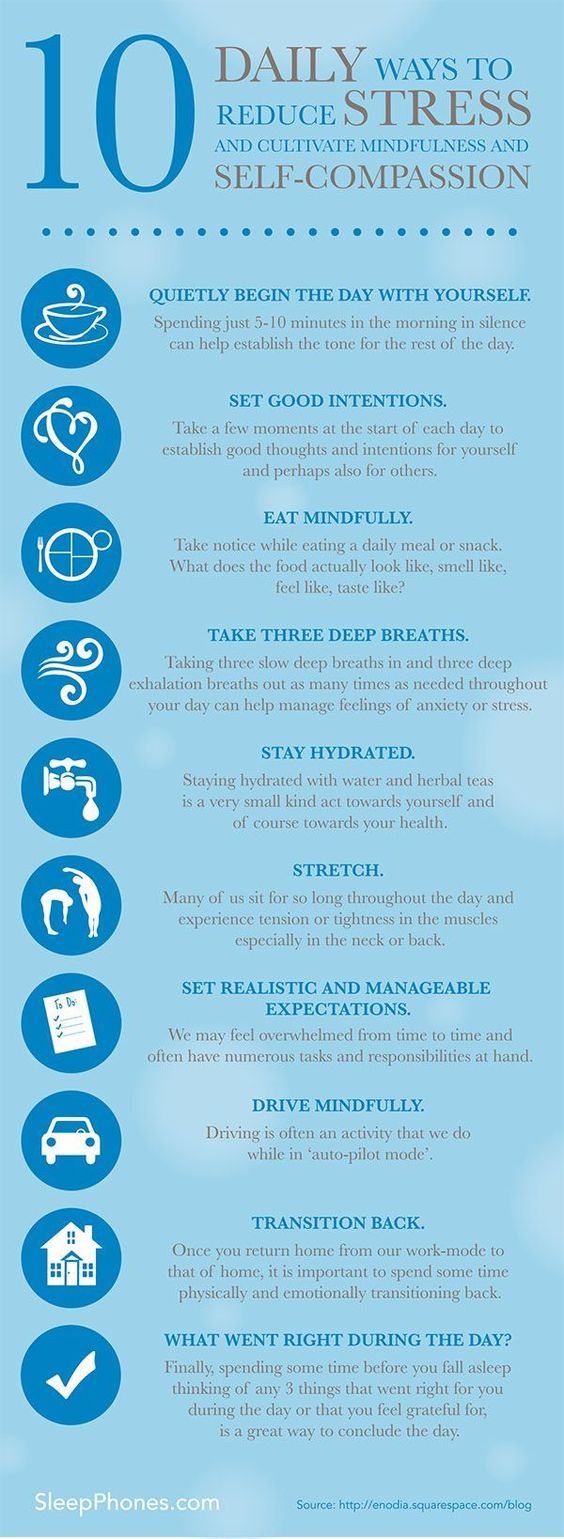
Deep breathing slows down your body’s stress response. Breathe in slowly through your nose. Hold the breath for a few seconds. Breathe out gently through your mouth. Repeat this cycle five times. Feel your muscles relax with each breath.
Progressive Muscle Relaxation
This technique helps release tension from your body. Start by tensing one muscle group tightly. Hold for five seconds. Then slowly release the tension. Move to the next muscle group. Continue until your whole body feels loose and calm.
Mindful Meditation
Mindful meditation brings your focus to the present moment. Sit quietly and close your eyes. Notice your breathing and body sensations. When your mind wanders, gently bring it back. Practice for five to ten minutes to reduce stress.
Grounding Techniques
Grounding helps you stay connected to the here and now. Look around and name five things you see. Notice four things you can touch. Listen for three sounds. Identify two smells. Focus on one taste or breath. This exercise lowers anxiety quickly.
Credit: www.sleepphones.com
Physical Activities To Ease Stress
Physical activities provide a natural way to reduce stress fast. Moving your body helps release tension and clear your mind. These activities boost mood and increase energy levels. Even short bursts of exercise can make a big difference. Here are some practical exercises to ease stress quickly.
Simple Stretching Routines
Stretching relaxes tight muscles and improves blood flow. Try neck rolls, shoulder shrugs, and gentle back stretches. Hold each stretch for 15 to 30 seconds. Stretching can be done anytime, anywhere. It helps reduce physical tension and calms the mind.
Short Walks Or Jogging
Walking or jogging outdoors refreshes your body and mind. A 10-minute walk can lower stress hormones. Focus on your breathing and the environment around you. This simple activity clears your thoughts and lifts your mood. Choose a quiet park or street for the best effect.
Yoga Poses For Calmness
Yoga combines movement, breathing, and meditation. Poses like Child’s Pose, Cat-Cow, and Legs-Up-The-Wall soothe your nervous system. Practice slowly and focus on deep breaths. Yoga helps balance your emotions and relax your muscles. It fits well in any daily routine.
Dancing To Boost Mood
Dancing is a fun way to release stress quickly. Move to your favorite music freely and without judgment. This activity increases endorphins, the body’s natural feel-good chemicals. It also helps improve coordination and energy. Dancing alone or with friends can brighten your day.
Lifestyle Habits That Lower Stress
Adopting healthy lifestyle habits plays a key role in reducing stress fast. Small daily changes can calm your mind and body. These habits build resilience against stress and improve overall well-being.
Focus on what you eat, how you sleep, and your daily patterns. Each habit impacts stress levels and your ability to cope. Simple adjustments create a strong foundation for a peaceful life.
Balanced Nutrition Tips
Eating a balanced diet fuels your body and mind. Include fresh fruits, vegetables, whole grains, and lean proteins. Avoid processed foods high in sugar and unhealthy fats.
Drink plenty of water to stay hydrated. Balanced nutrition stabilizes blood sugar and reduces mood swings. This lowers feelings of anxiety and stress naturally.
Importance Of Quality Sleep
Good sleep restores your energy and calms your nervous system. Aim for 7 to 9 hours of uninterrupted sleep each night. Keep a cool, dark, and quiet bedroom.
Turn off screens 30 minutes before bedtime. Establish a relaxing routine to signal your body it’s time to rest. Quality sleep sharpens focus and reduces stress hormones.
Limiting Caffeine And Alcohol
Too much caffeine can increase anxiety and disrupt sleep. Limit coffee, energy drinks, and strong tea especially later in the day. Choose herbal teas or water instead.
Alcohol may seem relaxing but harms sleep quality and mood. Drink in moderation or avoid it to keep your stress levels low. Healthy limits support better emotional balance.
Establishing Daily Routines
Daily routines create structure and predictability, which reduce stress. Wake up and go to bed at the same time each day. Include time for meals, work, and relaxation.
Routines help manage tasks and avoid feeling overwhelmed. Add short breaks to breathe deeply or stretch. This steady rhythm calms your mind and improves focus.
Mental Strategies For Instant Calm
Mental strategies can bring quick calm during stressful moments. They help shift your focus and reduce tension fast. These techniques work best when practiced regularly. Use them anytime stress spikes for instant relief.
Reframing Negative Thoughts
Change how you see a stressful situation by shifting your thoughts. Instead of focusing on problems, look for solutions or lessons. This simple shift can reduce anxiety and clear your mind. Ask yourself, “What can I learn from this?” or “Is this really as bad as I think?”
Setting Priorities And Boundaries
Decide what matters most and focus on those tasks first. Say no to extra demands that drain your energy. Protect your time by setting clear limits at work and home. Prioritizing helps reduce overwhelm and brings a sense of control.
Using Positive Affirmations
Repeat short, positive statements to boost your mood. Say phrases like “I am calm,” or “I can handle this.” Positive words change your brain’s reaction to stress. Use affirmations aloud or silently for quick comfort.
Engaging In Creative Outlets
Spend a few minutes drawing, writing, or playing music. Creative activities distract your mind from stress and release tension. They also help express feelings you might not find words for. Any simple creative act can bring immediate calm.
Social Connections And Support
Social connections provide a strong buffer against stress. Talking with others helps share burdens and lighten emotional load. Support from friends, family, or groups can improve mood quickly. Feeling understood reduces tension and calms the mind. Building a network of support offers practical ways to manage stress daily.
Talking To Trusted Friends
Sharing feelings with trusted friends eases stress fast. They listen without judgment and offer comfort. Talking helps clarify problems and find solutions. It also reminds you that you are not alone. Choose friends who make you feel safe and supported.
Seeking Professional Help
Professional help provides expert guidance on stress management. Therapists and counselors teach coping skills and relaxation techniques. They offer a safe space to explore difficult emotions. Early support prevents stress from becoming overwhelming. Don’t hesitate to reach out when stress feels too heavy.
Joining Support Groups
Support groups connect people facing similar challenges. Sharing experiences builds a sense of belonging. Group members offer advice and encouragement. This shared support reduces feelings of isolation. Look for local or online groups that suit your needs.
Practicing Assertive Communication
Assertive communication helps express needs clearly and calmly. It reduces misunderstandings and tension in relationships. Saying no or setting boundaries protects your energy. Practice speaking honestly without blaming others. Clear communication creates healthier social interactions and lowers stress.
Environmental Adjustments
Adjusting your environment can quickly ease stress. Small changes in your surroundings help calm your mind. Creating a peaceful setting invites relaxation and reduces tension. Simple tweaks make a big difference in how you feel.
Creating A Relaxing Space
Choose a quiet spot to unwind. Use soft lighting instead of harsh bulbs. Add comfortable pillows or blankets. Keep your space tidy and inviting. Personal touches like photos or plants boost calmness.
Using Aromatherapy
Scents influence mood and stress levels. Lavender, chamomile, and eucalyptus are known for calming effects. Use essential oils in a diffuser or apply a few drops on a cloth. Aromatherapy can create a soothing atmosphere fast.
Listening To Soothing Music
Soft music lowers heart rate and eases anxiety. Instrumental tunes, nature sounds, or gentle melodies work best. Play music quietly in the background. Let the sounds distract your mind from stress.
Reducing Noise And Clutter
Noise and mess raise stress quickly. Use earplugs or noise-canceling headphones if needed. Clear your workspace or living area regularly. A neat area helps your brain relax and focus better.
On-the-go Stress Busters
Stress can strike at any time, especially during busy days. On-the-go stress busters help you stay calm fast. These simple actions fit into your routine easily. They ease tension and refresh your mind quickly.
Use these practical steps whenever you feel overwhelmed. No special tools needed. Just take a moment for yourself. Your body and mind will thank you.
Quick Neck And Shoulder Rolls
Neck and shoulder tension builds fast under stress. Stop and roll your neck slowly. Move your head from side to side with care. Then roll your shoulders forward and backward. This loosens tight muscles and improves blood flow.
Do this for one minute to feel relief. It works well at your desk or in the car. Neck and shoulder rolls reduce stiffness and calm your nerves.
Using Visualization Techniques
Close your eyes for a few seconds. Picture a peaceful place, like a beach or forest. Imagine the sounds and smells around you. Breathe deeply while holding this image. Visualization helps your brain relax and lowers stress quickly.
This technique works anywhere, anytime. It distracts your mind from worries. A calm mind handles problems better.
Singing Or Listening To Music
Music changes your mood fast. Sing your favorite song or hum softly. If you can’t sing, listen to calming tunes. Music lowers heart rate and eases anxiety. Choose songs that make you happy or relaxed.
Use headphones to block distractions. Singing or music lifts your spirits in minutes. It is a simple way to clear stress on the go.
Changing Your Scenery
Step outside or move to a different room. A new view helps break stressful thoughts. Nature scenes work best, but any change helps. Walk for a few minutes if possible. Fresh air refreshes your mind and body.
Changing your scenery resets your focus. It stops stress from building up. Make this a habit to stay calm throughout your day.

Credit: www.rightathome.net
Frequently Asked Questions
What Are Quick Ways To Reduce Stress Instantly?
Deep breathing exercises and short walks can reduce stress immediately. These methods calm your mind and lower heart rate quickly, helping you feel relaxed in minutes.
How Does Exercise Help Reduce Stress Fast?
Exercise releases endorphins, natural mood boosters that reduce stress. Even 10 minutes of physical activity can improve your mood and decrease anxiety levels rapidly.
Can Mindfulness Reduce Stress Quickly?
Yes, practicing mindfulness helps focus your thoughts and calms your nervous system. Even brief mindfulness sessions can lower stress and improve mental clarity.
What Foods Help Lower Stress Quickly?
Eating foods rich in omega-3s, magnesium, and antioxidants can reduce stress. Examples include nuts, leafy greens, and berries, which support brain health and calmness.
Conclusion
Reducing stress quickly is possible with simple, practical steps. Take deep breaths and focus on the present moment. Move your body to release tension and clear your mind. Listen to calming music or try a short walk outside. Stay connected with friends or family for support.
Avoid unhealthy habits that increase stress. Remember, small actions can bring big relief. Practice these habits daily to feel calmer and more in control. Stress doesn’t have to take over your life. You have the power to manage it effectively.