Are you ready to dive into a game that’s simple to learn but packed with fun and strategy? Dominoes is a classic game that anyone can enjoy, whether you’re playing with friends, family, or even by yourself.
If you’ve ever wondered how to play dominoes and want to quickly pick up the rules and tactics, you’re in the right place. In this guide, you’ll discover easy steps to get started, smart moves to keep you ahead, and tips that make every round exciting.
Keep reading, and soon you’ll be confidently placing your tiles and outsmarting your opponents!

Credit: www.wikihow.com
Basic Setup
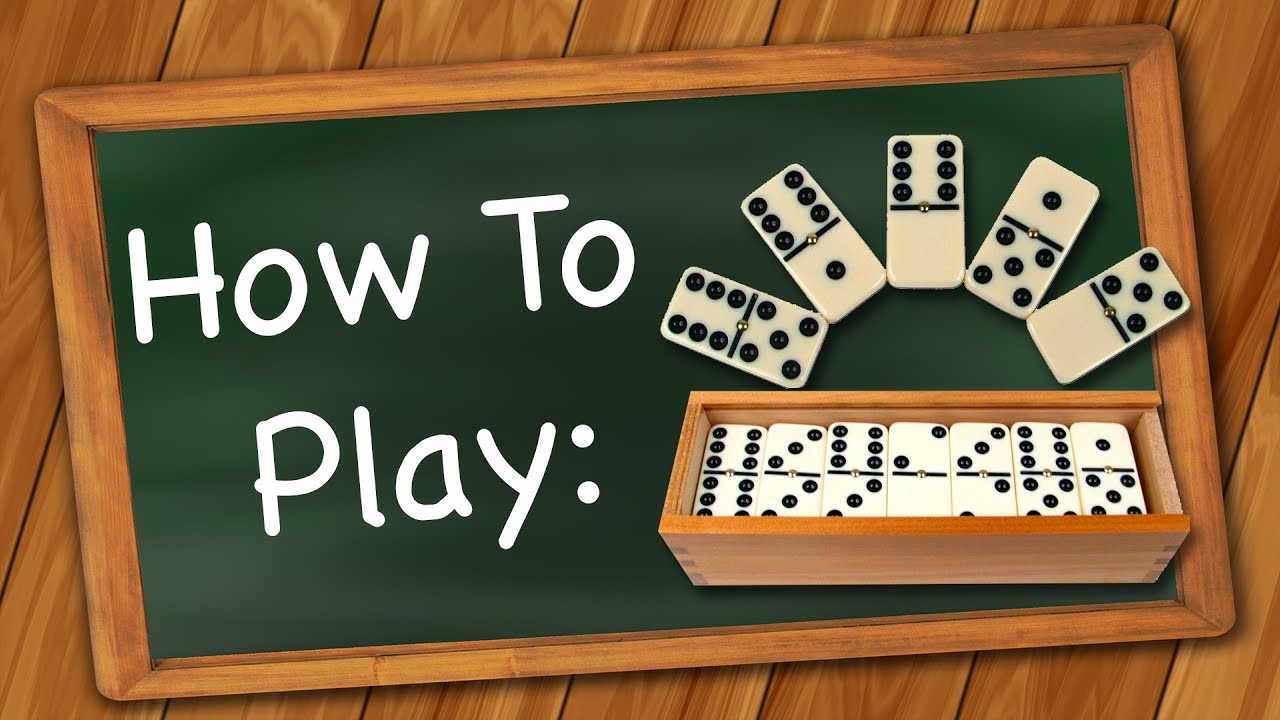
Starting a game of dominoes requires a clear and simple setup. This step ensures fair play and smooth rounds. Everyone must understand how to prepare the tiles. The setup involves shuffling the tiles, drawing hands, and creating the boneyard. These basics help players get ready for the game. Let’s break down each part for easy understanding.
Shuffling And Drawing Tiles
Begin by placing all domino tiles face down on a flat surface. Mix them thoroughly to shuffle. This randomizes the tiles and keeps the game fair. Each player then draws tiles to form their hand. The usual number is seven tiles per player. Keep your tiles hidden from others to keep the game fair.
Forming The Boneyard
After players draw their tiles, the remaining pile forms the boneyard. Place these tiles face down in a pile. The boneyard serves as a reserve for players to draw from during the game. It stays in the center and is not touched until needed. This pile adds an element of surprise and strategy.
Standard Starting Hands
Each player starts with seven tiles in their hand. This number works well for two to four players. Having the same number of tiles keeps the game balanced. The player with the highest double usually begins the game. If no doubles are drawn, the player with the tile showing the most dots starts. This rule sets a clear and simple start to the match.
Credit: www.youtube.com
Starting The Game
Starting a game of dominoes sets the tone for the entire match. Knowing how to begin helps players feel confident and ready. The opening move is important because it decides who goes first and which tile starts the chain. This section explains how to identify the first player and place the first tile correctly.
Identifying The First Player
Shuffle all the domino tiles face down. Each player draws seven tiles and keeps them hidden. Look for the highest double tile in each hand. The player with the highest double starts the game. If no player has a double, the one with the tile showing the most pips begins.
Placing The First Tile
The first player places their highest double tile in the center of the table. If starting with a non-double tile, place it face up in the center. This tile forms the starting point of the domino chain. Other players take turns placing tiles that match numbers on the open ends of the chain.
Game Play Rules
Understanding the game play rules is key to enjoying dominoes. These rules guide how players take turns and place tiles. They ensure the game flows smoothly and fairly. Learn each rule carefully to play confidently and have fun.
Taking Turns
Players take turns placing one domino at a time. The game moves clockwise around the table. Each player waits for their turn to play. Skipping turns only happens if no moves are possible.
Matching Tiles
Place a domino so one end matches a number on the board. The matching numbers must touch. Tiles connect only at the ends, never in the middle. Matching keeps the chain growing on the table.
Playing Doubles
Doubles have the same number on both ends. Play doubles perpendicular to the chain. They create two open ends for more moves. Doubles often change the direction of play.
Handling Unplayable Turns
If no matching tile is in hand, draw from the boneyard. Play the drawn tile if it matches. If not, the turn passes to the next player. This keeps the game moving without delays.
Empty Boneyard Scenarios
When the boneyard is empty and no moves exist, skip your turn. Wait for the next player to make a move. The game continues until a player uses all tiles or no moves remain.
Winning A Round
Winning a round in dominoes means being the first player to get rid of all your tiles. This achievement requires strategy and attention to the tiles on the table. Each move you make can bring you closer to victory or give your opponent an advantage.
Understanding how to play your last domino, score points, and set a target score helps you win more rounds and enjoy the game.
Playing The Last Domino
Playing your last domino is the goal of each round. You must carefully match the numbers on the open ends of the domino chain. Watch the tiles your opponents play. Plan your moves to ensure you can place your final tile without being blocked.
Sometimes, you need to hold back a tile to avoid giving your opponent a chance to win. Timing is key. Play your last domino at the right moment to secure the round.
Scoring Points
After a player goes out, scoring begins. The winner earns points based on the pips left on opponents’ dominoes. Count all the dots on the tiles your opponents still hold. Add these points to your score.
Keep your score visible during the game. This helps track progress and plan your moves better. The higher your score, the closer you are to winning the entire match.
Setting The Target Score
Before starting, players agree on a target score. This is the number of points needed to win the game. Common targets are 50, 100, or 150 points. Choose a score that suits the time you want to play.
Reaching the target score ends the game, with the player who reached it declared the winner. Setting a clear target keeps the game exciting and focused.
Popular Domino Variations
Dominoes is a classic game with many different styles and rules. These variations keep the game fresh and fun for players worldwide. Understanding popular domino variations helps players enjoy the game more fully. Each version has unique twists that change the strategy and pace.
Block Game Basics
The Block game is the simplest and most common domino variation. Players start with an equal number of tiles. They place tiles by matching numbers on one end of the chain. If a player cannot make a move, they pass their turn. There is no drawing from a boneyard in this version. The game ends when a player uses all their tiles or no moves remain. The player with the lowest total of pips on remaining tiles wins.
Regional Rule Differences
Domino rules vary by region and culture. Some areas allow drawing from the boneyard, while others do not. Scoring methods can differ, such as counting points during the game or only at the end. Some players use special doubles rules that change the flow. In Texas, for example, blocking opponents is a key strategy. In Europe, the scoring often rewards multiples of five. Knowing these differences helps players adapt to new opponents easily.
Tips For Beginners
Starting to play dominoes can feel tricky. Simple tips help beginners enjoy and improve fast. Focus on managing your tiles and planning smart moves. Avoid common mistakes that slow down your progress.
Managing Your Tiles
Keep your tiles organized by numbers. Group similar tiles together to see your options. Avoid spreading tiles randomly. Hold tiles that can connect to many numbers. This increases your chances to play each turn.
Strategic Moves
Play tiles that block your opponent’s moves. Use doubles wisely; they open new directions. Try to keep a mix of low and high numbers. Watch which tiles your opponent plays and adjust your plan. Think ahead for the next two or three turns.
Avoiding Common Mistakes
Do not rush to play the first tile you see. Avoid using all your doubles early. Do not keep only one type of number. Skip drawing from the boneyard only if you have no play. Pay attention to the tiles left in the game.
Playing Dominoes With Two Players
Playing dominoes with two players offers a simple and fun way to enjoy this classic game. With fewer players, the game moves faster and becomes more strategic. Each player gets seven tiles, and the goal is to match tiles and empty your hand first. The smaller group means you can focus more on your moves and planning ahead.
Adjusting The Rules
Start by shuffling all dominoes face down. Each player draws seven tiles. The remaining tiles form the boneyard. The player with the highest double places it first. If no one has a double, the player with the highest tile begins. Players take turns placing tiles that match the open ends of the chain. If you cannot play, draw from the boneyard. If the boneyard is empty, skip your turn. The game ends when one player uses all tiles or no moves remain.
Strategies For Two Players
Watch your opponent’s moves carefully. Try to block their options by placing tiles they cannot match. Keep doubles for strategic moments. Control the board’s open ends to limit their choices. Count the tiles played and guess which remain. Play your highest tiles early to avoid being stuck. Use the boneyard wisely to increase your options. A steady plan helps beat your opponent in two-player dominoes.
Advanced Strategies
Advanced strategies in dominoes help players gain an edge over opponents. These tactics go beyond the basic rules and improve your chances of winning. They involve managing the game flow and anticipating moves. Focus on controlling the board, predicting opponents, and maximizing scoring opportunities. Each strategy sharpens your skills and deepens your understanding of the game.
Controlling The Board
Controlling the board means directing the play to your advantage. Play tiles that limit your opponents’ options. Keep track of which numbers are still available. Force others to draw from the boneyard, slowing their progress. Use doubles wisely to open or close the game. Being the player who controls the board often controls the game’s pace and outcome.
Predicting Opponent Moves
Watch your opponents’ moves carefully to predict their strategy. Notice which numbers they avoid or play often. Guess what tiles they might hold by their choices. Anticipate their next move to block or counter it. This foresight helps you stay one step ahead. Predicting opponent moves reduces surprises and increases your winning chances.
Maximizing Scoring Opportunities
Look for chances to score extra points during the game. Play tiles that create scoring combinations. Aim to keep your hand balanced with high-value tiles. End rounds with low-value tiles to reduce your score. Use doubles to increase scoring chances on both ends. Maximizing points each round builds a strong lead toward victory.
Credit: www.youtube.com
Frequently Asked Questions
How Do You Play Basic Dominoes?
Shuffle all dominoes face down. Each player draws seven tiles. The player with the highest double starts. Players take turns matching tiles by number. Draw from the boneyard if you can’t play. The first to play all tiles wins the round.
How To Play Domino With 2 Players?
Shuffle dominoes face down. Each player draws seven tiles. Player with highest double starts. Take turns matching tiles by numbers. Draw from boneyard if no match. First to play all tiles wins the round. Score points by adding opponents’ remaining pips.
What Is The Simplest Domino Game?
The simplest domino game is “Block. ” Each player draws seven tiles from a double-six set. Players match tiles by number. The first to use all tiles wins.
How Many Dominoes Do You Start With Each?
Each player starts with seven dominoes in a standard double-six set. The remaining tiles form the boneyard.
Conclusion
Dominoes offers fun and simple gameplay for everyone. Practice matching tiles and following turns carefully. Playing often helps you understand strategies better. Enjoy the social aspect by playing with friends or family. Remember, patience and attention make the game more exciting.
Keep your tiles hidden to maintain an advantage. The goal is to empty your hand first. Each round builds your skills and confidence. Now, you can start playing and have fun!