Brown is everywhere—from the rich soil beneath your feet to the warm tones in your favorite coffee. But have you ever wondered how to make brown yourself?
Whether you’re mixing paint for a creative project or just curious about colors, knowing how to create the perfect shade of brown can open up a whole new world of possibilities. In this guide, you’ll discover simple, easy steps to mix brown using colors you probably already have.
By the end, you’ll be confident in crafting various browns—warm, cool, light, or dark—tailored exactly to your needs. Ready to unlock the secret to making brown? Let’s dive in!
Colors That Make Brown
Brown is a warm, natural color seen in wood, soil, and many everyday items. It forms by mixing other colors together. Understanding which colors make brown helps you create the perfect shade for your artwork or design. This section explains the main color combinations that produce brown and how to adjust its tone.
Primary Colors Mix
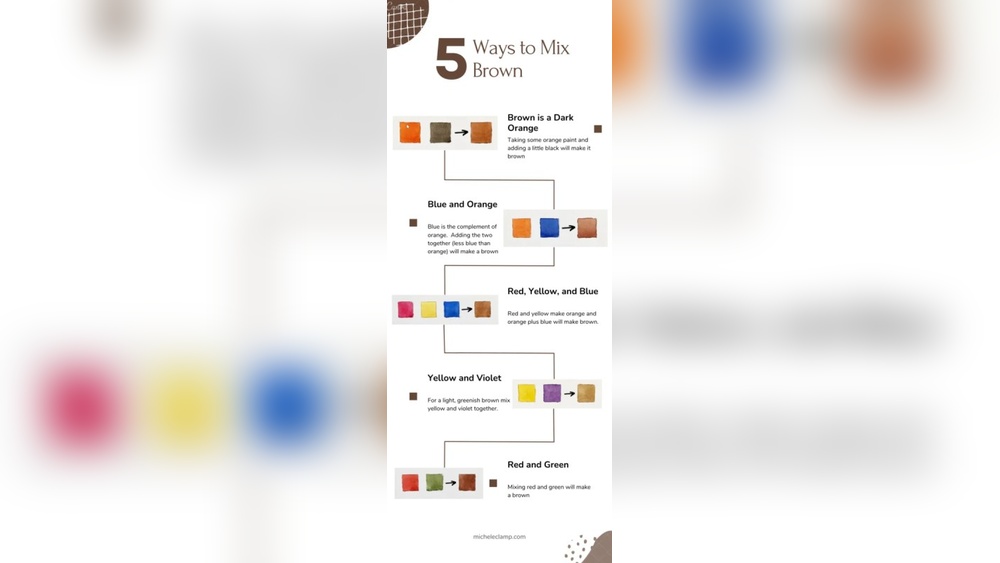
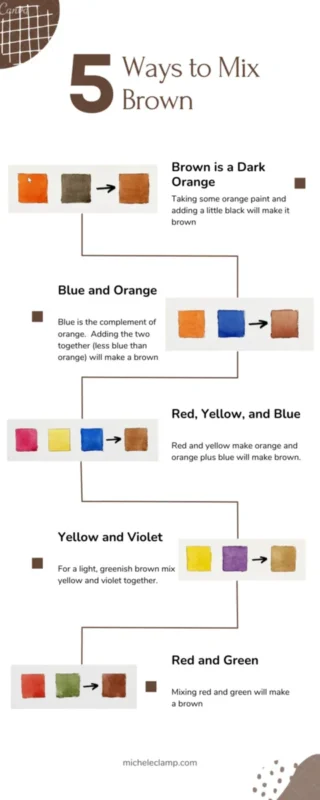
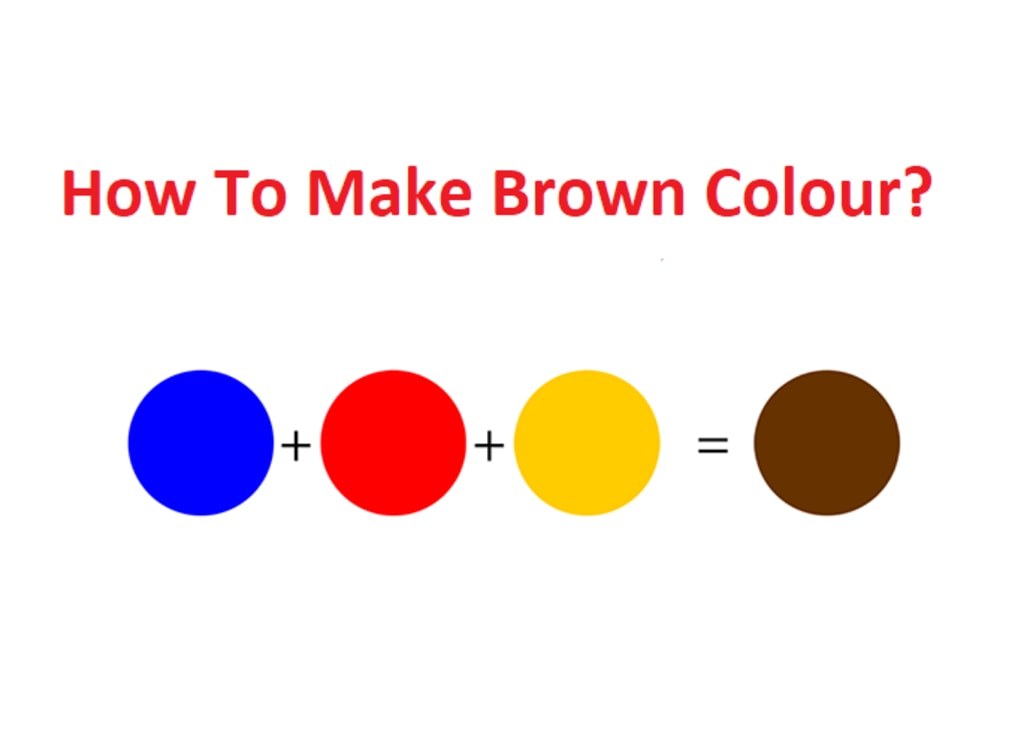
Mixing the three primary colors—red, yellow, and blue—creates brown. These colors combine to balance each other out. The exact shade depends on the amount of each color. More red gives a reddish brown. More yellow creates a lighter, golden brown. More blue results in a darker, cooler brown. Experiment with these ratios to get your desired brown.
Complementary Color Pairs
Complementary colors sit opposite each other on the color wheel. Mixing these pairs also produces brown. Common pairs include blue and orange, red and green, or yellow and purple. Blue and orange make a brown with a greenish tint. Red and green create a warm, earthy brown. Yellow and purple blend into a golden brown. These pairs help you make brown with just two colors.
Adjusting Brown Shades
Once you have brown, adjust its shade by adding other colors. Adding white lightens brown, making it softer. Adding black darkens brown, making it richer. You can also add a bit of red, yellow, or blue to shift the tone slightly. This lets you create many brown shades from one base mixture. Adjust slowly for the best results.
Mixing Techniques
Mixing brown paint involves various techniques that create different shades and tones. Understanding these methods helps achieve the perfect brown for any project. Each technique uses color combinations in unique ways. Experimenting with these can improve your color mixing skills.
Equal Parts Method
Mix equal parts of two complementary colors to get brown. For example, combine equal amounts of blue and orange. This method is simple and reliable for a basic brown tone. Adjusting the ratio slightly changes the brown shade. Start with equal parts, then add more of one color to customize.
Layering Colors
Apply one color over another instead of mixing in the palette. Start with a base color like yellow or red. Then add thin layers of blue or green on top. Layering builds depth and richness in the brown tone. This technique works well for painting and digital art.
Using Orange As Base
Begin with orange as your base color for a warm brown. Add small amounts of blue or green to darken it. This approach creates earthy browns with a natural look. Using orange first helps control the warmth of the final brown. Mix slowly to avoid overpowering the base color.
Creating Different Browns
Creating different browns can add depth and variety to your artwork or design. Brown is not just one color. It has many shades that can be warm, cool, or rich like chocolate. Each shade gives a different feel and mood. Mixing colors carefully helps you achieve the exact brown tone you want.
Knowing how to create warm, cool, or chocolate browns lets you use brown in many ways. You can adjust your mix by changing the colors and their amounts. This section explains how to make these popular brown tones easily.
Warm Brown Tones
Warm brown tones feel cozy and inviting. Use more red and yellow to add warmth. Mixing red and green creates a natural warm brown. Adding a little orange can brighten the tone. These browns work well for autumn themes and natural elements.
Cool Brown Tones
Cool brown tones have a slight blue or gray touch. Mix blue and orange carefully to get cool browns. Adding a bit of blue to your brown mix cools it down. These browns look calm and subtle. They fit well in modern or minimalist designs.
Chocolate Brown
Chocolate brown is rich and deep. Mix all three primary colors—red, yellow, and blue—in equal parts. Adjust the amounts to darken or lighten the shade. Adding a bit of black deepens the chocolate tone. This brown is perfect for bold and luxurious looks.

Credit: smart.dhgate.com
Lightening And Darkening Brown
Adjusting the shade of brown can enhance your artwork or design. Lightening and darkening brown allows you to match the exact tone needed. It is simple to change the shade by adding white or black to brown paint. These small adjustments create many different browns from one base color. Experimenting with these mixes gives more control over your color palette.
Adding White For Lighter Shades
Adding white paint to brown makes it lighter and softer. This process is called tinting. Use small amounts of white to avoid washing out the color. Lighter browns can look creamy or sandy depending on how much white you add. This technique works well for painting skin tones, wood, or natural textures. Keep stirring the mixture to blend the colors evenly. Always test the color on a scrap surface before applying it to your project.
Adding Black For Darker Shades
Adding black paint to brown creates a deeper and richer tone. This process is called shading. Add black little by little because it is very strong. Darker browns appear more intense and can add contrast or depth. Use this method to paint shadows or dark wood. Mix thoroughly to avoid streaks of black in the brown. Test the shade to ensure it matches your desired darkness before using it fully.
Common Mistakes To Avoid
Making the perfect brown color can be tricky. Many people make simple mistakes that affect the final shade. Avoid these common errors to get a rich, balanced brown every time. Knowing what to watch out for helps you mix colors with confidence and ease.
Overmixing Colors
Mixing colors too much can dull the brown. The color may turn muddy or gray. Stop mixing once you see a smooth, even brown. Overmixing breaks down the vibrancy of the paint. A gentle stir is enough to blend the colors well.
Using Too Much Black
Adding black paint can darken brown quickly. Too much black makes the color look flat and lifeless. Use small amounts of black to adjust the shade slowly. Try darkening brown with other colors first, like deep reds or blues. Black should be a last option for shading.
Ignoring Color Ratios
The balance of colors affects the brown tone. Using too much of one color can create unwanted hues. Measure your colors carefully for consistent results. Experiment with small amounts before mixing large batches. Understanding ratios helps you create warm or cool browns as desired.
Credit: micheleclamp.com
Tools And Materials
Creating the perfect shade of brown requires the right tools and materials. Choosing quality supplies helps you mix colors smoothly and achieve desired tones. This section covers essential items for making brown paint.
Choosing The Right Paints
Start with primary colors like red, yellow, and blue. Use artist-grade paints for better pigment quality. Avoid cheap paints that may produce dull brown shades. Acrylic, oil, or watercolor paints all work well. Each paint type offers different mixing experiences.
Brushes And Mixing Palettes
Select brushes that suit your paint type and project size. Flat brushes help blend colors evenly. Round brushes assist with detail work. Use a clean, non-porous palette for mixing colors. Plastic, glass, or ceramic palettes work best. Keep your palette clean to avoid muddy colors.
Alternative Materials
Explore using colored pencils or pastels to create brown shades. These materials mix differently but can yield rich browns. You can also try natural pigments like earth tones or burnt sienna. Experimenting with various materials expands your color-making skills.
Tips For Consistent Results
Achieving consistent brown color every time requires careful attention to detail. Small changes in mixing can cause big differences in the final shade. Follow these tips to get the same rich brown color reliably. Consistency helps in projects that need matching colors across multiple uses.
Measuring Colors Accurately
Use precise tools like measuring spoons or pipettes for color mixing. Eyeballing amounts often leads to uneven results. Measure each color carefully to keep the ratios exact. This practice ensures your brown stays true to the desired tone.
Recording Color Formulas
Write down the exact amounts of each color used. Keep a color journal or digital note for reference. This record helps you recreate the brown shade anytime without guessing. Include details about the brand and type of paint as well.
Testing Small Batches
Mix a small amount first before making a large batch. Testing saves paint and avoids waste if the color is off. Adjust the ratios in the small batch until you get the perfect brown. Once satisfied, scale up the formula for bigger use.
Credit: vocal.media
Frequently Asked Questions
What Two Colors Make Brown?
Mix blue and orange, red and green, or yellow and purple to make brown. Mixing all three primary colors—red, yellow, and blue—also creates brown. Adjust ratios for different shades.
What Colors Mix To Make Chocolate Brown?
Mix red, yellow, and blue primary colors in equal parts to create chocolate brown. Adjust ratios for shade variations.
Which Color Combination For Brown?
Brown pairs well with cream, beige, olive green, navy blue, and burnt orange for a warm, balanced look.
Do Green And Red Make Brown?
Yes, mixing green and red creates brown because they are complementary colors. This blend produces warm, earthy brown tones.
Conclusion
Making brown is simple by mixing primary or complementary colors. Try combining red, yellow, and blue for a rich brown shade. Adjust the tones by adding white to lighten or black to darken. Experiment with different ratios to find your perfect brown.
Practice and patience help improve your color mixing skills. Enjoy creating various brown shades for your art projects or crafts. Keep it fun and explore new combinations often.