Your credit score can open doors or keep them firmly shut. Whether you’re aiming to buy a home, get a better loan rate, or simply feel more in control of your finances, improving your credit score fast is key.
But how do you boost it quickly without getting overwhelmed? This guide gives you proven, easy-to-follow tips that work. You’ll discover simple actions you can take right now to see real results. Ready to transform your credit and unlock new opportunities?
Keep reading—your financial future depends on it.
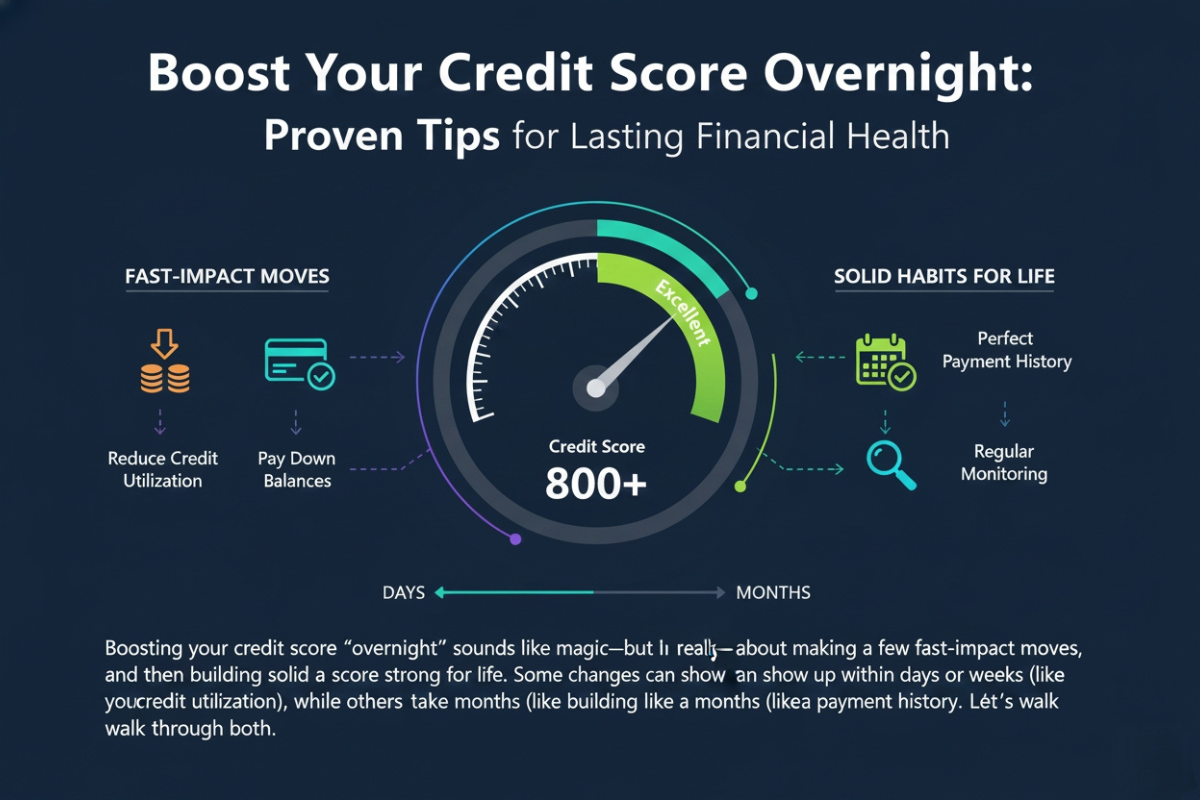
Credit: intellexstudio.com
Fast Payment Strategies
Fast payment strategies help improve your credit score quickly. Paying on time and managing payments well shows lenders you are reliable. This boosts your creditworthiness and can raise your score fast. Simple actions can make a big difference in your credit report. Follow these tips to speed up your credit improvement.
Pay Bills On Time
Paying bills on time is the most important step. Late payments hurt your credit score. Set a goal to pay every bill by its due date. This includes credit cards, utilities, and loans. On-time payments build a positive payment history. Lenders see you as a responsible borrower. Your credit score will rise as a result.
Make Multiple Payments Monthly
Making multiple payments each month lowers your credit card balances. High balances can damage your credit score. Paying more than once keeps your credit utilization low. This means you use less of your available credit. Lower credit utilization improves your credit score faster. Try splitting your payment into two or three smaller payments.
Set Up Payment Reminders
Payment reminders help you avoid late payments. Use phone alarms, calendar alerts, or apps. Reminders keep you aware of due dates. You will pay bills on time more often. This consistency strengthens your credit report. Regular reminders prevent missed or late payments. This simple step supports faster credit score growth.
Manage Credit Utilization
Managing credit utilization is key to improving your credit score fast. Credit utilization means how much of your available credit you use. It shows lenders how responsible you are with borrowed money.
Keeping your credit utilization low signals good financial habits. It helps your credit score rise quickly. Follow these tips to manage your credit utilization effectively.
Keep Balances Low
Keep your credit card balances as low as possible. Ideally, use less than 30% of your credit limit. Lower balances mean lower credit utilization. This tells lenders you don’t rely too much on credit. Pay off your balances monthly to avoid high utilization.
Request Credit Limit Increases
Ask your credit card issuer for a higher credit limit. A bigger limit lowers your credit utilization ratio. This can improve your credit score without changing your spending. Make sure you do not increase spending with the higher limit. Only request an increase if your income supports it.
Avoid Maxing Out Cards
Never use your full credit limit on any card. Maxing out cards raises your credit utilization to 100%. High utilization hurts your credit score quickly. Spread out your spending across cards if needed. Keep utilization low on each card for the best results.
Build Credit History
Building a strong credit history is essential for boosting your credit score quickly. Lenders look for a reliable track record of managing credit over time. The longer and more consistent your credit history, the better your score will be. This section covers simple ways to build and maintain your credit history effectively.
Maintain Older Accounts
Keep your oldest credit accounts open and active. Closing them can shorten your credit history. A longer credit history shows lenders you have experience managing credit. Even if you do not use these accounts often, keeping them open helps your score. Pay attention to any fees and avoid letting accounts go inactive.
Use Credit Cards Regularly
Use your credit cards for small purchases each month. This activity shows lenders you can handle credit responsibly. Always pay your balance in full and on time. Regular use keeps your accounts active and improves your payment history. Avoid maxing out your cards to keep your credit utilization low.
Open Multiple Account Types
Having different types of credit accounts strengthens your credit history. Examples include credit cards, auto loans, and student loans. Lenders prefer to see you manage various credit forms well. Opening new accounts cautiously can help diversify your credit mix. Make sure to maintain timely payments on all accounts.

Credit: www.youtube.com
Check And Correct Reports
Checking and correcting your credit reports is a key step to improve your credit score fast. Errors in your report can lower your score unfairly. Fixing these mistakes helps lenders see your true creditworthiness. This section guides you on how to review, dispute, and monitor your credit reports effectively.
Review Credit Reports
Start by getting your credit reports from major bureaus. Each report shows your credit history and account details. Look for wrong information like incorrect balances or accounts that do not belong to you. Check personal data such as your name and address for accuracy. Spotting errors early prevents score damage.
Dispute Errors Quickly
If you find mistakes, act fast to dispute them. Contact the credit bureau and provide proof of the correct information. The bureau must investigate and fix errors within 30 days. Correcting errors removes negative marks that hurt your credit. This step can boost your score in a short time.
Monitor Changes Regularly
Keep an eye on your credit reports often. Regular monitoring helps catch new errors or fraudulent activity early. Use free tools or services to get alerts about changes. Staying informed allows you to fix problems quickly. This habit protects your credit score and your financial health.
Smart Account Management
Smart account management plays a crucial role in boosting your credit score quickly. It involves handling your credit accounts wisely to build a strong credit history. Managing accounts well shows lenders that you are responsible with credit. This can lead to better loan approvals and lower interest rates.
Focus on maintaining a healthy mix of credit accounts and avoid actions that might hurt your score. Small changes in how you manage your credit can make a big difference over time.
Avoid Frequent New Accounts
Opening many new credit accounts within a short time can lower your credit score. Each new account triggers a hard inquiry, which can reduce your score temporarily. Too many inquiries suggest risk to lenders.
Limit new accounts to only when necessary. Choose credit products carefully to avoid damaging your credit history.
Keep Unused Accounts Open
Closing old, unused accounts can shorten your credit history. A longer credit history usually boosts your credit score. Keeping these accounts open increases your overall credit limit.
This helps lower your credit utilization ratio, which is good for your score. Just make sure to monitor these accounts for any unexpected charges.
Diversify Credit Types
Having different types of credit accounts shows you can handle various financial obligations. Examples include credit cards, auto loans, and student loans. A mix of credit types improves your credit profile.
Lenders see this diversity as a sign of creditworthiness. Avoid relying on just one type of credit to strengthen your score effectively.
Debt Reduction Techniques
Reducing your debt is a key step to improving your credit score quickly. Paying off what you owe shows lenders you can manage credit well. It also lowers your credit utilization ratio, a major factor in credit scoring.
Focusing on debt reduction makes your finances healthier and your credit score stronger. Use simple, clear strategies to tackle your debts effectively.
Pay Down High-interest Debt
Start by paying off debts with the highest interest rates first. These debts cost you the most money over time. Reducing them lowers your overall debt faster. It also frees up money to pay other debts.
High-interest debts include credit cards and payday loans. Paying these off quickly helps stop interest from growing. This technique saves money and improves your credit score.
Focus On Small Balances First
Another way is to pay off small balances completely. Clearing small debts quickly gives you quick wins. These wins boost your confidence and motivate you to keep going.
Paying off small balances also reduces the number of accounts with debt. Lenders like to see fewer open debts. This approach can lead to faster credit score improvements.
Avoid Taking New Debt
Do not add new debt while paying off old ones. New debt increases your balances and may lower your credit score. It also makes it harder to focus on reducing existing debt.
Keep your spending under control. Use cash or debit cards instead of credit cards. Avoid loans or new credit card applications until your debt is lower.
Track Your Credit Progress
Tracking your credit progress is essential for improving your credit score quickly. Regular monitoring helps you see where you stand and what changes make a difference. Staying informed motivates you to keep good financial habits and avoid mistakes.
By following your credit score over time, you can spot trends and adjust your actions. This way, you focus on what works best to raise your score faster. Consistent tracking also helps you catch errors or fraud early, protecting your financial health.
Use Credit Score Tools
Many websites and apps offer free credit score tools. These tools show your current score and explain the factors affecting it. Use them regularly to watch your progress and understand how your habits impact your score.
Some tools send alerts when your score changes or when new accounts open in your name. This helps you stay on top of your credit report and fix problems quickly. Choose tools that update your score monthly for the best tracking.
Set Improvement Goals
Set clear, simple goals for your credit score improvement. For example, aim to lower credit card balances or pay off a small loan. Goals give you a target to work toward and make progress measurable.
Break big goals into smaller steps, like paying one bill early or reducing spending. Celebrate small wins to stay motivated. Write your goals down and review them as you track your credit.
Adjust Habits Based On Feedback
Use the feedback from credit score tools to change your habits. If your score drops after missing a payment, focus on paying bills on time. If high balances lower your score, work on reducing debt.
Keep adjusting your spending, payment, and borrowing habits based on what your credit report shows. This flexible approach helps you improve faster and maintain a good credit score over time.

Credit: autoplus. financial
Frequently Asked Questions
What Improves Credit Score The Fastest?
Pay bills on time and reduce credit card balances below 30% of the limit. Avoid opening new accounts. Request a credit limit increase to improve your credit score faster.
How To Get A 700 Credit Score In 2 Months?
Pay bills on time and reduce credit card balances below 30%. Avoid opening new accounts. Dispute errors on your credit report. Request a credit limit increase to lower utilisation. Use multiple accounts responsibly to build a positive payment history.
What Is The 2 2 2 Credit Rule?
The 2-2-2 credit rule means having two or more credit accounts, two years of credit history, and two thousand dollars or more in credit limits. It shows lenders you manage credit responsibly, improving your chances for loan approvals and better credit scores.
What Credit Score Do You Need For A $400,000 House?
A credit score of 620 or higher is generally needed to qualify for a $400,000 house. Higher scores improve loan terms.
Conclusion
Improving your credit score takes simple, steady steps. Pay bills on time to build trust with lenders. Keep your credit card balances low and avoid maxing out. Check your credit report often to fix any errors quickly. Use different types of credit responsibly to show reliability.
Avoid opening too many new accounts at once. Small, regular payments help create a strong credit history. Stay patient and watch your score rise over time. Better credit opens doors to loans and better rates. Start today and keep good habits for lasting results.