Are you worried about flood risks in your area or a place you’re planning to move to? Knowing if your property lies in a flood zone can save you from unexpected damage and costly repairs.
But how do you find this important information quickly and easily? You might be surprised to learn that Google Maps can help you discover flood zones near you in just a few simple steps. Keep reading, and you’ll learn how to use a tool you already know to protect your home and peace of mind.
Credit: msc.fema.gov
Flood Zones And Their Importance
Flood zones show areas at risk of flooding. Knowing these zones helps people stay safe. It also guides building and insurance decisions. Understanding flood zones is key to preparing for floods. This knowledge can save lives and reduce damage.
What Are Flood Zones
Flood zones are specific areas marked by flood risk levels. These zones tell how likely flooding is in a place. They are based on rainfall, rivers, and coastal data. Zones range from low risk to high risk areas. Maps show these zones clearly for public use.
Why Knowing Flood Zones Matters
Knowing flood zones helps protect homes and businesses. It guides where to build safely. Insurance companies use flood zones to set rates. People can prepare better for emergencies with this info. It also helps local governments plan and warn residents.
Credit: www.fastcompany.com
Using Google Maps For Flood Zone Search
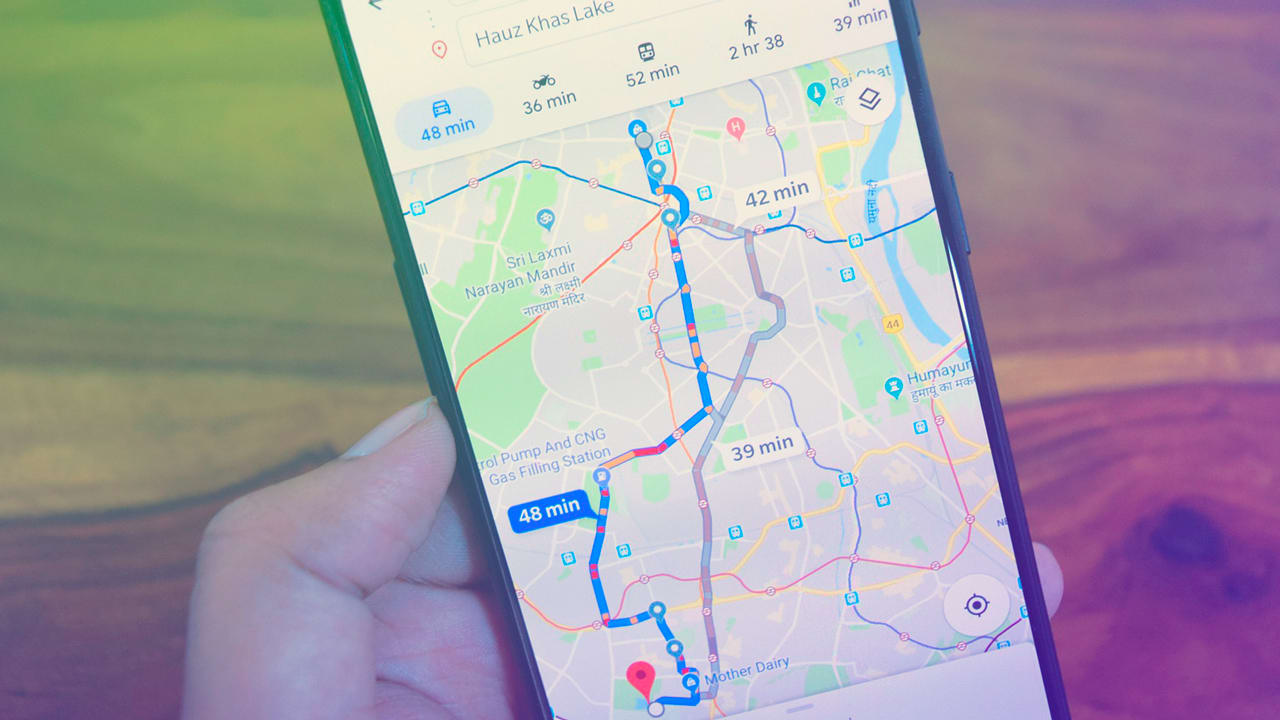
Google Maps offers a simple way to check flood zones in your area. This tool helps you see if a location is at risk of flooding. It uses layers that show flood-prone areas clearly. Using Google Maps for flood zone search saves time and effort. No need to visit multiple websites or offices. Just a few clicks, and you get the information you need.
Accessing Flood Zone Layers
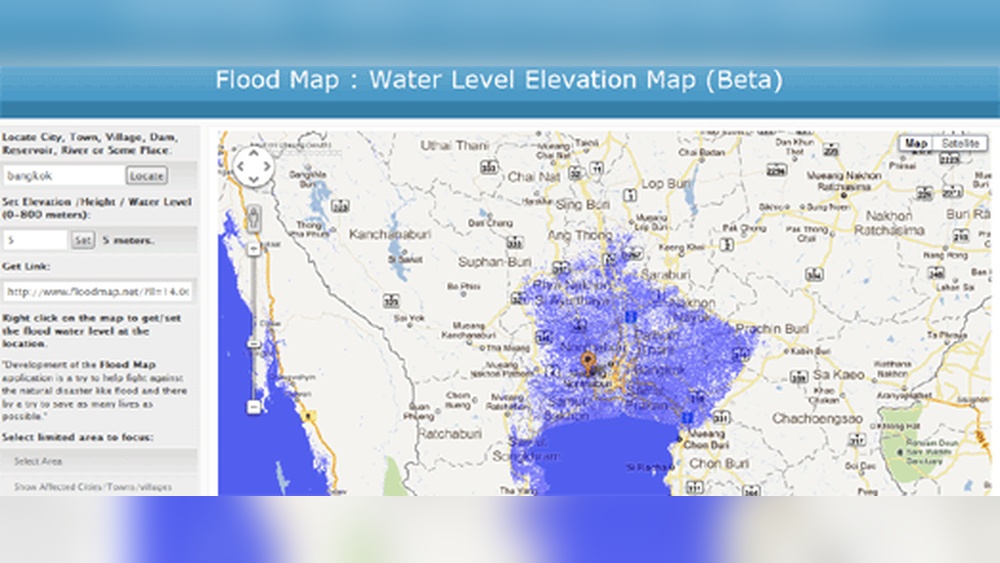
First, open Google Maps on your device. Next, find the menu icon, usually three horizontal lines. Click it to open the menu. Look for the option called “Layers.” Under Layers, select “More” or “Flood Zones” if available. This will add flood zone data on the map. The flood zones appear as shaded areas. These colors indicate different levels of flood risk. If you do not see this option, try using third-party flood maps that overlay on Google Maps.
Navigating To Your Area
Type your address or place name in the search bar. Press enter to zoom into that location. Use the zoom buttons or scroll to get a closer look. Pan the map by clicking and dragging to explore nearby areas. Check if your area lies within any flood zone boundaries. Notice the colors and shapes marking flood risk zones. This method helps you understand flood risk for homes or businesses. Save or screenshot the map for future reference.
Step-by-step Flood Zone Identification
Finding flood zones using Google Maps is simple and helpful. It helps you see if an area is at risk of flooding. This step-by-step guide will show you how to identify flood zones easily. Follow these clear steps to get accurate flood zone information.
Understanding flood zones can protect your home and property. Knowing the risk level helps you plan better. Use Google Maps as a quick tool to check flood zones near you.
Entering Location Details
Open Google Maps on your browser or app. Type the address or place name in the search bar. Press enter or click the search icon. The map will zoom to the location you entered. You can also drag the map to explore nearby areas. Make sure the location is correct before moving on.
Interpreting Flood Zone Colors And Labels
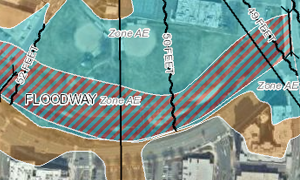
Flood zones show different colors on the map. Each color means a different flood risk level. Usually, blue areas mean high flood risk. Yellow or green areas show lower risk zones. Look for labels like “100-year flood zone” or “500-year flood zone.” These labels explain the chance of flooding in that area. Use this information to understand how safe the location is from floods.
Additional Tools And Resources
Exploring flood zones requires more than just Google Maps. Various tools offer detailed and updated flood risk information. These resources help you understand flood dangers better. This section covers some of the best tools to use along with Google Maps.
Government Flood Maps
Government flood maps provide accurate flood zone data. These maps are created by official agencies like FEMA in the United States. They show flood hazard areas, floodplains, and risk levels.
These maps are free and reliable. They often include detailed information about flood risks for specific properties. Many governments update these maps regularly to reflect new data and changes.
You can find government flood maps on official websites. Use them to check flood risks for your home or land. They are essential for planning and insurance purposes.
Third-party Flood Mapping Apps
Several apps and websites offer flood zone data beyond what Google Maps shows. These third-party tools combine weather data, topography, and historical floods. They provide interactive maps and flood alerts.
Some apps offer real-time flood warnings and risk assessments. They often include user-friendly features for easy navigation. Many are free or have affordable options.
Using these apps helps you stay prepared and informed. They are useful for homeowners, renters, and travelers. Check app reviews and features to find the best fit for your needs.
Tips For Flood Preparedness
Floods can cause serious damage to homes and lives. Preparing for floods helps reduce risks and keeps families safe. Using Google Maps to find flood zones is a smart first step. Once you know your risk, take practical actions to prepare.
Assessing Property Risk
Check your home’s location on Google Maps. Look for nearby rivers, lakes, or low-lying areas. These places often flood first. Use flood zone layers in the map to see if your property lies in a high-risk area.
Note your house’s elevation and drainage paths. Lower areas fill with water faster. This information helps you understand how vulnerable your home is. It guides decisions about flood barriers or insurance.
Emergency Planning
Create a clear plan for your family. Decide on safe meeting spots outside flood zones. Make a list of emergency contacts and share it with everyone. Pack an emergency kit with food, water, and first aid supplies.
Practice evacuation routes using Google Maps to find the safest paths. Keep important documents in waterproof containers. Preparing early reduces stress and improves your chances of staying safe during floods.
Credit: www.un-spider.org
Frequently Asked Questions
How Can I Identify Flood Zones On Google Maps?
Google Maps shows flood zones using specific map layers or overlays. Access these through local government or FEMA flood map links integrated into Google Maps. This helps you see risk areas clearly for better planning and safety.
Is Google Maps Reliable For Flood Zone Information?
Google Maps provides general flood zone data but may lack detailed updates. For accuracy, cross-check with official sources like FEMA or local agencies. Use Google Maps as a quick reference, not the sole resource.
Can I Use Google Maps For Flood Risk Assessment?
Yes, Google Maps helps visualize flood zones, aiding risk awareness. Combine this with official flood maps and reports for a thorough assessment before decisions like buying property or insurance.
What Steps Reveal Flood Zones On Google Maps?
First, open Google Maps and locate your area. Then enable flood zone layers via linked FEMA or local government flood maps. Review the highlighted zones to understand flood risks in the region.
Conclusion
Finding flood zones on Google Maps helps keep you safe and informed. You can check if your area is at risk before making decisions. The tool is easy to use and free. Always stay updated with local flood warnings too.
Knowing your flood zone helps protect your home and family. Use this simple method to stay prepared and avoid surprises. It’s smart to check regularly, especially during rainy seasons. Stay safe by using Google Maps to find flood zones today.