Choosing the right crypto wallet can feel overwhelming with so many options available in 2026. But it’s crucial because your wallet is the key to keeping your digital assets safe and accessible.
You want a wallet that fits your needs, protects your investments, and makes managing your crypto simple. In this guide, you’ll discover exactly how to pick the best crypto wallet for you—whether you’re a beginner or a seasoned trader. Keep reading to find out what features really matter, what to avoid, and how to make confident choices that secure your crypto future.
Your peace of mind starts here.
Credit: valorpaytech.com
Crypto Wallet Types
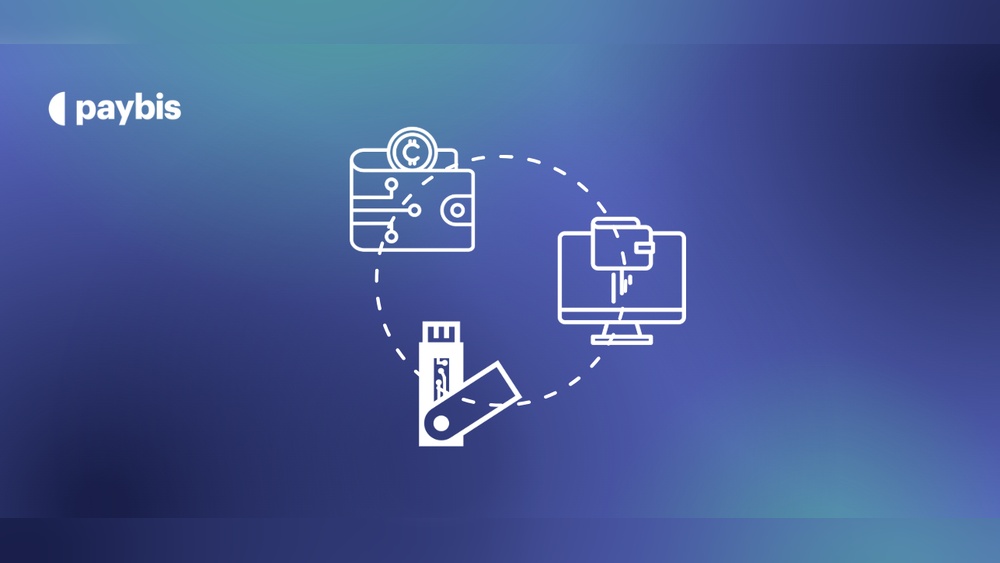
Choosing the right crypto wallet starts with understanding the different types available. Crypto wallets come in various forms, each offering unique features and levels of security. Knowing the differences helps you find a wallet that matches your needs and safety preferences.
Hot Wallets
Hot wallets connect to the internet for quick access. They are easy to use for daily trading or small amounts. These wallets are often free and support many cryptocurrencies. The main risk is exposure to online threats and hacks. Hot wallets suit users who need fast transactions and convenience.
Cold Wallets
Cold wallets keep crypto offline, away from internet risks. They offer higher security by storing keys in a disconnected device. These wallets are perfect for long-term storage or large amounts. Cold wallets protect assets from hackers and malware. Users must take care to avoid losing their access keys.
Hardware Wallets
Hardware wallets are physical devices designed to store private keys securely. They combine cold storage safety with easy access to funds. These wallets connect to computers or phones only when needed. Hardware wallets are durable and often come with backup options. They balance security and usability well.
Software Wallets
Software wallets are applications installed on computers or mobile devices. They provide control over private keys and support various currencies. These wallets offer convenience and quick access but rely on device security. Regular updates and strong passwords improve their protection. Software wallets fit users who trade often but want control.
Security Features
Security features are the backbone of any crypto wallet. They protect your digital assets from theft and loss. Choosing a wallet with strong security ensures peace of mind. Each security aspect plays a unique role in safeguarding your funds.
Private Key Control
Private keys unlock access to your cryptocurrency. Wallets that let you control these keys keep you in charge. Avoid wallets where a third party holds your keys. Full control reduces the risk of hacking or loss.
Two-factor Authentication
Two-factor authentication adds an extra security layer. It requires a second step to verify your identity. This can be a code from your phone or an email. It blocks unauthorized access even if your password is stolen.
Backup And Recovery Options
Backup options save your wallet data safely. Recovery features help restore access if you lose your device. Look for wallets offering seed phrases or encrypted backups. These options prevent permanent loss of your crypto.
Encryption Standards
Encryption protects your wallet data from hackers. Strong encryption methods keep your information unreadable to outsiders. Choose wallets that use advanced encryption like AES-256. This ensures your private information stays secure.
User Needs And Lifestyle
Choosing the right crypto wallet depends heavily on your daily habits and lifestyle. Every user has different needs that influence the best wallet type for them. Understanding how you interact with your crypto assets helps narrow down choices. This section breaks down key lifestyle factors to consider before selecting a wallet.
Frequency Of Transactions
How often you trade or spend crypto affects your wallet choice. Frequent users need wallets with fast transaction capabilities. Look for wallets that offer quick access and smooth transfers. Infrequent users may prefer wallets with stronger security over speed. Some wallets cater to daily payments, while others suit long-term holding.
Travel And Mobility
Your travel habits shape wallet preferences. Travelers benefit from wallets that are easy to carry and secure on the go. Hardware wallets offer strong security but can be bulky. Mobile wallets provide convenience for use anywhere. Consider wallets that support offline access if you travel to remote areas.
Asset Variety Support
The types of cryptocurrencies you hold matter. Some wallets support only Bitcoin or Ethereum. Others handle a wide range of altcoins and tokens. Choose a wallet compatible with your entire portfolio. Multi-asset support simplifies managing different coins in one place.
Technical Experience Level
Your comfort with technology affects wallet selection. Beginners should use user-friendly wallets with simple interfaces. Advanced users may prefer wallets with customizable features and advanced security. Some wallets require knowledge of private keys and backup processes. Select a wallet that matches your technical skills.
Compatibility And Accessibility
Choosing a crypto wallet with the right compatibility and accessibility is key for smooth transactions. It ensures you can store and use your cryptocurrencies easily. Consider what currencies the wallet supports and where you can access it. This helps avoid limits and delays in managing your funds.
Supported Cryptocurrencies
Check which cryptocurrencies the wallet supports. Some wallets only handle popular coins like Bitcoin and Ethereum. Others support hundreds of altcoins and tokens. Pick a wallet that matches your crypto portfolio now and in the future. This saves time and effort switching wallets later.
Operating System Support
The wallet must work on your device’s operating system. Most wallets support Windows, macOS, Linux, iOS, and Android. Some wallets are limited to one or two systems. Confirm compatibility before downloading. This avoids technical issues and ensures smooth use.
Mobile Vs Desktop Access
Decide if you want a mobile or desktop wallet. Mobile wallets offer quick access on the go. Desktop wallets provide more features and security. Some wallets sync between devices, giving flexibility. Choose based on your lifestyle and how often you trade.
Integration With Exchanges
Wallets that connect directly to exchanges simplify buying and selling. They let you trade without moving coins between platforms. This saves time and reduces fees. Look for wallets with easy exchange integration if you trade frequently. It keeps your crypto activities seamless and secure.
Ease Of Use
Ease of use is a key factor when choosing a crypto wallet. A wallet should feel simple and clear. Beginners benefit from wallets that guide them well. Advanced users prefer quick and efficient operations. The right wallet reduces mistakes and saves time. This section explains how to judge ease of use through design, setup, support, and community feedback.
User Interface Design
A clean and simple interface helps users navigate easily. Buttons and menus must be clear and intuitive. Avoid wallets with cluttered screens or hidden features. Visual cues like icons and colors improve understanding. A well-designed interface reduces user errors and frustration. Mobile and desktop versions should maintain consistency. Test the wallet’s interface before committing to it.
Setup Process
The setup should be quick and straightforward. Step-by-step instructions help avoid confusion. Wallets that require complex technical knowledge can scare beginners. Backup and recovery options must be explained clearly. Avoid wallets with long or unclear setup steps. A smooth start builds user confidence. Check if the wallet supports your preferred device.
Customer Support
Reliable support helps solve issues fast. Look for wallets offering live chat, email, or phone support. Clear FAQs and tutorials add value. Fast response times improve user experience. Good support reduces the risk of losing funds. Test the support before choosing a wallet. Support availability in your language is a plus.
Community And Reviews
User reviews reveal real experiences with the wallet. Active communities offer tips and problem-solving help. Check forums, social media, and review sites. Watch for recurring complaints or praise. Communities can highlight hidden wallet features. Positive feedback often indicates user-friendly wallets. Avoid wallets with many unresolved issues reported.

Credit: www.youtube.com
Cost And Value
Cost and value play a key role in choosing the best crypto wallet. Understanding the expenses helps you make a smart choice. Wallets differ in price and features. Some are free, while others charge fees. Knowing transaction costs is also important. Think about how the wallet fits your long-term crypto plans. Balancing cost with value ensures you get the best wallet for your needs.
Free Vs Paid Wallets
Free wallets offer basic features at no cost. They are easy to use and good for beginners. Paid wallets often include extra security and support. They may have advanced tools for experienced users. Choosing between free and paid depends on your budget and needs. Sometimes, paying a small fee gives more protection and convenience.
Transaction Fees
Transaction fees vary by wallet and blockchain network. Some wallets charge low or no fees for sending crypto. Others include fees to cover network costs or extra services. These fees affect how often and how cheaply you can trade. Check fee structures before picking a wallet to avoid surprises. Lower fees help keep your crypto profits higher.
Long-term Investment
Think about how long you will use the wallet. A good wallet protects your assets over time. Paid wallets may offer better updates and customer support. They also might add features that grow with your crypto needs. Investing in a solid wallet can save money and stress later. Value comes from security, ease, and future-proof options.
Regulatory And Privacy Considerations
Understanding regulatory and privacy considerations is vital when choosing a crypto wallet in 2026. Crypto wallets handle sensitive data and funds. Users must ensure their wallets protect privacy while complying with laws. Wallets differ in how they manage user data and respond to legal requirements. This section breaks down key points to evaluate before selecting a wallet.
Data Privacy Policies
Check the wallet’s data privacy policy carefully. It shows how the wallet collects, uses, and stores your information. Choose wallets that minimize data collection. Avoid wallets that share your data with third parties. Strong privacy policies reduce risks of data breaches and misuse. Clear policies help users understand their rights and protections.
Compliance With Laws
Wallets must follow local and international laws. This includes anti-money laundering (AML) and know your customer (KYC) rules. Compliance ensures wallets operate legally and safely. Some wallets require identity verification before use. Others offer simpler access but less regulatory oversight. Understand the legal demands in your country. Choose wallets that balance compliance and user convenience.
Anonymity Features
Anonymity is important for privacy-focused users. Some wallets offer features like coin mixing or stealth addresses. These tools make transactions harder to trace. However, full anonymity may conflict with legal compliance. Consider how much privacy you need versus legal transparency. Anonymity features can protect your identity but may limit wallet options.
Future-proofing Your Choice
Choosing a crypto wallet is not just about today’s needs. It is about securing your digital assets for years ahead. Future-proofing your choice means picking a wallet that grows with technology and adapts to changes. This approach helps avoid switching wallets frequently, saving time and effort.
Consider factors like upgradability, strong developer support, and adoption of new technology. These elements ensure your wallet stays reliable and secure as the crypto world evolves. A future-proof wallet protects your investments and gives peace of mind.
Upgradability
A wallet with upgradability allows updates without losing your data. It can add new features or fix bugs quickly. Choose wallets that support seamless updates over the air. This keeps security tight and adds useful tools over time. Upgradable wallets adapt to new blockchain standards and protocols.
Developer Support
Strong developer support means regular improvements and quick problem fixes. Wallets backed by active teams stay ahead of threats. Check if the wallet has open-source code or a large user community. This helps find help easily and ensures transparency. A wallet with solid support remains trustworthy and evolves with user needs.
New Technology Adoption
New crypto technologies appear often. Wallets that adopt innovations like multi-chain support or hardware integration offer more options. Look for wallets that add features such as biometric security or decentralized finance tools. Early adoption of new tech shows a commitment to keeping your assets safe and accessible. This readiness makes your wallet future-ready.

Credit: changehero.io
Frequently Asked Questions
Can The Irs See Your Crypto Wallet?
The IRS cannot directly see your crypto wallet but can track transactions on public blockchains. They get data from exchanges and use advanced tools to identify owners for tax enforcement.
What Is The Best Cold Wallet For Crypto 2025?
The best cold wallet for crypto in 2025 is the Ledger Nano X. It offers top security, Bluetooth connectivity, and supports many cryptocurrencies.
How To Choose The Best Wallet?
Choose a wallet by assessing what you carry and your lifestyle. Pick size, style, and durable material. Prioritize features like RFID blocking and quality stitching.
What Is The Best Way To Store Crypto Long-term?
Store crypto long-term using a hardware wallet offline. Keep backup seed phrases securely offline. Avoid online or hot wallets to reduce hacking risks. Regularly update wallet firmware for security.
Conclusion
Choosing the best crypto wallet in 2026 means balancing security, ease, and features. Think about how often you use crypto and where you store it. Hardware wallets offer strong protection, while software wallets provide convenience. Check for strong passwords, backup options, and user-friendly design.
Remember, your wallet keeps your digital money safe. Take time to compare options before deciding. A smart choice helps you manage crypto confidently and safely. Keep learning and stay updated as technology changes. Your crypto journey starts with the right wallet.