Are you planning to buy property, start a business, or make changes to your land? Knowing the zoning rules is a must.
But how do you find this information without endless phone calls or trips to city offices? You’re in the right place. This guide will show you exactly how to check zoning information online—quickly, easily, and from anywhere. Keep reading, and you’ll gain the power to make confident decisions about your property with just a few clicks.

Credit: yourvoicemarkham.ca
What Is Zoning Information
Zoning information tells you how land can be used in a city or town. It shows what types of buildings are allowed in certain areas. This helps keep neighborhoods organized and safe.
Understanding zoning rules is important before buying property or starting a project. Zoning information can include rules about building height, property use, and lot size. It guides what activities are allowed on the land.
What Does Zoning Information Include?
Zoning information lists the allowed uses for each area. It might say if the land is for homes, shops, factories, or parks. It also covers rules about building size and placement.
Some zones allow only houses, while others permit businesses. There are also special zones for schools or hospitals. These rules help control noise, traffic, and safety.
Why Is Zoning Important?
Zoning helps protect property values. It keeps heavy industry away from homes. This makes neighborhoods nicer and safer to live in.
It also guides city growth. Proper zoning prevents overcrowding. It helps cities plan roads, parks, and services better.
Who Sets Zoning Rules?
Local governments create zoning rules. City councils or planning boards decide how land is used. They write zoning laws and update them over time.
These groups hold meetings where the public can give input. This process helps balance development with community needs.
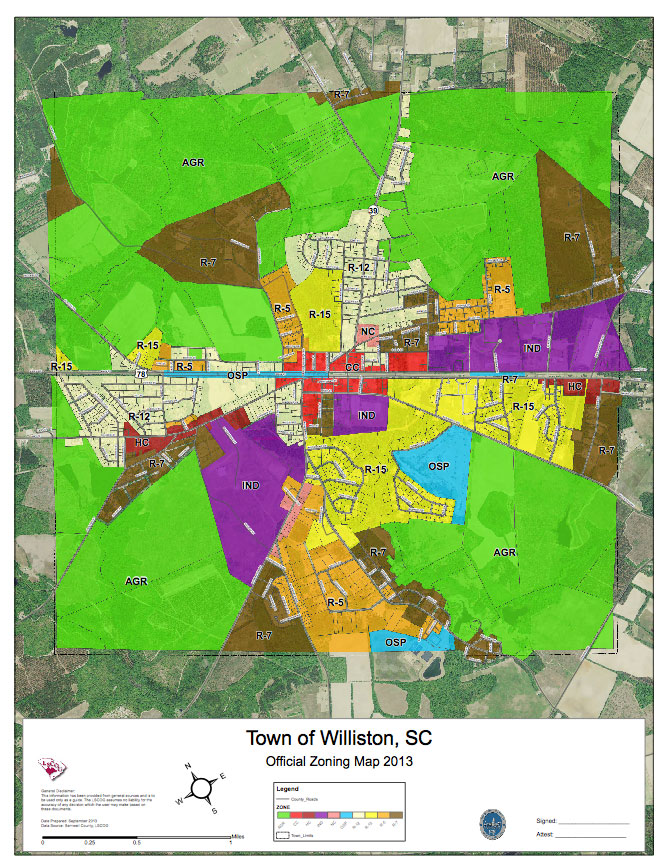
Credit: www.williston-sc.com
Why Zoning Matters
Zoning rules tell what types of buildings can go in certain areas. They shape neighborhoods, cities, and towns. Knowing zoning helps you avoid problems with your property or plans.
These rules protect property values and community safety. They also keep areas organized. Without zoning, places could become chaotic with mixed uses that don’t fit well together.
What Zoning Controls
Zoning controls land use, building size, and placement. It decides if land is for homes, stores, or factories. It can also set limits on building height and parking spaces.
How Zoning Affects Property Value
Zoning impacts the value of your land or home. Some zones allow businesses that increase property worth. Others limit changes that keep areas quiet and stable.
Why Zoning Matters For Planning
Zoning helps plan future growth and development. It guides where roads, parks, and schools will go. This makes communities safer and more livable.
Finding Your Local Zoning Office
Finding your local zoning office is the first step to check zoning information online. This office handles zoning rules and land use in your area. It helps you understand what activities are allowed on a property.
Most local governments have a zoning department or planning office. Their website often has important zoning maps and documents. Knowing the exact office will save time and give accurate information.
Check Your City Or County Website
Start by visiting your city or county official website. Look for sections called “Planning,” “Zoning,” or “Community Development.” These pages usually list contact details for the zoning office.
Some websites offer online tools to search zoning data directly. You may find zoning maps, codes, and application forms here. This source is reliable and updated frequently.
Use Online Government Directories
Government directories list local offices by area and service. Search for “zoning office” plus your city or county name. Directories often provide phone numbers and email addresses.
These directories help find offices if the local website is unclear. They offer a quick way to locate the right department for zoning questions.
Call Your Local City Hall
City hall staff can direct you to the zoning office. Call their main phone number and ask for zoning or planning. They can give you the office’s phone, address, or website.
This method works well if online searches are difficult. Speaking to a person can clarify which office handles zoning in your area.
Using Government Websites
Using government websites is the best way to find zoning information. These sites offer reliable and up-to-date data for any property. They are free to use and easy to access from home. You can check zoning rules and restrictions quickly.
Most cities and towns have official portals. These portals provide all the zoning details you need. They also include maps and property records. These tools help you understand what is allowed on a specific land.
Navigating Municipal Portals
Start by visiting your city or county website. Look for sections like “Planning,” “Zoning,” or “Building.” These sections contain zoning information and related services. Use the search bar if you cannot find the right page. Municipal portals are usually user-friendly with clear menus.
Accessing Zoning Maps
Zoning maps show how land is classified in an area. Find the map tool on the zoning page. Maps often have color codes for different zones. You can zoom in to see specific properties. Some sites allow you to print or download maps for future use.
Searching Property Records
Property records provide detailed zoning data for individual parcels. Enter the property address or parcel number in the search box. Records show zoning codes, land use, and any restrictions. This information helps to know what you can build or change on the land.
Third-party Zoning Tools
Third-party zoning tools make checking zoning information quick and easy. These tools gather data from various government sources. They provide a user-friendly way to view zoning rules and maps online. Users can search by address or parcel number. This helps in planning property use or development.
Popular Online Platforms
Zillow offers zoning info alongside property details. It shows zoning types and restrictions clearly. Another platform, Regrid, provides detailed parcel maps and zoning layers. On Regrid, users can explore zoning boundaries visually. City-Data.com also lists zoning codes and related regulations. These platforms help users find zoning info without visiting local offices.
Pros And Cons
Third-party tools save time and effort. They provide easy access to zoning data anytime. Maps and search options simplify understanding complex zoning rules. Some platforms update data regularly, ensuring accuracy. But, data might not always be current or complete. Errors can occur if sources are outdated. Official government sites may have the most reliable info. Still, third-party tools serve well for quick zoning checks.
Interpreting Zoning Codes
Understanding zoning codes is key to knowing what you can and cannot do with a property. Zoning codes tell you how land can be used in different areas. They help keep neighborhoods safe and organized. Reading these codes can seem tricky at first. Breaking down the codes into simple parts makes it easier.
Common Zoning Categories
Zoning categories define land use types. Residential zones are for homes and apartments. Commercial zones allow shops, offices, and stores. Industrial zones cover factories and warehouses. Mixed-use zones combine residential and commercial uses. Agricultural zones protect farms and open land. Each category has rules about building size and type.
Restrictions And Allowances
Zoning codes include rules to follow. Restrictions may limit building height or lot size. Some zones restrict business types or hours of operation. Allowances define what is permitted on the land. They tell if you can build a fence or add a garage. Knowing these rules helps avoid fines or legal problems.
Tips For Accurate Searches
Searching for zoning information online can be tricky. Small mistakes may lead to wrong results. Accurate searches save time and provide clear answers. Follow these tips to improve your search results and get the right zoning details.
Using Correct Property Details
Enter the exact property address or parcel number. Avoid abbreviations and spelling errors. Double-check the street name and number before searching. Some websites require additional details like city or county. Using precise information ensures the system finds the correct property. This step reduces confusion and helps you get accurate zoning data quickly.
Checking For Updates
Zoning rules can change over time. Always check the date of the zoning information on the website. Look for recent updates or notices about zoning changes. Some sites show old data, which may be outdated. Confirming updates helps you rely on current zoning laws. This practice prevents mistakes in planning or buying property.
When To Contact Zoning Officials
Knowing when to contact zoning officials is important before making property plans. Zoning rules affect what you can build or change on your land. Contacting officials early avoids delays and fines.
Zoning officials can clarify rules that online tools may not fully explain. They help with permits, property use, and zoning boundaries. Reach out to them for clear, reliable answers.
Checking Before Buying Property
Contact zoning officials before buying land or a home. They confirm if your plans fit local zoning laws. Avoid surprises that could stop your project.
Planning Construction Or Renovation
Talk to officials before starting any building work. They provide details on allowed building types and sizes. This step ensures your project meets legal rules.
Changing Property Use
Reach out if you want to change how you use the property. For example, switching from a home to a business. Officials guide you through the approval process.
Disputes Or Conflicts
Contact officials when zoning rules cause conflicts with neighbors. They help resolve misunderstandings and clarify boundaries. This prevents costly legal problems.
Seeking Variances Or Exceptions
Sometimes rules don’t fit your needs. Officials can explain how to apply for exceptions. This option allows special permissions under certain conditions.

Credit: www.youtube.com
Frequently Asked Questions
What Is Zoning Information And Why Check It Online?
Zoning information defines land use rules and restrictions. Checking it online saves time and helps verify property compliance quickly. It guides buyers, builders, and planners on permitted activities and development limits for specific areas.
How Can I Find Zoning Maps For My Property?
Visit your local government’s planning or zoning website. Most provide interactive zoning maps. Enter your address to view zoning classifications and details relevant to your property.
Are Zoning Codes Updated Regularly Online?
Yes, zoning codes are updated periodically to reflect new laws. Online portals usually show the latest versions, ensuring you access current and accurate zoning information.
Can I Check Zoning Restrictions Without Technical Knowledge?
Absolutely. Online zoning tools are user-friendly and designed for all users. They often include search functions, legends, and guides to help understand zoning classifications easily.
Conclusion
Checking zoning information online saves time and effort. Most city or county websites offer easy access to maps and rules. Knowing zoning details helps you plan property use correctly. It prevents surprises during buying or building. Stay updated by visiting official sites regularly.
This simple step supports smart decisions for your property. Start exploring online zoning tools today.