Your car’s transmission fluid plays a vital role in keeping your vehicle running smoothly. But do you know how to check it properly?
If your transmission fluid is low or dirty, it can lead to costly repairs and poor performance. You might think checking it is complicated, but it’s easier than you expect. By learning the right steps, you can quickly see if your transmission fluid needs attention and keep your car in top shape.
Keep reading, and you’ll discover simple, clear instructions that anyone can follow—no mechanic required.
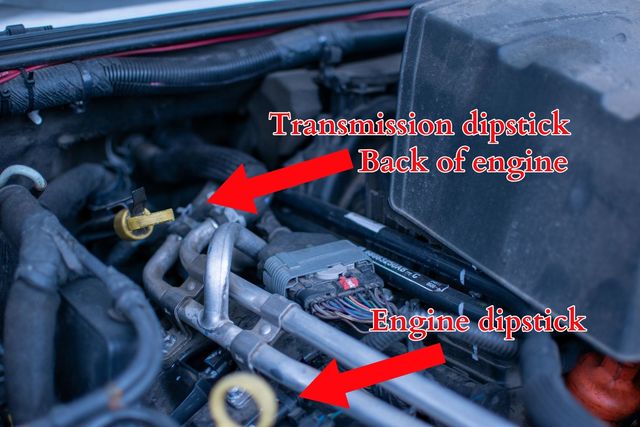
Credit: www.davidsrepair.com
Transmission Fluid Basics
Understanding transmission fluid is key to keeping your vehicle running smoothly. This fluid lubricates and cools the moving parts inside the transmission. It also helps transmit power from the engine to the wheels. Knowing the basics of transmission fluid helps you spot problems early. It can save you from costly repairs and extend your vehicle’s life.
Role In Vehicle Health
Transmission fluid acts as a lubricant for gears and other components. It reduces friction and prevents wear and tear. The fluid also cools the transmission by carrying heat away. It helps clean the transmission by carrying away debris and metal particles. Proper fluid levels ensure smooth gear shifts and protect the transmission from damage.
Types Of Transmission Fluid
There are several types of transmission fluid. Automatic transmission fluid (ATF) is used in automatic transmissions. Manual transmission fluid or gear oil is designed for manual gearboxes. Some vehicles use synthetic fluids, which last longer and perform better under extreme conditions. Always use the type recommended by your vehicle’s manufacturer to avoid damage.
Credit: www.theartofdoingstuff.com
Preparing To Check Fluid
Adding or changing transmission fluid helps keep your car’s transmission working smoothly. Over time, fluid breaks down or gets dirty. Fresh fluid improves shifting and protects parts from wear. Proper steps ensure you do it safely and correctly.
Choosing The Right Fluid
Use the fluid type your car manufacturer recommends. Check your owner’s manual or the fluid cap label. Using the wrong fluid can cause damage or poor performance. Look for labels like ATF Dexron or Mercon, depending on your vehicle. Buy fluid from a trusted brand for quality assurance.
Proper Filling Techniques
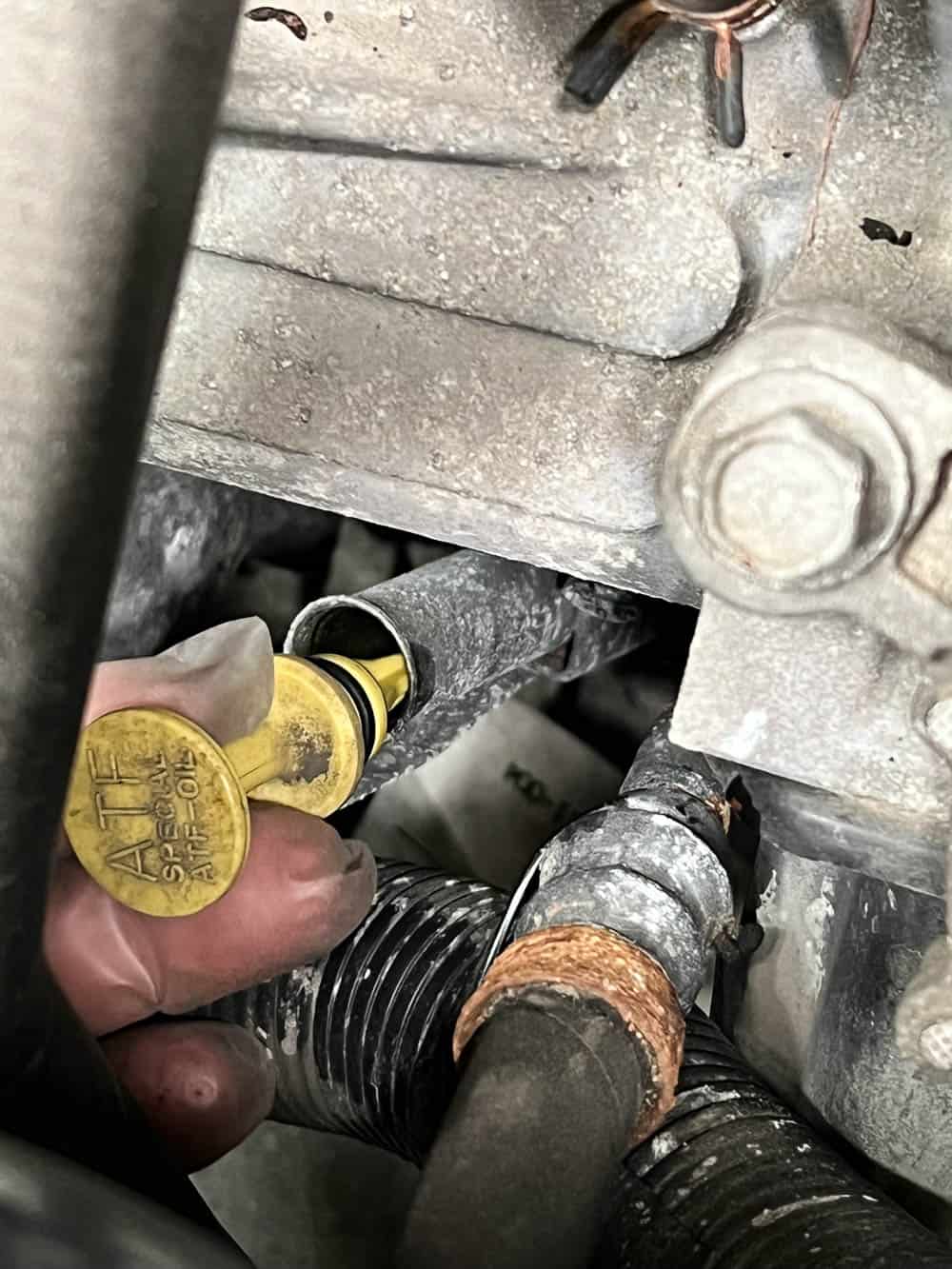
Start with the engine warm and running, parked on level ground. Open the transmission fluid dipstick or fill port carefully. Pour fluid slowly to avoid overfilling. Use a funnel to prevent spills. Add small amounts and check the level often with the dipstick. Stop adding when the fluid reaches the correct “hot” mark. Never fill above the maximum level to avoid pressure issues.
Disposal Of Old Fluid
Used transmission fluid is harmful to the environment. Collect the old fluid in a sealed container. Take it to a recycling center or an auto shop that accepts used fluids. Never pour it down drains, on the ground, or in trash bins. Proper disposal keeps your community safe and protects water sources.

Credit: www.westplainsdailyquill.net
Frequently Asked Questions
Do You Check Transmission Fluid With The Car Running?
Check automatic transmission fluid with the engine running, warmed up, on level ground, and in Park or Neutral. This ensures accurate fluid level reading. For manual transmissions, check with the engine off. Always refer to your owner’s manual for specific instructions and dipstick marks.
What Is The Correct Way To Check Transmission Fluid?
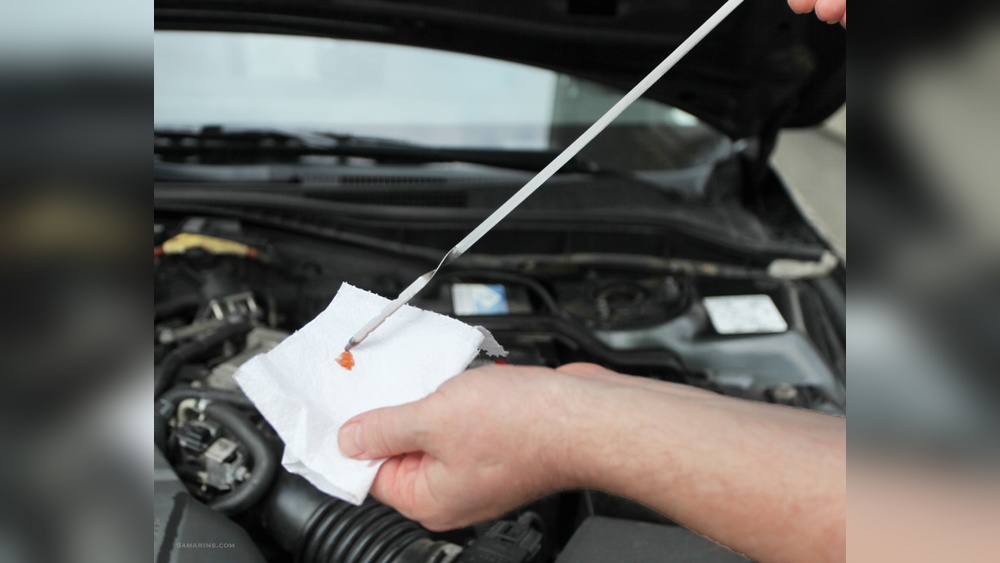
Park your car on level ground and engage the parking brake. Start the engine and let it warm up. With the engine running, cycle through gears then return to Park. Locate and pull out the transmission dipstick, wipe it, reinsert fully, and check fluid level against the “Hot” mark.
Do You Check Your Transmission Fluid While It’s Hot Or Cold?
Check automatic transmission fluid with the engine running and warm on level ground for an accurate reading. Manual transmission fluid is checked cold with the engine off. Always refer to your owner’s manual for specific instructions and dipstick markings.
Can I Just Add Transmission Fluid?
You should not just add transmission fluid without checking the level first. Always inspect fluid condition and level using the dipstick. Overfilling or adding the wrong fluid can damage your transmission. Follow your vehicle’s manual for the correct type and procedure.
Conclusion
Checking your transmission fluid regularly keeps your vehicle running smoothly. Use the right steps to get an accurate reading. Always check fluid level on a flat surface with the engine warm. Clean the dipstick before measuring to avoid false results.
Low or dirty fluid can cause shifting problems or damage. A quick check can save costly repairs later. Stay safe by following your car’s manual instructions. Keep your transmission healthy with simple, regular fluid checks.