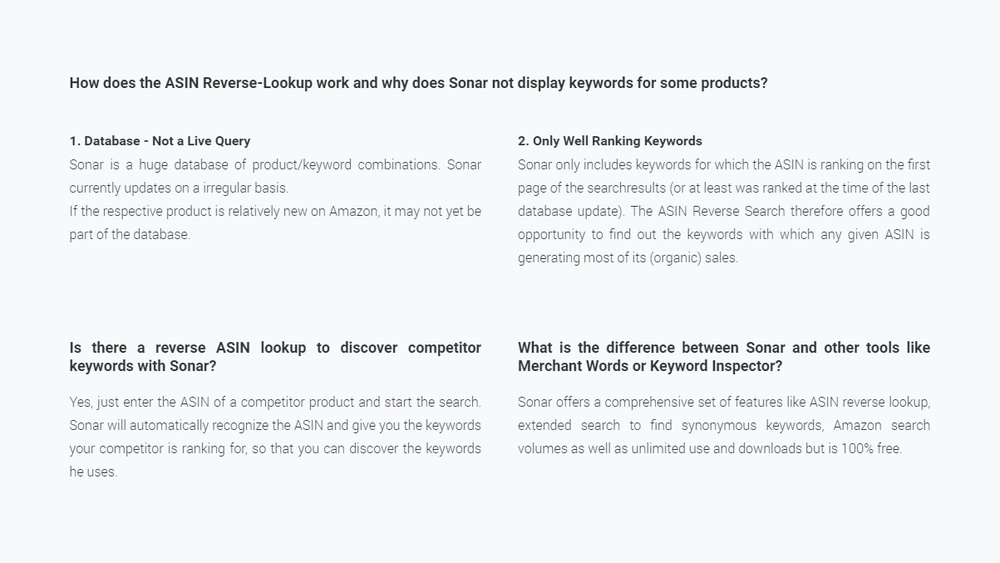
Have you ever received a call or seen an unfamiliar phone number and wondered who’s behind it? Or maybe you’ve come across an IP address and wanted to find out which website it belongs to.
That’s where reverse lookup databases come into play. But how exactly do these powerful tools work? Understanding the mechanics behind reverse lookup databases can give you an edge—whether you’re protecting your privacy, verifying contacts, or simply satisfying your curiosity. Stick with me, and you’ll discover how these systems turn numbers into meaningful information, making your digital life a little clearer and safer.
Ready to uncover the secrets behind reverse lookups? Let’s dive in.

Credit: www.pghcitypaper.com
Basics Of Reverse Lookup
Reverse lookup databases help find details from identifiers like phone numbers or IP addresses. They work by searching stored data to match these numbers with related information. This process is useful for identifying unknown callers or tracing internet addresses.
Understanding the basics of reverse lookup helps clarify how these databases gather and provide information. The method is simple but powerful, using data already collected from various sources.
What Reverse Lookup Does
Reverse lookup finds the owner or source behind a number or address. For example, it can show who owns a phone number or which website uses a specific IP address. This helps users verify contacts or identify unknown sources quickly.
It works by checking a database where information is stored about numbers and addresses. The system matches the input data with its records to provide accurate results. This makes reverse lookup a valuable tool for security and information verification.
Types Of Reverse Lookup Databases
Several types of reverse lookup databases exist, each serving a different purpose. Phone reverse lookup databases focus on phone numbers and their owners. They collect data from public records and user reports.
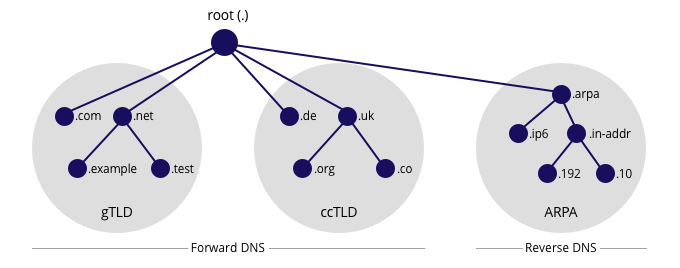
Another type is the reverse DNS lookup database. It links IP addresses to domain names. This helps identify websites or servers connected to a given IP address. Other databases may cover email addresses or vehicle registration numbers.
Each database type uses its own methods and data sources. Together, they provide a wide range of information for different user needs.
How Reverse Lookup Works
Reverse lookup works by finding the owner or details behind an IP address or phone number. It starts with a query and returns the matching name or information. This process helps identify unknown callers, verify data, or check website details. The system uses several key components to connect the dots between numbers and names.
Data Sources And Collection
Reverse lookup databases gather information from public and private sources. These include phone companies, internet providers, and online directories. Data is regularly updated to keep it accurate. Some databases also use user contributions to improve their records. The collected data forms the backbone of reverse lookup services.
Query Process Explained
The query begins when a user inputs an IP address or phone number. The system searches its database for matching records. If a match exists, it returns the related name or details. The process often takes just seconds. It works like a phone book but in reverse, starting from the number to find the name.
Role Of Dns In Reverse Lookup
DNS plays a vital role in reverse lookup for internet addresses. It translates IP addresses back into domain names. This is called reverse DNS lookup or rDNS. Special DNS zones store this information to respond to these queries. Reverse DNS helps verify servers and improves email security by confirming sender identities.
Information Revealed
Reverse lookup databases reveal key information about phone numbers or IP addresses. They collect public data to connect numbers with personal or business details. This helps identify who is behind a call or message. The information is often useful for safety, verification, or research purposes.
Owner Identity Details
These databases often show the name of the person or business linked to the number. It may include first and last names or a company name. This helps identify unknown callers or verify contacts. Owner identity is the most common and important detail provided.
Location And Contact Info
Reverse lookup tools reveal the geographic area tied to the number. This can be a city, state, or region. Sometimes, the full address appears if available. Additional contact details like alternate phone numbers or emails may also show up. Location info helps confirm where the call or message originates.
Social Media And Online Presence
These databases may link numbers to social media profiles or websites. This shows if the owner has a public online presence. Profiles on Facebook, LinkedIn, or Twitter might be listed. Online activity details add context about the owner’s identity. It provides a fuller picture beyond just a name and number.
Credit: docs.db.ripe.net
Accuracy And Limitations
Reverse lookup databases provide useful information by matching phone numbers or IP addresses to names and locations. Their accuracy depends on the quality and freshness of data. Users must understand limits to avoid wrong conclusions. Accuracy varies based on errors, number changes, and update speeds.
Common Errors In Data
Data errors occur from wrong entries or outdated details. Some phone numbers may link to incorrect names or places. Public records sometimes contain mistakes that affect reverse lookup results. These errors reduce trust in the information provided.
Impact Of Number Changes
People often change phone numbers or move to new locations. These changes create gaps in databases. Old numbers might show previous owners, not current ones. Carriers and users do not always report updates quickly. This causes confusion for users relying on reverse lookups.
Database Update Frequency
Databases update at different rates, from daily to monthly. Slow updates mean data can be old or wrong. Fast updates improve accuracy but require more resources. The update speed directly affects how current and reliable the information is.
Privacy And Legal Issues
Reverse lookup databases help find information by using phone numbers or IP addresses. They gather data from many sources and let users identify who is behind a number or address. Privacy and legal issues arise because this data often involves personal information. Understanding these concerns is key to using reverse lookup tools responsibly and legally.
Legal Restrictions On Usage
Many countries have laws that limit how reverse lookup data can be used. Some laws ban using this data for marketing or harassment. Violating these rules can lead to fines or legal trouble. Users must check their local laws before accessing or sharing reverse lookup information. Not all data sources follow the same regulations, which can cause confusion.
User Consent And Data Protection
Consent is important when collecting or sharing personal data. Reverse lookup databases should respect user privacy by protecting their data. Some databases only use publicly available information, while others collect data with permission. Data protection laws like GDPR require clear user consent for data use. Without consent, using or sharing data can harm individuals and lead to penalties.
Ethical Considerations
Using reverse lookup tools raises ethical questions about privacy and respect. People expect some control over their personal information. Misusing reverse lookup data can cause harm, such as stalking or identity theft. Ethical use means avoiding intrusive or harmful actions. Transparency about how data is collected and used builds trust with users.
Applications Of Reverse Lookup
Reverse lookup databases serve many practical uses. They help identify the source behind phone numbers, emails, or IP addresses. These tools find details that assist in various situations. From safety to business needs, reverse lookup proves valuable.
Many sectors rely on reverse lookup for quick information checks. It speeds up processes and reduces risks. Below are some key applications where reverse lookup makes a difference.
Fraud Prevention
Reverse lookup helps spot fake callers and scam attempts. It reveals who owns a phone number or email address. Companies use this to block suspicious contacts early. This cuts down fraud and protects users from scams.
Financial firms check customer data through reverse lookup to avoid identity theft. It ensures transactions are safer and more reliable. This tool also helps trace fraudsters after a crime.
Customer Verification
Businesses confirm identities using reverse lookup databases. It verifies phone numbers and addresses quickly. This avoids errors during account creation or service delivery. Customer trust grows with accurate verification.
Support teams use reverse lookup to understand caller information. It improves service and speeds up problem resolution. This method ensures genuine customers receive proper help.
Personal Safety Measures
Individuals use reverse lookup to check unknown callers or messages. It helps decide if a contact is safe or suspicious. This adds a layer of security in daily communication.
Parents and caregivers also use reverse lookup to protect children. It monitors unknown contacts and prevents potential dangers. This tool supports safer online and offline interactions.
Tools And Services
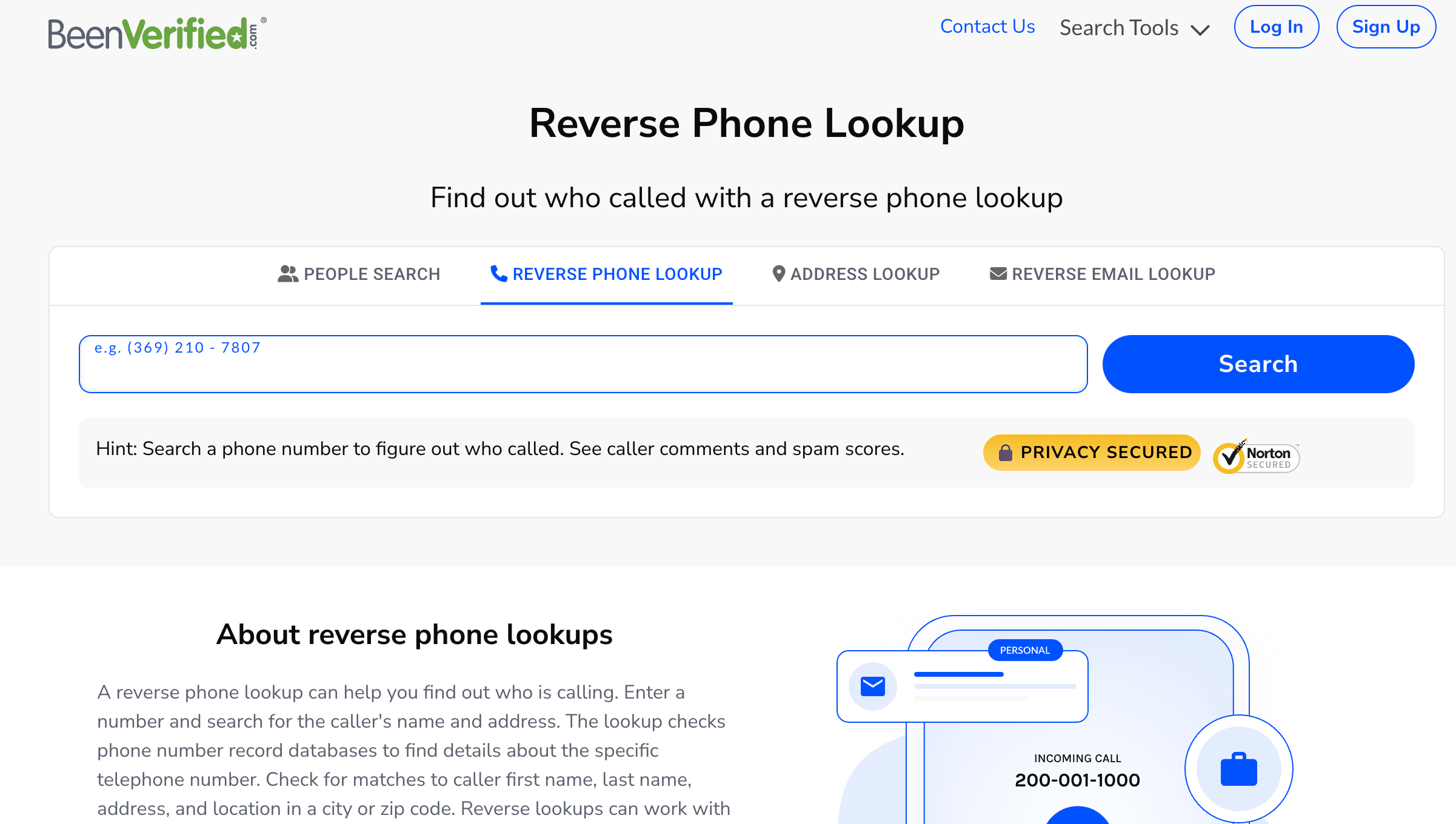
Reverse lookup databases rely on various tools and services to provide accurate information. These tools collect data from public records, phone directories, and internet sources. They organize this data into searchable platforms. Users can enter a phone number, IP address, or email to find related details quickly. The availability of different tools makes reverse lookup accessible for many purposes.
Popular Reverse Lookup Platforms
Many platforms offer reverse lookup services. Some well-known ones include Whitepages, TrueCaller, and Spokeo. These sites gather data from multiple sources to give detailed results. They often show the owner’s name, location, and related social profiles. Each platform varies in its database size and update frequency. Choosing a popular platform ensures more reliable information.
Free Vs Paid Options
Reverse lookup tools come in free and paid versions. Free options provide basic information like location or carrier. They suit casual users who need simple lookups. Paid services offer deeper details such as full names, addresses, and background checks. Paid plans also update data more often. Users should pick an option based on their needs and budget.
Integrating Apis For Automation
APIs allow businesses to automate reverse lookups within their apps. These tools connect databases directly to software systems. Automation saves time and reduces manual errors. Developers use APIs to fetch user information quickly during transactions. Many platforms offer easy-to-use API access with clear documentation. APIs help scale reverse lookup tasks efficiently.
Future Of Reverse Lookup
The future of reverse lookup holds exciting possibilities. New technologies will improve how databases collect and present information. These improvements will make reverse lookup more useful and reliable for everyone. Users can expect faster results and more detailed information. Here’s a closer look at what lies ahead.
Advancements In Database Technology
Database systems are becoming faster and more efficient. Cloud computing allows storage of vast amounts of data. This growth lets reverse lookup services access bigger, richer databases. New indexing methods help find data quickly. These changes reduce waiting times and improve user experience.
Improving Accuracy With Ai
Artificial intelligence helps clean and verify data automatically. AI can detect outdated or incorrect information better than before. Machine learning models learn patterns to predict missing details. This leads to more accurate and reliable reverse lookup results. It also reduces errors caused by human mistakes.
Expanding Data Coverage
Reverse lookup databases are growing to include more sources. They now gather data from social media, public records, and business listings. This expansion increases the chance of finding useful information. Coverage is also becoming global, not just limited to one country. Users benefit from a wider range of data points.
Credit: www.top10.com
Frequently Asked Questions
How Does A Reverse Lookup Work?
A reverse lookup uses an IP address or phone number to find the associated domain or owner. It queries databases for matching details. This process helps identify sources behind digital addresses quickly and accurately.
How Do Reverse Lookup Zones Work?
Reverse lookup zones map IP addresses to domain names. They query DNS to find the hostname linked to a specific IP address. This helps verify and identify devices on a network efficiently.
How Accurate Are Reverse Lookups?
Reverse lookups vary in accuracy due to outdated or incorrect data. Results depend on database updates and number changes.
What Information Does A Reverse Phone Lookup Show?
A reverse phone lookup shows the owner’s name, location, carrier, and associated social media or websites linked to the number.
Conclusion
Reverse lookup databases help find details using numbers or addresses. They work by matching data from public sources quickly and easily. These tools support many uses like identifying callers or checking IP domains. Keep in mind, results may sometimes be outdated or incomplete.
Using reverse lookup databases wisely can save time and provide useful information. They offer a simple way to connect unknown numbers or addresses to real-world identities. Understanding how they work makes you more confident in using them effectively.