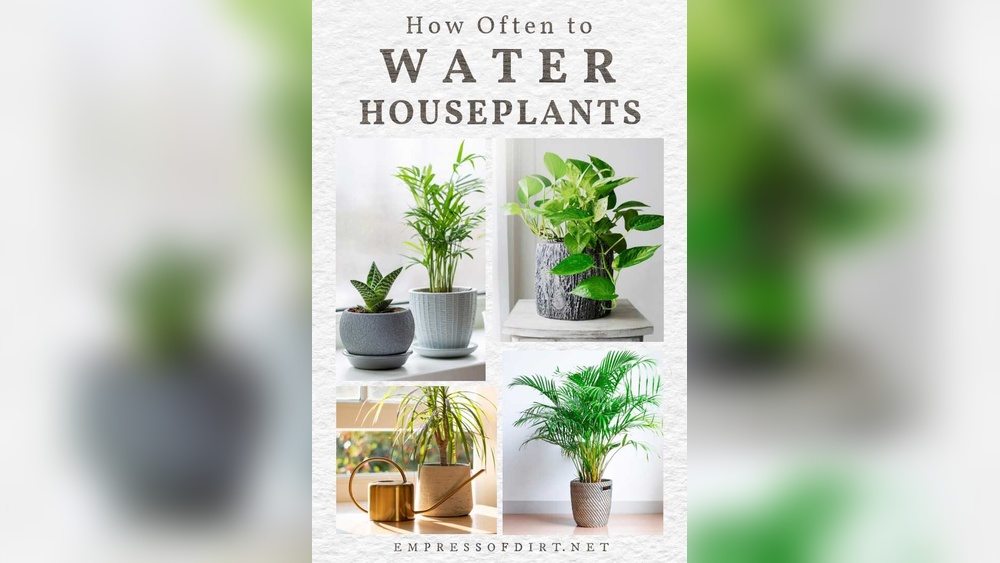
Are you wondering how often you should water your indoor plants to keep them healthy and thriving? It’s a question many plant lovers face, yet the answer isn’t one-size-fits-all.
Watering too much or too little can harm your plants, leaving you frustrated and confused. But don’t worry—by understanding simple signs and factors, you can master the perfect watering routine for your green friends. Ready to discover the secrets to watering your indoor plants just right?
Keep reading, and your plants will thank you!
Watering Frequency Basics
Watering indoor plants correctly helps them stay healthy and vibrant. The right watering frequency depends on many factors. Understanding basic watering rules makes plant care easier. Learn when and how often to water for best results.
Every plant has unique needs. Paying attention to these needs helps avoid common problems like root rot or dryness.
General Guidelines
Most indoor plants need watering when the top inch of soil feels dry. Use your finger to check soil moisture before watering. Water slowly to let roots absorb moisture well. Avoid letting plants sit in water to prevent root damage.
Plants in small pots dry out faster than those in large pots. Adjust watering based on pot size and type. Clay pots dry soil quicker than plastic ones.
Seasonal Changes
Water needs change with the seasons. During spring and summer, plants grow more and need more water. In fall and winter, growth slows, so water less often. Cooler temperatures reduce evaporation, keeping soil moist longer.
Indoor heating in winter can dry soil faster. Check soil moisture regularly and adjust watering as needed.
Plant Growth Stages
Young plants and seedlings need consistent moisture for strong roots. Water them carefully to avoid drying out. Mature plants can handle less frequent watering. During flowering or fruiting, plants may need extra water.
After growth slows, reduce watering to match the plant’s lower needs. Observe your plant’s condition for clues about watering frequency.

Credit: myplantin.com
Soil Moisture Checks
Checking soil moisture is a simple way to know when to water indoor plants. It helps avoid overwatering and underwatering. Soil moisture checks give clear signals about your plant’s needs. Here are three easy methods to test soil moisture at home.
Finger Test
Stick your finger about an inch into the soil. If the soil feels dry, the plant needs water. If it feels moist, wait a few days before checking again. This test works well for most small to medium pots.
Weight Test
Lift the plant pot to feel its weight. A dry pot feels much lighter than a wet one. This method takes practice but helps you learn your plant’s watering rhythm. Use it especially for larger pots where finger testing is hard.
Skewer Method
Insert a wooden skewer or chopstick deep into the soil. Pull it out and check the tip. If it is dry and clean, the soil needs water. If it is damp or has soil stuck to it, the plant still has enough moisture.
Watering Signs
Knowing the signs your indoor plants show helps you water them just right. Plants give clues when they need more water or too much. Watching these signs keeps plants healthy and growing strong.
Underwatering Symptoms
Leaves start to wilt and curl when plants lack water. Dry, brown leaf tips appear on many indoor plants. Growth slows down and new leaves may look small. Soil feels dry and pulls away from pot edges. Plants look lifeless and may drop leaves easily.
Overwatering Symptoms
Soil stays wet for too long and looks soggy. Leaves turn yellow and become soft or mushy. Root rot can happen, making plants wilt despite wet soil. Mold or fungus may grow on soil surface. Pots feel heavy but plants appear weak or droopy.
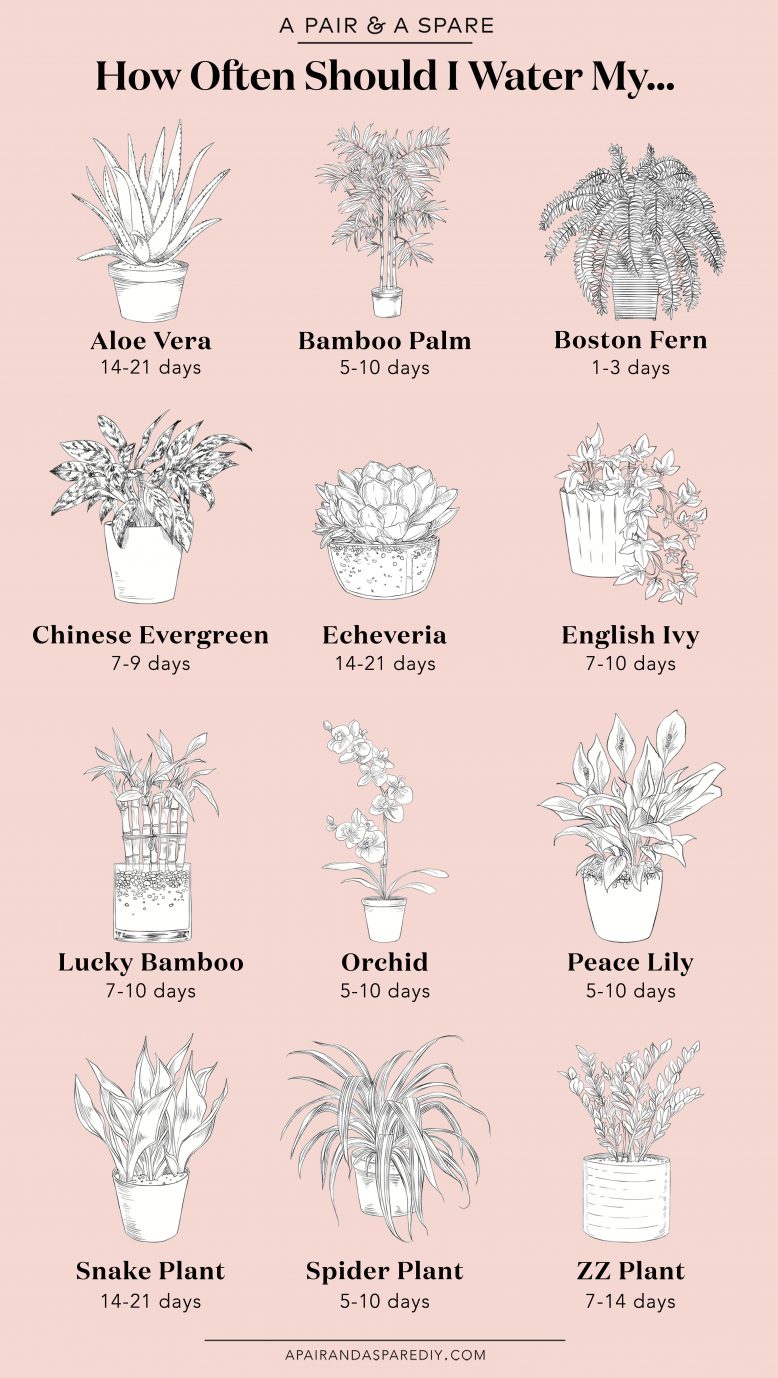
Credit: collectivegen.com
Plant Type Considerations
Watering indoor plants depends greatly on the type of plant you have. Different plants have different water needs. Understanding these needs helps you keep plants healthy and thriving. Some plants like more water, while others prefer dry soil between watering. Knowing your plant type guides the right watering schedule.
Cacti And Succulents
Cacti and succulents store water in their leaves and stems. They need watering only when the soil is completely dry. Overwatering can cause root rot quickly. During winter, reduce watering even more. These plants thrive with less frequent watering.
Ferns And Tropical Plants
Ferns and tropical plants enjoy moist soil. They need regular watering to keep the soil slightly damp. These plants prefer humidity and steady moisture. Avoid letting their soil dry out completely. Mist their leaves to boost humidity and keep them happy.
Flowering Plants
Flowering plants need consistent watering during their bloom period. Keep the soil evenly moist but not soggy. Water less during dormant seasons. Watch for wilting or dry soil as signs they need water. Proper watering helps flowers last longer and stay vibrant.
Environmental Factors
Environmental factors play a key role in how often you should water indoor plants. These factors affect how quickly soil dries out and how much water plants need. Understanding light, temperature, and humidity helps you care for your plants better.
Light Exposure
Plants in bright light use water faster. Direct sunlight makes soil dry quickly. Low light means slower water use. Adjust watering based on where your plant sits. More light usually means more water needed.
Temperature Effects
Higher temperatures increase water evaporation from soil. Warm rooms dry soil faster than cool ones. Cold temperatures slow down water use. Keep plants away from heaters or cold drafts. Water more often in warm conditions, less in cold.
Humidity Levels
Low humidity causes plants to lose water quickly. Dry air makes soil dry faster. High humidity keeps soil moist longer. Use a humidifier or pebble tray to raise humidity. Check soil moisture to decide watering frequency.
Pot And Soil Impact
The pot and soil play a big role in how often you should water indoor plants. Each type affects moisture retention and drainage differently. Understanding these factors helps keep plants healthy and prevents overwatering or drying out.
Pot Material And Size
Pots come in many materials like plastic, ceramic, and terracotta. Porous pots like terracotta let water evaporate quickly. Plants in these pots need watering more often. Plastic pots hold moisture longer, so water less frequently.
Smaller pots dry out faster than bigger ones. They hold less soil and water. Large pots keep soil moist for a longer time. Check the pot size to decide watering frequency.
Soil Type And Drainage
Soil type greatly affects watering needs. Well-draining soil lets water flow freely. It prevents roots from sitting in water. Plants in well-draining soil need watering when the top feels dry.
Heavy soils like clay hold water longer. They can cause root rot if overwatered. Light soils like sand dry out fast. Good drainage is essential to avoid water buildup.
Watering Techniques
Watering indoor plants correctly helps them stay healthy and grow well. Using the right watering techniques matters more than just how often you water. Proper watering supports strong roots and keeps soil conditions ideal. Understanding these techniques will improve your plant care and avoid common problems like root rot or dryness.
Deep Watering Benefits
Deep watering means watering enough so water reaches the roots. It helps roots grow deeper and stronger. Water slowly until it flows from the drainage holes. This ensures soil is moist throughout, not just on the surface. Deep watering reduces the risk of dry spots and encourages healthy plant growth.
Avoiding Watering Schedules
Watering by a fixed schedule can harm plants. Different plants and seasons need different amounts of water. Check soil moisture before watering instead of following a strict routine. Use your finger or a wooden stick to test the soil. Water only when the soil feels dry a couple of inches below the surface.
Best Time To Water
Watering in the morning is best for most indoor plants. Plants absorb water better and dry leaves prevent diseases. Avoid watering late in the day to stop water from sitting on leaves overnight. Morning watering supports healthy plant metabolism and reduces mold or mildew risks.
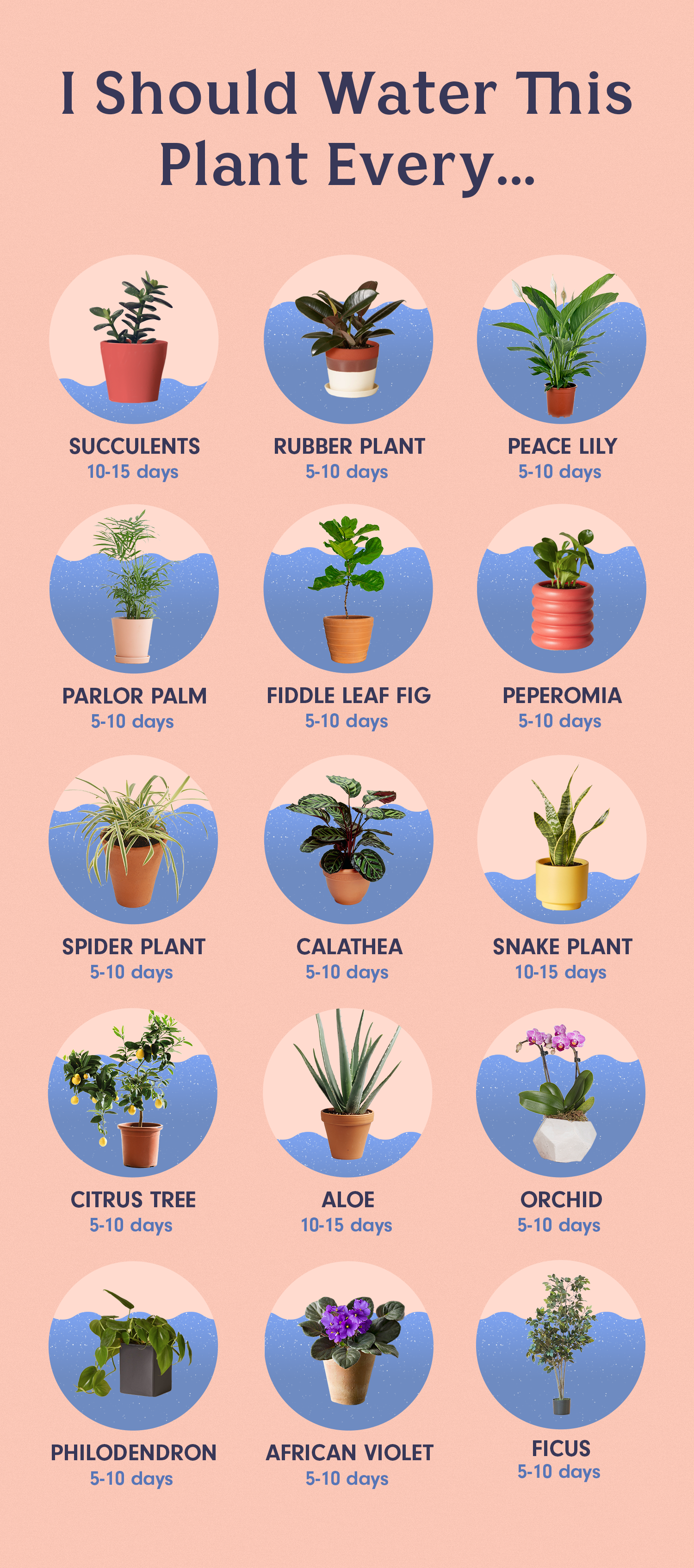
Credit: www.housebeautiful.com
Common Watering Mistakes
Watering indoor plants seems simple but often causes problems. Many plant owners make common mistakes that harm their plants. Understanding these errors helps keep plants healthy and thriving. Knowing what to avoid improves your watering routine significantly.
Overwatering Risks
Too much water is a frequent mistake. Overwatering leads to soggy soil and root rot. Roots need air to breathe, and waterlogged soil blocks oxygen. Plants may show yellow leaves and wilting despite wet soil. Overwatering invites pests and fungal diseases. It can kill plants faster than underwatering.
Underwatering Effects
Underwatering causes dry soil and poor growth. Leaves may turn brown, dry, and crispy. Plants lose their color and start wilting. Roots shrink and cannot absorb nutrients well. Prolonged lack of water weakens plants, making them more vulnerable. Some plants survive drought better, but all need regular moisture.
Using Improper Water
Water quality impacts plant health greatly. Tap water often contains chlorine or fluoride, harmful to some plants. Hard water leaves mineral deposits in the soil. Cold water shocks roots and slows growth. Use room temperature, filtered, or rainwater when possible. Proper water helps plants absorb nutrients efficiently.
Expert Tips
Knowing how often to water indoor plants can be tricky. Experts suggest focusing on your plant’s unique needs and environment. Simple habits help keep plants healthy and thriving. Here are some expert tips to guide your watering routine.
Adjusting For Plant Needs
Different plants need different amounts of water. Succulents require less water than ferns. Check the care label or research your plant’s type. Adjust watering based on growth stage and season. Plants usually need more water in warmer months. Always let the soil dry slightly before watering again. Avoid watering on a fixed schedule only.
Monitoring Regularly
Watch your plants closely to know when to water. Use simple tests like pressing your finger into the soil. If it feels dry an inch deep, it may need water. Lift the pot to feel its weight; a light pot means dry soil. Look for signs like drooping leaves or color changes. Regular checks prevent both overwatering and underwatering.
Using Self-watering Solutions
Self-watering pots help control moisture levels. They release water slowly, reducing the risk of overwatering. These pots suit busy people or beginners well. You can also use water reservoirs or wick systems. They keep soil evenly moist for longer periods. Self-watering solutions make plant care easier and more consistent.
Frequently Asked Questions
Should You Water Houseplants Every Day?
No, water houseplants only when the top 1-2 inches of soil feel dry. Daily watering can cause root rot.
How To Tell When Indoor Plants Need Water?
Check soil moisture by inserting your finger two inches deep; dry soil means water is needed. Lift the pot—light weight signals dryness. Watch for wilting, dry leaf tips, or slow growth as signs of underwatering. Avoid watering if soil feels damp or soil clings to a skewer test.
How Can You Tell If A Plant Is Overwatered?
Signs of overwatering include yellowing, soft, droopy leaves and consistently soggy soil. Roots may rot, causing wilting despite wet soil.
Can You Over Water Indoor Plants?
Yes, you can overwater indoor plants. Overwatering causes soggy soil, yellowing leaves, and root rot, harming plant health.
Conclusion
Watering indoor plants depends on many factors like plant type and environment. Check soil moisture often using simple tests like the finger or skewer method. Watch your plants for signs of too much or too little water. Water deeply but avoid watering on a strict schedule.
Adjust watering based on season, light, and pot type. This careful care keeps your plants healthy and thriving. Small changes make a big difference in indoor plant care. Keep learning and enjoy the green life inside your home.