When was the last time you checked your air filter? If you can’t remember, you’re not alone.
Many people overlook this simple but vital part of keeping your home and car running smoothly. Replacing air filters at the right time can protect your health, improve efficiency, and even save you money on energy bills or costly repairs.
But how often should you replace air filters? The answer isn’t one-size-fits-all—it depends on several factors unique to your lifestyle and environment. Keep reading to discover exactly when and why you should change your air filters to breathe cleaner air and keep your systems in top shape.
Home Hvac Filters
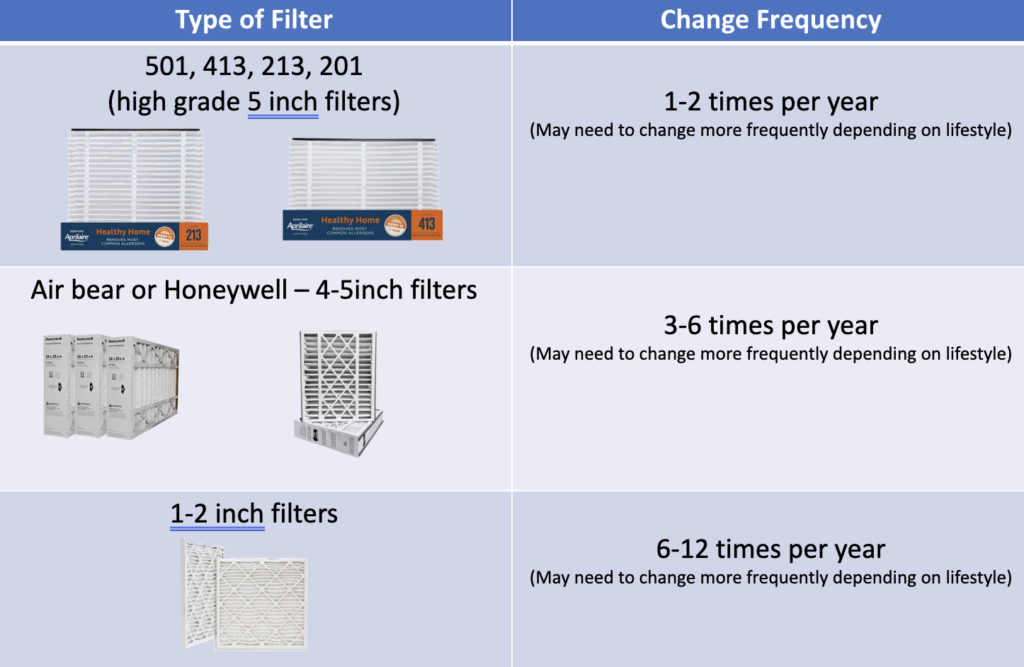
Home HVAC filters play a key role in keeping indoor air clean and your system running well. These filters trap dust, pollen, pet dander, and other particles. Over time, they get clogged and lose effectiveness. Regular replacement helps maintain good air quality and system efficiency.
Choosing the right replacement schedule depends on several factors. Understanding these will help you know when to change your filters to avoid problems like poor airflow or increased energy use.
Factors For Frequent Changes
Some homes need filter changes more often than others. If you have pets, their hair and dander fill filters faster. Allergies require cleaner air, so change filters more often. Smoking indoors adds particles that clog filters quickly. Wood-burning fireplaces also increase soot and dust. In hot climates, HVAC systems run longer, making filters dirty sooner.
Monthly Inspection Tips
Check your filter every month. Remove it and hold it up to the light. If you cannot see light through it, the filter is dirty. Change it right away. Inspecting often prevents buildup that can harm your system. Even if the schedule says every three months, check monthly to be sure.
Credit: mechanicalheating.com
Car Air Filters
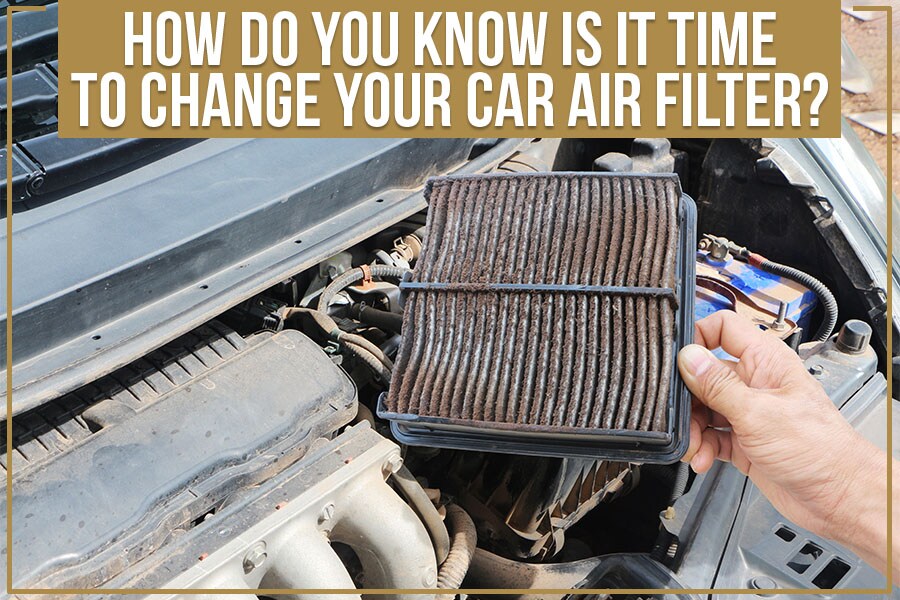
Car air filters keep your vehicle’s air clean and engine healthy. They prevent dust, dirt, and debris from entering the engine and cabin. Clean air filters improve air quality inside the car and boost engine performance. Knowing when to replace these filters saves money and avoids damage. Two main types need regular attention: the cabin air filter and the engine air filter.
Cabin Air Filter Replacement
The cabin air filter cleans the air entering your car’s interior. It blocks pollen, dust, and pollution. Replace it every 15,000 to 25,000 miles, or once a year. More frequent changes help if you drive in dusty or polluted areas. A dirty cabin filter reduces airflow and causes odors inside the car.
Engine Air Filter Timing
The engine air filter protects the engine from harmful particles. Replace it every 12,000 to 15,000 miles. Driving on rough or dusty roads may require earlier changes. A clogged engine filter lowers fuel efficiency and engine power. Regular inspection helps keep your engine running smoothly.
Filter Types
Air filters come in different types, each with unique features and lifespans. Choosing the right filter affects how often you need to replace it. Understanding common filter types helps maintain good air quality and system efficiency.
Fiberglass Filters
Fiberglass filters are the most basic and affordable option. They trap large dust and debris but do not capture smaller particles well. These filters usually last about 30 days before needing replacement. They work best in homes without allergies or pets.
These filters are disposable and should not be washed. Replacing fiberglass filters regularly keeps your system running smoothly.
Reusable And Washable Filters
Reusable filters offer an eco-friendly alternative to disposable types. Made from durable materials, they can be washed and reused multiple times. These filters typically last up to six months with proper cleaning.
Cleaning reusable filters every month or two ensures good airflow and cleanliness. They save money over time but require regular maintenance to work well.
Lifespan Factors
The lifespan of an air filter depends on several key factors. These affect how quickly the filter becomes clogged and loses efficiency. Understanding these factors helps keep your HVAC system running smoothly and the air clean.
Pets And Children Impact
Homes with pets or young children need more frequent filter changes. Pet hair, dander, and dust build up faster. Children often bring in dirt and allergens from outside. These particles clog filters quickly. Replace filters more often to maintain good air quality.
Environmental Conditions
Living in dusty or polluted areas shortens filter lifespan. Construction sites, heavy traffic, or dry climates add more particles to the air. Filters must trap more debris, filling up faster. Change filters regularly to protect your HVAC system and breathe cleaner air.
Hvac Usage Intensity
The more your HVAC runs, the faster filters wear out. Systems working all day in hot or cold seasons pull more air through filters. Increased airflow traps more dust and dirt. Change air filters more often during heavy usage periods to keep your system efficient.
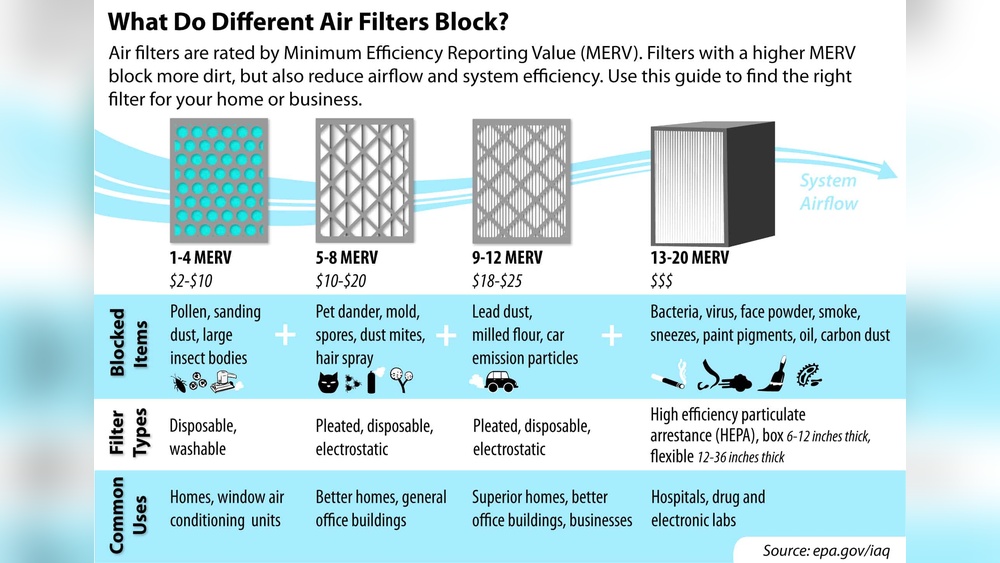
Filter Quality And Merv Rating
Higher quality filters with higher MERV ratings trap smaller particles. They clean air better but can clog sooner than lower-rated filters. Using a filter with the right MERV rating for your system balances air quality and filter life. Follow manufacturer advice on replacement timing.
Signs To Replace Filters
Knowing the signs to replace air filters helps keep your home air clean and your system efficient. Filters trap dust, dirt, and allergens. Over time, these particles build up and block airflow. Changing filters on time prevents damage and saves energy. Watch for clear signs your filter needs replacing.
Visual Dirt And Damage
Look at the filter closely. If you see thick layers of dust or dirt, it needs changing. Tears or holes in the filter also mean it must be replaced. A clean filter looks white or light gray. Dark or clogged filters reduce air quality and system performance.
Reduced Airflow
Notice if your air feels weaker from vents. Poor airflow often means the filter is clogged. The system works harder to push air through a dirty filter. This can cause higher energy bills and wear out your HVAC system. Check and replace filters to keep air flowing well.
Increased Allergies Or Odors
More sneezing, coughing, or allergy symptoms can signal a dirty filter. Filters trap allergens; a full filter loses this ability. Musty or stale smells in your home also suggest a filter change is due. Fresh filters help maintain clean, healthy indoor air.

Credit: www.kentuckyliving.com
Maintenance Best Practices
Maintaining clean air filters ensures your HVAC system works well. Proper maintenance keeps air fresh and saves energy. Follow simple best practices to know when and how to replace filters.
Checking Owner’s Manual
The owner’s manual gives the best advice for filter replacement. It shows the right filter type and how often to change it. Manuals vary by system, so trust your specific guide. Follow its schedule to keep your system healthy.
Regular Filter Inspection
Look at your air filter once a month. Check if it looks dirty or clogged. A dirty filter blocks airflow and lowers system efficiency. Change the filter if it appears dark or dusty. Regular checks prevent bigger problems later.
Adjusting Schedule For Conditions
Some homes need more frequent filter changes. Pets, allergies, or smoking add extra dirt to the air. Running the system all day also fills filters faster. Adjust your schedule to fit your home’s needs. Change filters more often to keep air clean.
Credit: www.billholtblueridge.com
Frequently Asked Questions
How Often Do I Really Need To Change My Air Filter?
Change your home air filter every 1-3 months. Replace it more often if you have pets, allergies, or smoke indoors. Check monthly and swap if dirty. Follow your HVAC manual for best results. Car cabin air filters usually need replacement every 12,000 to 15,000 miles.
What Is The Life Expectancy Of An Air Filter?
Air filters typically last 1 to 3 months, depending on usage and environment. Replace more often with pets, allergies, or heavy use. Check monthly and change if dirty. Always follow the manufacturer’s recommendations for best performance.
How Often Should I Replace My Merv Filter?
Replace your MERV filter every 1 to 3 months. Check monthly and change sooner if it looks dirty or if you have pets, allergies, or high usage.
What Happens If You Haven’t Changed Your Air Filter In 2 Years?
Neglecting to change your air filter for 2 years clogs it with dust and debris. This reduces airflow, lowers HVAC efficiency, raises energy costs, and worsens indoor air quality. It may also cause system damage and expensive repairs. Regular filter changes keep your system healthy and air clean.
Conclusion
Regularly replacing air filters keeps air clean and systems efficient. Check filters monthly to spot dirt early. Homes with pets or allergies need changes more often. Follow your owner’s manual for the best advice. Clean filters help you breathe easier and save energy.
Don’t wait for problems to appear—change filters on time. This simple habit protects your health and your HVAC system.