Thinking about building your own home but unsure how much it will cost? You’re not alone.
Many people wonder whether building a house is more affordable than buying one, and the truth is—it depends on many factors unique to your situation. From where you choose to build, to the materials and finishes you want, every decision impacts the final price.
You’ll get clear answers about the key costs involved, how to plan your budget, and tips to avoid surprises along the way. Keep reading to discover exactly what it takes to turn your dream home into reality without breaking the bank.
Cost Breakdown
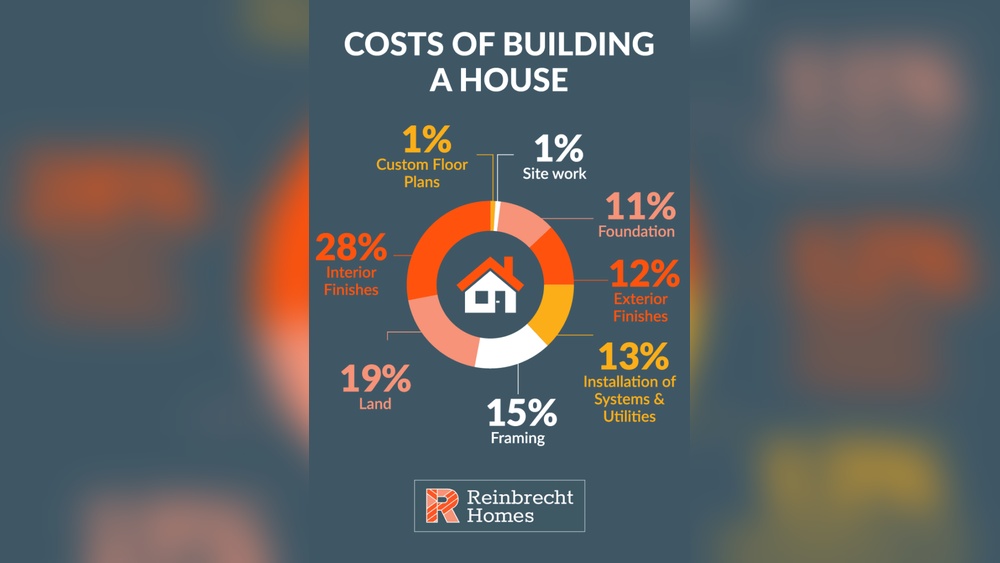
Understanding the cost breakdown helps you plan your home building budget better. Each part of building a house adds different expenses. Knowing these costs can avoid surprises later.
Let’s explore the main cost components when building a house.
Land Price Variations
Land prices change a lot depending on location and size. Urban areas tend to have higher land costs than rural places. The land’s shape and access to roads also affect the price. Sometimes, land with utilities ready costs more.
Construction Expenses
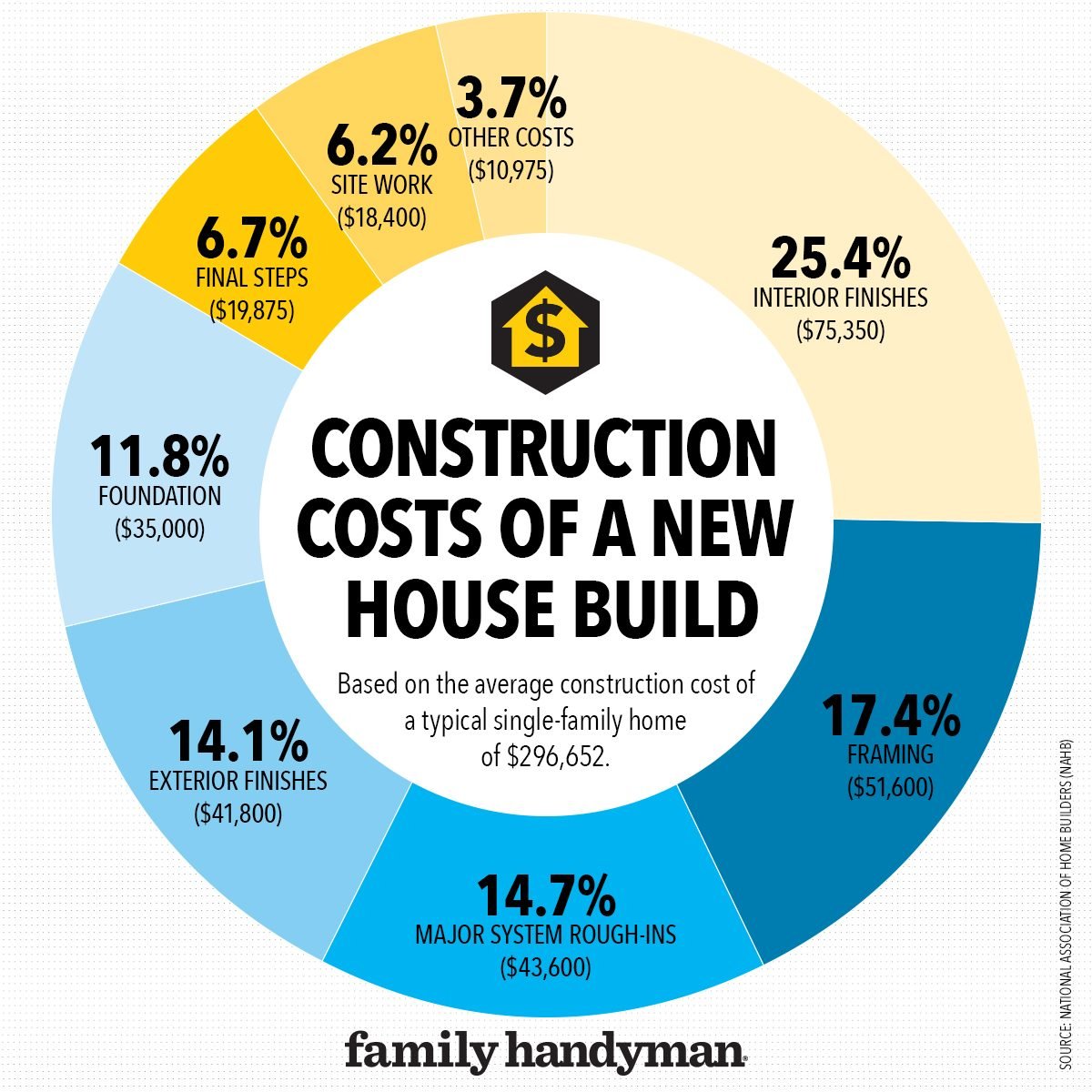
Construction costs include the building process from start to finish. This covers the foundation, walls, roof, and interior work. Complex designs or larger homes increase these expenses. Weather and site conditions can also impact construction costs.
Labor Charges
Labor is a big part of the total cost. Skilled workers like carpenters, electricians, and plumbers charge different rates. Labor costs vary by region and demand. Efficient project management can reduce labor expenses.
Material Costs
Materials make up a large portion of building costs. Prices fluctuate based on quality and availability. Common materials include wood, concrete, steel, and finishes. Choosing budget-friendly options can lower overall expenses.
Permit And Site Work Fees
Permits are required to follow local building rules. Fees vary by city or county. Site work includes clearing, grading, and utility connections. These tasks prepare the land for construction but add to the total cost.
Credit: www.familyhandyman.com
Factors Affecting Costs
Building a house involves many cost factors. Understanding these factors helps in planning a budget. Costs vary widely based on several key elements. Each factor affects the final price differently. Knowing these details makes budgeting easier and more accurate.
Location Impact
Location greatly influences building costs. Urban areas usually have higher prices than rural ones. Land value, labor rates, and permit fees differ by region. Some locations require special construction methods. Weather and local regulations can add to expenses.
House Size And Design
Larger homes cost more due to more materials and labor. Complex designs increase construction time and expenses. Simple shapes are cheaper to build than intricate ones. Open floor plans may reduce some costs but add others. Room count and ceiling height also affect price.
Finish Quality Levels
Basic finishes are affordable but less durable. Mid-range finishes balance cost and quality. High-end finishes greatly increase overall costs. Flooring, cabinets, and countertops vary widely in price. Choosing finishes impacts both budget and home value.
Custom Features
Custom features add unique style but raise costs. Examples include built-in shelves, special lighting, and smart home tech. Pools, decks, and landscaping also increase expenses. Custom plumbing or electrical work costs more than standard. Each special feature requires extra materials and labor.
Market Conditions
Market conditions affect material and labor prices. High demand drives up costs quickly. Supply shortages delay projects and increase prices. Seasonal changes can impact labor availability and rates. Economic factors like inflation also influence building budgets.
Cost Per Square Foot
Calculating the cost per square foot is a simple way to estimate home building expenses. It shows how much money you spend for each square foot of the house. This cost varies widely based on location, materials, and design choices.
Knowing the cost per square foot helps you set a realistic budget. It also allows easy comparison between different home plans or builders.
Average Rates By State
Each state has different construction costs. Coastal states often have higher prices due to labor and material costs. States in the Midwest tend to be cheaper. The average cost per square foot ranges from $100 to $200 in many areas.
States with growing populations may see rising costs. Local building codes and climate also affect prices. Check state averages to plan your budget carefully.
Texas Specifics
Texas has a wide range of building costs. Urban areas like Austin and Dallas usually cost more. Prices often range from $110 to $160 per square foot. Rural Texas offers lower costs, sometimes below $100.
Texas builders face unique challenges like weather and soil types. Material availability also impacts costs. Knowing local trends helps avoid surprises.
Urban Vs Rural Differences
Urban areas have higher land and labor costs. Permits and regulations can add expenses too. Rural areas often have cheaper land and simpler rules. But infrastructure work may increase costs.
Access to materials and skilled workers is easier in cities. Remote locations might require extra transport costs. These factors affect the final cost per square foot.
Luxury Vs Standard Builds
Luxury homes cost more per square foot. High-end materials, custom designs, and advanced systems drive prices up. Standard builds focus on basic materials and simple layouts.
Luxury costs can double or triple standard rates. Careful planning and clear priorities help control costs. Decide what features matter most before starting.
Credit: thebungalowcompany.com
Building Vs Buying
Deciding between building a house and buying one is a big choice. Each option has costs, benefits, and challenges. Understanding these differences helps you make the best decision for your budget and lifestyle.
Cost Comparisons
Building a house usually costs more upfront than buying an existing home. Construction expenses include materials, labor, permits, and land. Buying a home often means paying a set price with fewer unexpected costs. Renovations and repairs on older homes can add to the price over time. Budgeting carefully is key for both choices.
Pros And Cons
Building allows full control over design and layout. You can customize every detail to match your needs. It may take longer and cause stress during construction. Buying is faster and simpler. The home is ready to move in. Older homes may need updates or repairs. Weighing flexibility against convenience is important.
Timeline Considerations
Building a house can take several months to over a year. Delays from weather, permits, or materials are common. Buying a home usually takes a few weeks to a few months. Closing processes and inspections add time. If you need a home quickly, buying might be better. Patience is important if you choose to build.
Quality Differences
Newly built homes often have modern materials and energy-efficient features. You can select high-quality finishes and appliances. Older homes may have charm but also hidden issues like outdated wiring or plumbing. Inspections help identify problems before buying. Building lets you avoid many of these concerns by starting fresh.
Saving Strategies
Building a house requires careful planning to control costs. Saving strategies help reduce expenses without sacrificing quality. Smart choices make a big difference in the total price. Here are key areas to focus on for saving money.
Choosing Materials Wisely
Selecting the right materials can lower your building costs. Opt for durable but affordable options. Consider locally sourced materials to save on transportation fees. Avoid high-end finishes that raise expenses. Simple, quality materials often last longer and cost less.
Labor Cost Management
Labor is a major part of building costs. Hiring skilled workers who work efficiently saves money. Plan the project timeline to avoid delays and extra charges. Sometimes, combining tasks for workers cuts labor hours. Doing small tasks yourself can also reduce labor bills.
Efficient Design Choices
Design impacts the cost of construction greatly. Choose a simple floor plan with fewer corners and angles. A compact design lowers material and labor needs. Open floor plans reduce walls and framing. Energy-efficient designs save money on utilities later.
Financing Options
Choosing the right financing affects overall cost. Compare loan rates and terms to find affordable options. Some loans offer lower interest rates for new builds. Budget carefully to avoid borrowing more than needed. Timely payments keep credit healthy and reduce extra fees.
Estimating Your Budget
Estimating your budget is the first step in building a house. Knowing the costs helps you avoid surprises and plan better. You can use tools and advice to get a clearer picture of the expenses. This section covers simple ways to estimate your building budget.
Using Online Calculators
Online calculators give quick cost estimates based on house size and location. You enter details like square footage and materials. The tool then shows an approximate price range. These calculators are easy and fast to use. They give a starting point for budgeting your project.
Getting Contractor Quotes
Contractors provide detailed quotes after reviewing your plans. They consider labor, materials, and project scope. Getting several quotes helps compare prices and services. Contractors can also explain hidden costs or savings. Their quotes are more accurate than online tools.
Accounting For Unexpected Expenses
Unexpected costs often happen during construction. Examples include weather delays or material price changes. Set aside at least 10% of your budget for surprises. This fund helps cover extra fees without stress. Planning for these expenses keeps your project on track.
Adjusting For Location And Preferences
Costs change based on where you build your house. Urban areas usually have higher labor and permit fees. Your design choices also impact costs. Luxury finishes or custom features increase the budget. Adjust your estimate to fit your location and style needs.
Credit: www.homelight.com
Frequently Asked Questions
Is It Cheaper To Buy Or Build A House?
Building a house usually costs more than buying due to construction, materials, labor, and land expenses. Buying saves time and unexpected fees.
How Much Does It Cost To Build A 2500 Sq Ft House In Texas?
Building a 2500 sq ft house in Texas typically costs between $250,000 and $500,000. Costs vary by location, materials, labor, and land price. Higher-end finishes and city locations increase expenses. Always factor in permits, site work, and utilities for a precise estimate.
How Big Of A House Can I Build For $100,000?
A $100,000 budget can build a 600 to 1,000 square foot home, depending on location and materials. Costs vary by labor, land, and finishes. Choosing basic materials and owning the land can maximize size within this budget.
Can I Build A House For 200k?
Yes, building a house for $200K is possible but depends on location, size, materials, labor, and land costs. Choose basic finishes and smaller layouts to stay within budget.
Conclusion
Building a house involves many costs to consider carefully. Location, materials, and labor all affect the final price. Planning your budget helps avoid surprises during construction. Choosing the right finishes can control expenses. Owning land can reduce overall costs. Understanding these factors makes building clearer and easier.
Take time to research and compare options. This way, you get a home that fits your needs and budget.