Wondering how long to boil potatoes to get them just right? You’re not alone.
Boiling potatoes might seem simple, but getting that perfect texture—fluffy yet firm, not mushy or undercooked—can be tricky. Whether you’re prepping for mashed potatoes, potato salad, or just a tasty side dish, knowing the exact boiling time makes all the difference.
In this guide, you’ll discover easy-to-follow tips and timing secrets that will help you boil potatoes perfectly every time. Ready to take your potato game to the next level? Keep reading and transform your cooking with simple, foolproof steps.
Credit: keytomylime.com
Boiling Basics
Boiling potatoes is a simple task but requires some care to get perfect results. Understanding the basics helps cook potatoes evenly and achieve the right texture. This section covers the key points for boiling potatoes well.
Follow these tips to ensure your potatoes cook through without becoming mushy or underdone. Proper boiling starts with the right potato choice, cutting method, and water temperature.
Choosing Potato Types
Different potatoes suit different dishes. Waxy potatoes hold shape well and are good for salads. Starchy potatoes break down easily and are best for mashing. Medium-starch potatoes work well for boiling and roasting. Pick the type based on your recipe needs.
Cutting For Even Cooking
Cut potatoes into similar-sized pieces. This helps all pieces cook at the same speed. Large chunks take longer to cook, while smaller pieces cook faster. Aim for uniform size to avoid some being overcooked and others undercooked.
Starting With Cold Water
Place potatoes in a pot and cover with cold water. Heating potatoes from cold water allows even cooking inside and out. Adding salt to the water enhances flavor. Bringing water to a boil slowly prevents the outside from overcooking before the inside is done.
Credit: tipbuzz.com
Timing Guide
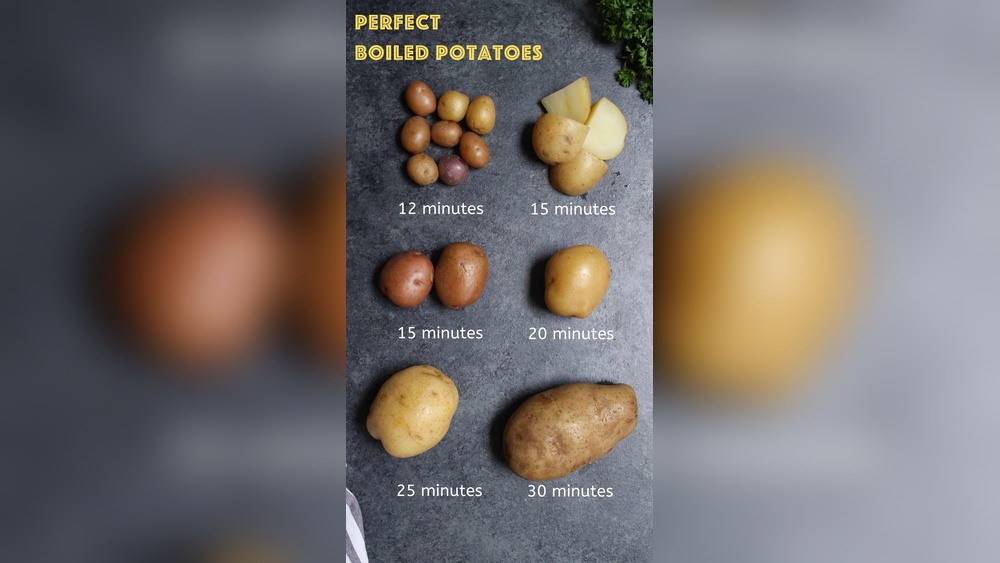
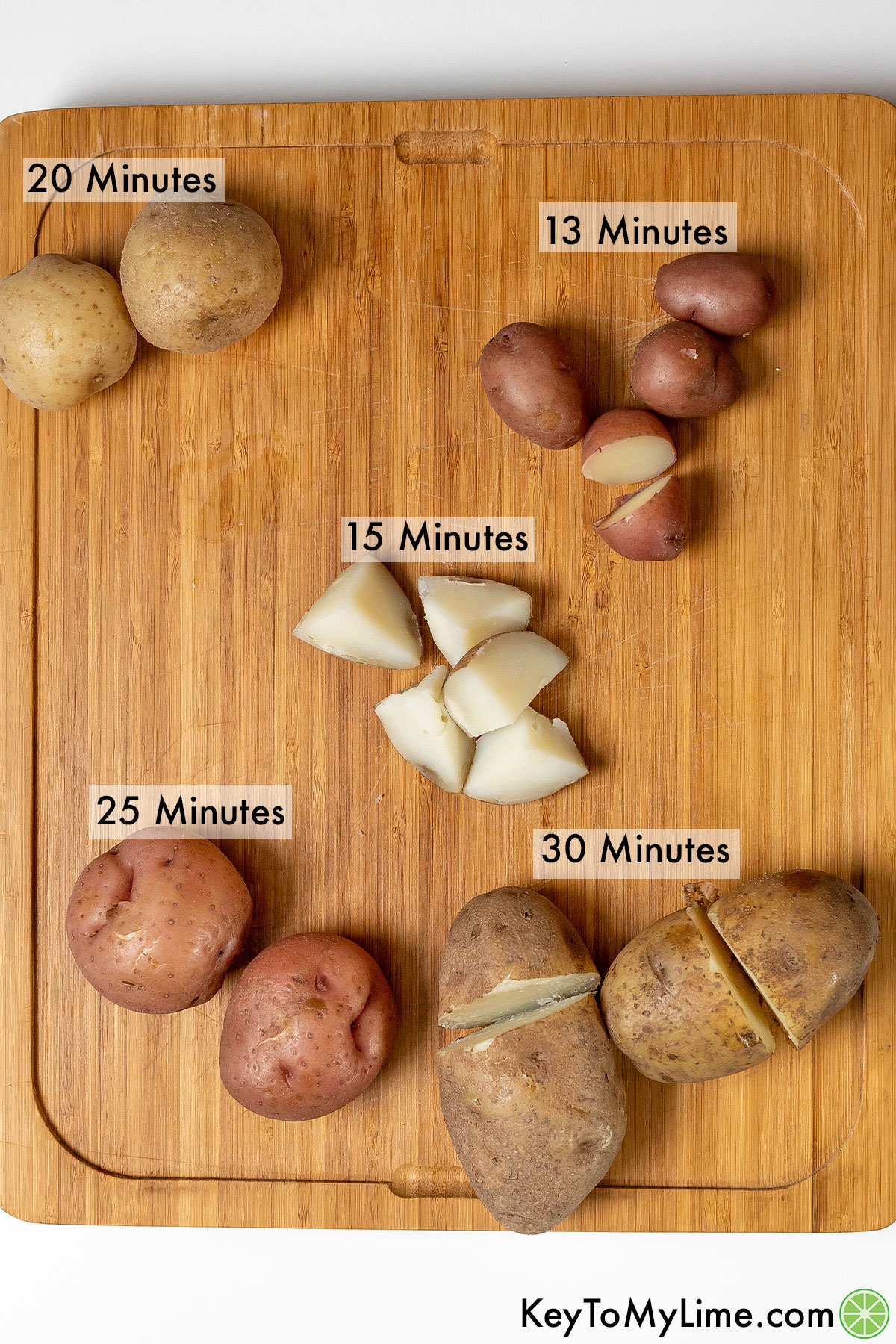
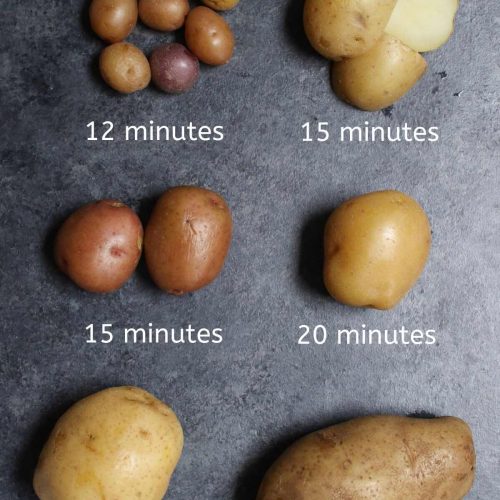
Boiling potatoes is simple, but timing is key for perfect results. Different sizes need different boiling times. This guide helps you know how long to boil potatoes based on their size. Follow these times for tender, fluffy potatoes every time.
Small Potatoes
Small potatoes usually take about 10 to 15 minutes to boil. Check them by piercing with a fork. If it goes in easily, they are done. Small potatoes cook fast and are great for salads or snacks.
Medium Potatoes
Medium potatoes need around 20 to 25 minutes to boil fully. Start timing once the water boils. These potatoes work well for mashing or roasting after boiling. Avoid overcooking to keep their texture firm.
Large Potatoes
Large potatoes take about 30 to 35 minutes to boil. Cut them into halves or quarters to speed up cooking. Large potatoes are perfect for mashed potatoes or heavy dishes. Always test with a fork before draining.
Flavor Tips
Enhancing the flavor of boiled potatoes makes a big difference. Simple steps can turn plain potatoes into a tasty dish. These flavor tips help you add depth and aroma during boiling.
Boiling potatoes with flavor in mind improves the final taste. Two effective ways are salting the water and adding aromatics. Both bring subtle, natural flavors into the potatoes.
Salting The Water
Adding salt to the boiling water seasons potatoes from the inside out. Use about one tablespoon of salt per quart of water. This helps potatoes absorb the salt while cooking. It also enhances their natural taste. Without salt, boiled potatoes can taste bland and flat.
Salted water also raises the boiling point slightly. This means potatoes cook evenly and retain better texture. Don’t wait to add salt until after cooking. Salting the water is the easiest way to boost flavor early.
Adding Aromatics
Adding herbs and spices to the boiling water gives potatoes extra flavor. Common aromatics include garlic cloves, bay leaves, or rosemary sprigs. These infuse the water and potatoes with subtle, pleasant aromas.
Use fresh or dried herbs depending on availability. Crush garlic slightly to release more flavor. Aromatics do not overpower but add a nice background taste. Remove them before serving. This technique makes simple boiled potatoes more exciting.
Credit: www.thekitchn.com
Checking Doneness
Checking the doneness of boiled potatoes is a simple but essential step. It ensures the potatoes are soft enough to eat or use in recipes. Potatoes that are undercooked feel hard and can ruin a dish. Overcooked potatoes break apart and become mushy. Testing doneness helps achieve the perfect texture.
Fork Test
Use a fork to test the potato’s softness. Gently poke the thickest part of the potato. The fork should slide in easily without much force. If the potato feels firm or resists, it needs more boiling time. If the fork goes in smoothly, the potato is done.
Knife Test
Another way to check doneness is with a knife. Insert a small knife into the potato. It should cut through without much pressure. If the knife meets resistance, keep boiling the potatoes. A smooth cut means the potato is tender and ready to serve.
After Boiling
After boiling potatoes, proper handling is key. It affects texture, taste, and your dish’s overall success. Knowing how to drain and cool boiled potatoes ensures they stay perfect for your recipes.
Draining Techniques
Drain potatoes immediately to stop cooking. Use a colander to pour out hot water quickly. Shake gently to remove excess water without breaking potatoes. Avoid letting potatoes sit in water to prevent sogginess. For large batches, drain in small portions for even drying.
Cooling Methods For Salads
For potato salads, cool potatoes fast to keep their shape. Spread them on a baking sheet to air cool. Use cold water to rinse briefly, stopping heat. Avoid soaking too long to keep flavor and texture. Cooling quickly helps potatoes absorb dressing better.
Common Mistakes
Boiling potatoes seems simple, but many make common mistakes. These errors affect taste and texture. Avoid these to get perfectly cooked potatoes every time.
Boiling Too Hard
Boiling potatoes at a high, rolling boil can break them apart. Gentle simmering cooks potatoes evenly without damage. Keep the heat medium-low for best results.
Uneven Potato Sizes
Potatoes of different sizes cook at different rates. Smaller pieces may overcook while larger ones stay hard. Cut potatoes into similar sizes before boiling.
Overcooking
Leaving potatoes in water too long makes them mushy and waterlogged. Check doneness with a fork often. Potatoes should be tender but firm, not falling apart.
Uses For Boiled Potatoes
Boiled potatoes are a versatile kitchen staple. They serve as a base for many delicious recipes. Knowing how to boil them perfectly helps create great dishes. Here are some popular uses for boiled potatoes that you can try at home.
Mashed Potatoes

Boiled potatoes make fluffy mashed potatoes. Use starchy potatoes like Russets for the best texture. Mash them while warm and add butter, milk, and salt. Mix until smooth and creamy. Serve as a side dish with meats or vegetables.
Potato Salad
Chilled boiled potatoes are perfect for potato salad. Cut them into chunks and combine with mayonnaise or vinaigrette. Add ingredients like celery, onions, and herbs for flavor. Potato salad is a popular dish at picnics and barbecues.
Roasting Preparation
Boiling potatoes partially before roasting makes them tender inside. Parboil small potatoes or cut larger ones into pieces. Drain well and let them dry. Then roast with oil and seasonings for crispy, golden potatoes. This method saves cooking time and improves texture.
Frequently Asked Questions
How Long Should You Boil Potatoes?
Boil potatoes for 10-20 minutes, depending on size. Start in cold salted water, simmer gently, and test tenderness with a fork. Drain immediately once soft.
What Is The Trick To Boiling Potatoes?
Start potatoes in cold, salted water for even cooking and flavor. Bring to a boil, then simmer gently. Cook until a fork slides in easily. Drain immediately to avoid sogginess. Cut potatoes uniformly to ensure consistent cooking.
Why Put Salt In Water When Boiling Potatoes?
Adding salt to boiling water seasons potatoes evenly and enhances their natural flavor during cooking. Salt also raises water’s boiling point slightly.
Do You Boil Potatoes Covered Or Uncovered?
Boil potatoes uncovered after bringing water to a boil. This prevents water from boiling over and ensures even cooking.
Conclusion
Boiling potatoes takes just the right time to get perfect results. Small potatoes need about 10-15 minutes, while larger ones take 20-25 minutes. Always start with cold water and add salt to boost flavor. Test with a fork to check softness.
Drain quickly to avoid sogginess. Following these simple steps helps you cook potatoes evenly and deliciously every time. Enjoy your perfectly boiled potatoes in salads, mashed dishes, or as a side. Simple, quick, and tasty—boiling potatoes has never been easier.