Wondering how long it will take you to finish your next game? Whether you’re planning a quick gaming session or a deep dive into a new world, knowing the game’s length can help you manage your time and expectations.
But with so many titles and play styles, it’s easy to feel lost. That’s where “How Long to Beat” comes in—offering you a clear estimate based on real player experiences. You’ll discover how this tool works, why it’s so popular, and how it can make your gaming experience more enjoyable.
Ready to find out how long your next adventure will last? Let’s dive in!

Credit: howlongtobeat.com
Game Completion Time Basics
Understanding game completion times helps set expectations for your play sessions. It gives you a clear idea of how much time a game might take. This knowledge helps in planning your gaming schedule well. Game completion times vary by player style and goals.
Knowing the basics of game completion times makes your gaming experience smoother. It helps avoid surprises about game length. Let’s explore what completion times mean, types of playthroughs, and factors affecting game duration.
What Completion Times Mean
Completion times show the average hours needed to finish a game. They reflect different levels of game completion. These times come from player data and reviews. They give an estimate, not a fixed number. Completion times help compare games before playing.
Types Of Playthroughs
Different playthroughs affect how long a game takes. The main types include:
- Main Story: Just finishing the story missions.
- Main + Extras: Completing story plus some side quests.
- Completionist: Doing everything the game offers.
Each type requires more time than the last. Choose your play style to know which time fits you best.
Factors Influencing Duration
Several factors change how long a game takes to finish. Player skill level affects speed. Some games have complex puzzles or challenges. Exploration and side activities add time. Game difficulty settings can speed up or slow down play. Multiplayer modes or updates may also change playtime.

Credit: www.dualshockers.com
Using Howlongtobeat.com
Using HowLongToBeat.com helps gamers plan their playtime wisely. The site offers clear data on how long games take to finish. It is useful for choosing new games or managing your backlog. Understanding the site’s features makes your experience smooth and effective.
Navigating The Website
The homepage shows a search bar to find any game quickly. You can enter the game’s name and press search. The results list games with similar titles for you to pick. Each game has a dedicated page with detailed time estimates. Menus at the top let you explore by genre or popularity. The layout is simple and easy to understand.
Interpreting Game Stats
Each game page displays several time categories. “Main Story” shows how long to complete the core game. “Main + Extras” includes side quests and bonus content. “Completionist” covers everything needed to fully finish the game. User-submitted times are averaged for accuracy. You see the number of players who contributed times too. This helps you trust the data shown.
Filtering By Genre And Playstyle
You can filter games by genre like action, adventure, or RPG. This narrows down your choices based on what you like. Playstyle filters let you select based on how you play. For example, speedrunners or casual players have different time estimates. This makes it easier to find games that fit your pace. Filters keep browsing focused and efficient.
Accuracy And User Reports
Accuracy in game length estimates depends on user reports. How Long to Beat collects times from players worldwide. These reports help create an average playtime. The data shows realistic expectations for each game. User input reflects different play styles and speeds. This variety affects the accuracy of reported times. Understanding the source of these times helps trust the estimates.
Community Time Submissions
Players submit their game completion times to the site. Each submission adds to the overall data pool. Times vary based on player skill and approach. Some players rush through the story. Others explore every side quest and secret. The community’s collective input balances these differences. This makes the average time more reliable.
Common Variations In Playtime
Playtime can differ due to game difficulty and player goals. Casual players may take longer to finish. Speedrunners try to complete games quickly. Completionists spend extra hours unlocking all content. These variations create a wide range of times. How Long to Beat groups these into categories. This helps users find times that match their style.
Comparing Personal Times
Users compare their own times to the community average. This shows if they play faster or slower than most. It also highlights differences in game experience. Some may replay games multiple times. Others only play once to finish the story. Personal times add value to the site’s data. They help improve accuracy for future users.

Credit: www.reddit.com
Popular Features And Tools
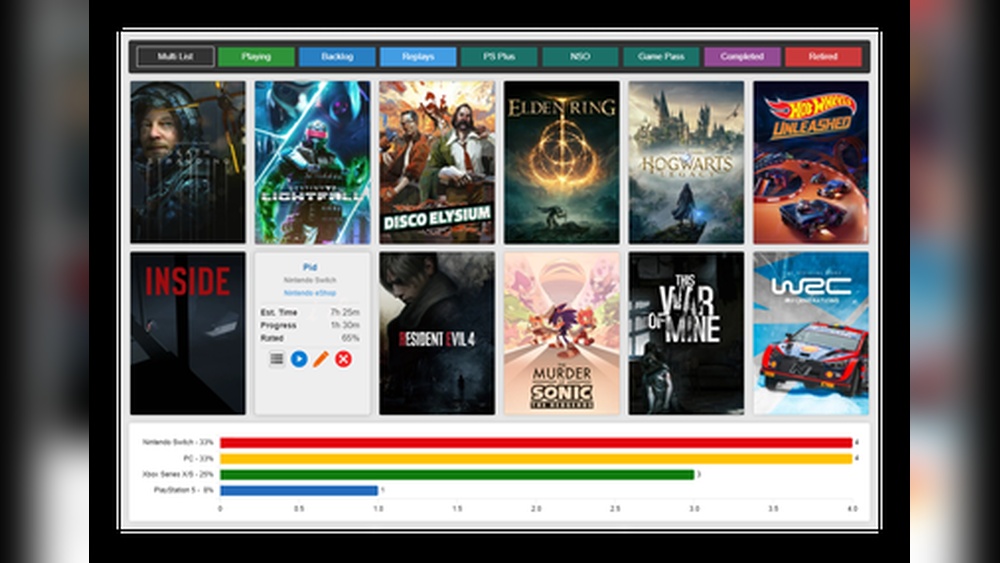
How Long to Beat offers several popular features and tools that help gamers track and manage their gameplay. These tools make it simple to organize your game list and understand how much time each game requires. They also enhance the overall user experience.
Each feature serves a unique purpose, helping players stay on top of their gaming goals. From managing backlogs to integrating with platforms like Steam, these tools add real value.
Backlog Management
Backlog management helps players keep track of games they own but have not finished. Users can add games to their backlog and mark progress as they play. This tool shows how long games typically take, making it easier to plan gaming sessions. It also allows sorting by game length or completion status.
Mobile App Functionality
The mobile app lets users access How Long to Beat on the go. It offers all core features found on the website, including search and backlog tracking. The app is easy to use and keeps your game data synced across devices. Notifications remind you about unfinished games or new updates.
Steam Integration
Steam integration connects your How Long to Beat account with your Steam library. This feature imports your owned and played games automatically. It compares your playtime with average completion times from the community. Steam integration helps identify which games to prioritize and which ones to revisit.
Top Longest And Shortest Games
Understanding the length of video games helps players plan their gaming time. Some games offer long, immersive experiences. Others provide quick entertainment in just a few hours. This section explores both extremes in game completion times.
Games With Extensive Completion Times
Some games take a very long time to finish. Role-playing games often fall into this category. Titles like “The Witcher 3” or “Elder Scrolls V: Skyrim” can take over 50 hours to complete. These games feature vast worlds and many side quests. Players spend hours exploring and developing their characters. This makes them favorites for those who enjoy deep stories and complex gameplay.
Quick Playthrough Titles
Not all games require a big time commitment. Some can be finished in just a few hours. Indie games and puzzle games often have shorter playtimes. Examples include “Journey” and “Firewatch,” which take about 3 to 5 hours to complete. These games focus on delivering a concise and impactful experience. They are perfect for players with limited time.
Completionist Challenges
Completionist players enjoy fully finishing a game. This means doing all side quests, collecting all items, and unlocking every achievement. Completion times can be much longer than just beating the main story. Games like “Dark Souls” or “The Legend of Zelda: Breath of the Wild” offer huge challenges for completionists. These players often spend 100+ hours on a single game. It shows the difference between just finishing and completing a game fully.
Tips For Managing Game Time
Managing your game time helps you enjoy gaming without stress. It keeps your play sessions fun and fits well with daily life. Use simple strategies to control how much time you spend on games. These tips help you stay organized and feel good about your progress.
Setting Realistic Goals
Start by choosing clear and simple goals. Decide how many hours you want to play each day or week. Avoid setting too high goals that seem hard to reach. Small goals keep you motivated and make gaming feel rewarding. Adjust your goals based on how much free time you have.
Balancing Completion Styles
Games have many ways to finish. Some players like to just complete the main story. Others enjoy finding every secret and side quest. Pick a style that fits your mood and time. Mixing styles helps prevent boredom and keeps gaming fresh. Play at your own pace without rushing.
Tracking Progress Effectively
Keep track of your game time and achievements. Use apps or simple notes to record how long you play. Seeing progress motivates you to keep going. Check websites like How Long to Beat for average game times. This helps set expectations and plan your play sessions better.
Frequently Asked Questions
What Is How Long To Beat?
How Long to Beat is a website that estimates game completion times. It helps gamers plan by showing average durations for various playstyles.
How Accurate Is How Long To Beat Data?
The data is user-submitted and generally reliable. Accuracy depends on the number of entries and player honesty.
Can How Long To Beat Track Different Playstyles?
Yes, it categorizes times by main story, completionist, and speedrun styles. This helps players choose based on their gaming preferences.
Is How Long To Beat Useful For Game Backlog Management?
Absolutely. It helps gamers prioritize and manage their backlog by showing estimated time commitments for each game.
Conclusion
Knowing how long to beat a game helps plan your gaming time well. Everyone plays at a different speed, so times may vary. Use reliable sources to get a good estimate. This way, you can enjoy your games without rushing.
Keep track of your progress and have fun playing!