Have you ever wondered just how long it takes for your hair to grow one inch? Whether you’re aiming for longer locks or simply curious about your hair’s natural pace, understanding the timeline can help you set realistic expectations and better care for your hair.
You might be surprised to learn that while average growth rates give a general idea, several factors unique to you—like genetics, diet, and stress—play a huge role in how quickly your hair grows. Keep reading to discover what influences your hair growth, how you can support it, and whether it’s possible to speed up the process.
Your journey to healthier, longer hair starts here!

Credit: vinhairvn.com
Average Growth Rate
Understanding the average growth rate of hair helps set realistic expectations. Hair does not grow at the same speed for everyone. Many factors influence how quickly hair length increases. On average, hair grows about half an inch per month. This means it usually takes around two months to grow one inch. This rate can vary depending on health, genetics, and hair care habits.
Monthly Growth Expectations
Most people see hair growth close to half an inch each month. This amount adds up to about six inches per year. Some months may show faster growth, while others may slow down. Seasonal changes and age can also affect growth. Younger people tend to have quicker hair growth than older adults. Regular care and good nutrition support steady monthly growth.
Variations In Growth Speed
Hair growth speed varies from person to person. Genetics play a major role in setting your natural growth rate. Ethnicity also influences how fast hair grows. For example, Asian hair often grows faster than African hair. Health conditions, stress, and diet can slow down or speed up growth. Proper scalp care and gentle styling reduce breakage, helping hair appear longer.
Growth Differences By Ethnicity
Hair growth speed varies among different ethnic groups. This difference is due to genetics, hair structure, and environmental factors. Understanding these variations helps set realistic expectations for hair care and growth goals. Each ethnicity has unique hair characteristics that affect how quickly hair grows and how it retains length.
Fastest Growing Hair Types
Asian hair generally grows the fastest. It often grows about 0.5 inches or more per month. This hair type has a rounder cross-section, which contributes to its strength and smooth texture. Strong hair strands tend to break less, allowing for better length retention. This helps the hair appear to grow longer over time.
Comparing Growth Rates
Caucasian hair grows at a moderate rate, usually around 0.4 to 0.5 inches per month. African hair grows the slowest, often less than 0.4 inches per month. Its curly or coiled structure makes it prone to breakage. This breakage can slow the visible growth of hair length. Each hair type needs different care to support healthy growth.
Key Factors Affecting Growth
Hair growth speed varies from person to person. Several key factors affect how fast hair grows. Understanding these can help you manage expectations and care routines. These factors include genetics, diet, stress, and hair care habits. Each plays a unique role in hair health and growth rate.
Genetics And Hair Type
Genetics largely determine your hair growth rate. Some people naturally grow hair faster than others. Hair type also influences growth speed. For example, straight hair often appears to grow faster than curly hair. Ethnicity affects growth too, with Asian hair generally growing the fastest.
Nutrition And Diet
Nutrition impacts hair growth significantly. Hair needs vitamins and minerals to stay healthy and grow. Protein, iron, zinc, and vitamins A, C, D, and E are essential. A poor diet can slow growth and cause hair loss. Eating balanced meals supports stronger, faster-growing hair.
Stress And Overall Health
Stress can slow down hair growth or cause hair loss. High stress levels disrupt the hair growth cycle. Illness and medical conditions also affect growth. Good overall health promotes steady hair growth. Managing stress and staying healthy help maintain hair length.
Hair Care Habits
How you care for your hair impacts growth. Gentle handling prevents breakage and keeps hair longer. Regular scalp cleaning and moisturizing nourish hair follicles. Avoiding harsh chemicals and heat protects hair health. A good hair care routine supports natural growth.
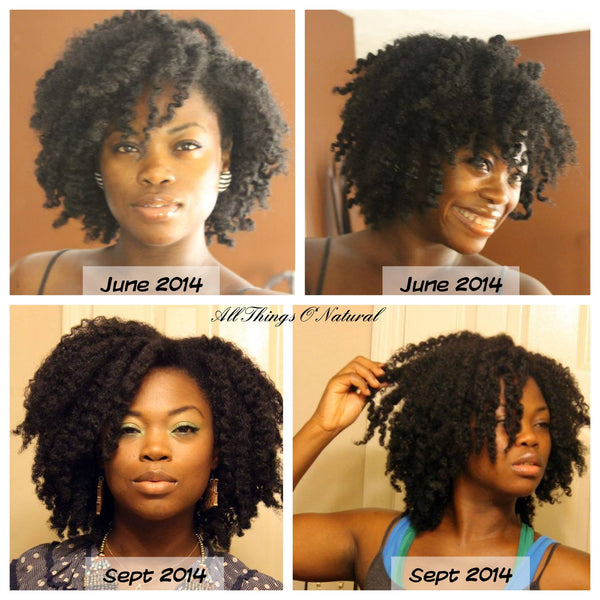
Credit: www.nattynaturals.com
Optimizing Hair Growth
Optimizing hair growth means creating the best conditions for your hair to grow strong and healthy. Hair grows about half an inch each month on average. You can support this natural process by focusing on your diet, scalp care, hair routines, and stress levels. Each factor plays a key role in how well your hair grows and stays healthy.
Balanced Diet Essentials
Your hair needs nutrients to grow well. Eat foods rich in vitamins A, C, D, and E. Protein is crucial as hair is mostly made of protein. Iron and zinc also help keep hair strong. Drink plenty of water to stay hydrated. A balanced diet supports healthy hair growth from the inside out.
Scalp Care Techniques
A healthy scalp creates the best environment for hair growth. Massage your scalp gently to increase blood flow. Use mild shampoos to keep the scalp clean but not dry. Avoid harsh chemicals that can damage hair roots. Keeping your scalp clean and nourished helps hair grow faster and reduces breakage.
Gentle Hair Routines
Handle your hair with care every day. Avoid tight hairstyles that pull on your scalp. Use a wide-tooth comb to detangle wet hair gently. Limit heat styling tools like straighteners and curling irons. Choose sulfate-free shampoos and conditioners to protect your hair’s natural oils. Gentle routines reduce damage and help retain hair length.
Stress Management Tips
Stress can slow down hair growth and cause hair loss. Find ways to relax, such as deep breathing or meditation. Exercise regularly to improve blood circulation. Get enough sleep each night to help your body recover. Managing stress supports healthy hair growth and overall well-being.
Limitations Of Growth Acceleration
Hair growth speed varies for many reasons. Many people want to speed it up. Yet, natural limits often restrict how fast hair grows. Understanding these limits helps set realistic goals.
Growth acceleration methods may help, but only to a degree. Some factors like genetics and health play stronger roles. Not all products or tips work as promised.
Role Of Genetics
Genetics largely controls hair growth speed. Some people naturally grow hair faster than others. Genes influence hair follicle size and growth cycles. These factors set the baseline for growth. No product can fully overcome genetic limits.
Effectiveness Of Supplements
Supplements can support hair health and growth. Vitamins like biotin, vitamin D, and iron help. Yet, they only work if you have a deficiency. Taking extra supplements will not speed growth beyond normal rates. Balanced nutrition is more important than high doses.
Debunking Growth Myths
Many myths claim hair can grow inches overnight. Scalp massages or special shampoos promise fast results. These methods improve scalp health but do not speed growth much. Hair grows from follicles below the scalp, which takes time. Patience and care beat quick fixes.
Hair Growth Cycles
Hair grows in a natural cycle made up of different phases. Each phase controls how long and thick hair strands become. Understanding these phases helps explain how long it takes hair to grow one inch. The hair growth cycle has three main parts: anagen, catagen, and telogen. Each phase affects hair growth in a unique way.
Anagen
The anagen phase is the active growth stage. Hair cells divide quickly, making hair grow longer. This phase can last from two to seven years. The longer the anagen phase, the longer hair can grow. Most scalp hairs are in this phase at any time. Healthy habits can support a strong anagen phase.
Catagen
The catagen phase is a short transition period. It lasts about two to three weeks. During catagen, hair growth stops, and the follicle shrinks. The hair strand detaches from the blood supply. This phase prepares the hair for resting before it falls out.
Telogen Phases
The telogen phase is the resting stage. It lasts around three months. Hair does not grow but stays attached to the follicle. After telogen, the old hair falls out, making room for new growth. About 10 to 15 percent of hairs are in this phase at once.
Impact On Length And Thickness
Hair length depends mostly on the anagen phase length. A longer anagen phase means longer hair strands. Thickness depends on follicle size and health. Healthy follicles produce thicker hair. Damage, poor nutrition, or stress can shorten anagen and thin hair. Proper care helps keep hair growing strong and thick.
Common Questions On Hair Growth
Many people wonder about the details of hair growth. Questions often arise about how fast hair grows and how to track its progress. Understanding common concerns helps clear up confusion. This section answers popular questions about hair growth.
Can Hair Grow Faster Than Average?
Hair usually grows about half an inch per month. Some people may see slightly faster growth. Factors like genetics and health affect speed. Eating well and reducing stress can help. But growth faster than one inch per month is rare.
Is Overnight Growth Possible?
Hair does not grow noticeably overnight. Growth happens in cycles and takes time. You might feel your hair looks longer after styling. That is not actual growth but a change in shape. Patience is key when watching hair grow.
How To Measure Growth Accurately
Use a ruler or measuring tape to check length. Measure the same spot each time for accuracy. Take photos regularly to see progress over weeks. Avoid measuring right after trimming or styling. Tracking growth every few weeks gives best results.

Credit: www.youtube.com
Frequently Asked Questions
Can Hair Grow 1 Inch A Month?
Hair typically grows about half an inch per month. Growing a full inch monthly is rare and depends on genetics, health, and care.
What Is The Fastest Hair Can Grow?
Hair typically grows about half an inch (1. 25 cm) per month. Some people, especially with Asian hair, may grow slightly faster. Genetics largely determine maximum growth speed. Good nutrition and scalp care support healthy growth but rarely exceed natural limits.
What Is The 3 Inch Rule For Hair?
The 3 inch rule for hair means trimming hair every three inches to maintain healthy ends and prevent split ends. This helps keep hair looking neat and promotes overall hair health by reducing breakage. Regular trims support consistent growth and a polished appearance.
How Long Is The Awkward Stage For Hair?
The awkward hair stage typically lasts 2 to 6 months. It varies by hair type and growth rate. Patience and proper care help manage it.
Conclusion
Hair typically grows about half an inch per month. Genetics and health affect this speed a lot. Eating well and caring for your scalp helps hair grow strong. Stress and poor health can slow growth down. Patience and gentle hair care make a big difference.
Track your progress and adjust habits if needed. Remember, small steps add up over time. Your hair’s growth depends on many simple daily choices.