You rely on your water heater every single day, but have you ever stopped to wonder how long it should actually last? Knowing the lifespan of your water heater is crucial—it helps you avoid unexpected cold showers, costly repairs, and emergency replacements.
If you’re like most homeowners, you want clear answers and practical tips to keep your system running smoothly. You’ll discover exactly how long a water heater lasts, the signs it’s time to replace it, and what you can do to extend its life.
Keep reading to protect your comfort and save money before problems catch you off guard.
Water Heater Lifespan Basics
Understanding the basics of water heater lifespan helps homeowners plan better. Water heaters do not last forever. Knowing their typical life span aids in timely maintenance and replacement. This knowledge prevents unexpected cold showers and costly repairs. The type of water heater plays a key role in how long it lasts.
Average Lifespan Of Tank Water Heaters
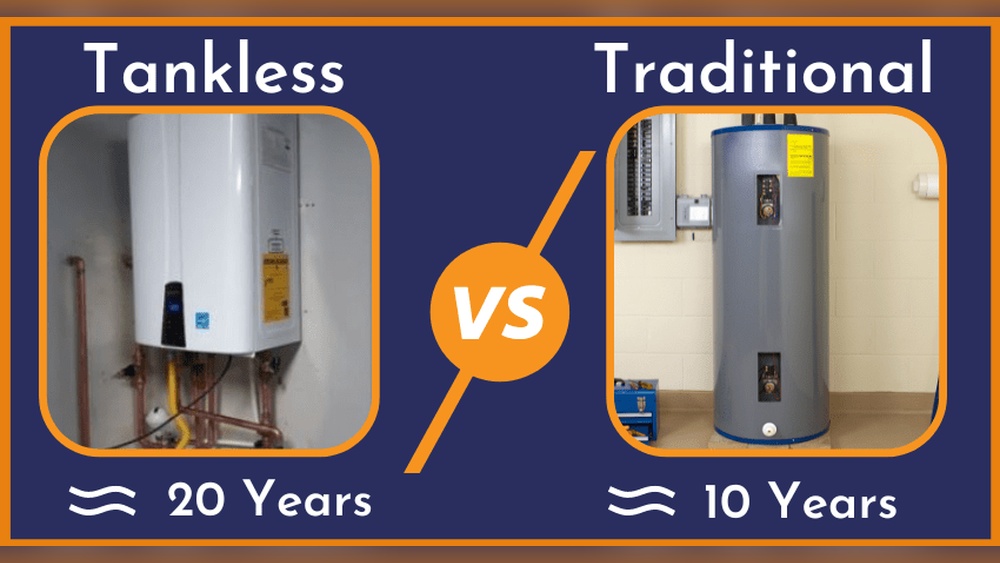
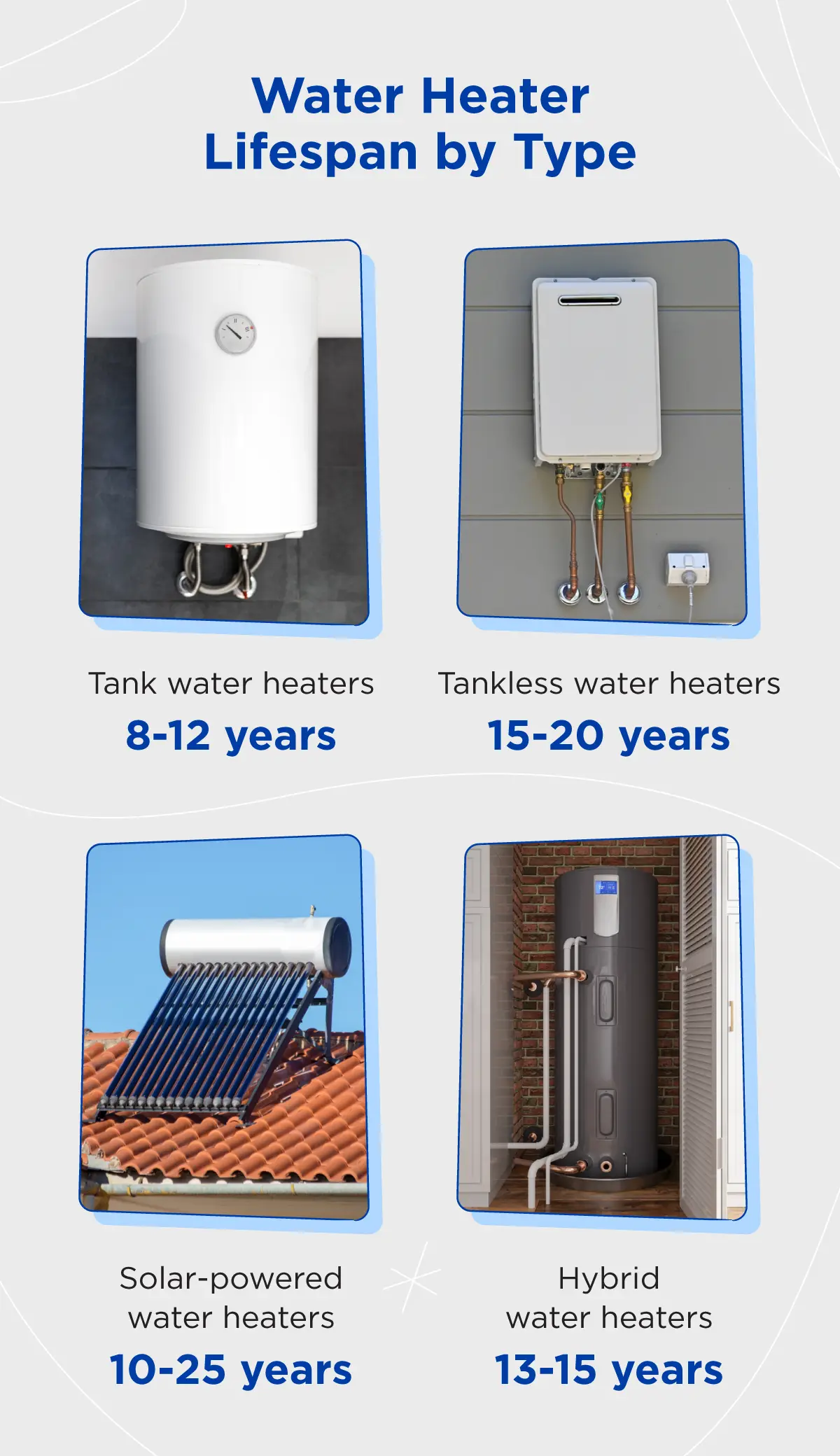
Tank water heaters usually last between 8 and 12 years. The lifespan depends on the brand and how well it is maintained. These heaters store hot water in a large tank. Over time, sediment builds up, which can reduce efficiency. Regular flushing can extend the heater’s life. Rust and leaks often signal the end of a tank heater’s life.
Durability Of Tankless Water Heaters
Tankless water heaters last longer, often 20 years or more. They heat water on demand without storing it. This reduces the risk of sediment buildup and corrosion. Tankless heaters need regular maintenance, such as descaling. Their parts tend to wear slower than tank units. Proper care keeps these units running efficiently for many years.
Factors Influencing Longevity
Water quality affects how long a heater lasts. Hard water causes mineral buildup inside tanks and pipes. Installation quality also impacts lifespan. Poor installation can lead to leaks and early failure. Regular maintenance is crucial for both tank and tankless heaters. Temperature settings influence wear; higher heat causes more strain. Finally, usage frequency plays a role in how quickly a heater wears out.

Credit: lenoxplumbing.com
Signs Of A Failing Water Heater
Recognizing the signs of a failing water heater can save you from unexpected cold showers and costly repairs. Early detection helps you plan for a replacement or professional service. Watch for these common symptoms that signal your water heater may be nearing the end of its life.
Leaks And Water Puddles
Water pooling around the base of your heater often means a leak. This can come from the tank itself or nearby valves. Leaks usually indicate serious problems that need immediate attention. Ignoring leaks can cause water damage to your home.
Rusty Or Discolored Water
Rusty or brown water coming from your hot water taps shows internal corrosion. This happens when the tank starts to deteriorate on the inside. Discolored water is a clear warning that your heater needs to be checked or replaced soon.
Unusual Noises And Sounds
Hearing banging, popping, or rumbling noises from your water heater is a bad sign. Sediment builds up inside and causes these sounds. This buildup can damage the tank and reduce heating efficiency over time.
Reduced Hot Water Supply
Less hot water or water that quickly turns cold means your heater is losing capacity. Failing parts like the heating element or thermostat might be to blame. This issue often gets worse before the heater stops working completely.
Visible Corrosion On Tank
Rust or corrosion on the outside of your tank shows wear and tear. Corroded pipes or fittings can also cause leaks. Visible corrosion is a strong indicator that your water heater is near the end of its service life.
When To Repair Or Replace
Deciding whether to repair or replace your water heater depends on several factors. Understanding these can save money and prevent unexpected failures. Some issues are simple fixes, while others indicate the need for a new unit.
Knowing when to act helps maintain comfort and avoid costly damage. This section explains common repair scenarios, signs for replacement, and cost-benefit considerations.
Common Repair Scenarios
Leaks from valves or fittings can often be repaired. Sediment buildup causes noises but may clear with flushing. A faulty thermostat or heating element usually needs replacement but not the whole heater. Pilot light or ignition problems are common and often fixed quickly. Minor corrosion on pipes or connections can be treated without full replacement.
Replacement Triggers
Persistent leaks from the tank indicate serious damage. Rusty or discolored water signals internal corrosion. Age over 10-15 years means parts may fail soon. Frequent repairs increase total costs beyond replacement price. Inconsistent or insufficient hot water suggests failing components. Visible tank rust or cracks requires immediate replacement for safety.
Cost-benefit Considerations
Repair costs vary by problem but usually range from $100 to $500. New water heaters cost $800 to $1500 or more. Frequent repairs add up and reduce reliability. New models offer better energy efficiency and warranties. Consider repair if the heater is young and damage is minor. Replace if the unit is old or repairs are frequent and costly.
Credit: teamaustin.com
How To Check Your Water Heater
Checking your water heater helps you know its condition and avoid sudden failures. Simple inspections can reveal problems early. You can learn if it needs repair or replacement. Regular checks keep your hot water flowing without interruption.
Finding The Water Heater’s Age
Look for the manufacturer’s label on the tank. It often shows a date or a serial number. The serial number usually includes the year and month made. Use this to find out how old your heater is. Older units may need more attention or replacement soon.
Inspecting For Leaks
Check around the base and connections for water. Any puddles or wet spots mean a leak. Leaks can cause damage and lower efficiency. Tighten loose connections or call a professional if leaks persist. Regular leak checks prevent big problems later.
Listening For Noises
Turn on the water heater and listen closely. Rumbling, banging, or popping sounds are signs of sediment build-up. Sediment can reduce heating efficiency and damage the tank. Flushing the tank can remove sediment and stop noises. Noises mean it’s time for maintenance.
Assessing Water Quality
Watch the water color and smell when using hot water. Rusty or cloudy water signals corrosion inside the tank. A strange smell may mean bacteria growth. Both issues can harm your health and heater lifespan. Consider flushing or replacing the water heater if water quality is poor.
Tips To Extend Water Heater Life
Extending the life of a water heater saves money and prevents sudden breakdowns. Simple care routines can keep your heater running longer. These tips help maintain efficiency and avoid costly repairs.
Regular Maintenance Practices
Check your water heater at least once a year. Look for leaks or rust on the tank and pipes. Tighten any loose connections. Clean dust from vents and the surrounding area. Keeping the unit clean reduces wear and tear.
Flushing Sediment Build-up
Drain your water heater annually to remove sediment. Sediment settles at the bottom and causes damage. Use a hose to flush out the tank. This prevents corrosion and improves heating efficiency. Flushing extends the tank’s life significantly.
Temperature Settings
Set your water heater temperature to 120°F (49°C). Higher temperatures cause faster wear and increase energy bills. Lower settings prevent overheating and reduce sediment buildup. Safe temperatures protect your heater and your family.
Professional Inspections
Hire a professional to inspect your water heater every year. Experts spot hidden problems early. They check the anode rod, valves, and thermostat. Timely repairs avoid major failures. Professional care keeps your water heater reliable and safe.
Choosing A New Water Heater
Choosing a new water heater is an important decision for any home. It affects comfort, energy use, and monthly bills. Understanding your options helps you pick the best fit. Consider your home’s needs and budget before buying. This guide covers key points to help you decide.
Tank Vs Tankless Options
Traditional tank water heaters store hot water in a large tank. They are usually less expensive upfront. Tankless models heat water only when needed. This saves space and energy. Tankless units last longer but cost more at purchase. Choose tank if you want lower initial cost. Pick tankless for endless hot water and energy savings.
Energy Efficiency Considerations
Energy-efficient water heaters reduce utility bills. Look for models with high Energy Factor (EF) ratings. Tankless heaters generally use less energy than tanks. New tanks have better insulation than older models. Heat pump water heaters use electricity smartly to save energy. Energy efficiency saves money and helps the environment.
Sizing And Capacity
Size matters for water heaters. Too small means running out of hot water fast. Too large wastes energy and space. For tanks, pick capacity based on household size. For tankless, check flow rate in gallons per minute (GPM). Match heater size to peak water use times. Proper sizing ensures comfort and saves energy.
Installation Costs
Installation costs vary by type and complexity. Tank water heaters usually cost less to install. Tankless units need special venting and gas lines. Installation may take longer for tankless models. Some homes need upgrades to handle new heaters. Factor installation expenses into your budget for a smooth setup.
Credit: www.mrrooter.com
Frequently Asked Questions
How Do You Know When A Hot Water Heater Needs To Be Replaced?
Replace your hot water heater if it leaks, produces rusty water, makes loud noises, or delivers insufficient hot water. Check its age; most last 8-12 years. Frequent repairs also indicate replacement is more cost-effective and ensures better efficiency and reliability.
How Much Does A New 40-gallon Water Heater Cost?
A new 40-gallon water heater typically costs between $400 and $1,200, depending on brand and features. Installation fees may add $300 to $600.
What Are The Signs That Your Water Heater Is Going Out?
Signs your water heater is failing include leaks, rusty or discolored water, strange noises, insufficient hot water, and visible corrosion. Frequent repairs and age over 10-15 years also indicate replacement needs.
Do Water Heaters Last 20 Years?
Water heaters typically last 8 to 12 years. Some high-quality models may reach 20 years with proper maintenance. Replace if leaking, rusty, noisy, or inefficient.
Conclusion
A water heater usually lasts 8 to 12 years. Regular maintenance helps extend its life. Watch for leaks, noises, or rusty water. These signs mean you may need repair or replacement. Knowing your heater’s age guides smart decisions. Replacing an old heater improves energy efficiency and comfort.
Stay alert to small problems before they grow. A well-kept water heater saves money and stress. Keep your home warm with a reliable water heater.