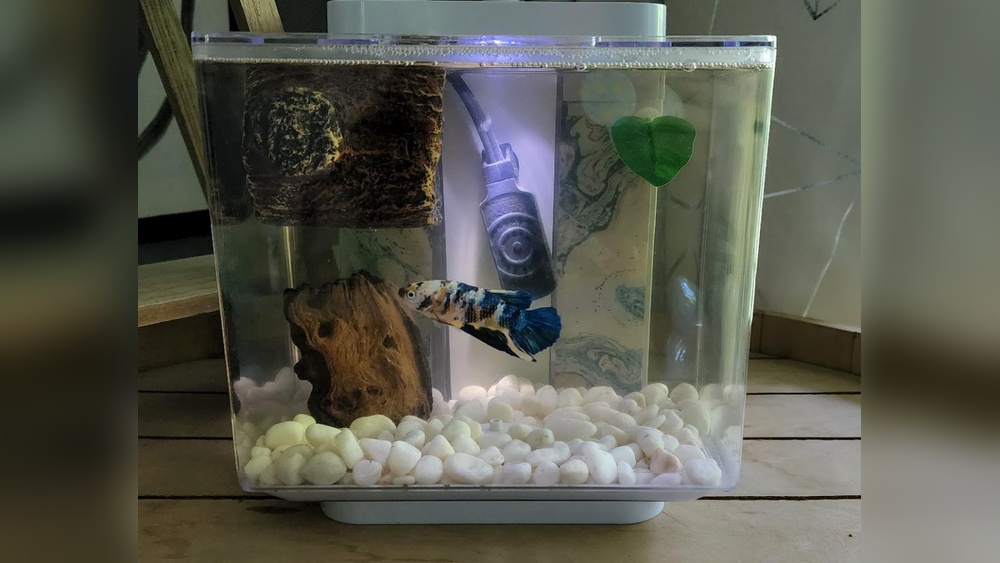
If you’ve ever wondered how long your betta fish can live in a small tank, you’re not alone. Many betta owners start with a tiny bowl or small aquarium, thinking it’s enough for their colorful friend.
But the truth is, the size of your betta’s home plays a huge role in its lifespan. You want your betta to thrive, not just survive, right? You’ll discover why small tanks can shorten your betta’s life, what signs show a happy and healthy fish, and how to create the best environment to help your betta live longer and stronger.
Keep reading to make sure your betta gets the care it truly deserves!
Betta Fish Lifespan In Small Tanks
Betta fish are popular pets due to their bright colors and easy care. Their lifespan depends greatly on the tank size and conditions. Small tanks often limit how long bettas live. Understanding these effects helps owners provide better care and improve their fish’s life.
Average Lifespan Expectancy
In a small tank, bettas usually live 1 to 2 years. This is shorter than the 3 to 5 years seen in larger, well-maintained tanks. Some bettas may live longer with excellent care, but small tanks often reduce their lifespan.
Impact Of Tank Size On Longevity
Small tanks hold less water, which causes toxins to build up quickly. Poor water quality stresses bettas and weakens their immune system. Limited space stops bettas from swimming freely, causing boredom and stress. Stress lowers their health and shortens life. Larger tanks with heaters and filters improve water quality and comfort. This helps bettas stay healthy and live longer.
Challenges Of Small Tank Living
Keeping a betta fish in a small tank creates several challenges that affect its health. Small tanks have limits that can harm the fish over time. These problems reduce the betta’s lifespan and lower its quality of life. Understanding these challenges helps owners provide better care.
Poor Water Quality And Toxin Buildup
Small tanks hold less water, so waste builds up fast. Toxins like ammonia and nitrites rise quickly. These poisons stress the betta and damage its gills and skin. Without frequent cleaning, water quality worsens and can cause illness or death.
Filters are often missing in tiny tanks, making water changes critical. Even then, it is hard to keep the water stable. Poor water quality is the main reason bettas live shorter in small bowls.
Stress From Limited Space
Betta fish need space to swim and explore. Small tanks confine them, causing stress and boredom. Stress weakens the immune system. This makes bettas more prone to infections and diseases. Stress also affects their behavior, making them less active and dull in color.
Stress from crowding lowers their lifespan. Providing enough space helps keep bettas calm and healthy.
Inadequate Swimming Room
Bettas are active swimmers. They need room to move freely and exercise. Small tanks limit their swimming area. This lack of exercise can cause muscle weakness and poor health. It also stops them from showing natural behaviors like flaring fins or building bubble nests.
Without enough space, bettas become lazy and less vibrant. A larger tank allows them to thrive and live longer.
Creating Ideal Conditions
Creating ideal conditions is key to extending a betta fish’s life in a small tank. Bettas need more than just water to thrive. Proper care helps reduce stress and illness. Small tanks can be challenging, but the right setup makes a difference. Focus on tank size, temperature, filtration, diet, and water quality. Each factor plays a role in keeping your betta healthy and happy.
Recommended Tank Size
Small tanks often limit a betta’s growth and activity. A minimum of 5 gallons is best for one betta. This size offers enough space to swim freely. It also helps dilute toxins and waste. Larger tanks stabilize water conditions better. Even in small spaces, aim for at least 5 gallons to support a longer life.
Importance Of Heating And Filtration
Betta fish are tropical and need warm water. Keep the tank temperature between 76°F and 82°F. Use a reliable heater to maintain this range. Filtration removes harmful waste and keeps water clean. A gentle filter avoids strong currents that stress bettas. Together, heating and filtration create a stable and healthy environment.
Balanced Diet And Regular Water Changes
A balanced diet boosts a betta’s immune system. Feed high-quality pellets or flakes made for bettas. Include occasional treats like frozen or live foods. Avoid overfeeding to prevent water pollution. Change 20-30% of the water weekly to remove toxins. Clean water and good nutrition help your betta stay strong and live longer.
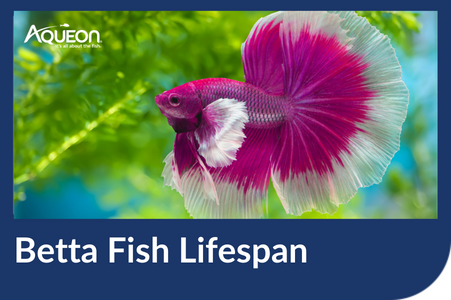
Credit: www.aqueon.com
Signs Of A Happy Betta
Betta fish show clear signs when they feel good in their tank. A happy betta is lively and looks bright. Their behavior and appearance tell a lot about their well-being. Recognizing these signs helps you ensure a longer, healthier life for your betta.
Watching your betta daily will help you notice these positive signs easily. They enjoy exploring and reacting to their environment. These small actions mean your betta feels safe and comfortable.
Active And Exploratory Behavior
A happy betta swims around its tank actively. It explores plants, decorations, and corners with interest. It does not hide or stay still for long periods. Energetic swimming and curiosity show the fish is content and healthy.
Bright Colors And Full Fins
Healthy bettas display vivid colors and smooth, full fins. Dull colors or torn fins often signal stress or illness. Bright, vibrant scales show your betta is thriving in its environment. Proper care supports their natural beauty.
Bubble Nest Building
Male bettas build bubble nests on the water surface when they feel secure. This is a natural behavior linked to breeding instincts. Bubble nests mean your betta is relaxed and in good health. It shows the tank conditions suit their needs.
Good Appetite And Interaction
A happy betta eats well and eagerly. It comes to the surface quickly for food and responds to your presence. Interaction, like following your finger, indicates trust and comfort. A strong appetite and engagement are signs of a happy fish.
Indicators Of Stress Or Illness
Recognizing signs of stress or illness in a betta fish is key to ensuring its health. Bettas in small tanks face risks that can quickly affect their wellbeing. Early detection of problems helps in taking timely action. Watch your fish closely for unusual behavior or appearance. These signs can signal that your betta needs care or a better environment.
Lethargy And Hiding
A stressed or sick betta often becomes very inactive. It may rest at the bottom or hide behind decorations. Lack of movement shows the fish is not feeling well. If your betta stops swimming freely, this is a warning sign. Hiding more than usual means discomfort or fear.
Clamped Fins And Fading Colors
Healthy bettas display bright colors and spread fins. Clamped fins, held close to the body, suggest stress or illness. Colors may fade or appear dull. This change shows the fish is under physical strain. Notice any shrinking or curling of fins. These are clear signs of poor health.
Loss Of Appetite
Betta fish usually eat eagerly at feeding time. A sudden loss of appetite indicates trouble. The fish may refuse food or eat less than normal. This can be caused by disease or poor water quality. Monitor feeding closely as appetite changes are critical signs.
Checking Water Parameters
Water quality greatly affects a betta’s health in small tanks. Test water regularly for ammonia, nitrites, nitrates, and pH levels. Poor water conditions cause stress and illness quickly. Keep temperature stable and within the ideal range of 76-82°F. Clean water is essential for a long, healthy life.
:strip_icc()/lifespans-of-aquarium-fish-1378340-JS-5c633d2bc9e77c00010a4f92.png)
Credit: www.thesprucepets.com
Maximizing Betta Lifespan
Maximizing a betta fish’s lifespan means creating the best home possible. Small tanks limit their growth and health. Providing better conditions helps bettas live longer and happier lives.
Many bettas live only 2 to 3 years in tiny bowls. With care and proper space, they can live 4 to 5 years or more. Key factors include tank size, water quality, and mental stimulation.
Upgrading To Larger Tanks
Small tanks often stress bettas and shorten their lives. A tank of at least 5 gallons offers more room to swim. Bigger tanks keep water cleaner and more stable. This reduces toxins and makes bettas more active and healthy.
Adding a heater keeps water temperature steady between 76-82°F. Stable warmth supports their immune system and metabolism. More space lets bettas build bubble nests and explore, improving their happiness.
Maintaining Water Quality
Clean water is vital for betta health. Small tanks quickly accumulate waste and harmful chemicals. Regular water changes, about 25% weekly, keep the tank safe. Using a gentle filter helps remove debris and toxins.
Testing water for ammonia, nitrites, and nitrates prevents sickness. Avoid overfeeding to reduce waste. Healthy water prevents common diseases and boosts lifespan. Clear water also encourages bettas to swim and eat well.
Providing Enrichment And Stimulation
Bettas need mental stimulation to avoid stress and boredom. Adding live or silk plants gives hiding spots and natural feel. Decorations create new areas to explore. Change tank layout occasionally to keep interest high.
Interacting with your betta by moving your finger outside the tank encourages activity. Feeding varied diets with pellets, frozen, or live food supports health. A happy betta shows bright colors and energetic swimming. Enrichment improves mood and life quality.
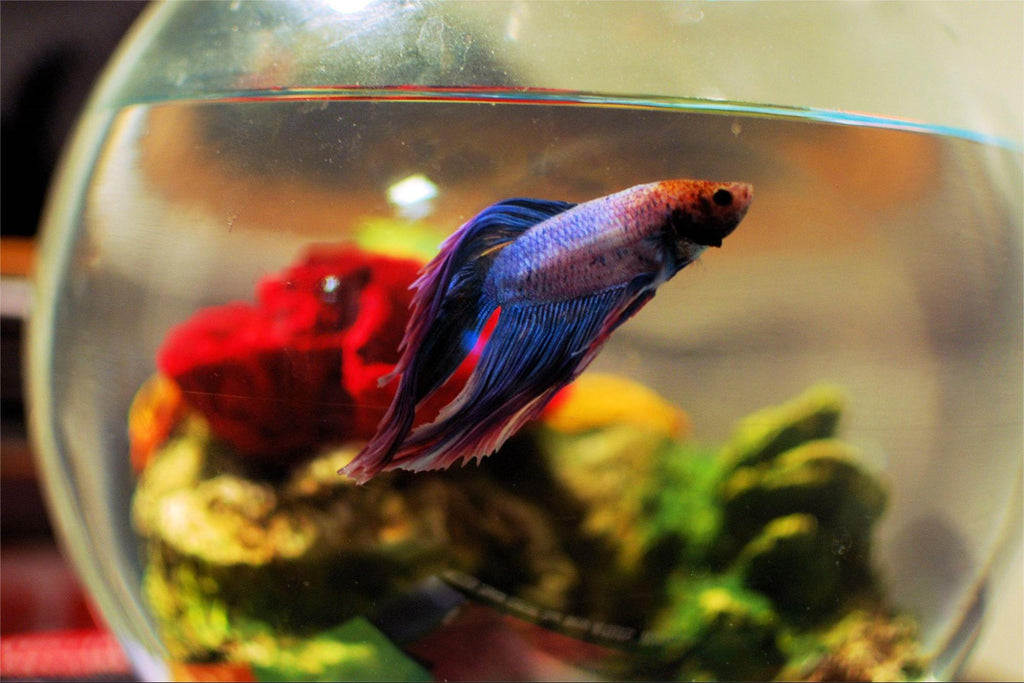
Credit: tropicflow.com
Frequently Asked Questions
How Long Do Betta Fish Live In A Small Tank?
Betta fish live about 2 to 3 years in small tanks. Poor water quality and stress shorten their lifespan significantly.
How To Tell If Betta Is Happy?
A happy betta swims actively, displays vibrant colors, has full fins, eats well, explores its tank, and builds bubble nests. It follows your finger, shows curiosity, and avoids hiding or lethargy. Clear, healthy gills and no fin damage also indicate good well-being.
Can A Betta Survive In A Small Tank?
A betta can survive in a small tank but thrives better in at least 5 gallons. Small tanks cause stress, poor water quality, and limit swimming space, reducing lifespan. Provide proper heating, filtration, and regular water changes to improve health and longevity.
Is It Better To Have 1 Or 2 Betta Fish?
It is better to keep one betta fish per tank to prevent aggression and stress. Two males usually fight, while one male with females requires careful monitoring.
Conclusion
Betta fish live longer in bigger, well-maintained tanks. Small tanks limit space and cause stress. Poor water quality builds up fast in tiny bowls. Regular water changes and proper heating help fish stay healthy. A varied diet also supports their lifespan.
Giving bettas room to swim keeps them active and happy. With good care, they can live several years. Choose the right tank size to help your betta thrive. Small bowls may seem easy but harm your fish’s health. Remember, a happy betta shows bright colors and lively behavior.