Are you tired of seeing your hard-earned money disappear in gas fees and transaction costs every time you make a blockchain transfer? You’re not alone.
These hidden charges can quickly add up, cutting into your profits and making transactions frustrating. But what if you could take control and keep more of your money? You’ll discover simple, effective ways to minimize these fees without sacrificing speed or security.
Keep reading, because saving on gas fees could be easier than you think—and your wallet will thank you.
Gas Fees Basics
Understanding gas fees is important for anyone using blockchain networks like Ethereum. These fees are the cost to process transactions and run applications. Knowing the basics helps users save money and avoid delays.
What Are Gas Fees?
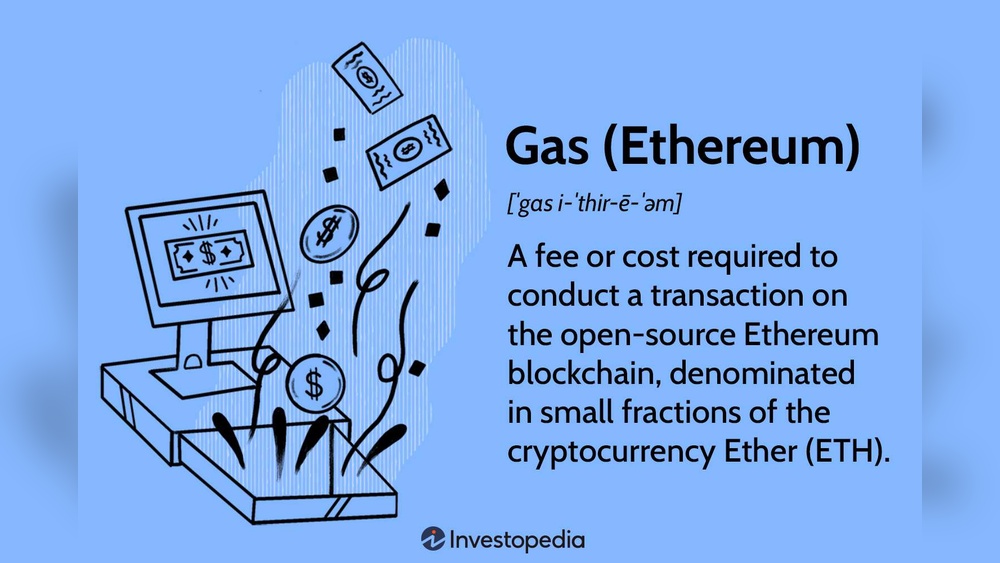
Gas fees are small payments made to complete a transaction on a blockchain. They pay for the computing power needed to verify and record the transaction. Without gas fees, the network cannot operate smoothly.
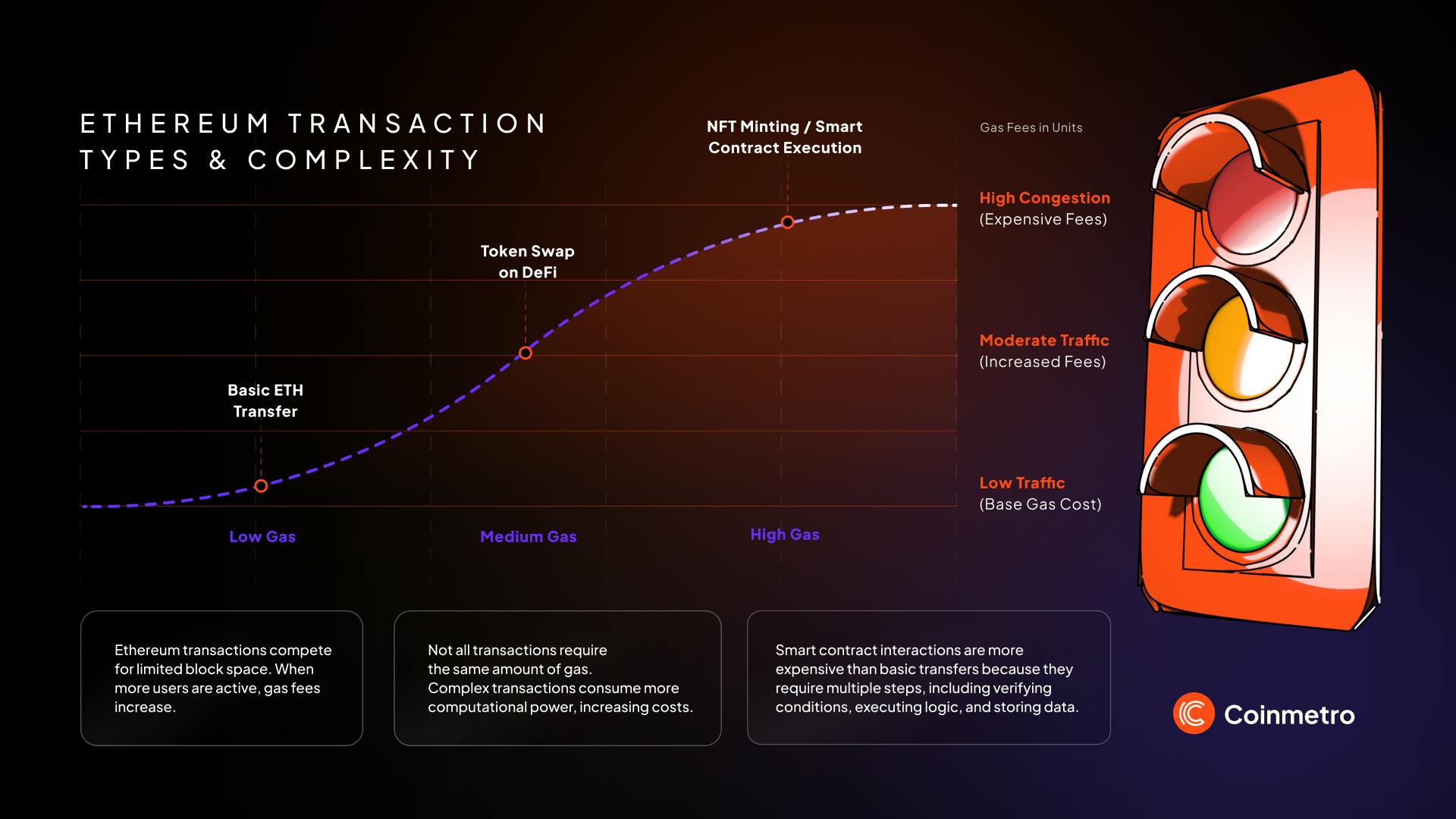
Each transaction requires a certain amount of gas. The amount depends on how complex the transaction is. Simple transfers need less gas than smart contract actions.
How Transaction Costs Work
Transaction costs equal the gas used multiplied by the gas price. Gas used is the work needed for the transaction. Gas price is the amount users pay per unit of gas.
Users set their gas price to compete for faster processing. Higher gas prices usually mean quicker confirmations. Lower prices may cause delays or failed transactions.
Factors Influencing Gas Prices
Network demand is the main factor affecting gas prices. More users mean higher prices because of limited space. Time of day and network upgrades also affect costs.
Complex transactions need more gas, increasing the total fee. Market trends and user activity influence the gas price too.
Credit: www.coinmetro.com
Networks And Their Fees
Different blockchain networks charge various fees for transactions. These fees affect how much you pay to send or receive digital assets. Understanding network fees helps reduce your costs. Some networks have high fees, while others are cheaper. Choosing the right network can save money and time.
Ethereum Gas Fees
Ethereum is the most popular blockchain for smart contracts. It charges gas fees to process transactions. Gas fees vary based on network activity and demand. When many users transact, fees rise. These fees pay miners for validating transactions. Ethereum gas fees can be high during peak times.
To lower fees, avoid trading during busy hours. Use tools to check current gas prices. Setting a lower gas price can delay your transaction but save money. Always balance speed and cost.
Layer 2 Solutions
Layer 2 solutions work on top of Ethereum. They help reduce gas fees by handling transactions off the main chain. These solutions bundle many transactions before sending them to Ethereum.
Popular Layer 2 options include Optimism and Arbitrum. They offer faster and cheaper transactions. Using Layer 2 means lower costs and quicker confirmations. Many wallets now support Layer 2 networks.
Alternative Blockchains
Other blockchains like Binance Smart Chain and Solana offer lower fees. These networks use different methods to process transactions. Their fees are usually a small fraction of Ethereum’s costs.
Choosing an alternative blockchain can reduce your spending. These networks also support smart contracts and apps. Always check if the tokens or services you want work on these blockchains.
Timing Your Transactions
Timing your transactions is a smart way to reduce gas fees and save money. Gas fees change based on network demand. Choosing the right time to send transactions can lower costs significantly.
Peak Vs Off-peak Hours
Gas fees are highest during busy hours. Many users try to send transactions at the same time. This creates a traffic jam on the network. Off-peak hours have fewer users and lower fees. These times are usually late at night or early morning. Planning transactions during off-peak hours helps you avoid high costs.
Using Gas Trackers
Gas trackers show real-time fee data. They tell you the current price to send transactions quickly. Some trackers also predict future prices. Watching these tools helps pick the best time to transact. Popular gas trackers include Gas Now and Etherscan Gas Tracker. Use them before sending transactions to save money.
Scheduling Transactions
Scheduling lets you set transactions for later. Some wallets allow this feature. You can pick a time with lower gas fees. This avoids sending transactions when the network is busy. Scheduling is useful for regular or large transactions. It helps you pay less and avoid stress.

Credit: www.ulam.io
Optimizing Transaction Settings
Optimizing transaction settings can greatly reduce your gas fees and transaction costs. Small changes in your wallet settings can save you money. Understanding these options helps you control how much you pay for each transaction. This section explains how to adjust gas limits, set gas prices manually, and use wallet features to minimize fees.
Adjusting Gas Limits
Gas limit is the maximum amount of gas you allow for a transaction. Setting it too high means you might pay more than needed. Setting it too low can cause the transaction to fail. Check the estimated gas limit before confirming. Adjust the gas limit to match the transaction’s needs. This prevents overpaying and ensures the transaction completes.
Setting Gas Price Manually
Gas price is the amount you pay per unit of gas. Setting it manually lets you control transaction speed and cost. Lower gas prices mean slower transactions but lower fees. Higher gas prices speed up the transaction but cost more. Use reliable gas trackers to find current price trends. Choose a gas price that fits your budget and urgency.
Using Wallet Features
Many wallets offer built-in tools to manage gas fees. Some wallets suggest optimal gas prices based on network activity. Others allow you to set custom gas limits and prices. Some wallets support fee-saving modes or batching multiple transactions. Explore your wallet’s settings to find these features. Use them to reduce fees without risking failed transactions.
Tools To Reduce Costs
Managing gas fees and transaction costs is key for saving money on the blockchain. Various tools help users reduce these expenses effectively. These tools provide clear information and options to lower costs.
Using the right tool can make transactions cheaper and faster. Below are some practical tools that help cut down fees.
Gas Fee Estimators
Gas fee estimators show current prices for network transactions. They predict the best time to send transactions at low costs. Users can check these tools before making transfers.
These estimators use real-time data from the blockchain. This helps avoid paying high fees during network congestion. Popular estimators include platforms like ETH Gas Station and Gas Now.
Batch Transactions
Batch transactions combine multiple transfers into one operation. This reduces the total gas fee compared to sending transactions separately. It is useful for users handling many transfers.
Some wallets and platforms support batch transactions. They save time and reduce overall transaction costs. Businesses and active traders benefit most from this method.
Fee Rebates And Discounts
Some platforms offer fee rebates or discounts on transaction costs. These programs reward users with lower fees or cashback. This encourages more frequent transactions.
Users should check if their wallet or exchange offers such deals. Joining loyalty programs or holding certain tokens may unlock discounts. These savings add up over time.
Credit: vaultody.com
Smart Contract Tips
Smart contracts control how transactions occur on blockchains. They can cause high gas fees if not designed well. Smart contract tips help reduce these costs. They make your transactions cheaper and faster.
Efficient Contract Coding
Write simple and clear code. Avoid extra steps that waste gas. Use smaller data types and remove unused variables. Efficient coding lowers the gas needed to run contracts. This saves money on every transaction.
Avoiding Unnecessary Calls
Each call to a contract costs gas. Avoid calling functions that are not needed. Use view or pure functions for reading data. These functions do not change the blockchain state. They cost less or no gas at all.
Choosing Cost-effective Functions
Some functions use more gas than others. Pick functions that perform tasks in fewer steps. Group similar actions together to reduce calls. Plan your contract to do more with less gas. This keeps transaction costs low.
Future Trends
Gas fees and transaction costs shape the user experience in blockchain networks. These costs fluctuate due to network demand and technology changes. Understanding future trends helps users save money and plan better. New upgrades and fee models aim to make transactions cheaper and faster. Scalability solutions also play a key role in reducing costs.
Upcoming Network Upgrades
Blockchain projects plan upgrades to improve efficiency. These updates often reduce gas fees by optimizing how transactions are processed. For example, Ethereum’s transition to proof-of-stake lowers energy use and costs. Other networks also enhance protocols to support more transactions at lower fees.
Evolving Fee Models
Fee structures are changing to be fairer and more predictable. Some blockchains use dynamic pricing based on network load. Others introduce fixed or capped fees for certain transactions. These models help users estimate costs before sending transactions. Clearer fees reduce surprises and allow better budgeting.
Impact Of Scalability Solutions
Scalability solutions like layer 2 help handle more transactions off the main chain. This reduces congestion and lowers gas fees on the base layer. Sidechains and rollups also support cheaper, faster transactions. As these solutions grow, they make blockchain use more affordable for many people.
Frequently Asked Questions
What Are Gas Fees In Cryptocurrency Transactions?
Gas fees are charges paid to process and validate transactions on blockchain networks. They compensate miners or validators for their work and computing resources. Gas fees vary based on network congestion, transaction complexity, and blockchain type. Lowering gas fees helps reduce overall transaction costs.
How Can I Reduce Gas Fees On Ethereum?
To reduce gas fees on Ethereum, transact during low network activity. Use tools like Gas Station to monitor fees. Optimize smart contract interactions and bundle multiple actions in one transaction. Alternatively, consider Layer 2 solutions or sidechains with lower fees.
What Affects Transaction Costs On Blockchain Networks?
Transaction costs depend on network congestion, transaction size, and blockchain protocol. Higher demand increases fees due to competition for block space. Complex transactions require more computational power, raising costs. Different blockchains have varying fee structures and optimization methods.
Are There Alternatives To High Gas Fees On Popular Blockchains?
Yes, Layer 2 solutions, sidechains, and other blockchains offer cheaper alternatives. Examples include Polygon, Binance Smart Chain, and Solana. These networks provide faster transactions with lower fees, making them suitable for frequent or small transactions.
Conclusion
Reducing gas fees and transaction costs saves money and time. Choose the right network with low fees. Plan transactions during off-peak hours to pay less. Use wallets and tools that show fee estimates. Small changes make a big difference over time.
Stay informed about updates in blockchain technology. Smart choices help keep your crypto spending low. Start applying these tips today for better results.