Are you struggling to make your small or medium business stand out online? You’re not alone.
With so many brands competing for attention, finding the right digital marketing strategies can feel overwhelming. But what if you could use simple, proven tactics that actually connect with your audience and boost your sales? You’ll discover effective digital marketing strategies designed just for businesses like yours.
By the end, you’ll have clear, actionable steps to grow your online presence and turn visitors into loyal customers. Ready to transform your marketing game? Let’s dive in.
Key Digital Marketing Channels
Small and medium businesses gain the most by focusing on key digital marketing channels. These channels help reach the right customers and build lasting relationships. Each channel offers unique ways to connect and promote products or services. Choosing the right mix can boost brand visibility and sales.
Social Media Platforms
Social media platforms let businesses engage directly with customers. Platforms like Facebook, Instagram, and LinkedIn offer tools to share updates and respond quickly. Regular posts and ads create awareness and trust. Social media also helps gather feedback and understand customer needs.
Email Marketing
Email marketing remains a powerful channel for small businesses. Sending newsletters, offers, and updates keeps customers informed. Personalized emails increase open rates and encourage repeat business. Building an email list is essential for ongoing communication.
Content Marketing
Content marketing builds authority and attracts visitors. Creating blogs, videos, and guides educates customers about products and services. Good content answers common questions and solves problems. This approach improves brand reputation and drives organic traffic.
Search Engine Optimization
Search Engine Optimization (SEO) improves website visibility in search results. Using relevant keywords helps customers find businesses online. Optimizing site speed, mobile-friendliness, and content quality boosts rankings. SEO increases free, targeted traffic over time.
Pay-per-click Advertising
Pay-Per-Click (PPC) advertising delivers quick results by targeting specific audiences. Businesses pay only when users click ads, making it cost-effective. Platforms like Google Ads and Facebook Ads allow precise targeting. PPC helps drive traffic and generate leads fast.
Crafting A Strong Online Presence
Creating a strong online presence is essential for small and medium businesses today. It helps attract customers and build trust. A clear and easy-to-navigate website is the first step. Being visible on mobile devices and local search results also matters a lot. These elements work together to make your business stand out online.
Building A User-friendly Website
Your website should be simple and easy to use. Visitors must find information quickly. Clear menus and fast loading times keep users happy. Use clean design and readable fonts. Avoid clutter that can confuse visitors. A good website builds trust and encourages people to stay longer.
Mobile Optimization
Many users browse on phones or tablets. Your site must look good and work well on all devices. Buttons should be easy to tap. Text must be easy to read without zooming. Fast loading on mobile keeps visitors engaged. Mobile-friendly sites rank higher on search engines too.
Local Seo Tactics
Local SEO helps people nearby find your business online. Use your city or neighborhood name in titles and descriptions. Create and update your Google My Business profile. Encourage customers to leave reviews. Local keywords help your site appear in local search results. This drives nearby customers to your door.
Leveraging Social Media Effectively
Social media offers powerful tools for small and medium businesses. It helps connect with customers and build brand awareness. Using social media well can increase sales and customer loyalty.
Effective social media use requires clear focus. Choose platforms wisely, create interesting content, and collaborate with influencers. These steps make your social media efforts more successful.
Choosing The Right Platforms
Select social media sites where your audience spends time. Facebook suits older users. Instagram works well for younger groups. LinkedIn is best for professional services. Focus on two or three platforms to avoid spreading yourself too thin. Quality matters more than quantity.
Creating Engaging Content
Post content that interests your audience. Use images, videos, and clear messages. Stories and tips perform well. Ask questions to encourage comments. Consistent posting builds trust and keeps followers interested. Avoid long texts; keep posts short and simple.
Utilizing Influencer Partnerships
Partner with local influencers who share your values. Influencers can introduce your brand to new audiences. Choose those with genuine followers. Small influencers often have better engagement. Collaborate on giveaways or product reviews. This strategy grows your reach without big budgets.

Credit: u3081450.wordpress.com
Maximizing Email Campaigns
Email marketing remains a powerful tool for small and medium businesses. It helps build relationships and boost sales. To get the best results, businesses must focus on maximizing their email campaigns. This means sending the right message to the right person at the right time. Simple steps can make a big difference.
Segmenting Your Audience
Divide your email list into smaller groups based on shared traits. These traits can be age, location, buying habits, or interests. Segmentation helps send relevant content to each group. People are more likely to open emails that fit their needs. This also reduces unsubscribes and spam complaints.
Personalizing Messages
Use the recipient’s name and details in your emails. Personal messages feel friendlier and build trust. Tailor the content to match the interests of each segment. Show customers you understand them. This approach increases engagement and encourages action.
Automating Workflows
Set up automatic email sequences for different triggers. For example, send a welcome email after someone signs up. Follow up with a discount offer if they don’t buy. Automation saves time and keeps communication consistent. It helps nurture leads without extra effort.
Content Strategies That Convert
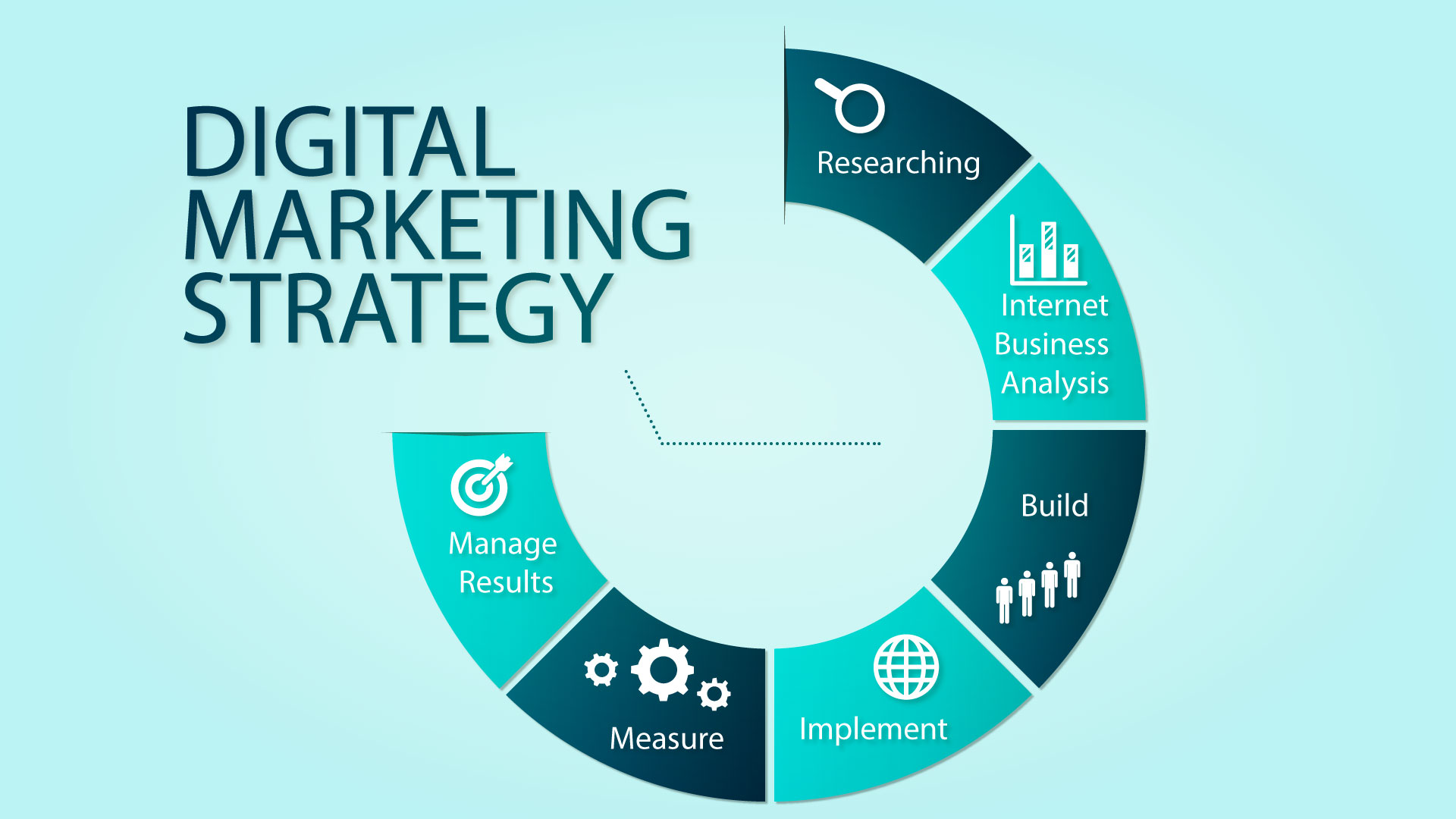
Content strategies play a key role in attracting and keeping customers. Well-planned content builds trust and guides visitors to take action. Small and medium businesses can gain more leads and sales by using content that connects with their audience.
Effective content goes beyond selling products. It educates, entertains, and solves problems for readers. This approach helps businesses stand out and create loyal followers.
Blogging For Authority
Blogging helps businesses show their knowledge and expertise. Writing helpful articles answers common questions and solves problems. This makes visitors trust the brand more.
Regular blog posts improve search engine rankings. This brings more people to the website. Clear, simple writing and useful tips keep readers interested.
Video Marketing
Videos capture attention faster than text. They explain products or services in a clear way. Short, engaging videos work well on social media and websites.
Videos build a personal connection with viewers. Showing real people and stories makes the brand feel friendly and real. Videos also help improve search rankings.
User-generated Content
User-generated content includes reviews, photos, or videos from customers. This content shows real experiences with the business. It builds trust and encourages others to buy.
Sharing customer stories on social media or websites creates community. It also saves time and money on creating content. People trust peer opinions more than ads.
Credit: ovocreatives.com
Optimizing For Search Engines
Optimizing for search engines is a key step for small and medium businesses to grow online. It helps your website appear higher in search results. This visibility attracts more visitors and potential customers. Search engine optimization (SEO) is not just about keywords. It includes many strategies to improve your site’s ranking and user experience.
Keyword Research Techniques
Keyword research finds the words people type in search engines. These words help you create content that matches user intent. Start with simple tools like Google Keyword Planner or Ubersuggest. Look for keywords with good search volume and low competition. Use long-tail keywords to target specific searches. These are easier to rank for and bring relevant visitors. Check your competitors’ keywords to find new ideas. Organize keywords by themes for better content planning.
On-page Seo Best Practices
On-page SEO means optimizing parts of your website. Use keywords naturally in titles, headings, and content. Write clear and short meta descriptions for each page. Add alt text to images with relevant keywords. Make sure your website loads fast and works well on phones. Use internal links to guide visitors to other pages. Avoid keyword stuffing; keep the text readable and helpful. Use simple URLs with keywords instead of random numbers or letters.
Building Quality Backlinks
Backlinks are links from other websites to yours. They signal to search engines that your site is trusted. Focus on getting links from sites related to your business. Reach out to bloggers, local directories, and industry partners. Create useful content that others want to share and link to. Avoid buying links or using spammy methods. Quality matters more than quantity for backlinks. Regularly check your backlink profile to remove harmful links.
Utilizing Paid Advertising
Paid advertising helps small and medium businesses reach more people fast. It puts your brand in front of potential customers. This method brings quick results compared to some free strategies.
Choosing the right paid ads can boost sales and brand awareness. Ads appear on search engines, social media, or other websites. The key is to use your budget smartly and target the right audience.
Setting Budget And Goals
Start by deciding how much money to spend on ads. Your budget should fit your business size and goals. Set clear goals like more website visits or more sales.
Small budgets can still work well with clear focus. Track spending to avoid going over budget. Adjust goals based on what your business needs most.
Targeting And Retargeting Ads
Target ads to people who may want your product. Use location, age, interests, and behaviors to narrow the audience. This saves money and improves ad results.
Retargeting means showing ads to people who visited your site before. This reminds them of your brand and can increase sales. It helps keep your business in their mind.
Measuring Roi
ROI means how much money your ads earn compared to what you spend. Track clicks, sales, and leads from ads. Use this data to see which ads work best.
Stop ads that don’t bring good results. Put more money into ads that bring more customers. Measuring ROI helps make smarter ad decisions.
Analyzing And Improving Performance
Analyzing and improving performance is essential for digital marketing success. It helps businesses understand what works and what does not. This process allows small to medium businesses to use their budget wisely. Regular analysis leads to better decisions and stronger campaigns.
Tracking Key Metrics
Tracking key metrics shows how your marketing efforts perform. Focus on metrics like website traffic, conversion rates, and customer engagement. These numbers reveal the strengths and weaknesses of your campaigns. Use tools like Google Analytics or social media insights. Monitor data regularly to spot trends and changes quickly.
A/b Testing Strategies
A/B testing compares two versions of a marketing element. It could be an email, ad, or landing page. Test small changes like headlines, images, or call-to-action buttons. This method identifies what your audience prefers. Run tests for a set time, then analyze results. Use findings to improve future campaigns and content.
Adapting To Market Changes
Markets and customer behavior change often. Stay alert to new trends and competitor actions. Adjust your strategies to meet evolving needs. Flexibility keeps your business relevant and competitive. Use feedback and data to guide your updates. Regular adaptation helps maintain strong connections with customers.
Tools To Streamline Marketing Efforts
Small and medium businesses need smart tools to manage marketing tasks. These tools save time and make campaigns more effective. Using the right tools helps focus on growth and customer needs. Marketing efforts become easier and more organized with these solutions.
Marketing Automation Platforms
Marketing automation platforms help send emails, post on social media, and manage ads automatically. They reduce manual work and keep campaigns consistent. These platforms track customer actions and send messages at the right time. This keeps customers engaged without extra effort.
Analytics Tools
Analytics tools show how marketing campaigns perform. They track visitors, clicks, and sales. These insights help improve strategies and avoid wasting money. Small businesses can understand which channels bring the best results. Data-driven decisions lead to smarter marketing plans.
Content Management Systems
Content Management Systems (CMS) make it easy to create and update websites. They allow businesses to add blog posts, images, and videos quickly. A good CMS helps keep the site fresh and attractive to visitors. It also supports SEO by organizing content well.
Building Customer Relationships
Building strong customer relationships is key for small-medium businesses. It creates trust and encourages repeat sales. Customers who feel valued often share their positive experiences. These connections help businesses grow steadily and compete effectively.
Effective communication and genuine care show customers they matter. Small efforts can turn one-time buyers into loyal supporters. Here are practical ways to build those lasting relationships.
Engaging Through Feedback
Ask customers for their opinions regularly. Feedback shows you care about their experience. It helps identify areas to improve your products or services. Respond quickly to both praise and complaints. This builds trust and shows respect for their views. Use surveys, social media, or direct messages to gather feedback.
Loyalty Programs
Reward repeat customers with simple loyalty programs. Points, discounts, or special offers encourage more purchases. Loyalty programs make customers feel appreciated and valued. Keep the program easy to understand and use. Promote it clearly so customers know the benefits. This encourages long-term engagement and sales growth.
Community Building
Create a space where customers can connect with your brand and each other. Use online groups, forums, or events to foster community. Customers enjoy sharing experiences and tips. This builds a sense of belonging and loyalty. Engage regularly by posting updates and responding to comments. A strong community turns customers into brand advocates.
Credit: felixdigitaledge.com
Frequently Asked Questions
What Are The Best Digital Marketing Strategies For Smbs?
Effective strategies include SEO, social media marketing, email campaigns, and content marketing. These boost visibility and customer engagement. Tailoring strategies to your target audience increases ROI and brand awareness.
How Can Small Businesses Improve Their Online Presence?
Optimize your website for search engines and create quality content regularly. Engage customers on social media and use local SEO tactics. Consistent branding and positive reviews also enhance online credibility.
Why Is Social Media Important For Small-medium Businesses?
Social media connects you directly with your audience and builds brand loyalty. It offers cost-effective advertising and valuable customer insights. Regular interaction increases engagement and drives website traffic.
How To Measure Digital Marketing Success For Smbs?
Track metrics like website traffic, conversion rates, and social media engagement. Use tools like Google Analytics and social media insights. Regularly analyze data to refine and improve marketing strategies.
Conclusion
Digital marketing helps small businesses grow step by step. Focus on clear goals and simple plans. Use social media, email, and good content to connect with customers. Track results and change what does not work. Consistency and patience bring better outcomes.
Small efforts add up over time. Stay open to learning and adapting new ideas. Success comes from steady work and smart choices. Keep your customers at the center of every strategy. This approach makes marketing easier and more effective.