Are you ready to unlock the hidden potential in your small business? Data analytics can be the key to smarter decisions, better customer understanding, and increased profits.
But if the idea feels overwhelming or too technical, you’re not alone. This guide will show you simple, clear steps to get started with data analytics—no jargon, no confusion. By the end, you’ll know how to turn your everyday business information into powerful insights that help you grow.
Keep reading, and discover how data can work for you.
Credit: ajelix.com
Why Data Analytics Matters
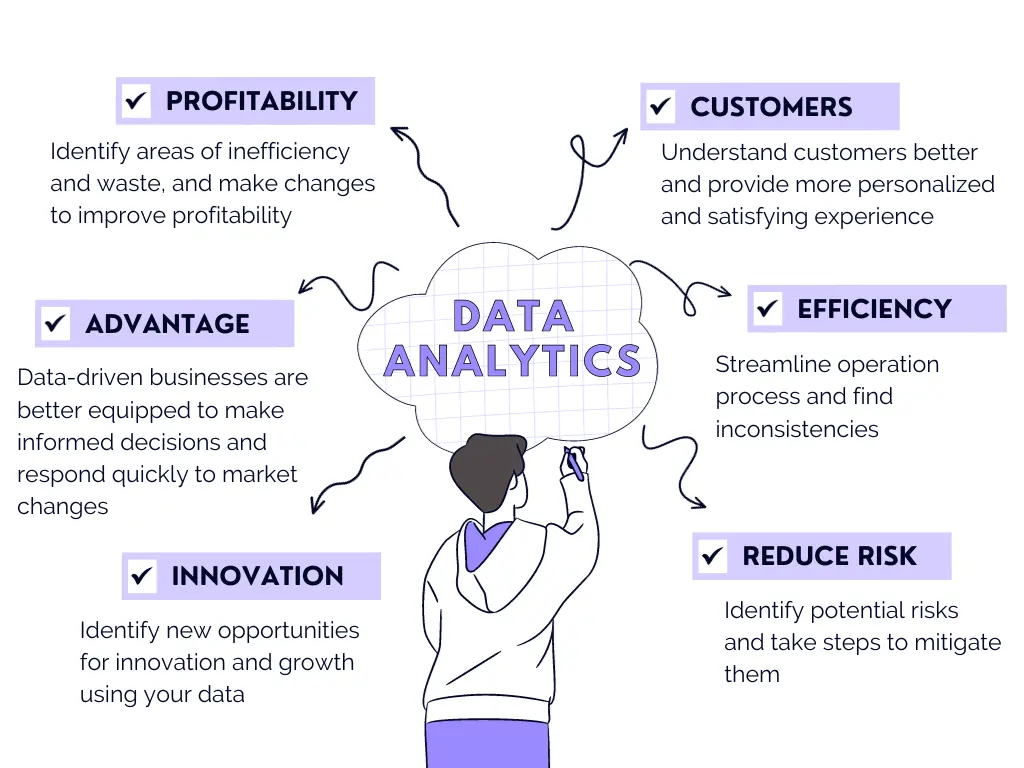
Data analytics helps small businesses understand their operations better. It turns raw data into useful information. This information guides business choices. Using data analytics, small businesses can compete well and grow steadily.
Boosting Business Growth
Data analytics shows which products sell best. It reveals areas where costs can be cut. It helps find new opportunities for sales. Businesses can plan better and use resources wisely. Growth becomes more focused and steady.
Improving Customer Insights
Understanding customers is easier with data. Analytics shows buying habits and preferences. Businesses learn what customers want most. This helps improve products and services. Customer satisfaction and loyalty increase.
Enhancing Decision Making
Data gives clear facts for decisions. It removes guesswork and reduces risks. Business owners can test ideas using data. This leads to smarter, faster choices. Decisions become more confident and effective.
Essential Tools For Beginners
Starting with data analytics can seem tough for small businesses. The right tools make it easier. These tools help collect, analyze, and visualize data. They save time and improve decisions. Choosing tools that fit your needs is key. Here are some essential options for beginners.
Free And Affordable Software Options
Many free tools offer basic data analytics features. Google Analytics tracks website traffic and user behavior. Microsoft Excel allows simple data sorting and charting. For more features, affordable options like Tableau Public or Zoho Analytics are great. These tools provide powerful insights without large costs.
User-friendly Platforms
Easy-to-use platforms suit beginners best. Look for simple interfaces and clear instructions. Tools like Google Data Studio or Microsoft Power BI offer drag-and-drop options. They require little technical knowledge. This helps small business owners focus on insights, not complex setups.
Integrating Tools With Existing Systems
Choose tools that connect with your current software. Integration saves time and reduces errors. For example, linking analytics with your CRM or sales software helps track customer behavior. Many tools offer plugins or APIs for smooth data flow. This keeps all your data organized and accessible.
Collecting The Right Data
Collecting the right data is the first step for small businesses using data analytics. Without good data, decisions may be weak or wrong. Choosing the correct data helps businesses find useful insights. This section covers how to pick and gather the best data.
Identifying Key Metrics
Start by deciding what matters most to your business. Key metrics show how well your business is doing. Examples include sales numbers, customer visits, and website clicks. Focus on metrics that relate directly to your goals. Avoid tracking too many numbers at once. Clear priorities help you collect useful data.
Sources Of Valuable Data
Data comes from many places. Point of sale systems record sales and inventory. Social media platforms provide customer feedback and engagement. Website tools track visitor behavior and patterns. Surveys and customer emails give direct opinions. Combine different sources for a full picture.
Data Quality And Accuracy
Good data must be accurate and clean. Check data for mistakes like duplicates or missing entries. Use tools to help verify and correct errors. Accurate data leads to better business decisions. Spend time on data quality before analysis starts.
Credit: skillogic.com
Simple Analytics Techniques
Simple analytics techniques help small businesses understand their data easily. These methods do not require complex tools or skills. They provide clear insights to improve decisions and grow the business.
Using basic analytics can save time and money. It can show what works and what needs change. Start small and build confidence as you go.
Descriptive Analytics Basics
Descriptive analytics shows what happened in the past. It uses data like sales numbers or website visits. This helps identify patterns and trends. For example, seeing which product sells best each month. It answers questions like “How many customers bought last week?”
Summarizing data into reports or simple charts makes it easy to understand. This step is the foundation for better analytics.
Using Visualizations Effectively
Visualizations turn data into pictures. Charts and graphs make numbers clear and quick to read. A bar chart can show sales by product. A line graph can track website visitors over time.
Choose simple visuals to avoid confusion. Use colors to highlight important points. Make sure labels are clear. Visuals help spot trends and outliers fast.
Tracking Performance Over Time
Tracking means watching your business data regularly. It shows if changes are helping or not. For example, track monthly sales or customer feedback scores. This helps understand progress and spot problems early.
Use consistent methods and time frames to compare results. Small improvements add up and lead to growth.
Turning Data Into Action
Turning data into action is the key step for small businesses. Data alone does not create value. It needs clear goals and smart choices. This section helps you make data useful. Use it to improve your business decisions and results.
Setting Realistic Goals
Start by setting clear, realistic goals. Choose goals that match your business needs. Avoid goals that are too broad or hard to measure. Focus on small steps that lead to bigger results. For example, increase website visitors by 10% in three months. Clear goals guide your data use and keep you focused.
Making Data-driven Decisions
Use data to support your choices. Look at numbers, trends, and patterns carefully. Base decisions on facts, not guesses. For example, if sales drop in one product, check the data for reasons. Data helps you find what works and what doesn’t. This reduces risk and improves success.
Measuring Impact And Adjusting Strategies
Track the results of your actions regularly. Use simple metrics to see if goals are met. If results are weak, change your approach. Data shows what needs fixing or improving. Keep adjusting your strategies based on real feedback. This cycle keeps your business growing and learning.
Common Challenges And Solutions
Small businesses face common problems when starting data analytics. These challenges can slow progress and cause confusion. Knowing these issues helps find clear solutions. This section covers common problems and simple ways to solve them.
Overcoming Data Overload
Small businesses often collect too much data. Too much information can be hard to manage. Focus on key data that affects business goals. Use tools that organize and filter data easily. This reduces confusion and saves time.
Ensuring Privacy And Security
Data privacy is very important for small businesses. Customers expect their information to be safe. Use strong passwords and secure software. Limit who can access sensitive data. Follow laws about data protection to avoid trouble.
Building Analytics Skills
Many small business owners lack analytics experience. Learning basic skills helps understand data better. Online courses and tutorials are good starting points. Practice with simple tools before using complex software. Skilled staff make better decisions with data.
Next Steps For Growth
Taking the first steps in data analytics is exciting for small businesses. Growth means using data in deeper and smarter ways. Focus on expanding your efforts to gain more insights. This helps make better decisions and improves business results.
Scaling Analytics Efforts
Start by increasing the amount of data you collect. Use tools that can handle larger datasets easily. Automate data collection to save time and reduce errors. Hire or train staff to analyze data regularly. Keep improving your data quality for accurate results.
Exploring Advanced Techniques
Try new methods like predictive analytics to forecast trends. Use customer segmentation to target marketing better. Explore data visualization tools to see patterns clearly. Experiment with A/B testing to find the best options. These techniques offer deeper insights for smarter choices.
Building A Data-driven Culture
Encourage team members to use data in daily tasks. Share data findings openly to support decisions. Provide training to boost data skills across the company. Reward using data to solve problems and improve work. A strong data culture helps sustain long-term growth.

Credit: online.mason.wm.edu
Frequently Asked Questions
What Is Data Analytics For Small Businesses?
Data analytics helps small businesses collect and analyze data to improve decisions. It identifies trends, customer behavior, and sales patterns. This leads to better marketing, operations, and growth strategies.
How Can Small Businesses Start With Data Analytics?
Start by defining clear goals and collecting relevant data. Use simple tools like Excel or Google Analytics. Analyze data regularly to find insights that improve business performance.
What Are The Benefits Of Data Analytics For Small Businesses?
Data analytics boosts efficiency, customer targeting, and sales growth. It reduces costs by identifying waste and improves product or service quality. It also helps businesses stay competitive.
Which Tools Are Best For Small Business Data Analytics?
Popular tools include Google Analytics, Tableau, and Microsoft Power BI. These are user-friendly, affordable, and provide valuable data visualization and reporting features suitable for small businesses.
Conclusion
Data analytics helps small businesses make smarter choices. Start by collecting simple data from daily operations. Use easy tools to analyze and understand trends. This practice saves time and cuts costs. It also improves customer satisfaction and sales. Keep learning and adjusting your approach as you grow.
Small steps lead to big improvements over time. Everyone can benefit from basic data insights. Don’t wait to begin—your business will thank you.