Imagine reaching out for help and getting exactly what you need—quickly, clearly, and without hassle. That’s what customer service will feel like in 2025.
But are you ready to meet your clients’ growing expectations? The way people want support is changing fast, and knowing these trends will give you the edge to keep your customers happy and loyal. Keep reading to discover what your clients truly expect next year—and how you can deliver it effortlessly.
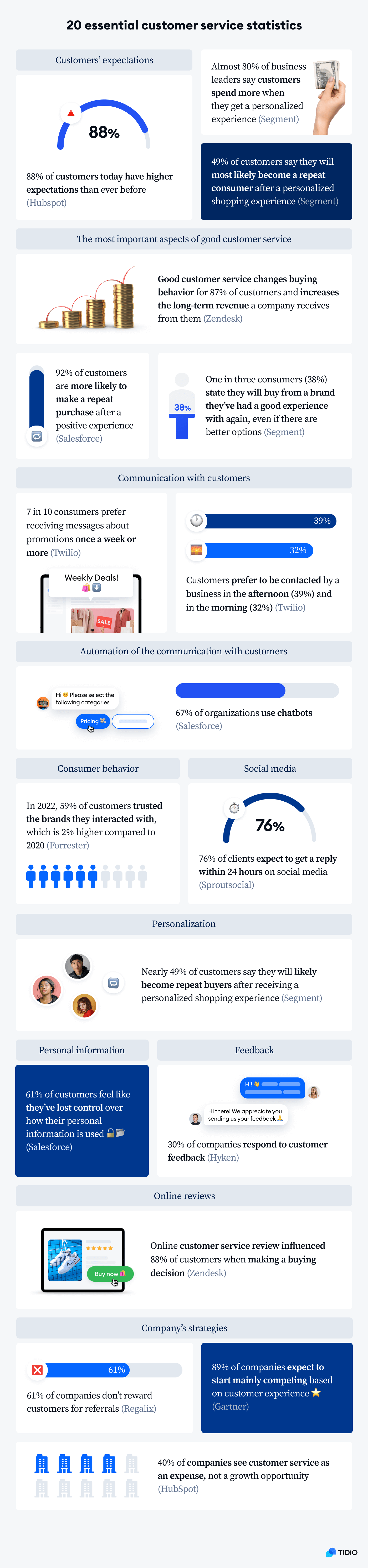
Credit: www.tidio.com
Evolving Customer Expectations
Customer expectations keep changing. They expect more from brands today. By 2025, these expectations will grow even stronger. Companies must adapt quickly to meet these needs. Understanding what customers want is key to success.
Personalized Experiences
Customers want services made just for them. They expect brands to know their preferences and history. Personal touches create trust and loyalty. Tailored recommendations and offers feel more valuable. Generic service no longer satisfies many clients.
Instant Responses
Speed matters more than ever. Customers want answers fast, not after long waits. Quick replies show respect for their time. Chatbots and AI help provide instant support. Waiting minutes or hours leads to frustration.
Omnichannel Support
Clients use many channels to reach companies. Phone, email, chat, social media—all matter. They expect seamless service across all platforms. Switching from one channel to another should be easy. Consistent support builds confidence in the brand.

Credit: tblocks.com
Technology Shaping Service
Technology is changing how companies serve their customers. New tools make service faster and easier. These tools help companies understand customer needs and respond quickly. The future of customer service depends on smart technology. It creates better experiences for clients. Here are some key technologies shaping service in 2025.
Ai And Chatbots
Artificial intelligence helps businesses respond to questions instantly. Chatbots use AI to chat with customers anytime. They handle simple tasks like answering FAQs or booking appointments. This saves time for human agents to solve harder problems. AI learns from each interaction and improves over time. This means faster and more accurate help for customers.
Voice Assistants
Voice assistants let customers speak to devices for help. People can ask questions or give commands by talking. This hands-free option is quick and easy to use. Voice technology understands natural speech and provides clear answers. It helps customers get support without typing or searching. More companies will use voice assistants to improve service.
Augmented Reality
Augmented reality (AR) blends digital images with the real world. Customers can see products or instructions overlaid on their environment. AR helps with visualizing items before buying or fixing problems step by step. It creates an interactive and engaging experience. AR reduces confusion and increases customer satisfaction. This technology will grow in customer service roles.
Human Touch In Digital Age
The digital world grows fast. Technology changes how customers get help. Yet, the human touch stays important. Customers want to feel heard and understood. They want kindness and care in every interaction. Even with AI and chatbots, people seek real connection.
In 2025, companies focus more on mixing digital tools with human empathy. This blend creates better customer service. It helps build trust and loyalty. Customers feel valued, not just numbers or data points.
Empathy And Emotional Intelligence
Empathy means understanding how customers feel. It builds strong bonds and solves problems better. Emotional intelligence helps agents read moods and respond kindly. This skill is crucial in a digital world. Customers notice when agents show real care and patience.
Training teams in empathy improves service quality. People prefer talking to someone who listens well. It reduces frustration and creates positive experiences. Emotional support matters as much as fast solutions.
Hybrid Service Models
Hybrid models mix digital tools with human help. Customers can use chatbots for quick answers. They can also reach live agents for complex issues. This approach offers speed and empathy together.
Hybrid service works 24/7, meeting different needs and times. It suits many customer preferences. People appreciate having options. This model keeps the human touch alive in a tech-driven world.
Data Privacy And Security
Data privacy and security are at the heart of customer service in 2025. Customers expect businesses to protect their personal information carefully. They want to feel safe when sharing data. Trust grows when companies show strong security measures. This trust shapes customer loyalty and satisfaction.
Building Trust
Trust starts with clear communication about data use. Customers need to know how their data is collected and stored. Companies should explain security steps simply and openly. Quick responses to data concerns boost confidence. A secure service environment makes clients feel valued and respected.
Compliance Trends
New laws shape how companies handle customer data. Businesses must follow these rules to avoid penalties. Staying updated with global privacy standards is crucial. Compliance means protecting data beyond borders. This focus helps businesses build a safe and legal service.
Proactive Customer Support
Proactive customer support is changing how businesses help their clients. Instead of waiting for problems, companies now act early. This approach saves time and builds trust. Customers feel valued when companies solve issues before they start. It also reduces frustration and improves the overall experience.
Predictive Analytics
Predictive analytics uses data to foresee customer needs. It helps spot issues before customers notice them. Companies analyze patterns from past interactions to predict problems. This way, support teams can reach out early with solutions. It makes the service faster and more effective.
Automated Issue Resolution
Automation solves common problems without human help. Chatbots and AI tools handle simple tasks quickly. This keeps customers from waiting in long lines. Automated systems can fix errors or guide users step-by-step. It frees support agents to focus on complex cases.
Sustainability And Ethics
Customers now expect businesses to act with care for the planet and society. Sustainability and ethics shape how companies build trust and loyalty. Clients want brands to reduce harm and support positive change.
These values influence customer service deeply. Eco-friendly actions and clear ethical commitments matter more than ever. Brands must show real efforts, not just promises.
Eco-friendly Practices
Clients prefer companies using eco-friendly methods. Simple steps like reducing waste and saving energy attract respect. Businesses that use recycled materials or digital receipts stand out.
Eco-friendly packaging also appeals to customers. It shows care for the environment and reduces pollution. Customers notice these details and feel good buying from such brands.
Corporate Social Responsibility
Corporate Social Responsibility (CSR) means companies help society beyond profit. Customers want brands that support communities and protect workers. Fair wages and safe workplaces build trust.
Charity work and local support matter too. Clients expect companies to give back and help solve social problems. Transparent reporting on these efforts increases customer confidence and loyalty.
Measuring Service Success
Measuring service success is key for businesses to meet client expectations in 2025. It shows how well a company serves its customers. Clear metrics help track progress and identify areas for improvement.
Good measurement keeps teams focused on delivering value. It also builds trust with clients by showing commitment to quality service.
Customer Satisfaction Metrics
Customer satisfaction metrics are simple ways to gauge service quality. One common metric is the Net Promoter Score (NPS). It asks customers how likely they are to recommend a company. A high NPS means strong customer loyalty.
Another useful metric is the Customer Effort Score (CES). It measures how easy it is for customers to get help. Lower effort means better service. Tracking these metrics regularly helps spot trends fast.
Feedback Integration
Collecting customer feedback is not enough by itself. Businesses must use that feedback to improve. Integrating feedback into daily operations creates real change.
Teams should review feedback often. They need to act on complaints and suggestions quickly. This shows customers that their opinions matter. It also helps fix problems before they grow.

Credit: clientsavvy.com
Frequently Asked Questions
What Are The Top Customer Service Trends In 2025?
In 2025, AI-driven support, personalized experiences, and omnichannel communication dominate customer service. Clients expect faster, seamless, and proactive solutions. Sustainability and ethical practices also influence service preferences, enhancing brand loyalty and trust.
How Will Ai Impact Customer Service By 2025?
AI will automate routine tasks, enabling faster responses and 24/7 support. It enhances personalization by analyzing data to predict needs. Chatbots and virtual assistants will improve efficiency while freeing human agents for complex issues.
Why Is Personalization Crucial In 2025 Customer Service?
Personalization builds stronger client relationships by tailoring interactions and solutions. It increases satisfaction and loyalty by addressing unique preferences and history. Customers expect brands to anticipate needs and offer relevant support instantly.
What Role Does Omnichannel Support Play In 2025?
Omnichannel support ensures customers receive consistent service across all platforms—chat, email, phone, and social media. It creates seamless experiences, reducing frustration and improving resolution speed. Clients expect easy transitions between channels without repeating information.
Conclusion
Customer service is changing fast. Clients want quick and clear answers. They expect friendly and helpful support every time. Technology plays a big role in meeting these needs. Personal touch still matters a lot. Businesses that listen and adapt will succeed.
Staying updated helps keep customers happy. The future of customer service is bright and active. Keep an eye on these trends to stay ahead. Simple, honest, and timely service wins trust. This is what clients will expect in 2025.