When your business faces an economic shock, it can feel like everything is spinning out of control. You might worry about losing customers, cutting costs, or even closing your doors for good.
But here’s the truth: survival is possible. With the right crisis management strategies, you can not only protect your business but come out stronger on the other side. This article will show you practical steps to steady your ship during turbulent times.
Keep reading, because your business’s future depends on how you handle the storm right now.
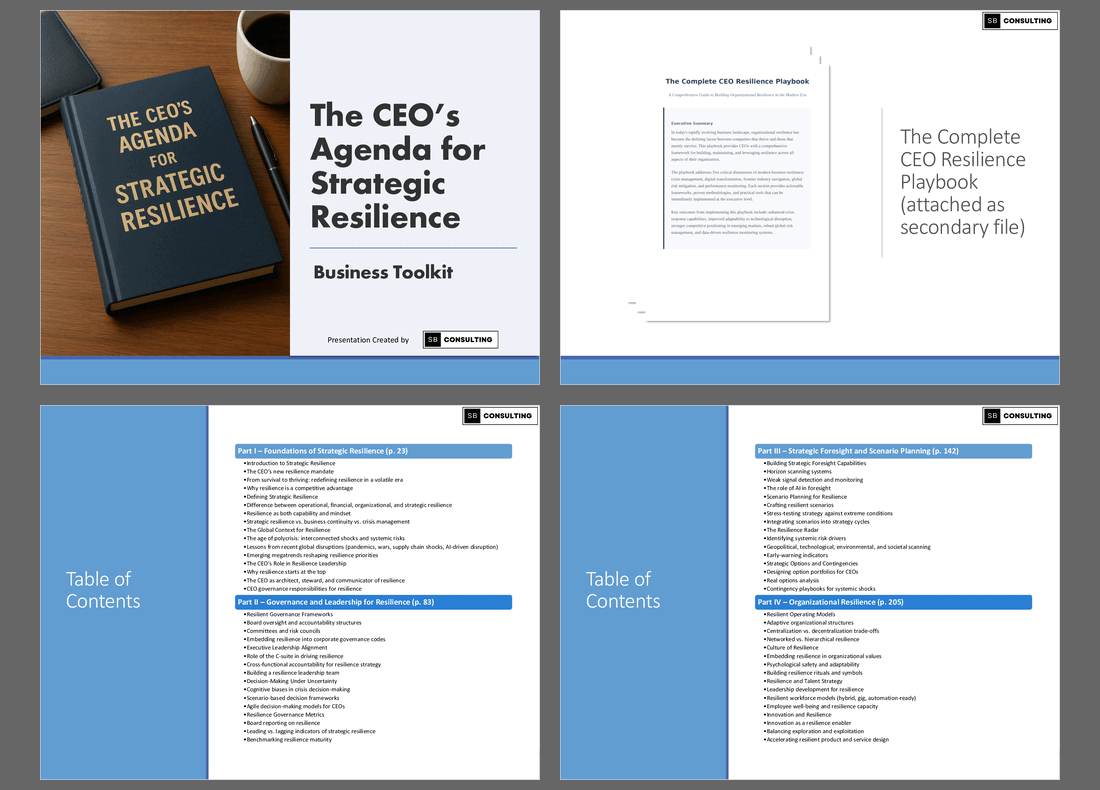
Credit: flevy.com
Economic Shocks And Business Impact
Economic shocks can hit businesses hard and fast. These shocks disrupt normal operations and create uncertainty. Companies must understand how these shocks affect them to survive and adapt. The impact varies based on the type of shock, its duration, and the industry involved.
Types Of Economic Shocks
Economic shocks come in various forms. Financial crises cause sudden drops in market values. Natural disasters disrupt supply chains and damage infrastructure. Political events can lead to trade restrictions or instability. Each type brings unique challenges for businesses.
Short-term Vs Long-term Effects
Some shocks cause quick but brief problems. These might include a sudden drop in sales or supply delays. Others have lasting impacts like permanent job losses or changes in consumer behavior. Businesses must plan for both immediate and future effects.
Industry-specific Vulnerabilities
Different industries face different risks. Retail businesses suffer from reduced consumer spending. Manufacturing depends heavily on raw material availability. Tourism and hospitality are sensitive to travel restrictions. Understanding these vulnerabilities helps businesses prepare better.
Building Resilient Business Models
Building resilient business models helps companies survive tough economic times. It means creating systems that can adapt to changes and keep the business running. Resilience reduces risks and prepares businesses for unexpected shocks. A strong model supports steady growth, even during a crisis.
Diversifying Revenue Streams
Relying on one source of income is risky. Businesses should explore different products or markets. This spreads the risk across several areas. If one area fails, others can support the business. Diversity in revenue helps maintain cash flow during downturns. It also opens new opportunities for growth.
Flexible Operational Strategies
Flexibility in operations allows quick adjustment to changes. This includes shifting production, staffing, or delivery methods. Flexible businesses can respond faster to market demands. They reduce costs by avoiding fixed expenses. Flexibility helps maintain service quality during disruptions.
Financial Buffering And Cash Reserves
Cash reserves act as a safety net in crises. They cover expenses when income drops suddenly. Building financial buffers requires disciplined saving and planning. Reserves help avoid debt and keep operations running. Strong cash flow management supports long-term stability.
Leadership During Crisis
Leadership during a crisis shapes how a business weathers economic shocks. Strong leaders guide their teams through uncertainty with clear actions and calm minds. Their role is crucial in making tough choices and keeping the team united.
Decision-making Under Pressure
Leaders face many hard decisions during a crisis. They must act quickly but carefully. Good leaders gather facts fast and weigh options. They focus on what helps the business survive and grow. Avoiding delays can save jobs and resources.
Transparent Communication
Honest communication builds trust in tough times. Leaders should share updates often and clearly. Explaining challenges and plans reduces fear and rumors. Transparency shows respect for employees and partners. It keeps everyone aligned and focused.
Employee Engagement And Support
Employees feel stress during economic shocks. Leaders who listen and support create loyalty. They offer help and recognize hard work. Engaged employees stay motivated and productive. This support helps the business stay strong together.
:max_bytes(150000):strip_icc()/financial-crisis.asp-FINAL-a3d7c4d528874a1c9f6c1ba07354cff6.png)
Credit: www.investopedia.com
Adopting Technology And Innovation
Adopting technology and innovation helps businesses survive economic shocks. It allows companies to stay flexible and meet new challenges quickly. Technology also supports growth and keeps operations running smoothly during tough times.
Digital Transformation Benefits
Digital transformation means using digital tools to improve business processes. It helps companies reach customers online and sell products faster. Data analysis from digital tools guides better decisions. This can reduce costs and increase profits even in hard times.
Automation And Efficiency
Automation uses machines and software to do repetitive tasks. It saves time and reduces human errors. Businesses can produce more with less effort. This leads to lower costs and better quality products. Efficiency improves, helping companies handle economic stress.
Remote Work Adaptations
Remote work allows employees to work from anywhere. It keeps businesses running during disruptions like pandemics or natural disasters. Technology like video calls and cloud storage supports this shift. Remote work also helps reduce office costs and keeps teams connected.
Risk Management And Preparedness
Risk management and preparedness form the foundation of business survival during economic shocks. Companies that plan for risks face fewer surprises and recover faster. These efforts reduce losses and keep operations steady.
Effective risk management means identifying potential threats early. It also means preparing clear actions to handle these threats. Being ready helps businesses stay calm and focused during crises.
Scenario Planning And Forecasting
Scenario planning helps businesses imagine different future events. It shows how each event affects the company. Forecasting uses data to predict economic changes and market trends.
This approach allows companies to prepare for best and worst cases. Teams create action plans for each scenario. It builds confidence and guides smart decisions under pressure.
Crisis Response Frameworks
Crisis response frameworks give companies a clear plan to act fast. They define roles and responsibilities for team members. This structure avoids confusion during chaotic times.
Frameworks include steps to communicate, contain damage, and resume work. Regular training ensures everyone knows what to do. This readiness saves time and reduces errors.
Continuous Monitoring And Adjustment
Continuous monitoring tracks risks and performance in real time. It helps spot issues before they grow bigger. Businesses can then adjust strategies quickly.
This ongoing process keeps risk plans relevant. Markets and threats change, so plans must evolve. Flexibility supports resilience and long-term success.
:max_bytes(150000):strip_icc()/Crisis-management_final-671d33811fe644498d8fba438288c890.png)
Credit: www.investopedia.com
Case Studies Of Successful Recovery
Understanding how businesses recover from economic shocks helps others prepare and adapt. Real-life examples show practical ways to survive tough times. These case studies reveal strategies that work in different situations and industries.
Small Business Turnarounds
Small businesses often face the biggest challenges during economic downturns. One local café closed temporarily but used the break to redesign its menu. It focused on affordable, popular items and started online orders. This change brought back customers quickly.
Another small retailer switched to selling essential goods only. This shift kept the store open and profitable. The key was listening to what customers needed most during the crisis.
Corporate Resilience Stories
Large companies also show strong resilience in crises. A well-known car manufacturer cut costs by delaying new models. It invested in digital tools to improve sales and customer service. This helped the company stay competitive while saving money.
A global tech firm moved quickly to remote work. It supported employees with new software and training. This swift action kept projects on track and maintained client trust.
Lessons From Past Crises
Past economic shocks offer many lessons for today’s businesses. Flexibility in operations proves essential. Companies that adapt products or services survive better than those that do not.
Clear communication with customers and employees builds trust. Transparency about challenges and plans helps maintain loyalty. Also, having a financial safety net allows businesses to manage unexpected costs.
Frequently Asked Questions
What Is Crisis Management In Business?
Crisis management involves planning and actions to handle unexpected economic shocks. It helps businesses minimize damage and recover quickly.
How Do Businesses Prepare For Economic Shocks?
Businesses prepare by analyzing risks, creating contingency plans, and maintaining financial reserves. This ensures quicker response during crises.
What Strategies Help Businesses Survive Economic Downturns?
Cost control, diversifying revenue streams, and strong communication are key. These strategies improve resilience and support long-term survival.
Why Is Communication Important During A Crisis?
Clear communication builds trust with employees, customers, and stakeholders. It helps manage expectations and reduces panic during economic shocks.
Conclusion
Economic shocks test a business’s strength and planning. Staying calm helps leaders make clear decisions. Quick action can reduce damage and save resources. Strong communication keeps teams focused and motivated. Learning from each crisis builds future resilience. Adaptation and flexibility are key to survival.
Businesses that plan well face fewer risks. Constant review and adjustment improve responses. Every challenge offers a chance to grow. Being prepared today means lasting tomorrow.